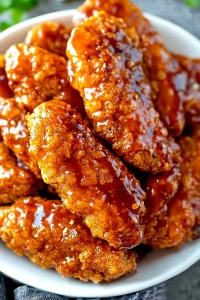
Chicken, soy sauce, cornstarch, sesame oil, bell pepper, mushrooms, snow peas, garlic, ginger, honey, brown sugar, and rice wine vinegar.
I have a soft spot for a good Chinese Chicken Recipe, especially on those nights when takeout sounds amazing but my fridge is quietly reminding me that, yes, I already bought chicken and vegetables. You know that feeling? You open the fridge, stare at the chicken, then stare at your phone like the delivery app is calling your name. This recipe is my little compromise. It gives you that saucy, sweet-savory, stir-fry comfort without waiting for a driver or wondering why the rice container is always smaller than expected.
The first time I made this Chinese Chicken Recipe, I wasn’t trying to create anything fancy. I had chicken, snow peas, mushrooms, and a green pepper that needed to be used before it started looking personally offended. I tossed the chicken with soy sauce and cornstarch, mixed up the sauce, and hoped for the best. And honestly? It came together better than I expected. The chicken browned nicely, the sauce turned glossy, the garlic and ginger made the kitchen smell ridiculous in the best way, and suddenly dinner felt like a small victory. Sound familiar? Some recipes don’t start with a plan. They start with hunger and one good skillet.

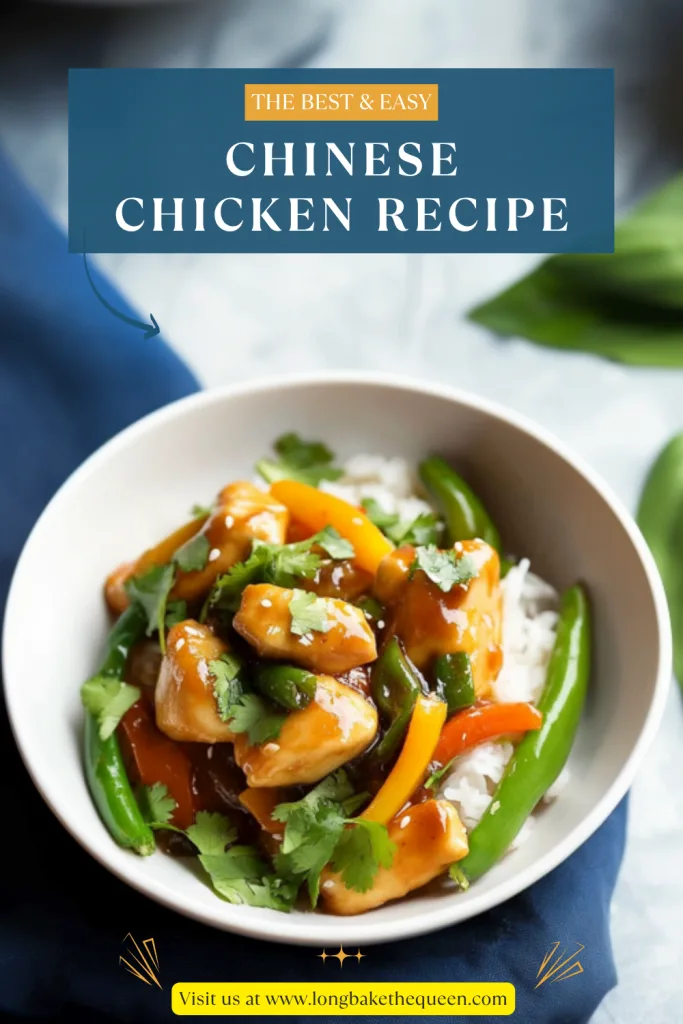
Why you’ll Love this Chinese Chicken Recipe?
This Chinese Chicken Recipe is quick, saucy, colorful, and full of flavor without being complicated. The chicken gets coated in soy sauce and cornstarch first, which helps it cook up tender and gives the sauce something to cling to later. Then you get all those bright vegetables — green pepper, mushrooms, and snow peas — plus garlic and ginger for that warm, fragrant flavor that makes the whole dish feel more exciting. The sauce is sweet, salty, and just a little tangy from the rice wine vinegar. Not too heavy. Not too plain. Just that nice balance where every bite makes you want another scoop of rice.
What I really like about this Chinese chicken stir fry is that it’s flexible. You can make it with chicken breasts or thighs, swap in different vegetables, toss in cashews if you want crunch, or make it a little spicy if your dinner mood leans that way. It’s ready in about 30 minutes, which is a blessing on nights when everyone is hungry and patience is thin. And let’s be honest, a glossy skillet of chicken and vegetables over white rice has a way of making dinner feel pulled together, even if the rest of the day was a little chaotic.
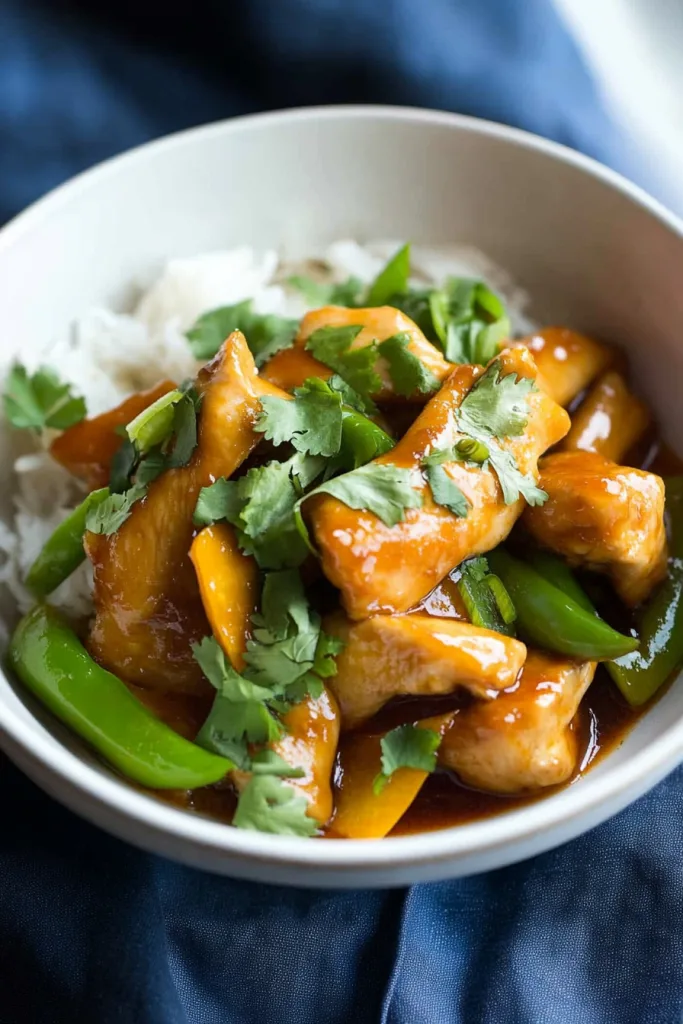
Ingredient Notes
Before you make this Chinese Chicken Recipe, let’s talk about the ingredients because each one has a job. Nothing here is overly fancy, but the mix works. The soy sauce brings savory depth, the honey and brown sugar add sweetness, the rice wine vinegar brightens the sauce, and the cornstarch helps everything thicken into that glossy coating we all love. The garlic and ginger? They’re the flavor duo that makes the whole pan smell like something good is happening. And honestly, once garlic and ginger hit hot oil, I’m already emotionally invested.
- Olive oil: Olive oil helps cook the chicken and vegetables without sticking. It also appears in the sauce, giving everything a little body. You can absolutely use vegetable oil, canola oil, or avocado oil if that’s what you keep in the kitchen. I don’t think this recipe needs to be precious about oil. Use what works, keep the pan hot, and keep things moving.
- Sesame oil: Sesame oil adds that warm, nutty aroma that makes this Chinese Chicken Recipe smell more like a stir fry and less like plain chicken in a skillet. A little goes a long way, so 1 teaspoon is enough. Don’t overdo it unless you really love sesame flavor, because it can take over quickly. It’s small but mighty, like that one relative who somehow controls the whole family group chat.
- Boneless skinless chicken breasts or thighs: Both chicken breasts and thighs work here. Breasts are leaner and cook quickly, while thighs stay juicier and are a little more forgiving if you accidentally cook them an extra minute. Cut the chicken into bite-sized pieces so it cooks evenly and fits nicely over rice or noodles. Try to keep the pieces close in size, because nobody wants one piece overcooked and another still trying to catch up.
- Soy sauce for the chicken: The first bit of soy sauce seasons the chicken before it cooks. It gives the meat flavor right away instead of waiting for the sauce to do all the work later. Since soy sauce is salty, you don’t need much here. Just enough to start building that savory base.
- Cornstarch for the chicken: Cornstarch is one of those ingredients that seems simple but makes a big difference. It lightly coats the chicken, helps keep it tender, and gives it that silky stir-fry texture. It also helps the sauce cling to the pieces later, which is exactly what we want. Sauce sliding off sad little chicken pieces? No thank you.
- Green pepper: Green pepper adds color, crunch, and a fresh bite. You can slice it thin or cut it into chunks, depending on what texture you like. I prefer leaving it a little crisp because soft peppers can get a bit tired in a stir fry. The green pepper also adds a slight bitterness that balances the sweet sauce nicely.
- Mushrooms: Mushrooms bring an earthy flavor and soak up the sauce beautifully. White mushrooms, cremini, or baby bella mushrooms all work well. Cook them until they soften, but don’t let them release so much liquid that the skillet turns watery. Mushrooms have a dramatic side. We love them anyway.
- Snow peas: Snow peas add that bright, crisp snap that makes the dish feel fresh. They cook quickly, so keep an eye on them. You want them tender-crisp, not limp and sad. They’re one of my favorite parts of this Chinese chicken stir fry because they give each bite a little crunch.
- Garlic: Minced garlic adds bold, savory flavor. Add it near the end and cook it briefly, just until fragrant. Garlic burns fast, and burnt garlic tastes bitter. It’s one of those tiny kitchen betrayals that can ruin a good sauce, so keep it moving in the pan.
- Ginger: Ginger adds warmth, brightness, and that classic stir-fry flavor. Fresh ginger paste blends beautifully into the sauce and gives everything a little zing without making it spicy. If you only have jarred ginger, that works too. Real-life dinner rules apply.
- Rice wine vinegar: Rice wine vinegar adds a little tang to balance the sweetness from the honey and brown sugar. Without it, the sauce could lean too sweet. It doesn’t make the dish sour; it just wakes it up a bit. Kind of like lemon juice does in other recipes.
- Soy sauce for the sauce: The 1/3 cup soy sauce in the sauce gives the dish its main salty, savory flavor. Regular soy sauce gives stronger flavor, while low-sodium soy sauce lets you control the salt a little better. If you’re sensitive to salt, low-sodium is probably the way to go.
- White cooking wine: White cooking wine adds depth to the sauce. If you don’t want to use it, chicken broth is a good substitute. The flavor will be a little different, but still good. Sometimes dinner is about what’s in the pantry, not what the recipe imagined.
- Honey: Honey gives the sauce sweetness and helps it turn glossy. It balances the soy sauce and vinegar nicely. The flavor is gentle, but it adds that sticky-sweet quality that makes the chicken so satisfying.
- Brown sugar: Brown sugar adds a deeper sweetness than honey alone. It brings a little molasses flavor and helps the sauce taste richer. If you prefer a less sweet Chinese Chicken Recipe, you can reduce it slightly, but I wouldn’t skip it completely. It helps round everything out.
- Cornstarch for the sauce: Cornstarch thickens the sauce so it coats the chicken and vegetables instead of pooling thinly at the bottom of the pan. Stir it well into the sauce before cooking, and give the sauce another quick stir before pouring it in. Cornstarch likes to settle. Very rude, but predictable.
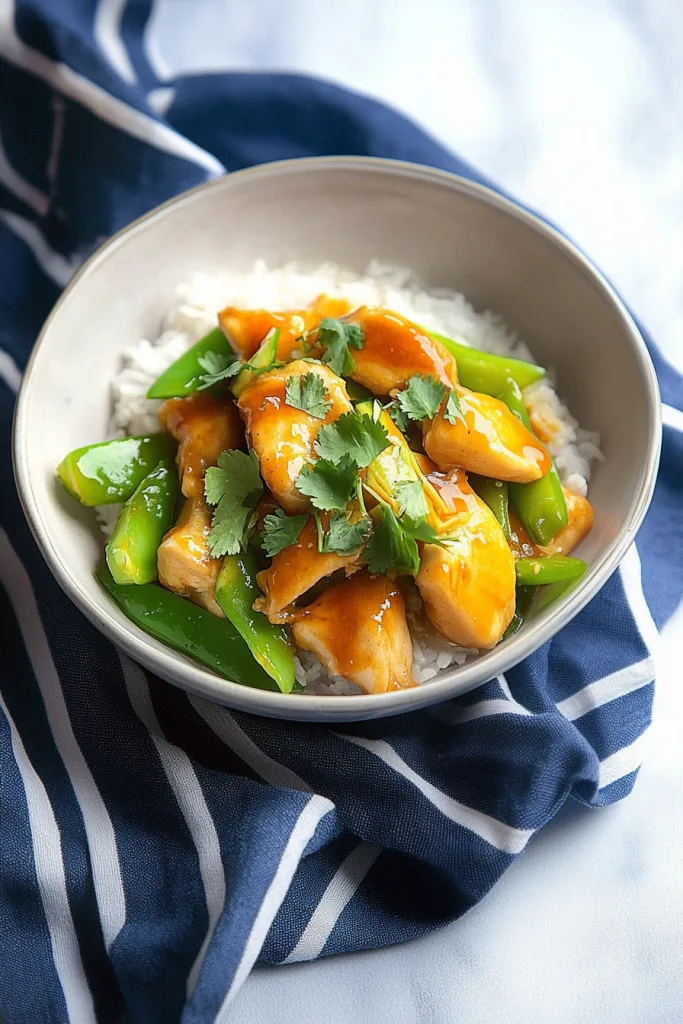
How to Make Chinese Chicken Recipe?
This Chinese Chicken Recipe moves quickly once the skillet gets hot, so it helps to prep everything first. Cut the chicken, slice the vegetables, mince the garlic and ginger, and mix the sauce before you start cooking. Stir-fries are not the time to be searching for the brown sugar while the chicken is already in the pan. I say this from experience, unfortunately.
Step 1: Cut the chicken
Cut the chicken into bite-sized pieces. Try to keep them about the same size so they cook evenly. Smaller pieces cook quickly and make the final dish easier to eat over rice or noodles. Plus, bite-sized chicken means more sauce on more surfaces, and that feels like good dinner logic to me.
Step 2: Coat the chicken
In a bowl, mix 1 tablespoon soy sauce with 2 tablespoons cornstarch. Add the chicken pieces and toss until they’re coated. The mixture will look a little sticky, but that’s what you want. This coating helps the chicken brown and gives it a tender texture once cooked.
Step 3: Mix the sauce
In another bowl, combine the white cooking wine, rice wine vinegar, soy sauce, olive oil, honey, cornstarch, and brown sugar. Stir until smooth and well combined. Make sure the cornstarch is mixed in fully so the sauce thickens evenly later. Give it another stir right before adding it to the pan, because cornstarch loves sinking to the bottom like it has better plans.
Step 4: Heat the oils
Heat the sesame oil and olive oil in a large skillet over medium-high heat. You want the pan hot enough to brown the chicken, but not so hot that the coating burns. A good hot pan makes a big difference. If your skillet is too crowded, cook the chicken in batches. Crowded chicken steams, and steamed chicken is not the vibe here.
Step 5: Brown the chicken
Add the coated chicken to the skillet and cook until browned on all sides. Once the chicken has a nice color, remove it from the skillet and set it aside on a plate. It will finish cooking later when it goes back into the pan with the sauce and vegetables. This helps keep it from drying out.
Step 6: Cook the vegetables
Add the mushrooms, snow peas, and green pepper to the skillet with the sauce. The original directions mention cashews too, even though they aren’t listed in the ingredients, so if you have them and want crunch, add them here or near the end. Cook until the vegetables are tender but still bright. Don’t cook the life out of them. We want fresh and crisp, not cafeteria vegetables.
Step 7: Add garlic and ginger
Stir in the minced garlic and ginger paste. Cook for about 30 seconds, just until fragrant. This step is quick but important. Garlic and ginger bring so much flavor, but they don’t need long in the pan. Keep stirring so nothing burns.
Step 8: Return the chicken to the pan
Add the chicken back into the skillet and stir everything together. Let it cook for about 5 minutes, or until the chicken is fully cooked and the sauce has thickened into a glossy coating. This is when the whole dish comes together — tender chicken, crisp vegetables, and that sweet-savory sauce hugging everything. Very satisfying. Very “maybe I don’t need takeout after all.”
Step 9: Serve and garnish
Serve this Chinese Chicken Recipe warm over white rice, then garnish with chopped green onions if you like. The rice catches all that extra sauce, which is honestly half the joy. You can also serve it with fried rice, noodles, steamed broccoli, or cauliflower rice. Whatever makes your dinner plate feel complete.
Storage Options
This Chinese Chicken Recipe stores nicely, so leftovers are a good thing. Let the chicken and vegetables cool completely, then transfer everything to an airtight container. Store in the refrigerator for up to 4 days. If you’re serving it with rice, I’d store the rice separately so it doesn’t soak up all the sauce and turn too soft. If it’s already mixed together, no panic. It’ll still taste good, just a little softer.
To reheat, warm it gently in a skillet over medium heat or microwave it in short intervals. If the sauce thickens too much in the fridge, add a small splash of water or chicken broth to loosen it up. You can freeze the chicken and sauce for up to 2 months, but the vegetables may soften after thawing. If texture is important, freeze the chicken and sauce separately and add fresh vegetables when you reheat. Future-you will be grateful. Future-you is always hungry.
Variations & Substitutions
This Chinese Chicken Recipe is easy to tweak, which is one reason it’s so handy. You can change the vegetables, use thighs instead of breasts, add cashews, make it spicy, or swap the wine for broth. Stir-fries are forgiving like that. They’re basically the “use what you’ve got” dinner of the skillet world.
- Use chicken thighs: Chicken thighs are a great choice if you want juicier meat. They’re a little richer than chicken breasts and more forgiving if they cook a bit longer. For a saucy stir fry, thighs work beautifully.
- Swap the vegetables: Broccoli, carrots, zucchini, bok choy, snap peas, baby corn, water chestnuts, or red bell pepper can all work in this Chinese chicken stir fry. Harder vegetables like carrots and broccoli may need a few extra minutes. Softer vegetables should go in later so they don’t overcook.
- Add cashews: The instructions mention cashews, so feel free to add about 1/2 cup if you want crunch. Cashews add a buttery bite and make the dish feel a little more special. You can stir them in near the end or sprinkle them on top before serving.
- Make it spicy: Add red pepper flakes, chili garlic sauce, sriracha, or sliced fresh chilies if you like heat. Start with a little and build from there. You can always add more spice, but you can’t un-spice dinner. Sadly, science has not solved that yet.
- Use shrimp or beef: Shrimp or thinly sliced beef can replace the chicken. Shrimp cooks very quickly, so don’t walk away. Beef should be sliced thin against the grain so it stays tender. Both are delicious with this sauce.
- Make it lower sodium: Use low-sodium soy sauce and reduce the amount slightly if needed. You can add a splash of chicken broth or water to balance the sauce without losing flavor. This is a good option if regular soy sauce tastes too salty to you.
- Use chicken broth instead of wine: If you prefer not to use white cooking wine, chicken broth works well. Add a tiny splash of rice wine vinegar if you want to keep that bright little tang. The sauce will still be delicious and cozy.
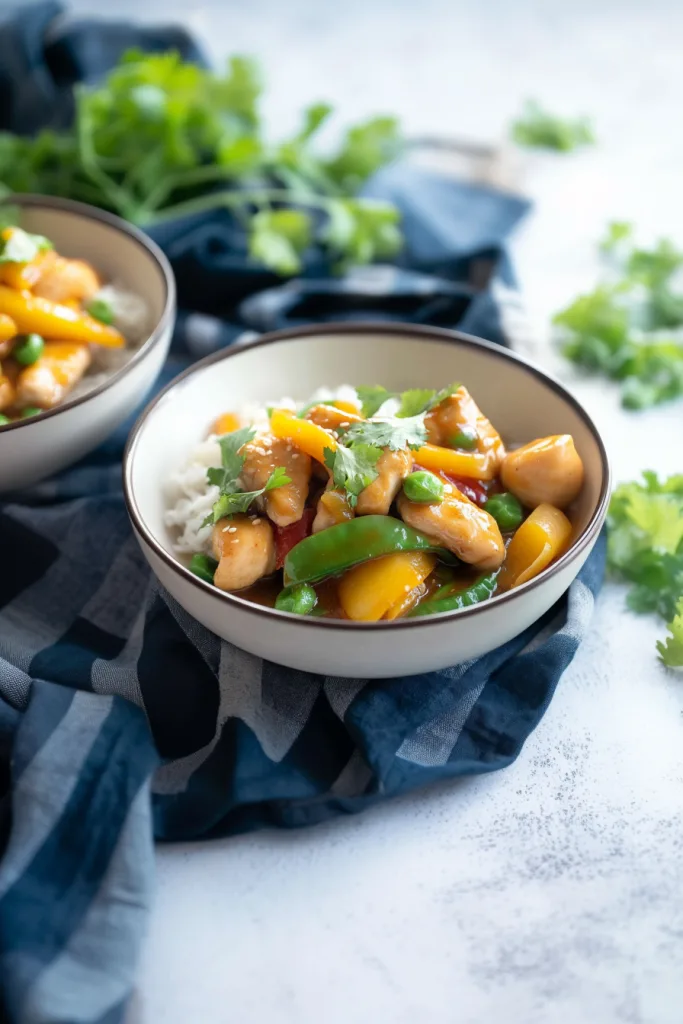
What to Serve With Chinese Chicken Recipe?
This Chinese Chicken Recipe is saucy and flavorful, so it pairs best with something that can catch all that glossy sauce. White rice is the classic choice, but noodles, fried rice, steamed vegetables, or even cauliflower rice all work. I like keeping the sides simple because the chicken already brings plenty of flavor. No need to make dinner harder than it needs to be.
- White rice: White rice is simple, classic, and perfect with this dish. Jasmine rice or long-grain rice works especially well. It soaks up the sauce and turns the chicken and vegetables into a full, comforting meal.
- Fried rice: Fried rice makes the meal feel extra takeout-inspired. Vegetable fried rice, egg fried rice, or even leftover rice quickly cooked with a little soy sauce and egg would be great here. It’s cozy and filling.
- Noodles: Lo mein noodles, rice noodles, or even spaghetti in a pinch can work. Toss them with a little of the sauce and pile the chicken and vegetables on top. Noodle bowl energy, and I’m not mad about it.
- Steamed broccoli: Broccoli is perfect with soy-based sauces. Serve it on the side or stir it right into the skillet. It adds freshness and makes the meal feel a little more balanced, which is nice when there’s honey and brown sugar in the sauce.
- Egg rolls or spring rolls: Egg rolls or spring rolls add crunch and make dinner feel more complete. Store-bought is totally fine. We are not making every single thing from scratch on a weeknight unless we truly feel inspired. And sometimes we do not.
- Cucumber salad: A cool cucumber salad adds freshness and crunch. Toss sliced cucumbers with rice vinegar, a pinch of sugar, and sesame seeds for a quick side. It’s especially nice next to the sweet-savory sauce.
- Cauliflower rice: For a lighter option, serve this Chinese Chicken Recipe over cauliflower rice. It keeps the meal veggie-forward while still letting you enjoy the sauce. Not exactly the same as white rice, but still good in its own way.
FAQ
Why do you coat the chicken with cornstarch?
Cornstarch helps the chicken stay tender and gives it that light, silky coating you often find in stir-fry dishes. It also helps the sauce cling to the chicken later. It’s a small step, but it gives the dish a more takeout-style texture. Tiny effort, big payoff.
What can I use instead of white cooking wine?
Chicken broth is the easiest substitute for white cooking wine. If you want a little brightness, add a tiny splash of extra rice wine vinegar. The sauce won’t taste exactly the same, but it will still be sweet, savory, and delicious.
Can I add cashews?
Yes. The instructions mention cashews, even though they are not listed in the ingredients. Add about 1/2 cup cashews if you want crunch. Stir them in near the end or sprinkle them over the finished dish. They add a buttery, crunchy bite that works beautifully with the sauce.
How do I keep the vegetables crisp?
Cook the vegetables just until tender-crisp. Snow peas and bell peppers cook quickly, so don’t leave them in the pan too long. If you like extra-crisp snow peas, add them closer to the end. Also avoid covering the skillet for too long because steam softens vegetables fast.
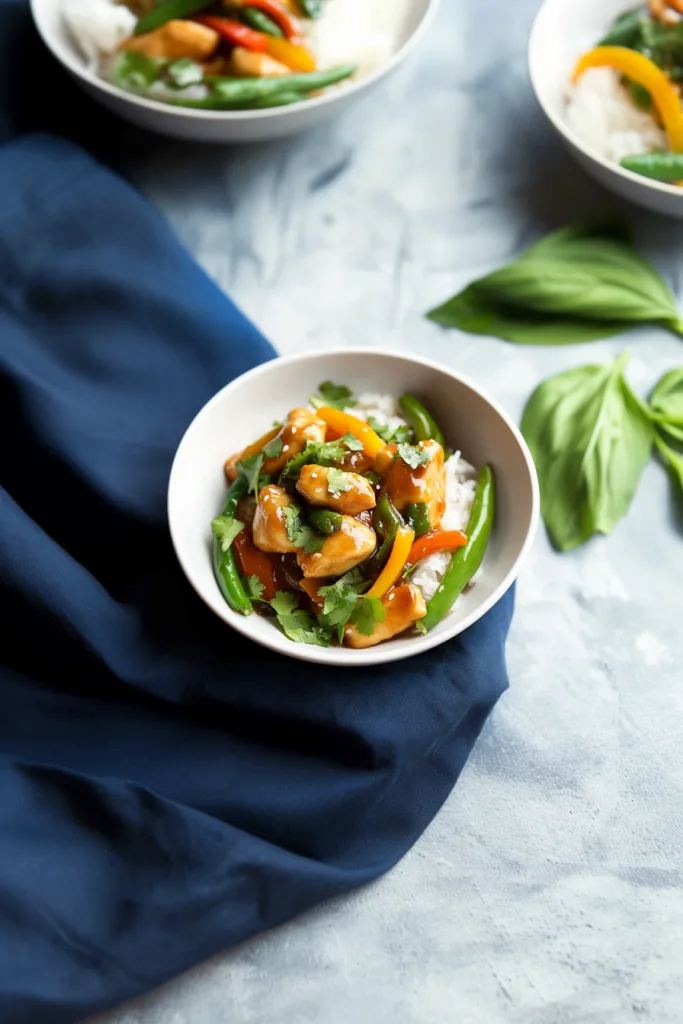
This Chinese Chicken Recipe is sweet, savory, saucy, and quick enough for a busy night. It has tender chicken, colorful vegetables, garlic, ginger, soy sauce, honey, brown sugar, and a glossy sauce that tastes so good over rice. It’s the kind of meal that lets you skip takeout without feeling like you missed out, which is always a win in my book.
So grab your skillet, cut up the chicken, and let this Chinese Chicken Recipe bring a little takeout-style comfort to your kitchen. And when you try it, I’d love to know — are you serving it with white rice, noodles, fried rice, or adding cashews for that extra crunch?
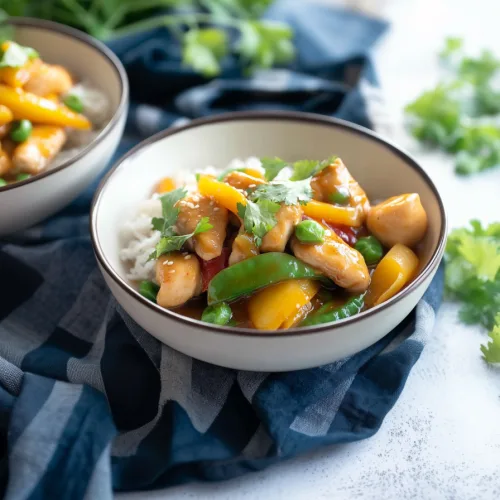
Chinese Chicken Recipe
Ingredients
For the Chicken
- 2 tbsp olive oil
- 1 tsp sesame oil
- 2 lb boneless skinless chicken breasts or thighs cut into bite-sized pieces
- 1 tbsp soy sauce
- 2 tbsp cornstarch
- 1 green bell pepper thinly sliced or cut into chunks
- 4 oz mushrooms sliced
- 1 1/2 c snow peas
- 2 tsp garlic minced
- 1 tsp ginger minced into a paste
For the Sauce
- 1 1/2 tsp rice wine vinegar
- 1/3 c soy sauce
- 3 tbsp white cooking wine
- 1 tbsp honey
- 1 tbsp cornstarch
- 1 tbsp olive oil
- 2 tbsp brown sugar
Optional Garnish
- Chopped green onions
Instructions
- Cut the chicken into bite-sized pieces.
- In a medium bowl, combine 1 tbsp soy sauce and 2 tbsp cornstarch.
- Add the chicken pieces to the bowl.
- Toss until the chicken is evenly coated.
- Set the coated chicken aside while preparing the sauce.
- In a separate bowl, combine the rice wine vinegar, soy sauce, white cooking wine, honey, cornstarch, olive oil, and brown sugar.
- Whisk until the sauce is smooth and fully combined.
- Heat the sesame oil and olive oil in a large skillet over medium-high heat.
- Add the coated chicken to the skillet.
- Cook until the chicken is browned on all sides.
- Remove the chicken from the skillet and place it on a plate.
- Add the sliced mushrooms, snow peas, and green bell pepper to the skillet.
- Pour the prepared sauce over the vegetables.
- Cook until the vegetables are tender but still slightly crisp.
- Add the minced garlic and ginger paste to the skillet.
- Stir well and sauté for approximately 30 seconds, or until fragrant.
- Return the cooked chicken to the skillet.
- Stir to combine the chicken, vegetables, and sauce.
- Continue cooking for approximately 5 minutes, or until the chicken is fully cooked and the sauce has thickened.
- Serve warm with white rice, if desired.
- Garnish with chopped green onions before serving.
Notes