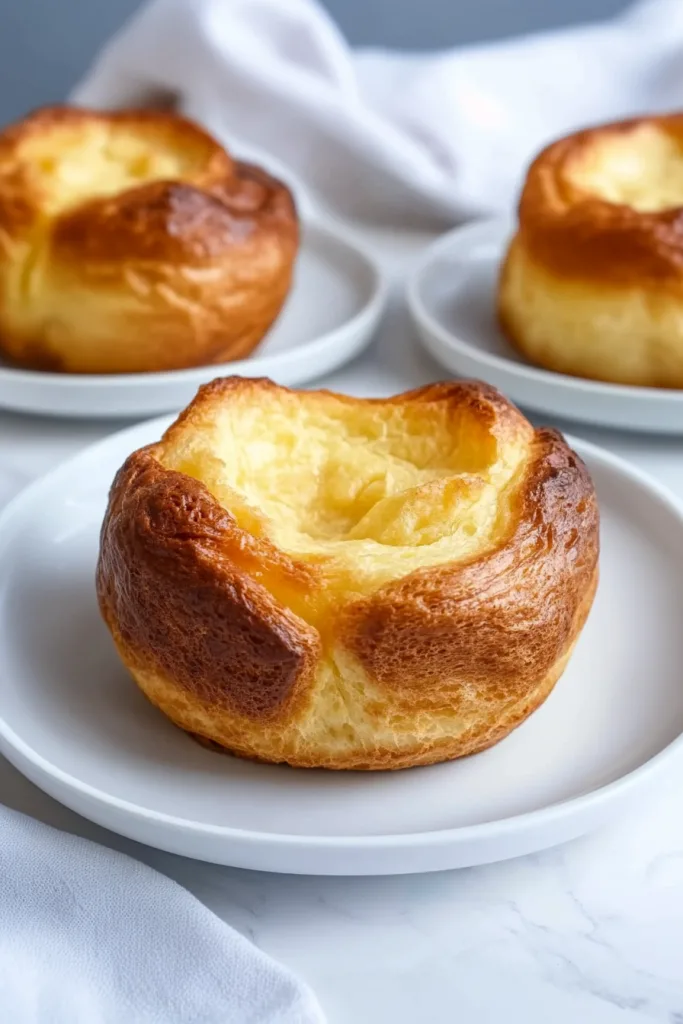
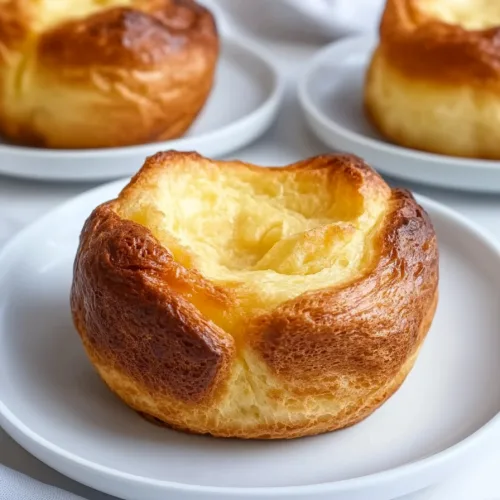
Golden Yorkshire puddings made with eggs, whole milk, all-purpose flour, salt, and hot beef or bacon drippings.
There’s something about Individual Yorkshire Puddings that feels a little bit old-school and a little bit magical at the same time. I know, that sounds dramatic for a recipe made with eggs, milk, flour, salt, and drippings, but if you’ve ever watched them puff up in the oven, you get it. One minute the muffin pan looks suspiciously plain, and the next minute these golden little puddings are rising like they’ve been waiting their whole lives for this moment. It’s a tiny oven performance, and honestly, I still hover nearby like I’m watching the finale of a baking show.
The first time I made homemade Yorkshire puddings, I broke the one rule everyone warns you about. I opened the oven door. Just a quick peek, I told myself. Very casual. Very harmless. And then, boom, they collapsed like a bad soufflé and my confidence went right along with them. So now I’m a little protective of that oven door. Once these Individual Yorkshire Puddings go in, I leave them alone. No peeking, no checking, no “just one tiny look.” We trust the puff. That’s the whole emotional journey.
I’ve always loved recipes that make a meal feel more special without requiring a whole production. These little Yorkshire puddings do exactly that. They bake in a standard muffin pan, so everyone gets their own golden puff. No slicing, no awkward serving, no one getting the sad flat edge while someone else gets the glorious crispy piece. Everyone gets a little gravy-catching cup of happiness. That feels fair, and I’m very pro-fairness when crispy edges are involved.
These Individual Yorkshire Puddings remind me of big Sunday dinners, the kind where the table gets crowded with roast beef, potatoes, vegetables, gravy, and someone inevitably says, “Just a small plate,” then goes back for seconds. They’re traditionally served with roast beef, of course, but I don’t think they need to be locked into one dinner. I’ve had them with pot roast, beef stew, roast chicken, and once with leftover gravy on a cold evening when dinner was very much a “let’s see what we can make work” situation. Not fancy, but deeply satisfying.
The funny thing about this Individual Yorkshire Puddings recipe is that it’s both simple and slightly bossy. The ingredient list is short, but the method asks for respect. Room-temperature eggs and milk. Batter that rests. Hot drippings. A very hot oven. And patience. A lot of patience, actually, because opening the oven door too soon is where dreams go to deflate. Sound familiar? Some recipes don’t need expensive ingredients; they just need you to follow the little rules.
And when they work? Oh, it’s so satisfying. You pull out a pan of crisp, golden, airy Yorkshire puddings, and suddenly dinner feels like it came with a little extra ceremony. Maybe that’s why I like them so much. They’re humble, but dramatic. Like the side dish equivalent of someone quietly walking into the room and stealing the show.

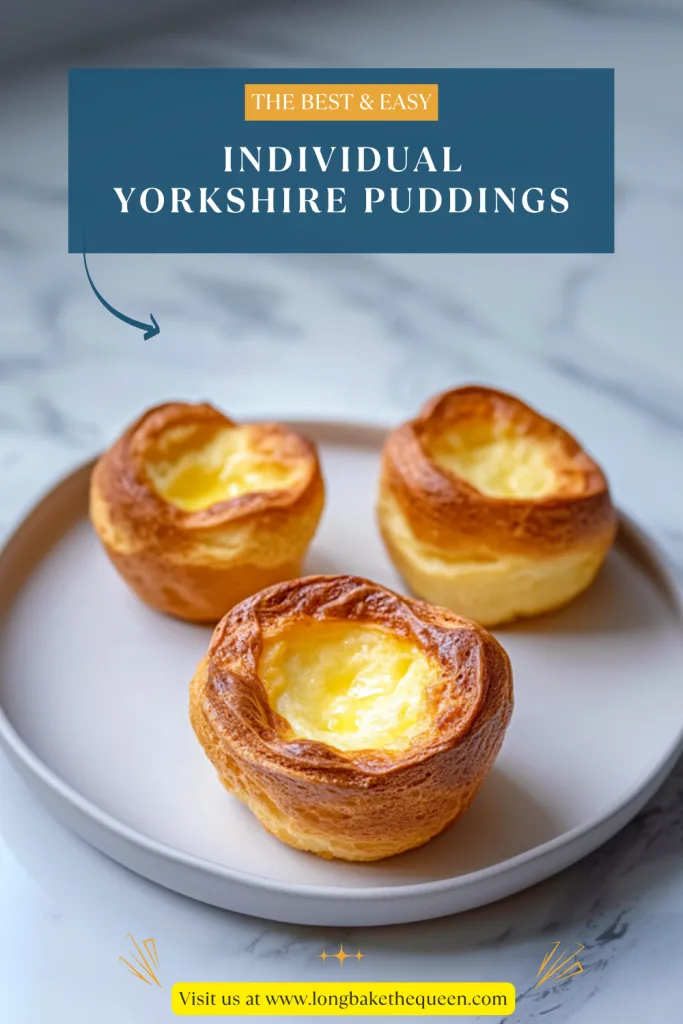
Why you’ll Love these Individual Yorkshire Puddings?
You’ll love Individual Yorkshire Puddings because they look impressive, but they’re made with just a few everyday ingredients. Eggs, milk, flour, salt, and hot drippings come together to make something crisp, airy, golden, and honestly kind of thrilling. I don’t want to oversell a muffin pan side dish, but when they rise properly, it does feel like a small victory. A very edible victory.
The individual size is one of the best parts. Each pudding bakes in its own muffin cup, which means more crispy edges and a soft, hollow center that’s practically begging for gravy. I love a big traditional Yorkshire pudding too, but these little ones are easier to serve and a bit more fun on the plate. They make dinner feel organized, even if the kitchen counter behind you looks like a floury weather event happened.
Another reason this Individual Yorkshire Puddings recipe stands out is the flavor from the drippings. Beef drippings give the puddings that classic roast-dinner flavor, while bacon drippings add a smoky, salty twist. Is bacon the most traditional choice? Maybe not always. Is it delicious? Absolutely. The hot fat also helps create those crisp edges and that dramatic puff, so it’s not just there for taste. It’s part of the magic trick.
These homemade Yorkshire puddings are also wonderfully versatile. Yes, they’re perfect with roast beef and gravy, but they can tag along with pot roast, prime rib, roast chicken, turkey, stew, or even mushroom gravy. They’re one of those sides that can make a simple meal feel a little more festive. You know those dinners where you want it to feel special, but you don’t want to make four complicated dishes? This helps.
I also like that this recipe feels a little nostalgic. There’s no trendy ingredient hiding in here. No complicated garnish. No “finish with a drizzle of something you can only buy at one specific market.” It’s just a classic batter baked in hot fat until it puffs and browns. Simple food, done right. And sometimes, that’s exactly what a meal needs.
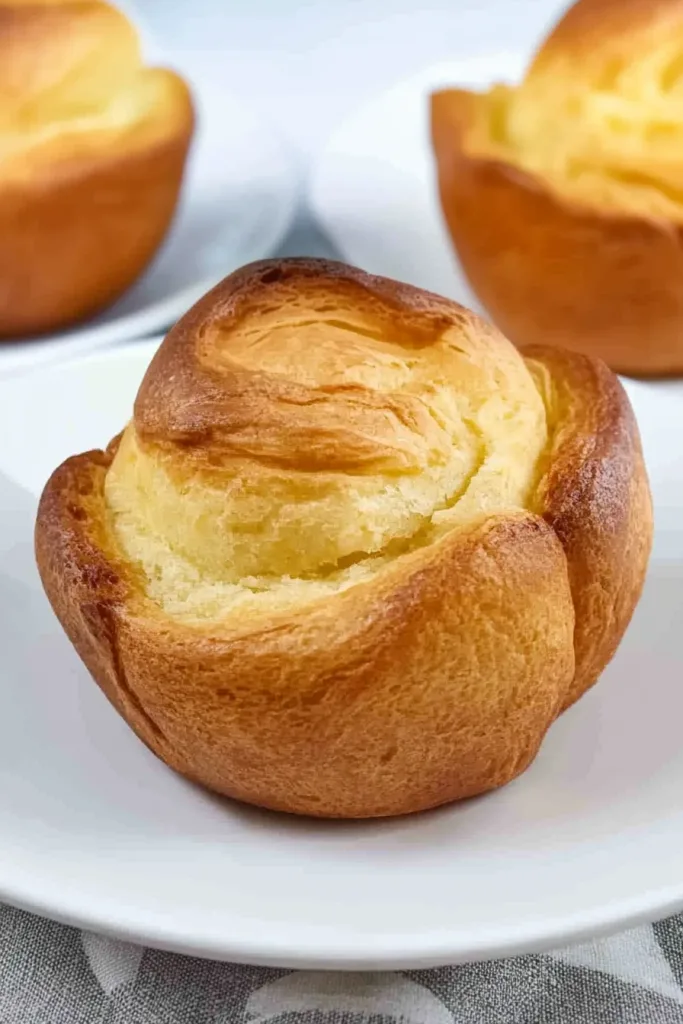
Ingredient Notes
The ingredients for Individual Yorkshire Puddings are simple, but because there are so few of them, each one matters. This isn’t the kind of recipe where you can hide behind twenty spices or a heavy sauce. The eggs, milk, flour, salt, and drippings all have a job to do. Room temperature helps. Hot fat helps. A rested batter helps. Basically, the puddings are simple, but a little particular. I respect that.
- Large eggs: Eggs give these Yorkshire puddings their structure and help them puff up in the oven. Room-temperature eggs blend more smoothly with the milk and flour, which helps the batter behave better. If you forgot to take them out ahead of time, place them in a bowl of warm water for a few minutes. I’ve done this more times than I can count, because remembering eggs early is apparently not one of my gifts.
- Whole milk: Whole milk adds richness and helps create that tender inside. Room-temperature milk is best because cold milk can slow down the batter when it hits the hot fat. You want the batter to puff quickly, not pause and think about its life choices.
- Unbleached all-purpose flour: Flour gives the puddings body and helps them hold their shape. The recipe uses 1 1/2 cups, or about 7 1/2 ounces. If you have a kitchen scale, this is a good time to use it. Too much flour can make the puddings heavy, and nobody is hoping for dense Individual Yorkshire Puddings. We want light, crisp, golden little puffs.
- Table salt: Salt keeps the batter from tasting flat. Since the ingredient list is short, that small amount of salt makes a bigger difference than you’d think. It brings out the savory flavor and balances the richness from the drippings.
- Hot beef or bacon drippings: The drippings bring flavor and help create the crisp edges that make homemade Yorkshire puddings so good. Beef drippings are the classic choice, especially with roast beef. Bacon drippings add a smoky flavor that’s a little less traditional but still very tasty. The important part is that the fat must be hot before the batter goes in. Hot fat is what gives the batter that quick lift.
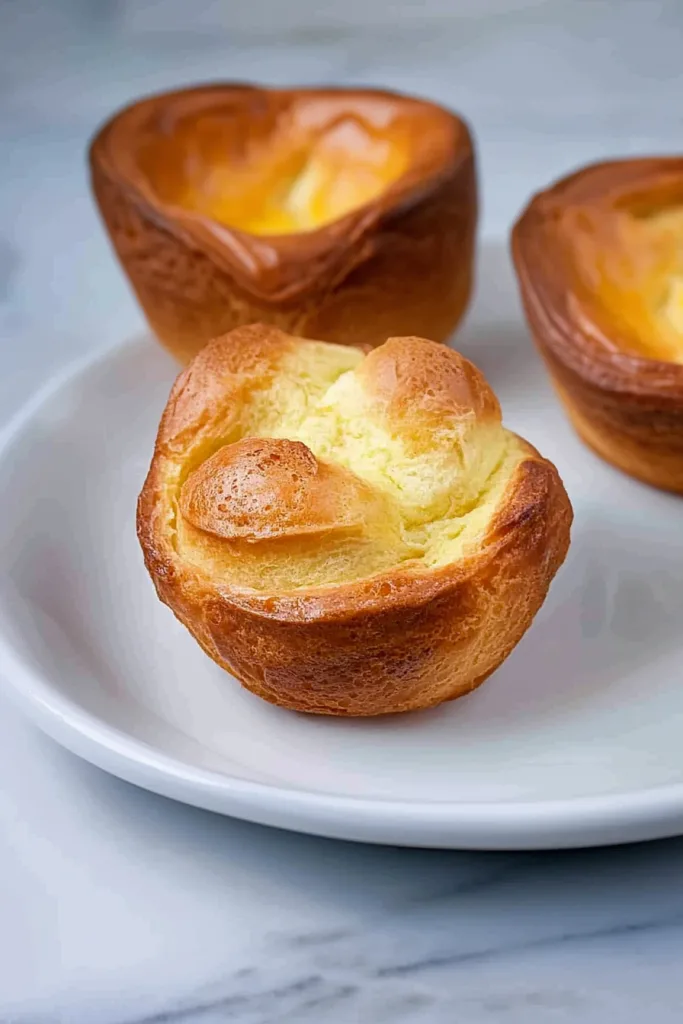
How to Make Individual Yorkshire Puddings?
Making Individual Yorkshire Puddings is not hard, but it does ask you to pay attention to timing. The batter needs to rest, the oven needs to be properly hot, and the fat in the muffin cups needs to smoke a little before the batter goes in. It’s a bit like catching a train: not difficult, exactly, but timing matters. Once the puddings are in the oven, leave the door closed and let them rise in peace.
Step 1: Whisk the eggs and milk. In a large bowl, whisk the room-temperature eggs and whole milk until well combined, about 20 seconds. The mixture should look smooth and even. You don’t need to beat it forever. Just bring it together and move on.
Step 2: Combine the flour and salt. In a medium bowl, whisk the flour and table salt until combined. This spreads the salt evenly through the flour so every pudding gets good flavor. It’s a small step, but it keeps the batter more balanced.
Step 3: Make the batter. Add the flour mixture to the egg and milk mixture. Whisk quickly until the flour is just incorporated and the batter is smooth, about 30 seconds. The batter will be thin and pourable, kind of like a simple pancake batter but lighter. Don’t overmix it. Once it looks smooth, stop.
Step 4: Rest the batter. Cover the bowl with plastic wrap and let the batter stand at room temperature for at least 1 hour or up to 3 hours. This rest gives the flour time to absorb the liquid and helps the puddings rise better. I know waiting can feel annoying, especially when you’re cooking dinner and everything is happening at once, but this step is worth it. Think of it as giving the batter a quiet little nap before its big moment.
Step 5: Preheat the oven. Preheat the oven to 450°F. This recipe needs high heat right away. That strong blast of heat is what helps the batter puff up quickly and create those tall, airy centers.
Step 6: Add drippings to the batter. Whisk 1 tablespoon of hot beef or bacon drippings into the rested batter until bubbly and smooth, about 30 seconds. This adds flavor and helps the batter connect with the hot fat in the pan later. It’s a little step, but it fits into the whole rise-and-crisp plan.
Step 7: Transfer the batter. Pour the batter into a 1-quart liquid measuring cup. This makes it much easier to pour quickly and neatly into the hot muffin pan. And yes, speed matters here, because the pan and fat need to stay hot.
Step 8: Add drippings to the muffin pan. Measure 1/2 teaspoon of the remaining drippings into each cup of a standard 12-cup muffin pan. Try to divide it evenly so each pudding gets the same hot, savory start. Uneven fat can mean uneven puffing, and we want everyone invited to the party.
Step 9: Heat the muffin pan. Place the muffin pan in the hot oven for 3 minutes. The fat will get very hot and may smoke. This is normal. Slightly alarming the first time, maybe, but normal. Hot fat helps the batter rise fast and gives the puddings crisp bottoms and edges.
Step 10: Fill the muffin cups quickly. Carefully remove the hot muffin pan from the oven and close the oven door immediately to keep the heat inside. Divide the batter evenly among the 12 muffin cups, filling each about 2/3 full. Move quickly, but don’t splash the hot fat. We want drama in the oven, not on your hands.
Step 11: Bake without opening the door. Immediately return the pan to the oven and bake for 20 minutes without opening the oven door. This is the big puffing stage. The puddings need steady heat, and opening the door can make them collapse. I know curiosity is strong. Resist it.
Step 12: Reduce the oven temperature. After 20 minutes, reduce the oven temperature to 350°F and bake until the puddings are deep golden brown, about 10 minutes longer. This lower temperature lets them finish baking without burning the outside.
Step 13: Release the steam. Remove the pan from the oven and pierce each pudding with a skewer. This releases steam and helps keep the puddings from collapsing too much. They may settle a little, and that’s normal. Yorkshire puddings are dramatic, not permanent architecture.
Step 14: Remove and serve immediately. Carefully lift each pudding out of the muffin tin using your hands or a dinner knife. Serve the Individual Yorkshire Puddings immediately while they’re hot, crisp, and airy. And please, if gravy is nearby, this is its moment.
Storage Options
Individual Yorkshire Puddings are absolutely best right out of the oven. That’s when they’re at their puffiest, crispiest, and most impressive. Once they sit, they naturally soften and lose a bit of height. That doesn’t mean leftovers are bad, but fresh is definitely the main event. Yorkshire puddings are a little like fries that way: still edible later, but at their peak when hot and crisp.
If you have leftovers, let them cool completely before storing them. Place them in an airtight container and refrigerate for up to 3 days. To bring them back to life, reheat them in a 375°F oven for about 5 to 8 minutes, or until warmed through and slightly crisp again. I’d avoid the microwave unless you truly must. It warms them, yes, but it also makes them soft and a bit chewy. Not terrible, just not their finest hour.
You can also freeze homemade Yorkshire puddings. Let them cool completely, then place them in a freezer-safe bag or container and freeze for up to 2 months. Reheat from frozen in a 375°F oven until hot and crisp. They won’t puff quite like fresh ones, but they’re still handy for quick roast dinners, holiday leftovers, or those nights when you want something cozy without starting from scratch.
One important thing: store gravy separately. I know gravy belongs with Yorkshire puddings spiritually, emotionally, and probably legally in some households, but it will make them soggy if stored together. Reheat the puddings first, then pour on the gravy right before serving.
Variations & Substitutions
These Individual Yorkshire Puddings are classic as written, but you can make small changes depending on what you’re serving. The main method should stay the same, especially the rested batter, hot oven, and hot fat. But the flavor can shift a little, and that’s part of the fun. Some versions feel traditional, some feel slightly cheeky, and honestly, both have a place at the table.
- Use beef drippings for classic flavor: Beef drippings are the traditional choice and pair beautifully with roast beef and gravy. They give the puddings a rich, savory flavor that feels very classic and Sunday-dinner-ish.
- Use bacon drippings for smoky flavor: Bacon drippings add a smoky, salty taste. It’s not always the most traditional route, but it’s delicious. I especially like it if the puddings are being served with stew, breakfast-style dishes, or anything that welcomes a little bacon personality.
- Use neutral oil if needed: If you don’t have beef or bacon drippings, use a high-heat neutral oil. The flavor will be less rich, but the puddings can still rise as long as the oil is properly hot.
- Add herbs: A small amount of finely chopped rosemary, thyme, or chives can be added to the batter. Keep it light, though. Too many add-ins can weigh down the batter and affect the rise. Yorkshire puddings like flavor, but they also like space to puff.
- Make mini Yorkshire puddings: Use a mini muffin pan for smaller puddings. They’ll bake faster, so keep an eye on the timing. These are great for appetizers or holiday trays, especially if you want little bite-sized gravy cups. Which, yes, sounds adorable.
- Fill them after baking: Once baked, the hollow centers can be filled with roast beef, mushroom gravy, creamy vegetables, or even leftover stew. It’s not the strict traditional route, but it’s fun and very practical.
- Make them extra crisp: For extra crisp Yorkshire puddings, make sure the fat is smoking hot before adding the batter and serve them immediately after baking. Crispness has a short attention span.
What to Serve With Individual Yorkshire Puddings?
Individual Yorkshire Puddings are famous with roast beef, but they don’t have to stop there. Their crisp edges and hollow centers make them perfect for catching gravy, pan juices, and rich sauces. Honestly, they’re like tiny edible bowls that went to finishing school. They look proper, but their real job is soaking up gravy.
- Roast beef: This is the classic pairing. Serve Yorkshire puddings with sliced roast beef, pan gravy, and roasted vegetables for a traditional dinner that feels warm and full and very satisfying.
- Beef gravy: Gravy is the natural partner for these puddings. Spoon it over the top or let the hollow centers catch it. Either way, it’s exactly what they were made for.
- Prime rib: Individual Yorkshire Puddings are wonderful with prime rib, especially for Christmas dinner, Sunday supper, or any meal where you want the table to feel a little special.
- Pot roast: Serve them with tender pot roast and lots of pan juices. The puddings soak up the sauce beautifully, and the crispy edges still give each bite texture.
- Roast chicken or turkey: Beef may be traditional, but these puddings also work with roast chicken or turkey and savory gravy. They’re especially nice for holiday meals when there’s plenty of sauce on the table.
- Beef stew: Serve homemade Yorkshire puddings alongside beef stew or use them to scoop up the rich sauce. It’s cozy, simple, and very cold-weather friendly.
- Mushroom gravy: For a meatless pairing, serve the puddings with mushroom gravy. The mushrooms add plenty of savory depth, and the gravy fills the puddings perfectly.
- Holiday dinner: These are lovely for Christmas, Sunday roast, Thanksgiving-style dinners, or any meal where gravy is involved. And really, if gravy is involved, Yorkshire puddings probably want to be invited.
- Breakfast or brunch: If you use bacon drippings, try serving them with eggs, sausage, or breakfast gravy. Is it traditional? Maybe not exactly. Is it good? Very.
FAQ
Can I use oil instead of beef or bacon drippings?
Yes, a high-heat neutral oil can be used if you don’t have drippings. The flavor will not be as rich, but the puddings can still puff well if the oil is hot enough.
Why do I need to pierce the puddings after baking?
Piercing each pudding releases steam and helps prevent them from collapsing too much or becoming soggy inside. They may settle slightly, but that’s normal.
Are Yorkshire puddings sweet?
No, Yorkshire puddings are savory. Despite the name “pudding,” they are more like airy popovers and are usually served with roast meat, stew, or gravy.
Can I use cold eggs or milk?
Room-temperature eggs and milk are best because they mix more smoothly and help the batter rise better. Cold ingredients can affect the puff, so let them sit out before mixing if possible.

These Individual Yorkshire Puddings are crisp, golden, airy, and wonderfully dramatic for something so simple. They’re made with basic ingredients, but when the batter hits hot drippings and rises in the oven, they feel like a proper dinner-table moment. The crisp edges, hollow centers, and gravy-catching shape make them a side dish people actually remember.
Serve these homemade Yorkshire puddings with roast beef, prime rib, stew, mushroom gravy, roast chicken, or a holiday dinner. And remember the most important rule: don’t open the oven door too soon. We’re trusting the puff, even if curiosity is screaming a little. Can’t wait to hear what you think — are you making these for a Sunday roast, a holiday dinner, or just because gravy needed a better home?
Individual Yorkshire Puddings
Ingredients
- 3 large eggs at room temperature
- 1 1/2 c whole milk at room temperature
- 1 1/2 c unbleached all-purpose flour about 7 1/2 oz
- 3/4 tsp table salt
- 3 tbsp hot beef drippings or bacon drippings divided
Instructions
Prepare the egg mixture.
- In a large bowl, whisk the eggs and whole milk until fully combined, about 20 seconds.
Combine the flour and salt.
- In a separate medium bowl, whisk together the flour and salt until evenly combined.
Prepare the batter.
- Add the flour mixture to the egg mixture. Whisk quickly until the flour is just incorporated and the batter is smooth, about 30 seconds.
Rest the batter.
- Cover the bowl with plastic wrap. Let the batter stand at room temperature for at least 1 hour or up to 3 hours.
Preheat the oven.
- Preheat the oven to 450°F.
Add drippings to the batter.
- Whisk 1 tbsp of the hot beef or bacon drippings into the rested batter until the mixture is bubbly and smooth, about 30 seconds.
Transfer the batter.
- Pour the batter into a 1-quart liquid measuring cup for easier portioning.
Prepare the muffin pan.
- Measure 1/2 tsp of the remaining drippings into each cup of a standard 12-cup muffin pan.
Heat the drippings.
- Place the muffin pan in the preheated oven for 3 minutes, or until the drippings are very hot and beginning to smoke.
Fill the muffin cups.
- Working quickly, remove the hot muffin pan from the oven and immediately close the oven door to retain heat. Divide the batter evenly among the 12 muffin cups, filling each cup about 2/3 full.
Bake at high heat.
- Immediately return the pan to the oven. Bake for 20 minutes without opening the oven door.
Reduce the oven temperature.
- Reduce the oven temperature to 350°F. Continue baking for about 10 minutes longer, or until the puddings are deep golden brown and fully puffed.
Release the steam.
- Remove the pan from the oven. Pierce each Yorkshire pudding with a skewer to release steam and help prevent collapse.
Remove from the pan.
- Using a dinner knife or clean hands, carefully lift each pudding from the muffin tin.
Serve immediately.
- Serve the Yorkshire puddings immediately while hot, crisp, and airy.
Notes