Carrots, onion, parsnip or turnip, leek, cabbage, mushrooms, herbs, stock, rolled oats, vinegar, salt, and black pepper.
I have a real soft spot for recipes that feel like they came from a worn little notebook, maybe with a few splashes on the page and someone’s handwriting leaning sideways near the end. This Easy Vegetable Pottage Recipe has that kind of feeling. It’s not shiny or fancy. It’s simple, old-fashioned, and cozy in a way that makes you want to slow down for a minute. And honestly, some days I need that. A pot on the stove, a wooden spoon, vegetables simmering away… it just settles the whole kitchen down.
The first time I made vegetable pottage, I remember staring at the rolled oats and thinking, Wait, we’re putting breakfast in soup now? I was not fully convinced. But then the carrots, onion, leeks, cabbage, mushrooms, rosemary, thyme, and sage started simmering together, and the oats thickened the stock into this rustic, hearty bowl. Suddenly it made sense. It wasn’t oatmeal. It wasn’t soup exactly. It was something in between — thick, earthy, warm, and very comforting. Like a soup wearing a sweater. A little odd? Maybe. But it works.
What I love about this Easy Vegetable Pottage Recipe is that it feels practical and comforting at the same time. It uses humble vegetables, pantry herbs, stock, and oats, then somehow turns them into a meal that feels like it has been around forever. There’s no big dramatic cooking moment. No fancy swirl of cream. No garnish that requires tweezers, thank goodness. Just a warm bowl of vegetable pottage that tastes honest and filling.
It reminds me of those cool, quiet evenings when you want dinner to be easy but still feel like you cared. You know what I mean? The kind of meal you ladle into a bowl, grab a piece of bread, and sit down with a little sigh. Not because anything grand happened, but because dinner is warm and ready and that’s enough. Sound familiar?

Why you’ll Love this Easy Vegetable Pottage Recipe?
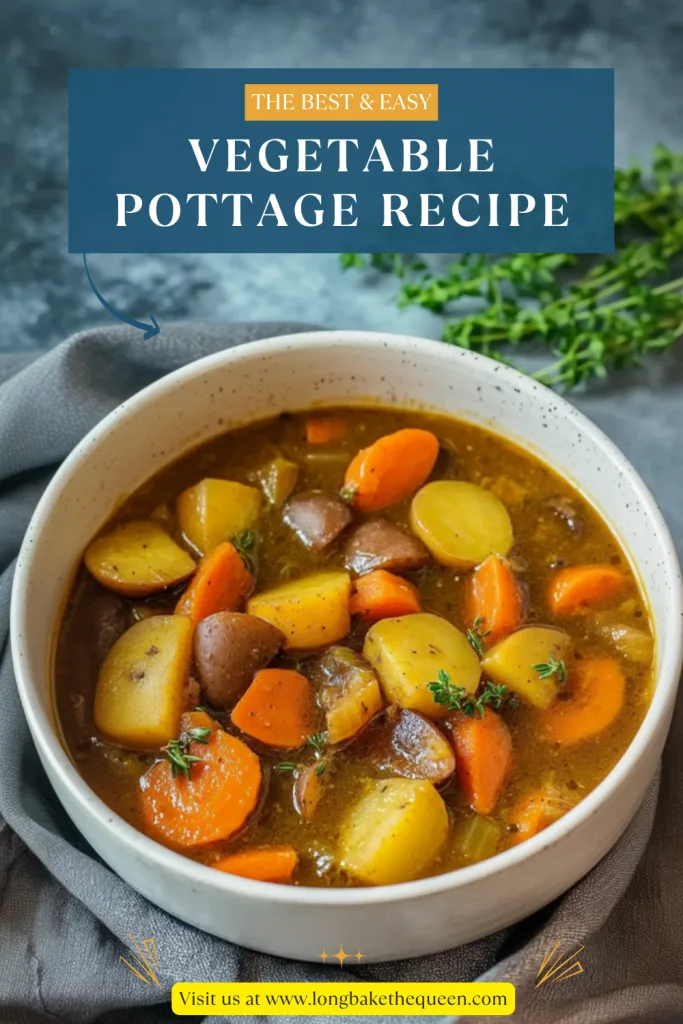
The biggest reason I love this Easy Vegetable Pottage Recipe is that it’s hearty without feeling heavy. The rolled oats thicken the stock and give the pottage a creamy, rustic texture, but there’s no cream or flour needed. It’s thick enough to feel like a meal, but still vegetable-packed and nourishing. Somewhere between soup and stew, which is honestly a very nice place to be.
Another thing that makes this vegetable pottage so useful is how budget-friendly it is. Carrots, onions, cabbage, mushrooms, leeks, root vegetables, oats, and stock are all simple ingredients. Nothing here feels precious. It’s the kind of recipe that lets you look at the vegetable drawer and say, “Okay, we can work with this.” And I love that. Some recipes demand a special trip to the store. This one feels like it’s willing to meet you halfway.
This Easy Vegetable Pottage Recipe also has a lovely old-world comfort to it. Pottage has been around in different forms for ages, and you can kind of feel that in the bowl. It’s food made from what you have, stretched with grains, thickened slowly, seasoned simply. There’s something grounding about that. It doesn’t need to be trendy. It just needs to be warm and good.
And, maybe my favorite part, this easy pottage recipe is very flexible. You can use parsnip or turnip. You can choose whatever mushrooms are around. You can use vegetable stock, chicken stock, or add beans if you want it heartier. It won’t fall apart if you make small changes. Some recipes are bossy. This one is more like, “Sure, toss it in, let’s see what happens.” I appreciate that kind of dinner.
Ingredient Notes
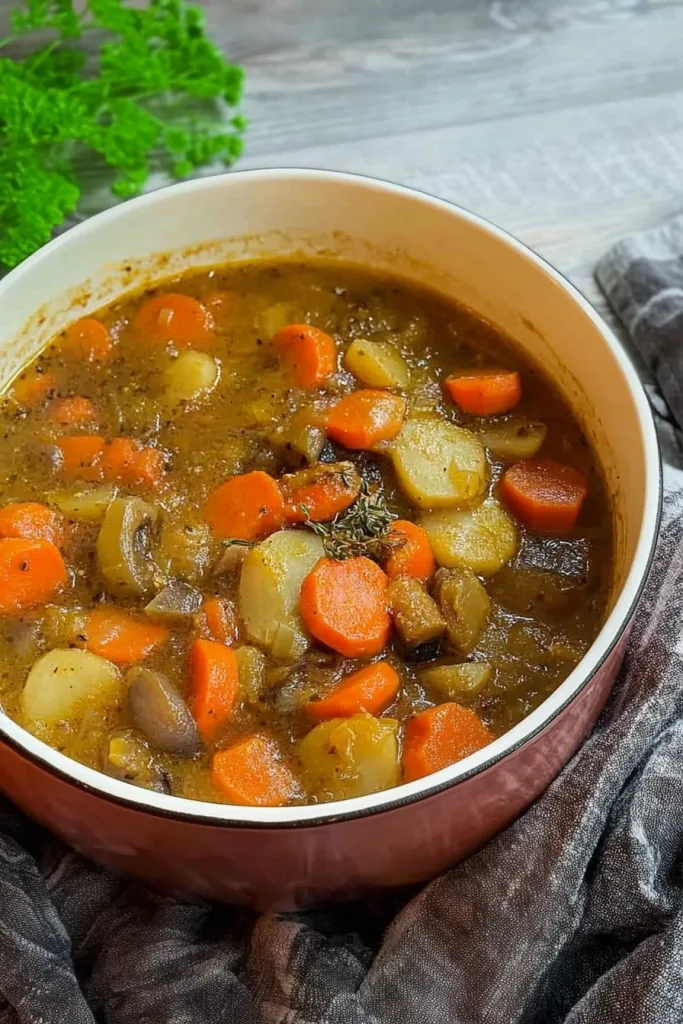
Before we start cooking, let’s talk about what makes this Easy Vegetable Pottage Recipe work. The ingredients are simple, but each one adds something. The carrots bring sweetness, the onion gives flavor, the root vegetable adds earthiness, the leek softens into the broth, the cabbage gives body, the mushrooms bring savory depth, and the oats thicken everything into that cozy pottage texture. It’s humble food, but not boring. Not even close.
- Carrots: Carrots add sweetness, color, and that familiar comforting flavor. Once they simmer in the stock, they soften and help make the broth taste warmer and more rounded. Dice them into fairly even pieces so they cook at the same pace as the other vegetables. Carrots are one of those ingredients that don’t make a big fuss, but you’d miss them if they weren’t there.
- Onion: Onion helps build the base of the pottage. It adds savory sweetness and gives the stock more depth as everything cooks. Cooking it early with the carrots and root vegetable gives it time to soften and lose that sharp raw bite. It’s not the star of the bowl, but it does a lot of quiet work. Very dependable, onion.
- Root vegetable: You can use parsnip or turnip here, and both give the Easy Vegetable Pottage Recipe a slightly different personality. Parsnip is sweeter and a little nutty, while turnip is earthier and has a faint peppery edge. I like both, though I’ll admit parsnip feels a bit softer and sweeter in this pottage. Use what you have. That’s really the spirit of the dish.
- Leek: Leek brings a gentle onion flavor that feels a little sweeter and softer than regular onion. Just make sure to clean it well because leeks are famous for hiding dirt like they’re keeping secrets. Roughly chopping it is fine because it softens as it cooks. It gives the pottage a cozy, mellow flavor that works beautifully with the cabbage and herbs.
- Cabbage: Cabbage makes the pottage feel hearty and old-fashioned. It softens into the stock and adds body without taking over. Roughly chopped cabbage keeps a little texture in each spoonful. I know cabbage doesn’t always get people excited, but in a vegetable pottage like this, it really earns its place. Affordable, filling, and quietly delicious.
- Mushrooms: Mushrooms add savory depth and a slightly meaty flavor, even though this recipe is vegetable-based. Any type will work — button, cremini, portobello, whatever you have. Roughly chop them so they keep some texture. They give the broth a deeper flavor and make the bowl feel more satisfying. Mushrooms are basically the cozy background music here.
- Dried thyme: Thyme adds an earthy, warm flavor that goes so well with vegetables and stock. It gives the pottage that simmered, homey taste without needing a long list of seasonings. A little thyme goes a long way, and in this recipe, it sits nicely with rosemary and sage.
- Dried rosemary: Rosemary brings a woodsy flavor that pairs beautifully with root vegetables and mushrooms. It can be strong, so the recipe uses just enough. You want rosemary to add warmth, not make the pot taste like you boiled a pine branch. A little restraint here is a good thing.
- Ground sage: Sage gives the pottage a soft, savory, old-fashioned flavor. It reminds me a bit of holiday stuffing, but in a quieter way. It works beautifully with thyme and rosemary. Since ground sage is strong, you don’t need much. Just a small amount adds that cozy depth.
- Stock: Stock is the main liquid, so use one that tastes good. Vegetable stock keeps this pottage vegetarian, while chicken stock gives a richer flavor if that’s your preference. Since the recipe is simple, the stock matters more than you might think. A flavorful stock makes the whole pot taste better.
- Bay leaf: Bay leaf adds subtle depth while the pottage simmers. You may not taste it directly, but it rounds out the broth. Just remember to remove it before serving. Biting into a bay leaf is not the rustic charm we’re going for.
- Rolled oats: Rolled oats are what turn this from a simple vegetable soup into a true Easy Vegetable Pottage Recipe. They absorb the stock and thicken the whole pot into a creamy, hearty texture without dairy. If you’ve only used oats for breakfast, this might seem strange at first. I get it. But once they cook into the broth, they make so much sense. Very old-fashioned. Very practical.
- Vinegar: Vinegar goes in at the end, and it wakes everything up. It brightens the earthy vegetables, herbs, and oats so the pottage doesn’t taste dull or too heavy. Just a tablespoon makes a difference. It’s one of those tiny finishing touches that seems optional until you taste what it does.
- Kosher salt and freshly cracked black pepper: Salt and pepper finish the dish. Since stock can vary a lot in saltiness, season near the end and taste as you go. Freshly cracked black pepper adds warmth and a little bite, which is especially nice with the oats and root vegetables.
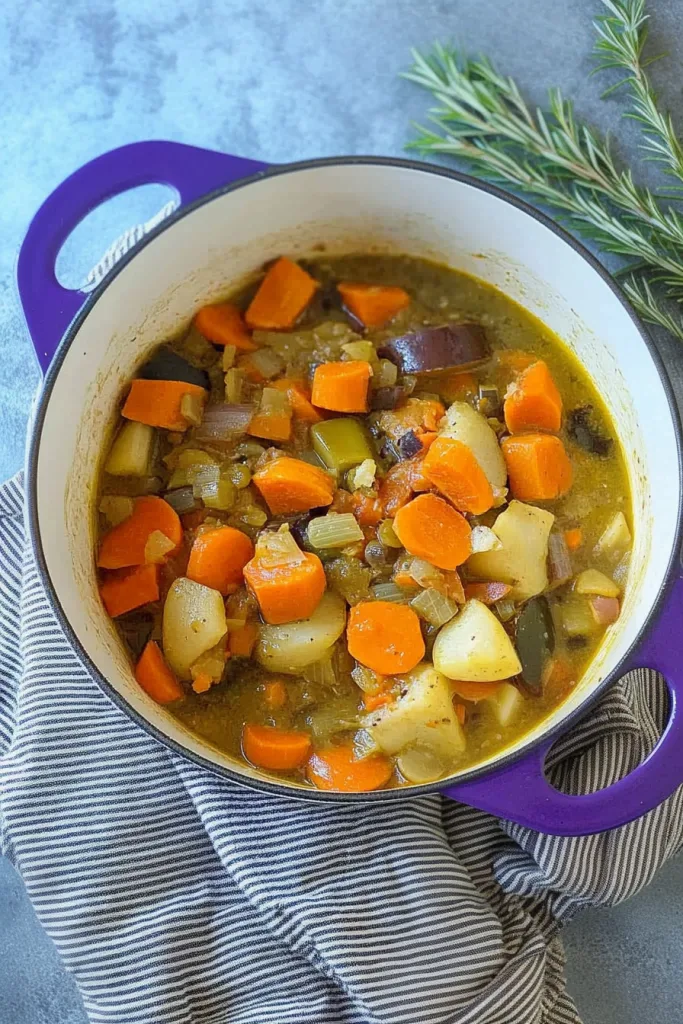
How to Make Easy Vegetable Pottage Recipe?
This Easy Vegetable Pottage Recipe is not complicated, but it does build flavor in stages. You start with the firmer vegetables, then add the softer vegetables and herbs, then simmer everything in stock until tender. The oats go in near the end to thicken the pot, and the vinegar finishes everything with a little brightness. It’s slow, simple cooking. Nothing dramatic. Just a pot becoming dinner.
Step 1: Start with the Firm Vegetables
In a large pot, add the diced carrots, onion, root vegetable, and ¼ cup stock. Cook for about 10 minutes, stirring occasionally. This gives the firmer vegetables a head start and lets them begin softening before the rest of the ingredients join in.
Using a little stock instead of oil keeps this vegetable pottage lighter and lets the vegetables gently cook down. The onion starts to soften, the carrots begin releasing sweetness, and the parsnip or turnip starts adding its earthy flavor. It may not look like much yet, but this is where the base starts. Cozy meals often begin quietly.
Step 2: Add the Softer Vegetables and Herbs
Add the leek, cabbage, mushrooms, dried thyme, dried rosemary, and ground sage. Cook for another 5 minutes, stirring now and then. The vegetables will start to soften, and the herbs will become fragrant.
This is where the pot starts to smell like something good is happening. The mushrooms add savory depth, the cabbage begins to relax into the mixture, and the leek adds gentle sweetness. The herbs make everything feel rustic and warm. It’s not fancy cooking, but it is the kind of cooking that makes the kitchen feel lived in.
Step 3: Add the Stock and Bay Leaf
Pour in the remaining stock and add the bay leaf. Bring the mixture to a boil, then reduce the heat to a simmer. Partially cover the pot and cook for 30 minutes, or until the vegetables are tender and the flavors have had time to come together.
Partially covering the pot lets some steam escape while keeping enough heat inside for a gentle simmer. During this time, the stock takes on the flavor of the vegetables, herbs, mushrooms, and bay leaf. This is the patient part. Not difficult. Just let it do its thing while the house starts smelling cozy.
Step 4: Stir in the Rolled Oats
Stir in the rolled oats and cook uncovered for another 20 minutes. Stir occasionally so the oats don’t settle and stick to the bottom of the pot. As the oats cook, they absorb stock and thicken the pottage.
This step is what gives the Easy Vegetable Pottage Recipe its hearty, rustic texture. The oats soften into the broth and make it feel almost creamy without adding cream. If the pottage gets thicker than you like, add a splash of extra stock or water. Some people like it thick enough to stand a spoon in. Others like it a little looser. You get to decide.
Step 5: Finish with Vinegar, Salt, and Pepper
Remove the bay leaf from the pot. Stir in the vinegar, then season with kosher salt and freshly cracked black pepper to taste. Taste it and adjust until the flavors feel balanced.
The vinegar is small but important. It brightens the vegetables and herbs and keeps the oats from making the pottage taste too flat. Salt brings out all the vegetable flavor, and black pepper adds a little warmth. This is the final little nudge that makes the whole pot taste finished.
Step 6: Serve Warm
Ladle the pottage into bowls and serve warm. The texture should be thick, rustic, and comforting, with tender vegetables and a savory herb broth. If it has thickened too much while sitting, stir in a little more stock or water before serving.
This Easy Vegetable Pottage Recipe is best with something to dip into it — bread, biscuits, toast, whatever you like. It’s not a delicate meal. It’s a warm, humble, fill-your-bowl kind of meal. And honestly, that’s exactly the point.
Storage Options
This Easy Vegetable Pottage Recipe stores well, but it will thicken as it sits because the oats keep absorbing liquid. Let the pottage cool completely before storing it in airtight containers. Keep it in the refrigerator for up to 4 days. When you reheat it, add a splash of stock or water to loosen it back up.
To reheat, warm it in a pot over medium-low heat, stirring often so the oats don’t stick to the bottom. You can also microwave individual portions in short intervals, stirring between each one. Since pottage is thick, gentle reheating works best. You want cozy and hot, not scorched and sad.
You can freeze vegetable pottage, but the texture may change a little after thawing. The vegetables and oats will soften more, so it may be thicker and less chunky. If freezing, place cooled pottage in freezer-safe containers and freeze for up to 2 months. Thaw overnight in the fridge, then reheat with extra stock or water until it reaches the texture you like.
Variations & Substitutions
One of the nicest things about an Easy Vegetable Pottage Recipe is that it’s flexible. Pottage was practically made for using what you have. You can change the root vegetables, add beans, swap herbs, stir in greens, or make it richer if you want. It’s not a precious recipe. It’s more of a “let’s make something warm from what’s here” kind of recipe, which I love.
- Use different root vegetables: Parsnip and turnip work beautifully, but rutabaga, celery root, sweet potato, or regular potato can also be used. Sweet potato makes the pottage sweeter, while rutabaga and turnip keep it earthier. Use what sounds good or what needs to be used before it starts looking suspicious in the drawer.
- Add beans: White beans, chickpeas, or lentils can make this pottage even more filling. Canned beans can go in during the simmering stage, while cooked lentils can be stirred in near the end. This is a great way to add protein and make the dish feel more like a full dinner.
- Try different mushrooms: Button mushrooms are easy, but cremini, shiitake, portobello, or a mixed mushroom blend can add deeper flavor. Mushrooms bring that savory, almost meaty taste, so using a mix can make the pottage feel richer. If you love mushrooms, this is a good place to lean in.
- Make it smoother: If you prefer a creamier texture, blend part of the pottage with an immersion blender. Don’t blend all of it unless you want a very thick soup. Blending just a portion gives the broth more body while keeping some chunky vegetables. Best of both worlds.
- Add greens: Kale, spinach, Swiss chard, or collard greens can be added near the end. Spinach cooks quickly, while kale and collards need a little more time. Greens add color and make the pottage feel even more nourishing. Plus, they help you feel like you made a very responsible dinner.
- Change the herbs: Thyme, rosemary, and sage give this pottage its old-fashioned flavor, but parsley, marjoram, oregano, or extra bay leaf can work too. Dried herbs become stronger as they simmer, so start small. You can always add more, but you can’t really pull rosemary back out once it has taken over.
- Make it richer: If you want a richer bowl, stir in a little butter, olive oil, or cream at the end. It changes the feel of the recipe, but it can be lovely on a cold night. The simple version is hearty on its own, though, so don’t feel like you have to add anything.
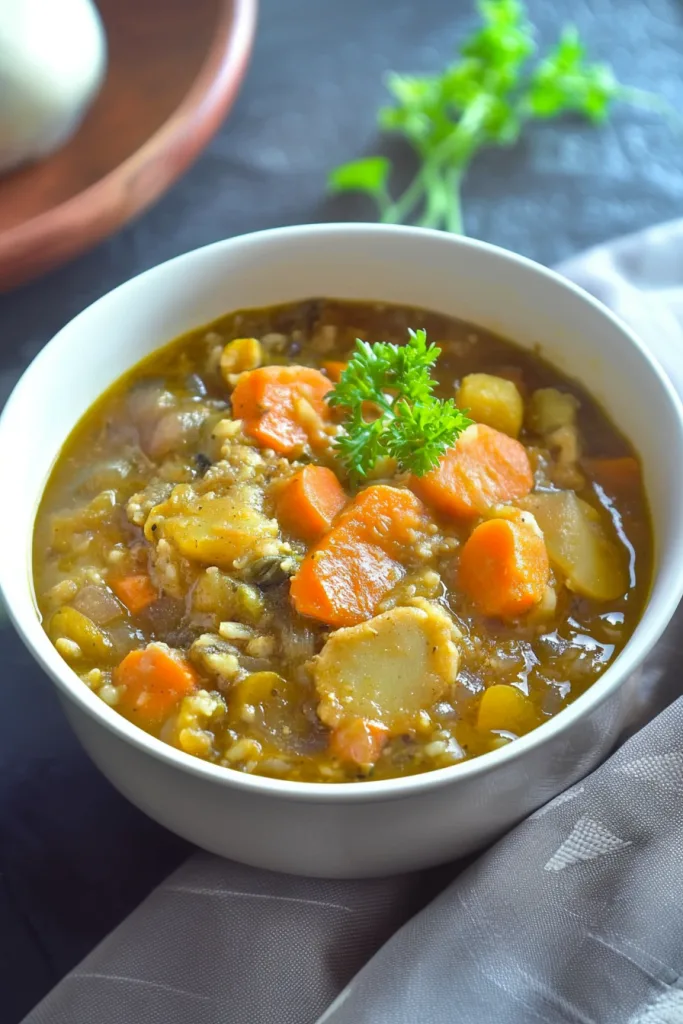
What to Serve With Easy Vegetable Pottage Recipe?
This Easy Vegetable Pottage Recipe can absolutely stand on its own, but a good side makes it even better. Since it’s thick, earthy, and full of vegetables, I like serving it with something crisp, crusty, buttery, or fresh. Bread is the obvious choice because thick pottage practically asks for dipping. Do you agree? A bowl like this needs a sidekick.
- Crusty bread: Crusty bread is perfect with vegetable pottage. Sourdough, a rustic loaf, or a baguette all work well. The bread soaks up the thick broth and makes the meal feel complete. If there’s anything left at the bottom of the bowl, bread knows what to do.
- Biscuits: Soft biscuits are wonderful with pottage. They add a buttery, tender side that feels extra cozy. You can dip them, split them open, or spoon a little pottage over them if you want to go full comfort mode. I support that decision.
- Simple green salad: A crisp salad adds freshness next to the warm, thick pottage. Lettuce, cucumber, radishes, and a light vinaigrette work beautifully. The acidity from the dressing balances the earthy vegetables and oats.
- Cheese toast: Toasted bread with melted cheese makes this meal feel extra satisfying. Cheddar, Gruyère, or Parmesan would all be delicious. The crisp toast and melted cheese are a lovely contrast to the soft pottage. Honestly, cheese toast rarely disappoints.
- Roasted potatoes: Roasted potatoes make the meal heartier. They add crisp edges and a comforting flavor that works well with thyme, rosemary, and sage. Yes, there are already root vegetables in the pot, but potatoes are potatoes. They’re welcome.
- Pickled vegetables: Pickled onions, cucumbers, or beets add a bright, tangy bite. That little bit of acidity cuts through the thickness of the pottage and makes everything taste fresher. It sounds a little unexpected, but it works.
- Apple slices or fruit salad: Fresh apples or a simple fruit salad add sweetness and crunch. Apples pair especially well with root vegetables, cabbage, and herbs. It’s simple, refreshing, and a nice contrast to the warm bowl.
FAQ
Why are rolled oats used in pottage?
Rolled oats thicken the pottage and make it more filling. As they cook, they absorb stock and create a soft, hearty texture without needing cream or flour. It might sound unusual if you only think of oats as breakfast, but they work really well in savory soups and stews.
Can I blend this pottage?
Yes, you can blend part of it if you want a creamier texture. Use an immersion blender and blend just a portion, then stir it back together. That gives you a thicker broth while still keeping some vegetable pieces. It’s a nice middle ground.
Can I add meat to this Easy Vegetable Pottage Recipe?
Yes, you can add cooked chicken, sausage, bacon, or ham if you want a meatier version. Add cooked meat during the simmering stage so it warms through and flavors the broth. The original recipe is vegetable-based, but it can handle additions.
How do I thin pottage if it gets too thick?
If the pottage gets too thick, stir in extra stock or water until it reaches the consistency you like. This is especially helpful when reheating leftovers because the oats keep absorbing liquid as they sit. Add a little liquid, stir, and it should loosen right back up.
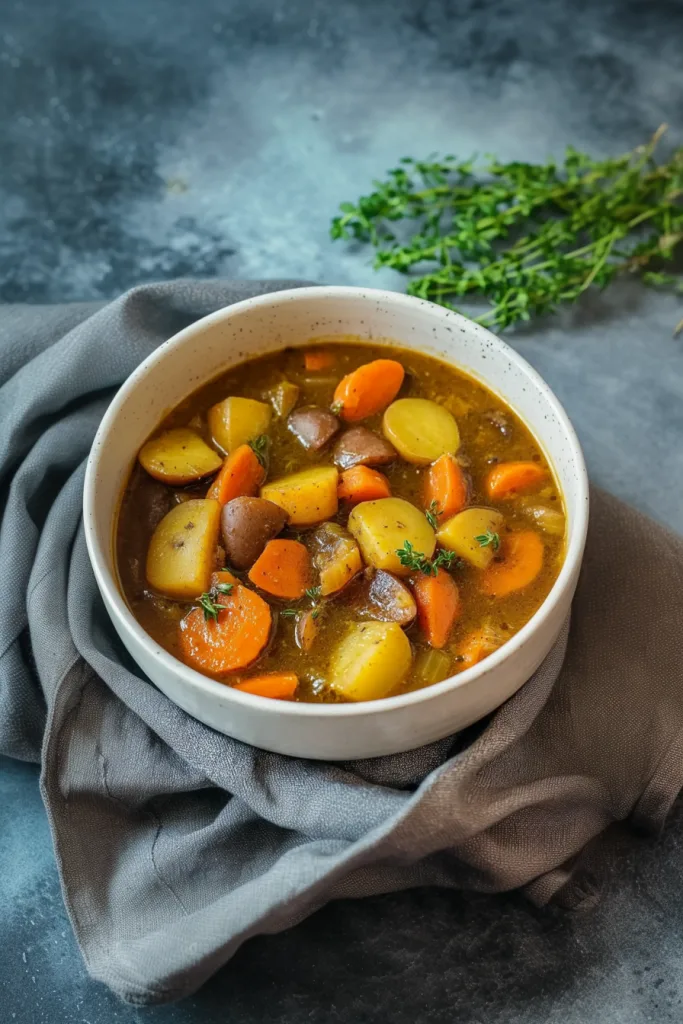
This Easy Vegetable Pottage Recipe is simple, rustic, and cozy in the best way. It takes carrots, onion, root vegetables, leeks, cabbage, mushrooms, herbs, stock, and oats, then turns them into a thick, warm bowl that feels old-fashioned and practical at the same time.
I love that it’s budget-friendly, flexible, and hearty without feeling too heavy. It’s the kind of recipe you can make on a chilly day, serve with bread, and feel like you’re eating something honest and comforting. Nothing fancy. Just good food in a bowl.
So tell me — would you serve this Easy Vegetable Pottage Recipe with crusty bread, biscuits, cheese toast, or a crisp little salad on the side? I’d love to know how you’d make it your own.
Easy Vegetable Pottage Recipe
Ingredients
- 1 c carrots peeled and diced
- 1 c onion diced
- 1 c root vegetable such as parsnip or turnip, peeled and diced
- 1 c leek cleaned and roughly chopped
- 1 c cabbage roughly chopped
- 1 c mushrooms any variety, roughly chopped
- ½ tsp dried thyme
- ½ tsp dried rosemary
- ½ tsp ground sage
- 8 c stock
- 1 bay leaf
- 1 c rolled oats
- 1 tbsp vinegar
- Kosher salt to taste
- Freshly cracked black pepper to taste
Instructions
Step 1: Begin Cooking the Firm Vegetables
- In a large pot, combine the carrots, onion, root vegetable, and ¼ c stock.
- Cook over medium heat for 10 minutes, stirring occasionally, until the vegetables begin to soften.
Step 2: Add the Remaining Vegetables and Herbs
- Add the leek, cabbage, mushrooms, dried thyme, dried rosemary, and ground sage to the pot.
- Stir to combine.
- Cook for an additional 5 minutes, allowing the vegetables to soften slightly and the herbs to become fragrant.
Step 3: Add the Stock and Bay Leaf
- Pour in the remaining stock.
- Add the bay leaf.
- Bring the mixture to a boil.
- Reduce the heat to a simmer, partially cover the pot, and cook for 30 minutes, or until the vegetables are tender.
Step 4: Add the Rolled Oats
- Stir in the rolled oats.
- Cook uncovered for an additional 20 minutes, stirring occasionally, until the oats soften and the pottage thickens.
Step 5: Finish the Pottage
- Remove and discard the bay leaf.
- Stir in the vinegar.
- Season with kosher salt and freshly cracked black pepper to taste.
Step 6: Serve
- Ladle the pottage into bowls.
- Serve warm.
Notes