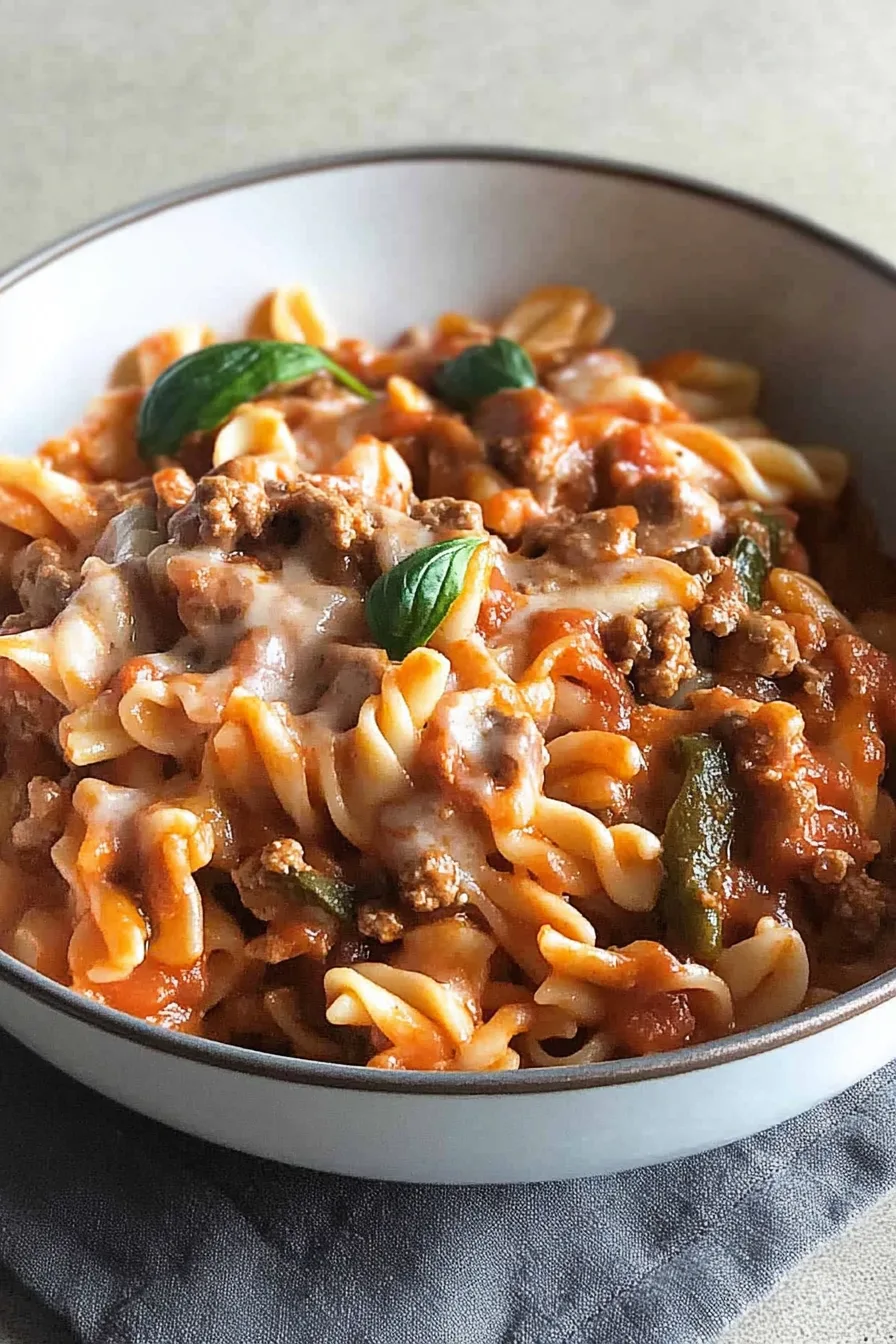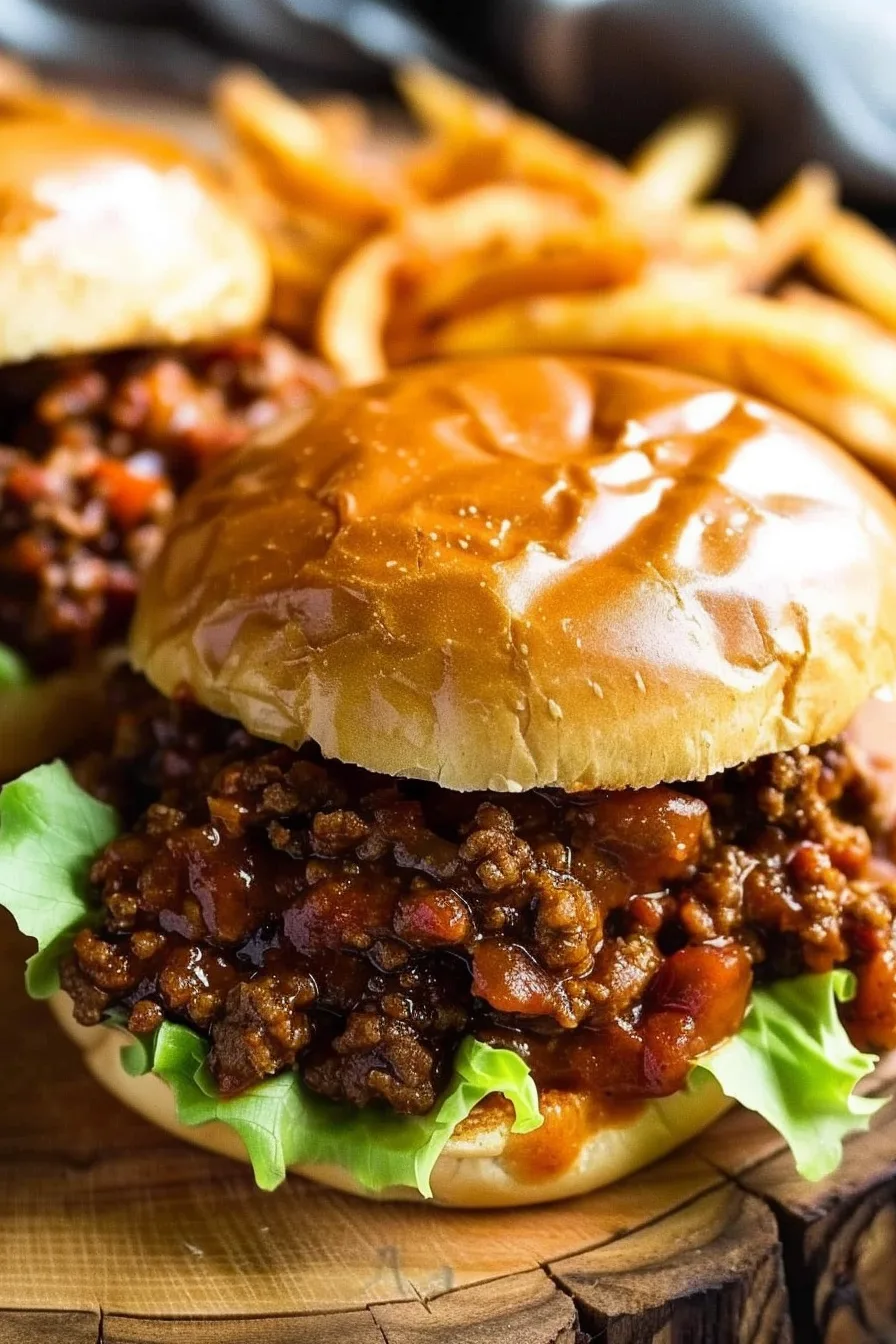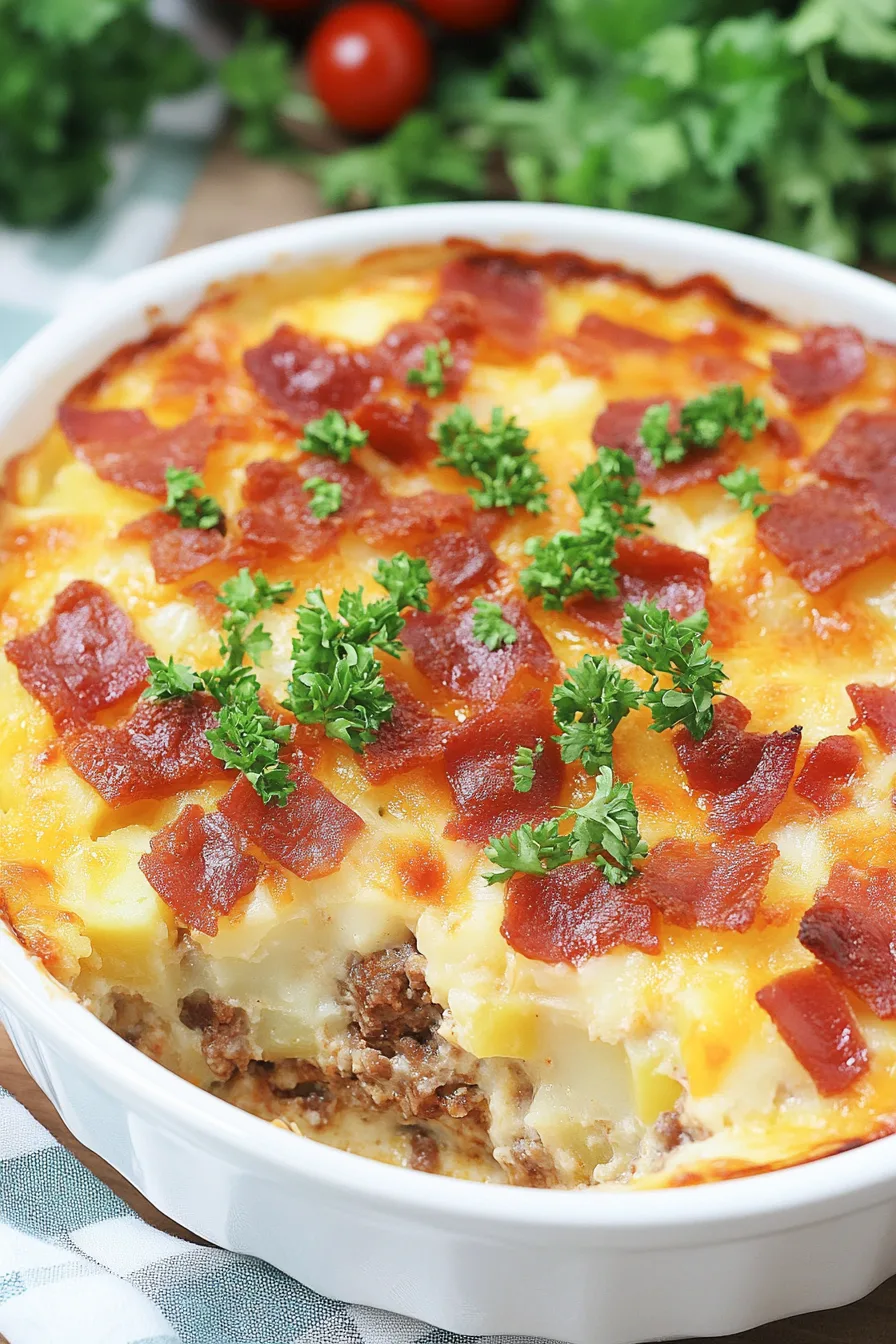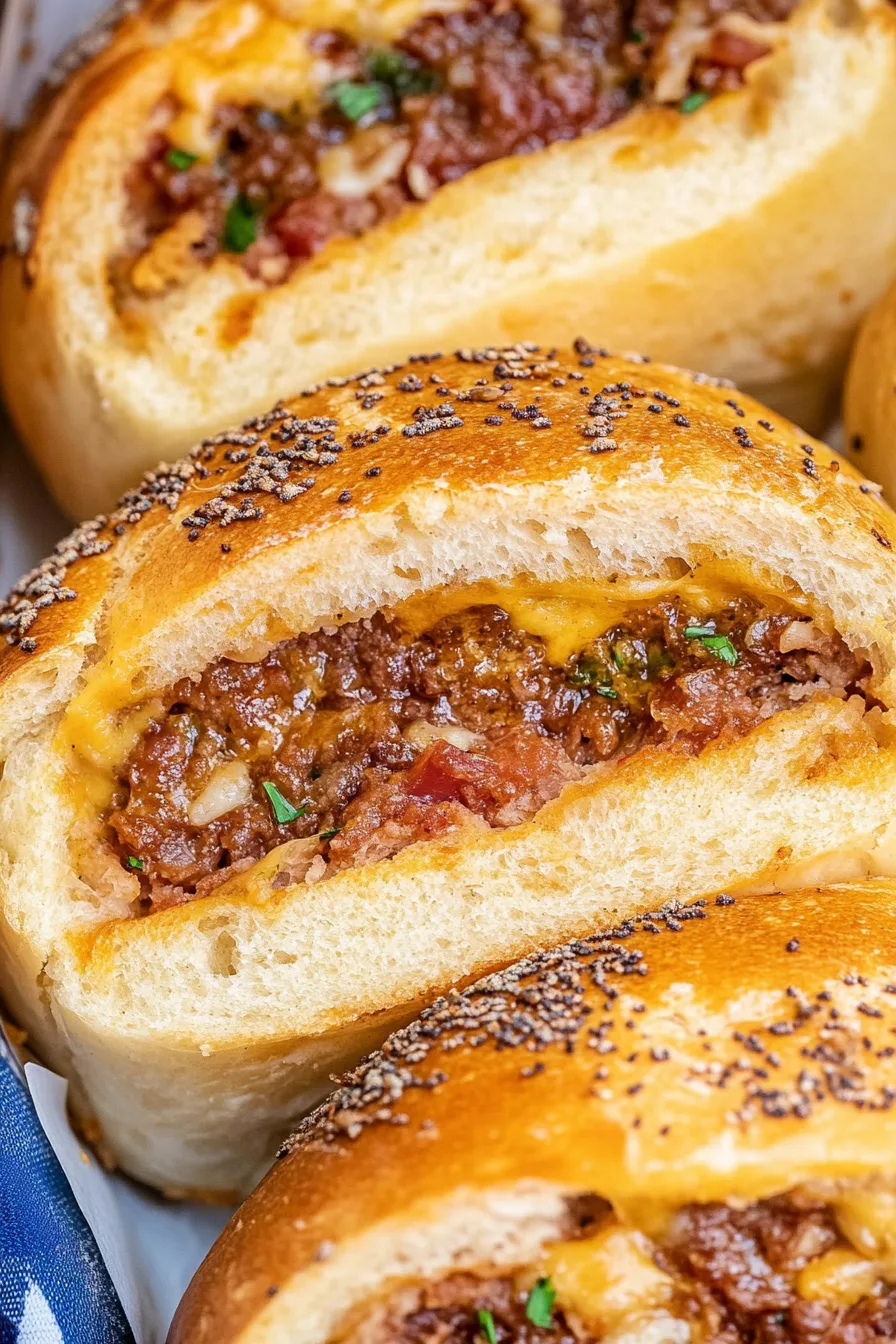
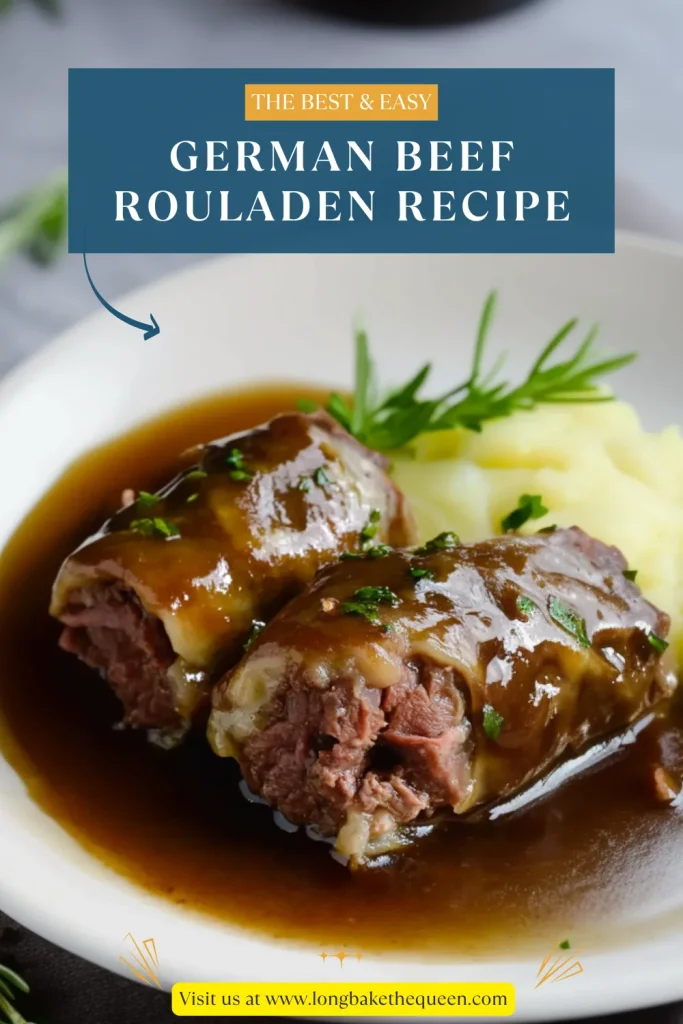
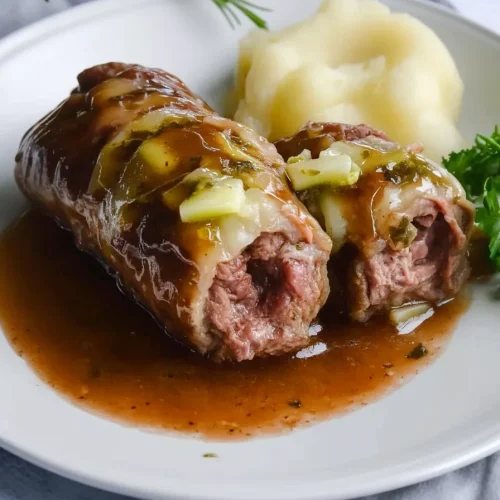
German Beef Rouladen Recipe made with thin beef round steak, German mustard, bacon, dill pickles, onion, beef broth, and pickle juice.
There’s something about a German Beef Rouladen Recipe that feels a little old-world and a little cozy, like the kind of dinner that should be served with a big spoonful of gravy, soft potatoes, and someone at the table saying, “Wait, what’s inside this?” in the best possible way. It’s not your everyday beef dinner, but it’s not impossible either. It just looks fancy because the beef is rolled up with mustard, bacon, onions, and dill pickles, which is honestly a pretty clever move if you ask me.
This German Beef Rouladen Recipe uses thin slices of beef top round, spicy brown German mustard, bacon, dill pickles, onion, beef broth, pickle juice, and a quick cornstarch gravy. The beef is rolled, browned, baked until tender, and then served with a savory sauce made from all those browned bits and beef juices left in the skillet. And let me just say, those browned bits are not “stuck-on mess.” They are flavor treasure. Very important distinction.
I know beef rouladen can sound a little intimidating if you’ve never made it before. Maybe it feels like something only someone’s German grandmother could pull off while also making spaetzle from memory and somehow keeping the kitchen spotless. But once you break it down, this homemade beef rouladen is really manageable. Spread, layer, roll, brown, bake, gravy. That’s the whole story. A delicious story, yes, but still one you can absolutely handle.
The first time I tried German Beef Rouladen, I was honestly unsure about the pickle part. I’m not proud of my doubt, but there it is. Beef with mustard and bacon made perfect sense to me. Onion? Absolutely. But dill pickles rolled inside beef? I had to pause for a second. It felt like the recipe had taken a little left turn and said, “Trust me.” And, as it turns out, I should have trusted it sooner.
I remember taking that first bite and thinking, “Oh. Okay. Now I get it.” The pickle didn’t taste random at all. It brought this bright, tangy flavor that balanced the rich beef and smoky bacon. The mustard added a little sharpness, the onion softened into the filling, and the gravy wrapped everything together like a warm blanket. Not a fancy silk blanket. More like the slightly worn, cozy one you always grab from the couch. You know the one.
This German Beef Rouladen Recipe reminds me of the kind of meal that shows up at family gatherings where everyone talks over each other, the side dishes are crowded onto the table, and somebody is definitely asking for more gravy before everyone has even sat down. It has that Sunday-supper feeling. It’s a little nostalgic, even if you didn’t grow up eating it. Some foods just carry that energy, don’t they?
And I’ll be real with you: rolling the first piece of beef might feel awkward. Mine usually does. Maybe a pickle slice tries to slide out. Maybe the onion pokes through like it’s waving for help. Maybe your toothpick angle is, let’s say, creative. That’s fine. By the third roll, you’ll probably feel much better. And once the rouladen are browned and smothered in gravy, nobody is going to ask whether each roll was perfectly symmetrical. They’ll be too busy eating.

Why you’ll Love this German Beef Rouladen Recipe?
It has bold comfort-food flavor without feeling boring. This German Beef Rouladen Recipe brings together tender beef, spicy brown mustard, smoky bacon, sharp dill pickles, sweet onion, and savory beef gravy. That sounds like a lot, I know, but it works because each ingredient balances the next one. The beef is rich, the bacon is salty, the mustard wakes everything up, and the pickle adds just enough tang so the whole dish doesn’t feel heavy. It’s comfort food with a little personality. Like a cardigan with good gossip.
It feels special, but it’s not as hard as it looks. Beef rouladen has a dinner-party look, but the steps are actually pretty simple. You spread mustard on thin beef, add bacon, pickles, and onions, roll it up, brown the rolls, bake them until tender, and make gravy in the same skillet. That’s it. The first roll might be a little wonky, sure, but homemade food is allowed to have character. Honestly, I trust slightly imperfect food more sometimes. It looks like someone actually made it.
The gravy is made from the best part of the skillet. After the German beef rouladen bakes, the skillet is full of beef juices, broth, pickle juice, and browned bits from searing the rolls. That is exactly what makes the gravy taste rich and savory. You scrape it up, whisk in a cornstarch mixture, season it, and suddenly you’ve got a glossy sauce that tastes like it took more effort than it did. I love when cooking gives you that little reward.
It’s a wonderful meal for holidays, Sunday dinner, or cozy nights. This traditional-style German Beef Rouladen Recipe feels special enough for a holiday table, but it also works beautifully for a slow weekend dinner. It pairs with mashed potatoes, spaetzle, egg noodles, red cabbage, roasted vegetables, or crusty bread. Basically, if it can hold gravy, it belongs nearby. The dish has that old-fashioned “sit down and stay awhile” feeling, which I think we need more of.
It’s a recipe with history and heart. Even if this beef rouladen recipe isn’t from your own family tradition, it still feels like the kind of dish that carries stories. Rolled beef, mustard, bacon, pickles, gravy — these are humble ingredients, but they turn into something memorable. It’s not trendy food. It’s not trying to be Instagram-perfect. It’s hearty, a little quirky, and deeply comforting. And sometimes that’s exactly the meal you want.
Ingredient Notes
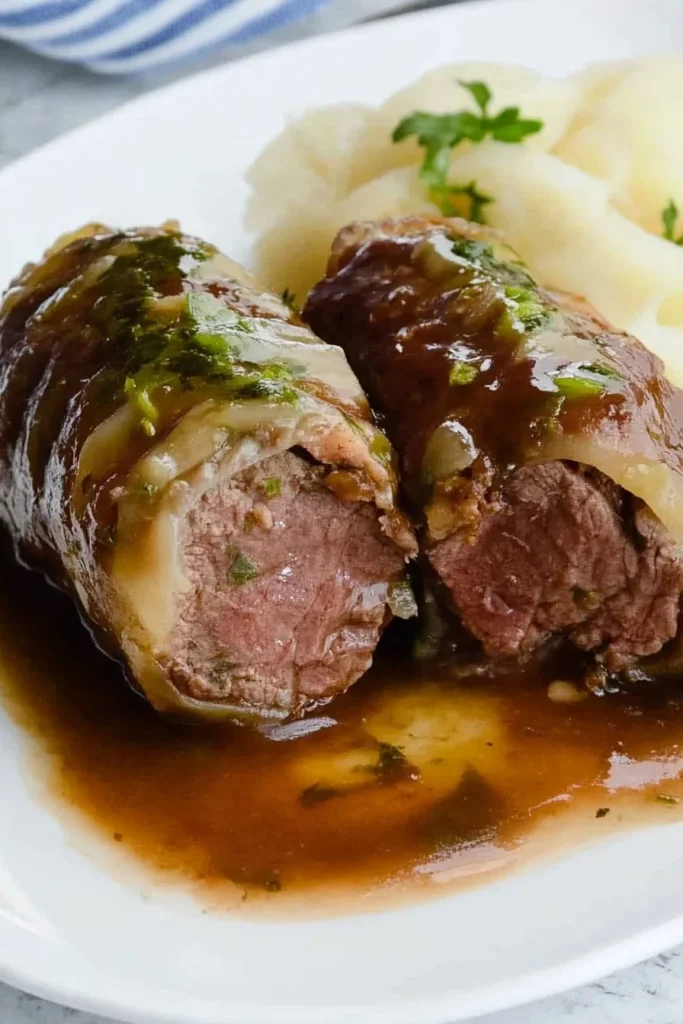
The ingredients in this German Beef Rouladen Recipe are simple, but they each bring something important to the table. The beef holds the filling, the mustard gives it bite, the bacon brings smoky richness, the pickles add tang, and the onions soften into the rolls as they bake. Then the broth, pickle juice, and pan drippings turn into a gravy that makes the whole thing feel complete. It’s one of those recipes where you read the ingredient list and think, “Hmm, okay,” and then you taste it and think, “Ohhh, that’s why.”
- Beef top round roast: Thinly sliced beef top round is the base of this German Beef Rouladen Recipe. The slices need to be very thin so they can roll easily and become tender as they bake. If your beef is too thick, it might fight you a little, and nobody wants to wrestle dinner. You can ask the butcher to slice the beef thin for rouladen, or gently pound the slices at home until they’re easier to roll. They don’t have to be perfect rectangles. Actually, they probably won’t be. That’s okay.
- Spicy brown German mustard: German mustard gives beef rouladen its sharp, tangy flavor. You spread it directly over the beef, so every bite gets a little warmth and zip. I prefer spicy brown German mustard here because it has more depth than plain yellow mustard. You don’t need a thick layer, just enough to coat the surface. Too much mustard can take over, and this recipe is more of an ensemble cast. The mustard is important, but it doesn’t need to shout.
- Bacon: Bacon adds smoky, salty richness inside each roll. It flavors the beef from the inside as the rouladen bake, which is kind of brilliant. One slice of bacon per beef slice works well. If your bacon is very thick, it may be harder to roll, so thinner bacon can be easier to work with. The bacon won’t get crispy inside the rouladen, and that’s okay. Its job here is flavor, not crunch. Bacon understands the assignment.
- Dill pickles: Dill pickles are the ingredient that might make new rouladen cooks hesitate. I get it. But in this German beef rouladen recipe, they really do belong. The pickles add brightness and cut through the richness of the beef and bacon. Slice them thin so they tuck into the rolls without causing drama. The flavor mellows as it bakes, so you don’t end up with “pickle beef.” You end up with savory, tangy, balanced beef rolls. Big difference.
- Onion: Thinly sliced onion adds sweetness and depth. As the rouladen bake, the onion softens and blends into the mustard, bacon, and pickle filling. Keep the slices thin so they roll easily. If you love onion, you can add a little extra, but try not to overstuff the beef. Overfilled rouladen are like overpacked suitcases — technically possible, but suddenly everything becomes harder.
- Butter and vegetable oil: Butter adds flavor, and vegetable oil helps keep the butter from burning too quickly while you brown the rouladen. This combo gives the beef rolls better color and helps create those flavorful browned bits in the skillet. And those bits matter because they become part of the gravy later. So when the bottom of the pan looks a little rough after browning, don’t panic. That’s not a disaster. That’s dinner building character.
- Low-sodium beef broth: Beef broth creates the cooking liquid and the base of the gravy. Low-sodium broth is a good choice because the bacon, mustard, pickles, and pickle juice already bring salt. Starting with low-sodium broth lets you taste and adjust at the end instead of accidentally making the gravy too salty. I’ve done that before with sauces, and it’s always a humbling kitchen moment.
- Dill pickle juice: Pickle juice adds tang and brightness to the gravy. It might sound a little odd if you’re new to German Beef Rouladen, but it ties the sauce back to the pickles inside the rolls and balances the richness of the beef. You only need a small amount. It’s not there to make the gravy taste like a pickle jar. It’s there to wake it up.
- Cornstarch: Cornstarch thickens the gravy quickly and gives it a smooth, glossy texture. Mix it with a little beef broth before adding it to the skillet so it doesn’t clump. This is one of those simple tricks that makes sauce-making less stressful. Nobody wants little cornstarch pebbles floating around in their gravy. We are aiming for cozy, not confusing.
- Salt, pepper, and optional sugar: Salt and pepper finish the sauce, but taste before adding too much salt because the bacon, broth, mustard, and pickles already bring plenty of seasoning. A pinch or two of sugar is optional, and I know that might sound strange, but it can soften the tang from the mustard and pickle juice. You’re not making sweet gravy. You’re just smoothing the edges a bit.
How to Make German Beef Rouladen Recipe?
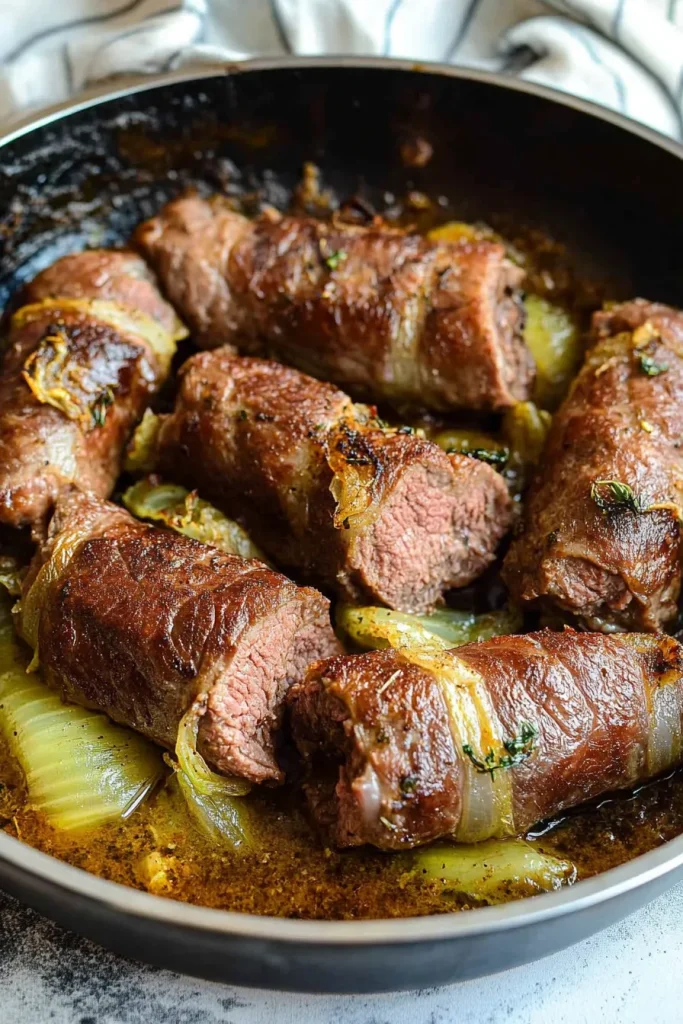
Making this German Beef Rouladen Recipe is easier if you set everything up before you start. Lay out the beef, mustard, bacon, pickles, onions, toothpicks, and skillet. Once the ingredients are ready, the process feels pretty smooth. It’s basically filling, rolling, browning, baking, and making gravy. There are a few steps, yes, but none of them are complicated. And honestly, once you smell the beef browning in butter and oil, you’ll start feeling very confident. Maybe too confident. That’s when I usually splash something.
Step 1: Preheat the oven. Preheat your oven to 350°F. The rouladen will finish cooking in the oven after they are browned, so it helps to have the oven ready before you start. The slow oven heat gives the beef time to tenderize and lets the bacon, mustard, onions, and pickles flavor the inside of each roll. It’s not a recipe you rush, but it also doesn’t need constant attention. That’s a nice balance.
Step 2: Lay out the beef slices. Spread the thin beef slices on a clean work surface. If any pieces are too thick, gently pound them thinner with a meat mallet. The beef should be thin enough to roll without cracking or bulging awkwardly. Pat the slices dry if needed so the mustard spreads more easily. This is the moment where the recipe starts looking a little like a craft project, but don’t worry. It ends in gravy, which is much better than glitter.
Step 3: Spread on the mustard. Coat each slice of beef with a thin layer of spicy brown German mustard. You want enough to flavor the meat, but not so much that it squeezes out everywhere when you roll it. The mustard is what gives this German Beef Rouladen Recipe that classic sharp flavor. It works with the pickle juice later in the sauce, creating that tangy-savory balance rouladen is known for.
Step 4: Add bacon, pickles, and onions. Place one slice of bacon over each mustard-coated beef slice. Add thin slices of dill pickle and onion on top, leaving the last couple inches of beef free of filling. That empty space helps the roll close more neatly. If you fill the whole thing edge to edge, the pickles may try to escape. Pickles are slippery little troublemakers, apparently.
Step 5: Roll and secure each rouladen. Start rolling from the end with the filling. Roll tightly, tucking in the pickles and onions as you go. Once the beef is fully rolled, secure it with a toothpick. Repeat with the remaining slices. Don’t worry if the rolls are not identical. They’re handmade, and handmade food gets to have a little personality. Just make sure they’re secure enough to stay together during browning and baking.
Step 6: Brown the beef rolls. Heat the butter and vegetable oil in a large ovenproof skillet over medium heat. Add the rouladen and brown them on all sides, turning carefully. This step adds flavor to the meat and creates the browned bits that will help make the gravy delicious. Don’t rush this part too much. A good sear gives the finished German beef rouladen deeper flavor. Pale beef rolls just don’t have the same cozy energy.
Step 7: Add beef broth and pickle juice. Pour 1 cup of low-sodium beef broth and the dill pickle juice into the skillet. The liquid will loosen the browned bits from the bottom and create the braising liquid for the rouladen. The pickle juice adds brightness and balances the richness from the beef and bacon. It may smell strong right away, but it mellows as everything cooks. Trust the process a little here.
Step 8: Cover and bake. Cover the skillet tightly with aluminum foil and place it in the oven. Bake for 1 1/2 to 2 hours, or until the beef is fork-tender. The exact time can depend on how thin your beef slices are, so check for tenderness instead of only watching the clock. If the rouladen need more time, give them more time. Beef sometimes has its own schedule. Annoying, but true.
Step 9: Remove the rouladen from the skillet. Carefully remove the skillet from the oven and transfer the rouladen to a plate. Keep them warm while you make the gravy. Be gentle, because the rolls should be tender by now. Also, do not forget to remove the toothpicks before serving. I feel like this is obvious, but also, let’s say it anyway. No one wants dinner with a hidden wooden surprise.
Step 10: Make the gravy. Place the skillet on the stovetop over medium heat. Scrape the bottom of the pan to loosen all the browned bits and juices. In a small bowl, whisk the remaining 1/4 cup beef broth with the cornstarch until smooth. Whisk that mixture into the skillet and cook until the gravy thickens. It should turn glossy and spoonable pretty quickly. This is the moment where everything starts looking like a proper dinner.
Step 11: Season the gravy. Taste the gravy and season it with salt and pepper. Add 2 to 3 pinches of sugar if the sauce tastes a little too sharp from the mustard and pickle juice. This part is personal. Some people like that bright tang. Some people prefer it softer. I usually add just a tiny pinch and taste again. Cooking is mostly adjusting, honestly. The recipe gives you a road map, but your taste buds get a vote too.
Step 12: Return the rouladen and serve. Add the rouladen back to the skillet and simmer gently until warmed through. Spoon the gravy over the top so the rolls are nicely coated. Serve this German Beef Rouladen Recipe warm with mashed potatoes, spaetzle, egg noodles, red cabbage, or crusty bread. And please, serve extra gravy on the side if you can. Someone will want it. That someone might be you.
Storage Options
Refrigerator storage: Let the cooked German Beef Rouladen cool before placing it in an airtight container. Store the rolls with the gravy in the refrigerator for 3 to 4 days. Keeping the rouladen in the sauce helps the beef stay moist, and the flavor often gets even better overnight. I always love leftovers that taste like I planned something clever, even if I was just too full to finish dinner the first time.
Freezer storage: This German Beef Rouladen Recipe can be frozen for 2 to 3 months. Let the beef rolls and gravy cool completely, then transfer them to freezer-safe containers. Freeze them with some gravy so the meat doesn’t dry out. When you’re ready to eat, thaw overnight in the refrigerator before reheating. The texture should hold up well, especially if the rouladen were cooked until tender but not falling apart.
Reheating on the stovetop: Place the rouladen and gravy in a skillet or saucepan over low to medium-low heat. Cover and warm gently, spooning the gravy over the beef as it heats. Add a splash of beef broth if the gravy is too thick. Keep the heat gentle because high heat can make the meat tough. Slow reheating keeps the rouladen tender, and it gives the gravy time to loosen back up.
Reheating in the oven: Place the rouladen and gravy in an oven-safe dish, cover with foil, and warm at 300°F until heated through. Add a little broth if the sauce seems too thick. This method is great when you’re reheating several rolls at once. It takes a bit longer than the microwave, but the texture is usually better. Worth it if you have the time.
Reheating in the microwave: For a quick single serving, place one rouladen with gravy in a microwave-safe dish and cover it loosely. Heat in short intervals, spooning gravy over the beef between each one. The microwave is not always fancy, but it is practical, and some days practical wins. Just make sure the rouladen is heated through before serving.
Variations & Substitutions
This German Beef Rouladen Recipe has classic flavors, but there’s still room to adjust it depending on what you have or what your family likes. The heart of the dish is thin beef rolled with mustard, bacon, pickles, and onions, then cooked until tender and served with gravy. If you keep that basic idea, you can make a few swaps without losing the comfort-food soul of the recipe. Home cooks have always adapted recipes, right? That’s half the fun.
- Use a different cut of beef: Top round is a common choice for German beef rouladen because it slices thin and rolls well. Bottom round or flank steak can also work if sliced thinly and pounded evenly. The most important thing is the thickness. Thick beef is harder to roll and takes longer to become tender. If you’re buying from a butcher, ask for beef sliced for rouladen. That one sentence can save you a lot of kitchen effort.
- Try a different mustard: Spicy brown German mustard gives the most classic flavor, but Dijon mustard can work if that’s what you have. Whole grain mustard adds a little texture and a slightly different bite. Yellow mustard is milder and will change the flavor, but if it’s all you have, it can still bring some tang. Would I choose German mustard first? Yes. Would I cancel dinner over mustard? Probably not.
- Adjust the pickle flavor: Dill pickles are traditional in this German Beef Rouladen Recipe, but you can use fewer slices if you want a milder flavor. Avoid sweet pickles unless you specifically like a sweeter filling, because they change the whole personality of the dish. That said, if your family has always made rouladen with a certain pickle, follow the family rule. Some food traditions are not worth arguing with.
- Add more onion: If you love onion, you can add a little more to the filling, but keep it thinly sliced. Too much filling makes the rouladen harder to roll and secure. Another option is adding extra onion to the skillet before baking so it flavors the gravy without stuffing the beef too full. That gives you more onion flavor with less wrestling.
- Use flour instead of cornstarch for the gravy: Cornstarch makes the gravy quick and glossy, but flour can also be used if you prefer a more traditional texture. If using flour, whisk it into a little broth until smooth, or cook it briefly in the pan drippings before adding more liquid. Cornstarch is easier and fast, but flour gives the sauce a slightly different body. Both work, so choose your gravy mood.
- Make the gravy richer: For a deeper sauce, add a splash of red wine or a small amount of Worcestershire sauce. Just don’t go too heavy because you still want the mustard, pickle juice, bacon, and beef to shine. This beef rouladen recipe has a very specific balance, and too many extras can muddy it. A little boost is nice. A full makeover? Maybe not necessary.
- Make it without bacon: Bacon adds smoky richness, but you can leave it out if needed. The rouladen will taste lighter and less smoky, so you may want to add a pinch of smoked paprika or extra seasoning. It won’t be exactly traditional, but it can still be good. Sometimes dinner has to work with real-life needs, and that’s okay.
What to Serve With German Beef Rouladen Recipe?
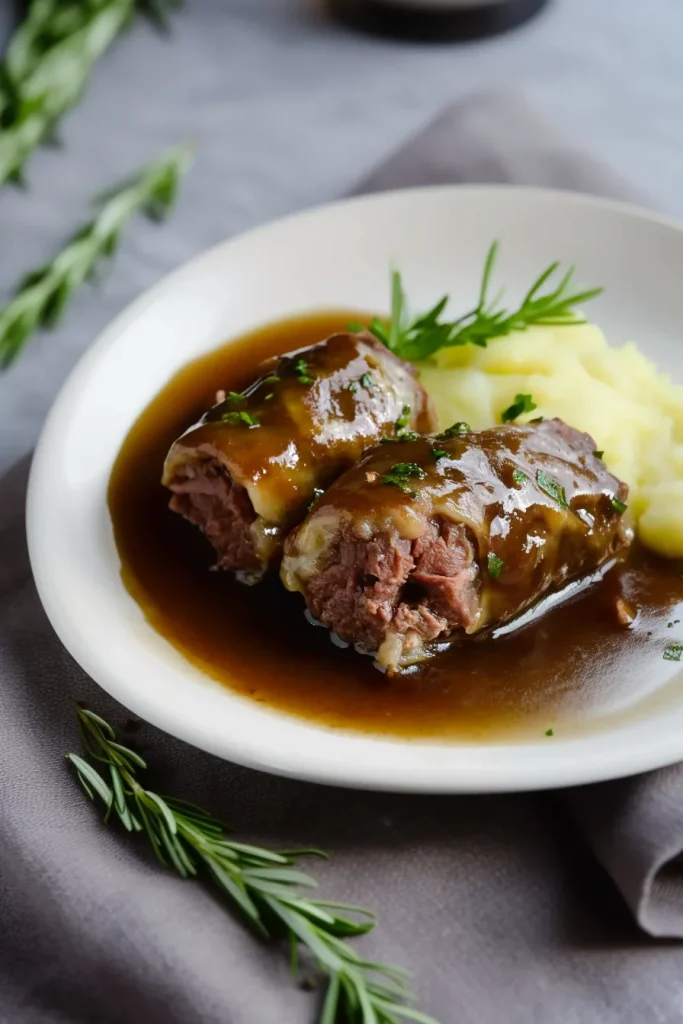
This German Beef Rouladen Recipe loves a side dish that can soak up gravy. That’s the main rule. The rouladen are rich, savory, and tangy, so soft potatoes, noodles, cabbage, or simple vegetables all work well. I like sides that make the meal feel hearty but not overly complicated. Because after rolling beef and making gravy, I’m not trying to also perform a side-dish circus.
- Mashed potatoes: Mashed potatoes are probably my favorite pairing with German Beef Rouladen. They’re creamy, simple, and basically built for gravy. Spoon a rouladen and plenty of sauce over a mound of potatoes, and you have a plate that feels like cold-weather comfort at its finest. Add butter, a little milk, maybe sour cream if you like them richer. Nothing too fussy needed.
- Spaetzle: Spaetzle is a classic German side dish and a wonderful match for rouladen. These little egg noodles catch the gravy beautifully, which is exactly what you want. Homemade spaetzle is lovely if you’re up for it, but store-bought is perfectly fine. I am very pro-shortcut when the main dish already took some love and rolling.
- Red cabbage: German red cabbage adds a sweet-tangy contrast that balances the richness of the beef, bacon, and gravy. It also adds gorgeous color to the plate, which is helpful because beef and gravy are delicious but not exactly colorful superstars. The cabbage makes the whole meal feel more complete and a little brighter.
- Buttered egg noodles: Buttered egg noodles are simple, comforting, and very good with this German Beef Rouladen Recipe. They soak up the gravy without competing with the filling. This is one of those sides that feels easy but still satisfying. If you want a cozy plate without making mashed potatoes, egg noodles are a great choice.
- Roasted vegetables: Roasted carrots, Brussels sprouts, green beans, or parsnips pair nicely with beef rouladen. Roasting brings out sweetness and gives the meal a little texture. Keep the seasoning simple so the vegetables don’t fight with the mustard, pickle, and gravy flavors. A little salt, pepper, and oil is usually enough.
- Crusty bread: Crusty bread is always a good idea when gravy is involved. Use it to mop up the sauce at the end of the meal. Is that very formal? Not really. Is it one of life’s small joys? Absolutely. If there is gravy left on the plate, bread should be nearby. I don’t make the rules. Well, maybe I do a little.
- German potato salad: Warm German potato salad is another flavorful side for beef rouladen. Its tangy dressing echoes the mustard and pickle flavors in the rolls, which makes the whole meal feel connected. If you want something a little different from mashed potatoes, this is a great option. It’s especially nice for an Oktoberfest-style dinner at home.
FAQ
What cut of beef is best for rouladen?
Thinly sliced top round is one of the best choices for German beef rouladen because it rolls easily and becomes tender with slow cooking. Bottom round or flank steak can also work if sliced thin and pounded evenly. The key is thin beef. If the slices are too thick, the rouladen will be harder to roll and may take longer to tenderize.
Why is my rouladen tough?
Rouladen can be tough if the beef slices are too thick or if they haven’t cooked long enough. The beef needs slow cooking to become tender. If your rouladen are still firm after the baking time, cover them and continue cooking until they are fork-tender. It’s annoying when you’re hungry, I know, but more time usually fixes it.
Can I cook German Beef Rouladen on the stovetop?
Yes, you can cook German beef rouladen on the stovetop. After browning the rolls, add the beef broth and pickle juice, cover the skillet, and simmer gently over low heat until tender. Stir occasionally and check the liquid level. The oven method is easy and steady, but stovetop cooking works if you keep the heat low.
How do I keep rouladen from unrolling?
Roll each piece tightly from the filled end and secure it with a toothpick. Leaving the last couple inches of beef free from filling helps the roll close better. Kitchen twine also works if you prefer it. And if one roll still looks a little messy, don’t panic. Gravy hides many things.
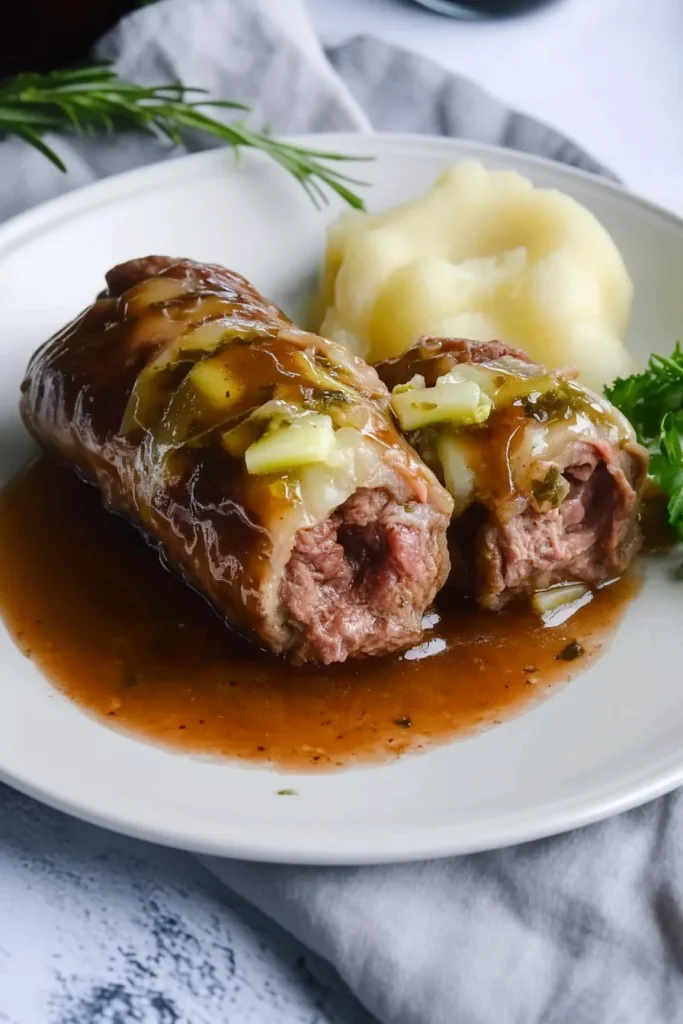
This German Beef Rouladen Recipe is one of those dinners that feels like it has a little story tucked inside it. Literally, I guess, since the beef is rolled around bacon, mustard, onions, and pickles. It’s rich, tangy, savory, comforting, and just a bit unexpected if you’re new to it. And that’s what makes it memorable.
It’s not a rushed meal, but it’s not difficult either. It just asks you to slow down for a little while, roll up the beef, brown it well, and let the oven do the quiet work. Then the gravy brings everything together, as gravy usually does. So tell me — have you tried German beef rouladen before, or is this the recipe that finally gets you rolling?
German Beef Rouladen Recipe
Ingredients
- 8 slices beef top round roast sliced very thin
- 1/4 cup spicy brown German mustard
- 8 slices bacon
- 2 –3 dill pickles thinly sliced
- 1 small onion thinly sliced
- 1 tbsp butter
- 1 tbsp vegetable oil
- 1 1/4 cups low-sodium beef broth divided
- 1/4 cup dill pickle juice
- 2 tbsp cornstarch
- Salt and pepper to taste
- 2 –3 pinches sugar to taste, optional
Instructions
- Preheat the oven to 350°F.
- Arrange the thin slices of beef top round roast on a clean work surface.
- Spread each slice of beef with a thin, even layer of spicy brown German mustard.
- Place 1 slice of bacon on top of each mustard-coated beef slice.
- Add thinly sliced dill pickles and thinly sliced onion over the bacon, leaving the last few inches of each beef slice free of filling.
- Starting at the filled end, roll each beef slice tightly, tucking the pickles and onions inside as the beef is rolled.
- Secure each rolled beef piece with a toothpick.
- Repeat the process until all beef slices are filled, rolled, and secured.
- Heat the butter and vegetable oil in a large ovenproof skillet over medium heat.
- Add the beef rolls to the skillet.
- Brown the rouladen on all sides, turning carefully to maintain their shape.
- Once browned, add 1 cup low-sodium beef broth and the dill pickle juice to the skillet.
- Cover the skillet tightly with aluminum foil.
- Transfer the covered skillet to the preheated oven.
- Bake for 1 1/2 to 2 hours, or until the beef is fork-tender.
- Carefully remove the skillet from the oven.
- Transfer the rouladen to a plate and keep warm.
- Place the skillet with the cooking liquid on the stovetop over medium heat.
- Scrape the bottom of the skillet to loosen any browned bits.
- In a small bowl, whisk together the remaining 1/4 cup low-sodium beef broth and the cornstarch until smooth.
- Whisk the cornstarch mixture into the skillet.
- Cook, stirring frequently, until the gravy thickens.
- Season the gravy with salt and pepper to taste.
- Add 2–3 pinches of sugar, if desired, to balance the tanginess of the mustard and pickle juice.
- Return the rouladen to the skillet.
- Simmer gently until the beef rolls are warmed through.
- Spoon the gravy over the rouladen before serving.
- Remove toothpicks before serving.
- Serve warm with mashed potatoes, spaetzle, buttered noodles, red cabbage, or roasted vegetables.
Notes