Green hot peppers, yellow onion, garlic, mustard seed, dried dill, sea salt, dill pickle brine, dill pickles, white vinegar.
I’ll admit something right away: I am the person who saves pickle brine “just in case.” Just in case of what? A snack emergency? A potato salad crisis? A sudden need to make something spicy and weirdly wonderful? Apparently, yes. That little habit is exactly how this Dill Pickle Hot Sauce came into my kitchen, and honestly, I’m not sorry about it. It’s tangy, spicy, garlicky, briny, and just odd enough to make people raise an eyebrow before asking for more.
The first time I made this Dill Pickle Hot Sauce, I was a little nervous about the fermentation part. Fermenting sounds like something you need to do in a farmhouse kitchen while wearing linen and knowing the names of wild herbs. I had none of that energy. I had jalapeños, serranos, some pickles, a jar, and mild suspicion. But once I actually started, it felt way less intimidating. You chop peppers, onion, and garlic, cover everything with salty water, weigh it down, and let the jar do its thing. It’s not instant, sure, but it’s also not hard. It’s more like babysitting a tiny spicy science project on your counter.
And then the bubbles show up. The brine gets cloudy. The peppers lose that bright green color and start looking a little more serious, like they’ve been through a long weekend. Sometimes the jar gives a little hiss when you open it. The first time that happened, I stepped back like it had personally threatened me. But that’s normal. That little hiss means the ferment is alive and working. Kind of strange, kind of fun, and very satisfying once you get used to it.
What I love about this Dill Pickle Hot Sauce recipe is that it doesn’t taste like a basic hot sauce with a splash of pickle juice thrown in at the end. The 10-day ferment gives the peppers, onion, garlic, dill, and mustard seed time to develop a deeper tangy flavor. Then you blend all that with dill pickles, pickle brine, white vinegar, and maybe a little xanthan gum if you like a smoother sauce. The result is spicy, tart, salty, punchy, and bright. It tastes like hot sauce and pickles got into a very intense conversation and somehow became best friends.
This sauce reminds me of those snacky weekend meals where the table is just tacos, wings, fries, maybe a burger, maybe eggs because nobody knows what meal it is anymore. Ever have one of those days? This spicy dill pickle hot sauce belongs there. It wakes up everything it touches. Eggs taste less boring. Tacos get sharper. Wings get louder. A Bloody Mary suddenly has opinions. And if you dip a chip straight into it while standing at the fridge, well, I’m not here to report you.

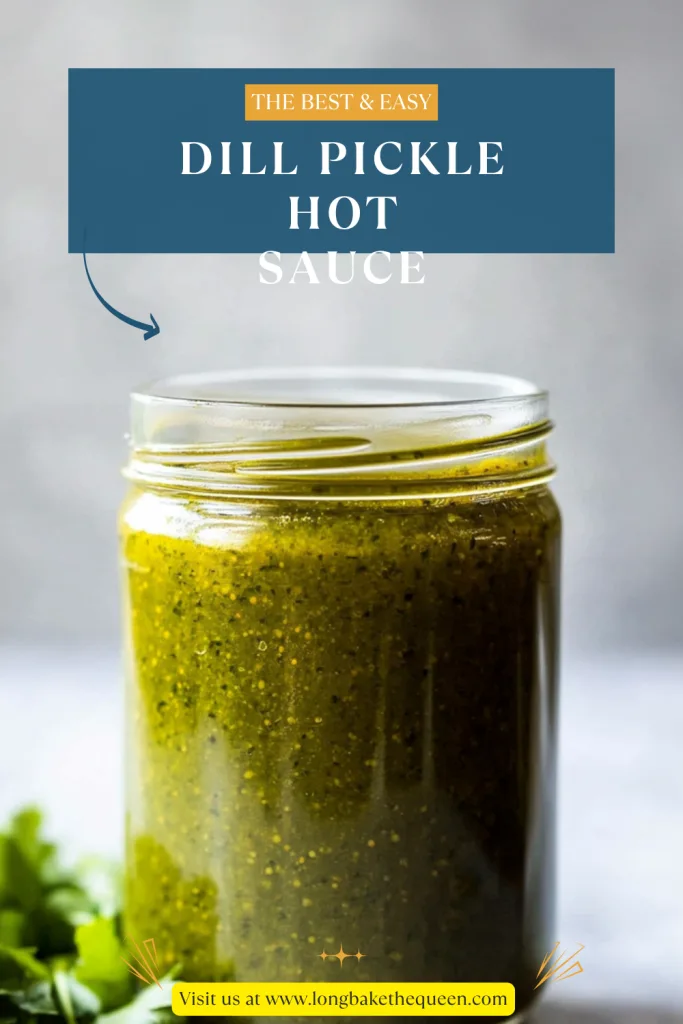
Why you’ll Love this Dill Pickle Hot Sauce?
This Dill Pickle Hot Sauce is one of those condiments that makes plain food feel suddenly interesting. It has heat from jalapeños and serranos, but it’s not just about being spicy. The dill pickles bring briny tang, the garlic adds depth, the onion rounds things out, the mustard seed gives a little pickle-shop vibe, and the vinegar keeps the finished sauce bright. It’s bold, but not flat. There’s a lot happening, but somehow it works.
The fermentation is what makes this homemade hot sauce feel special. You let the peppers, onion, garlic, dill, and mustard seed sit in a salt brine for 7 to 14 days, with 10 days being a really nice middle point. That time gives the sauce a tangy, rounded flavor you just don’t get from tossing raw peppers into a blender with vinegar. I won’t pretend fermentation doesn’t require a bit of patience, because it does. But most of the time, you’re not doing anything. You’re just checking on the jar, burping it if needed, and acting like a responsible hot sauce parent.
I also love how customizable this Dill Pickle Hot Sauce recipe is. You can make it hotter with more serranos, milder with more jalapeños, extra pickle-forward with more pickles or pickle brine, sharper with more vinegar, or thinner with a little water. If your peppers are hotter than expected, extra pickles help calm things down a bit. Not completely, of course. Pickles are helpful, not miracle workers. But they do soften the heat while adding more of that tart dill flavor.
Another thing I appreciate is that this sauce is useful. Some homemade condiments are fun once, then they sit in the fridge like a forgotten craft project. Not this one. This pickle hot sauce works on tacos, eggs, burgers, chicken wings, fried chicken sandwiches, fries, roasted potatoes, grilled chicken, pizza, and even Bloody Marys. I’ve mixed it with mayo for a quick dip, and honestly, that might be dangerous knowledge. Once you start doing that, fries become a whole event.
And yes, it makes a good amount, about 32 servings, which means you’ll have enough to enjoy for a while. Or share. Maybe. I say I’ll share homemade hot sauce, and then I get oddly protective once it’s bottled. Is that normal? I don’t know, but if you’ve waited 10 days for a sauce, you’re allowed to feel attached.
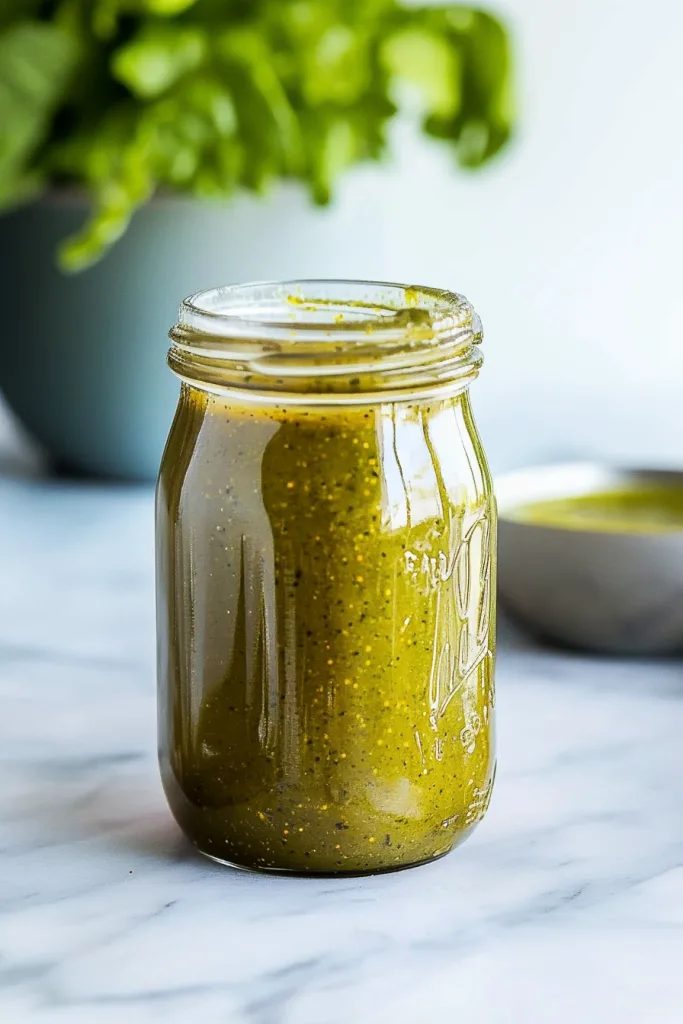
Ingredient Notes
The ingredients in this Dill Pickle Hot Sauce are simple, but they all have a job. The peppers bring heat, the onion and garlic add savory flavor, the dill and mustard seed push everything toward pickle territory, and the brine starts the fermentation. After that, dill pickles, pickle juice, and vinegar turn the fermented pepper base into a tangy, pourable hot sauce. Nothing about it is fancy, really. It just needs time, clean tools, and a little patience.
- Green hot peppers: Green hot peppers are the base of this Dill Pickle Hot Sauce. I like using a mix of jalapeños and serranos because jalapeños bring fresh green flavor, while serranos add a sharper heat. You can use all jalapeños if you want the sauce milder, or more serranos if you like it hot. Just keep in mind that peppers are moody little things. One jalapeño can be gentle, and the next one can act like it has something to prove.
- Yellow onion: Yellow onion adds mild sweetness and savory depth to the ferment. It helps soften the sharp edges of the peppers, vinegar, and pickle brine. You only need half an onion, but it makes the sauce taste fuller and less like straight blended heat.
- Garlic cloves: Garlic gives this spicy pickle hot sauce a bold, savory backbone. Six cloves might look like a lot when you’re slicing them, but fermentation mellows the sharpness a bit. The final sauce tastes garlicky in a good way, not in a “please do not speak near me” way. Mostly.
- Mustard seed: Mustard seed adds a subtle pickle-style flavor. It doesn’t make the sauce taste like mustard, but it gives it a little earthy, tangy background note that works beautifully with dill and pickle brine. It’s quiet, but it matters.
- Dried dill: Dried dill helps build that classic dill pickle flavor right from the fermenting stage. Since this is Dill Pickle Hot Sauce, the dill needs to show up clearly. You can add fresh dill later if you want a brighter flavor, but dried dill holds up nicely during fermentation.
- Room-temperature water: Water is used to make the salt brine. Room-temperature water helps the sea salt dissolve easily. If your tap water smells strongly of chlorine, filtered water is a better choice because heavy chlorine can interfere with fermentation. I don’t always get fancy with water, but for ferments, it’s worth paying attention.
- Sea salt: Sea salt creates the brine that allows the peppers and aromatics to ferment safely. It helps encourage the good bacteria while keeping unwanted stuff in check. Use a plain sea salt without anti-caking agents if possible. It’s a small detail, but ferments like simple ingredients.
- Dill pickle brine: Dill pickle brine brings the sharp, salty, sour flavor that makes this sauce different from regular fermented hot sauce. You’ll add it during blending, not during the first ferment. Use brine from pickles you actually like, because that flavor will come through. This is not the moment for sad pickles.
- Dill pickles: Dill pickles give the finished sauce body and that unmistakable pickle punch. Start with 5 large dill pickles, then add more if you want the sauce tangier or if you need to cut the heat a little. Pickles are doing a lot here, and frankly, they deserve respect.
- White vinegar: White vinegar adds clean acidity and helps brighten the sauce after blending. It also helps the finished sauce keep well in the fridge. If you like a sharper hot sauce, you can add a touch more vinegar after tasting.
- Xanthan gum: Xanthan gum is optional, but it helps thicken and stabilize the sauce so it stays smooth instead of separating quickly. If you don’t have it, skip it. The sauce may separate in the fridge, but a good shake brings it back together. Rustic is fine. We’re not bottling for a supermarket shelf here.
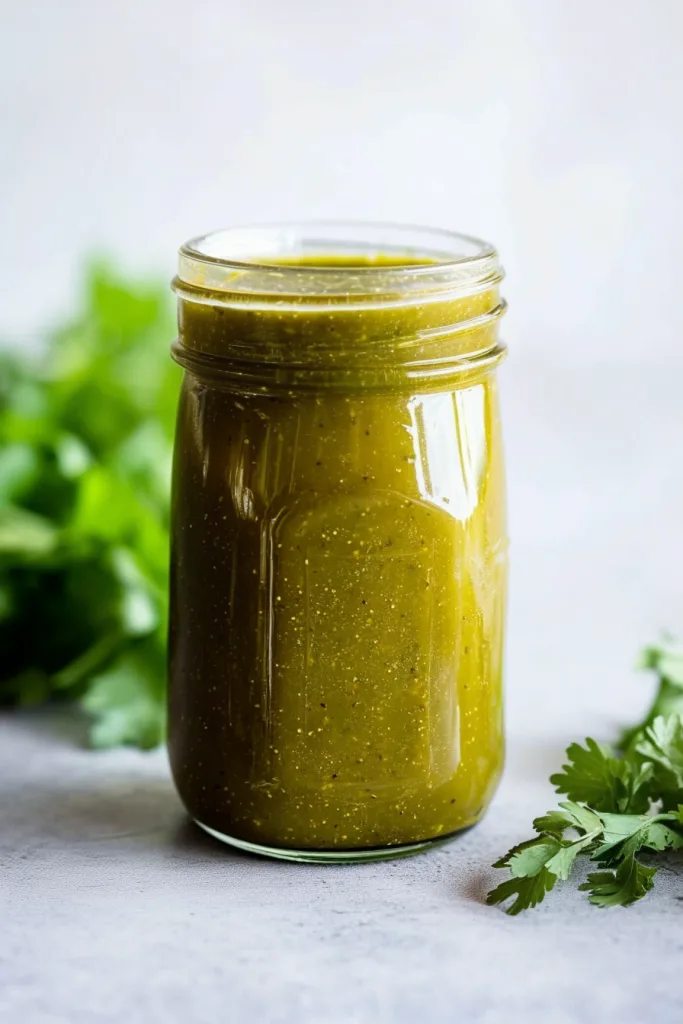
How to Make Dill Pickle Hot Sauce?
Making Dill Pickle Hot Sauce is a little different from whipping up a quick blender sauce because you need to ferment the pepper mixture first. But don’t let that scare you. Most of the recipe is waiting. You prep the peppers, onion, garlic, dill, and mustard seed, cover everything with salt brine, let it ferment, then blend it with dill pickles, pickle juice, vinegar, and optional xanthan gum. It’s slow food, but not hard food. There’s a difference.
Step 1: Clean the Fermentation Vessel
Start by washing your fermentation vessel with soap and hot running water, then set it aside to dry. You don’t need to turn your kitchen into a laboratory, but clean jars and tools are important. Fermentation is friendly when you give it a clean place to start. Wash your hands, use clean utensils, and avoid any mystery crumbs getting into the jar. Mystery crumbs are not part of the recipe.
Step 2: Chop the Peppers, Onion, and Garlic
Coarsely dice 1 pound of green hot peppers, using jalapeños, serranos, or a mix of both. Dice 1/2 medium yellow onion and slice 6 garlic cloves. Add everything to the fermentation vessel. The pieces don’t need to be perfect because they’ll be blended later. This is a very forgiving chopping situation, which I appreciate because perfect knife cuts are not always happening in my kitchen.
Step 3: Add the Dill and Mustard Seed
Add 1 teaspoon dried dill and 1/2 teaspoon mustard seed to the jar with the peppers, onion, and garlic. These two little additions help give the sauce its dill pickle personality. At this stage, it won’t smell like much more than peppers and garlic, but give it time. The flavor builds slowly, which is kind of the whole point.
Step 4: Make the Salt Brine
In a separate bowl or measuring cup, combine 2 cups room-temperature water with 1 tablespoon sea salt. Stir until the salt is completely dissolved. This brine is what protects the vegetables while they ferment and helps create that tangy flavor. If the salt sits at the bottom, it won’t do its job evenly, so give it a proper stir. Nothing dramatic, just thorough.
Step 5: Pour the Brine Over the Vegetables
Pour the salt brine into the fermentation vessel until the peppers, onion, and garlic are just covered. If you don’t have enough brine, make another batch using the same ratio: 2 cups water to 1 tablespoon sea salt. Everything needs to stay under the liquid. Think of the brine as a salty blanket. If vegetables poke above the surface, they’re more likely to spoil, and we do not want a tragic jar after waiting several days.
Step 6: Weigh Down the Ingredients
Use a fermentation weight or another clean food-safe weight to keep the vegetables submerged under the brine. Secure the lid tightly. If you’re using a regular lid, you’ll need to open it once a day to release gas, which is called burping the jar. Yes, it sounds ridiculous. Yes, it’s actually important. If you use an airlock lid or pickle pipe, burping usually isn’t needed because the gas escapes on its own.
Step 7: Let the Ferment Sit Somewhere Visible
Place the jar somewhere away from direct sunlight but where you’ll see it daily. A kitchen counter or pantry shelf usually works. I like keeping it visible because if I hide a ferment in a cabinet, I may or may not forget it exists. Over the first few days, you should notice small bubbles, cloudy brine, duller peppers, and maybe a little hiss when the jar opens. Sometimes the brine can bubble over, so setting the jar on a plate is smart. Fermentation has enthusiasm.
Step 8: Ferment for 7 to 14 Days
Let the pepper mixture ferment for 7 to 14 days. Around 10 days gives this Dill Pickle Hot Sauce a great balance of tangy fermented flavor and fresh green heat. If you want it lighter and fresher, stop closer to 7 days. If you want a deeper, funkier tang, go closer to 14. Later in the process, the bubbles may slow down and the jar may hiss less. That’s normal. The ferment is still doing its thing, just more quietly. Like a tired but dedicated worker.
Step 9: Strain and Save the Brine
Once you’re happy with the fermentation level, strain the contents of the jar and reserve the brine. Don’t throw that brine away. It’s salty, tangy, and full of fermented flavor, and you’ll use it to blend and adjust the sauce. I always save more than I think I’ll need because it’s easier to add flavor than to wish you hadn’t poured it down the sink.
Step 10: Blend with Dill Pickles and Pickle Brine
Add the fermented vegetables to a high-powered blender or food processor. Add 5 large dill pickles, 1/2 cup reserved fermentation brine, 1/4 cup white vinegar, and 1 to 1 1/2 cups dill pickle juice. Blend until smooth. If you have a high-powered blender, you’ll get a silky sauce pretty quickly. If you’re using a regular blender, just blend longer and be patient. The sauce will still be delicious, even if it’s a little more rustic.
Step 11: Add Xanthan Gum if Using
If you want a smoother and more stable sauce, add 1/2 teaspoon xanthan gum and blend until completely combined. Add it carefully so it doesn’t clump. Xanthan gum helps keep the sauce from separating and gives it that more polished hot sauce texture. If you skip it, no problem. Just shake the bottle before using. Honestly, I shake most homemade sauces out of habit anyway.
Step 12: Taste and Adjust the Sauce
Taste the sauce and adjust it to your liking. Add more reserved brine if you want it saltier and more fermented. Add more vinegar if you want it sharper. Add more pickles or pickle brine if you want a stronger dill pickle flavor or need to mellow the heat. Add water if the sauce is too thick. This is the part where you get to make the Dill Pickle Hot Sauce taste like your perfect bottle. Taste, adjust, blend, repeat. Try not to taste so much that your tongue stops giving useful opinions. I’ve done that.
Step 13: Strain for a Smoother Finish
If you want an ultra-smooth hot sauce, pour it through a fine mesh sieve. Use a spoon or spatula to press it through. This step takes a few extra minutes, and it’s not required, but it gives the sauce a smoother, more bottled-style texture. If you like a chunkier, almost relish-like hot sauce, skip the straining. Both versions are good. It just depends on your hot sauce personality.
Step 14: Bottle and Refrigerate
Transfer the finished Dill Pickle Hot Sauce to clean jars or bottles and store it in the refrigerator. A small funnel helps a lot here, unless you enjoy wiping green sauce off the counter. The sauce can be used right away, but I think it tastes even better after resting for a day or two in the fridge. After a 10-day ferment, asking you to wait longer feels rude, I know. But the flavor really does settle nicely.
Storage Options
This Dill Pickle Hot Sauce should be stored in the refrigerator after blending. It has fermented peppers, vinegar, salt, pickle brine, and pickles, but this is not a shelf-stable canning recipe. So keep it cold. Think of it like a fresh fermented condiment, not a pantry bottle from the grocery store. It’s safer that way, and the flavor stays bright.
- Refrigerator: Store the finished sauce in clean jars or bottles in the refrigerator for up to 2 to 3 months. Use clean utensils, clean lids, and avoid dipping food directly into the bottle. The cleaner you keep it, the longer it should stay fresh.
- Separation: Homemade hot sauce can separate as it sits, especially if you skip the xanthan gum. This is normal and not a sign that anything went wrong. Just shake the bottle before using. If you used xanthan gum, the sauce should stay smoother and more evenly blended.
- Flavor development: The sauce may taste even better after 24 to 48 hours in the fridge. The garlic, pickle brine, vinegar, and pepper heat have time to settle into each other. It’s a little annoying to wait after the ferment, but sometimes sauces need a minute to become themselves.
- Freezer: You can freeze this pickle hot sauce in small freezer-safe containers for up to 3 months. Leave a little room for expansion. Thaw in the refrigerator and shake or blend again if the texture changes.
- Bottles and jars: Use clean glass jars, squeeze bottles, or hot sauce bottles with tight-fitting lids. If you’re using narrow bottles, use a funnel. I say this with love and the memory of sauce spills past.
- Do not store at room temperature: This recipe is not tested for shelf-stable storage, so don’t keep it in the pantry. Refrigeration is the best option unless you use a properly tested canning recipe from a trusted preservation source.
- Check before using: Fermented hot sauce should smell tangy, spicy, and garlicky, but it should not smell rotten or unpleasant. If you see mold, strange colors, excessive pressure after blending, or anything that feels off, discard it. When in doubt, don’t risk it.
Variations & Substitutions
This Dill Pickle Hot Sauce is very flexible once you understand the basic formula: fermented green peppers plus dill pickle flavor. You can adjust the heat, tang, thickness, and smoothness based on what you like. I wouldn’t change everything at once on the first batch, though. Try the original version, see what you love, then play around. Hot sauce experiments are fun, but your taste buds deserve some warning.
- Use all jalapeños: If you want a milder Dill Pickle Hot Sauce, use all jalapeños instead of a jalapeño-serrano mix. You’ll still get fresh green pepper flavor, but the heat will be more manageable. This is a good option if you want a sauce you can drizzle generously.
- Use more serranos: For a hotter sauce, increase the serrano peppers. Serranos usually bring sharper heat than jalapeños. I’d still taste and adjust after blending because pepper heat can be unpredictable. Sometimes they are polite. Sometimes they choose violence.
- Add green habanero: If you want serious heat, add one or two green habaneros to the ferment. Habaneros bring fruity heat, but they can take over fast. Start small unless you enjoy hot sauce that makes you question your choices.
- Make it extra pickle-forward: Add more dill pickles or more pickle brine during blending. This makes the sauce tangier and more briny. It can also help mellow the heat a little, which is useful if your peppers came in stronger than expected.
- Increase the dill flavor: Add a little more dried dill to the ferment or blend in a small amount of fresh dill after fermentation. Fresh dill is brighter, but it can get strong quickly, so start with a small amount and taste.
- Use apple cider vinegar: White vinegar gives this sauce a clean, sharp acidity, but apple cider vinegar can add a softer, slightly fruity tang. The sauce will taste different, but still delicious. It’s a nice variation if you like a rounder vinegar flavor.
- Skip the xanthan gum: If you don’t have xanthan gum, leave it out. The sauce may separate in the fridge, but shaking fixes it. The texture may be a little thinner or more rustic, and honestly, that’s fine for a homemade sauce.
- Make it smoother: Blend the sauce longer and strain it through a fine mesh sieve. This gives you a silky, pourable hot sauce that feels more like something from a bottle.
- Make it chunkier: Blend less for a thicker, relish-style sauce. This version is great on burgers, sandwiches, tacos, grilled meats, and hot dogs. It’s less drizzle, more spoon. Not a bad thing.
- Add extra spices: Try adding coriander seed, celery seed, black peppercorns, or a small bay leaf to the ferment. Keep the additions small so the dill pickle flavor stays the main character.
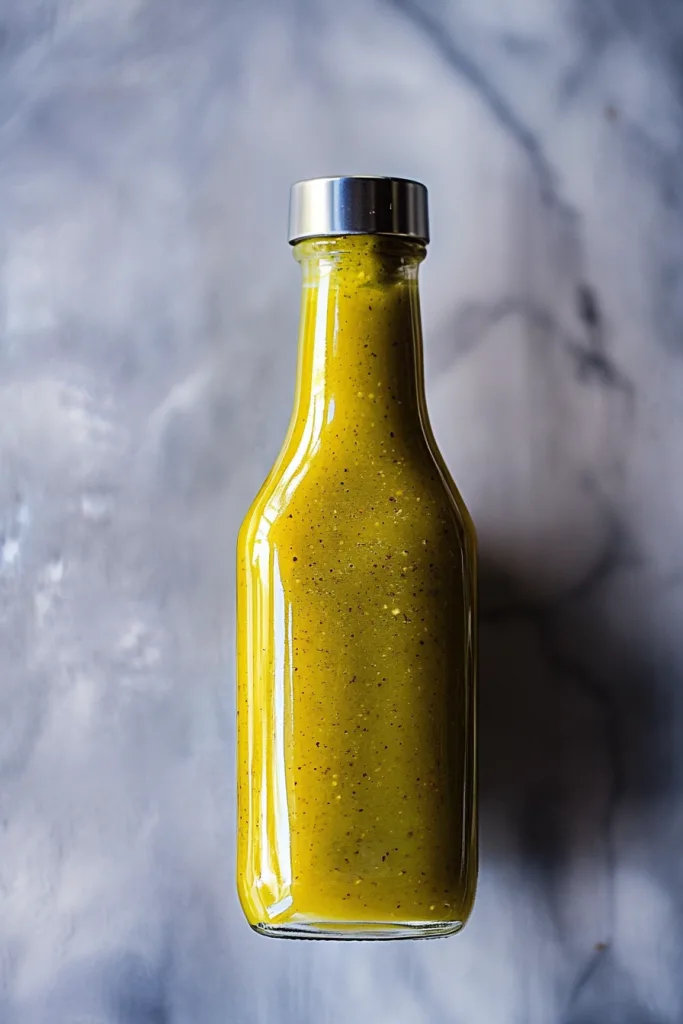
What to Serve With Dill Pickle Hot Sauce?
This Dill Pickle Hot Sauce is bold, tangy, and spicy, so it works anywhere you want heat plus briny pickle flavor. It cuts through rich foods, makes simple meals brighter, and adds a little spark to leftovers. I think of it as the sauce for foods that are already good but could use a raised eyebrow. You know, a little attitude.
- Tacos: Drizzle this spicy dill pickle hot sauce over chicken, pork, shrimp, fish, or veggie tacos. The tangy heat works especially well with rich fillings and creamy toppings.
- Eggs: Add it to scrambled eggs, fried eggs, omelets, breakfast burritos, or egg sandwiches. Eggs and hot sauce already belong together, but the pickle flavor makes things even more interesting. Breakfast gets a personality upgrade.
- Chicken wings: Toss crispy wings with the sauce or serve it on the side for dipping. It’s especially good with fried, baked, or grilled wings. Add a little melted butter if you want it more wing-sauce style.
- Burgers: Use this Dill Pickle Hot Sauce on burgers instead of regular pickles and hot sauce. It gives you both flavors at once, which feels efficient in the best way. Add it to cheeseburgers, turkey burgers, or veggie burgers.
- Fries and tater tots: Dip fries, tots, wedges, or hash browns into it. You can also mix it with mayo for a creamy spicy pickle dip. This is dangerously good, and I say that with full responsibility.
- Sandwiches and wraps: Add a drizzle to turkey sandwiches, chicken wraps, grilled cheese, fried chicken sandwiches, veggie wraps, or deli-style subs. It brings heat, tang, and a little crunch-adjacent pickle flavor without needing actual pickle slices.
- Bloody Marys: Stir a spoonful into a Bloody Mary for a spicy pickle twist. It adds heat, acidity, and briny flavor. If you like savory cocktails, this is a very fun move.
- Grilled chicken or pork: Spoon it over grilled chicken thighs, pork chops, or tenderloin. The acidity helps balance richer meats and makes simple grilled food taste less predictable.
- Roasted vegetables: Try it on roasted potatoes, cauliflower, carrots, Brussels sprouts, sweet potatoes, or even corn. The sauce makes vegetables feel less like an obligation and more like a snack.
- Pizza: Add a few drops to pizza, especially pepperoni, sausage, cheeseburger-style pizza, or veggie pizza. Pickle hot sauce on pizza sounds questionable for about three seconds, and then it starts making sense.
FAQ
Do I have to ferment the peppers?
Technically, you could skip fermentation and blend peppers with pickles, pickle brine, and vinegar, but it won’t taste the same. Fermentation gives this Dill Pickle Hot Sauce recipe its depth and tang. Without it, the sauce will be sharper and more raw-tasting. Still possibly good, but not quite the same. If you’re nervous, start with a shorter ferment. Once you see the bubbles and smell that tangy aroma, it feels much less mysterious.
What are normal signs of fermentation?
Normal signs include tiny bubbles, cloudy brine, a slight hiss when opening the jar, duller pepper color, and a tangy, sour smell. Sometimes the brine may bubble up and leak a little, especially in the first few days. That’s why putting the jar on a plate is helpful. Fermentation can be a little messy, like a toddler with confidence.
How do I know if my ferment has gone bad?
A healthy ferment should smell tangy, sour, peppery, and garlicky. If you see fuzzy mold, black or pink growth, a slimy texture, or smell something rotten or foul, throw it away. Cloudy brine is normal, and a thin white film can sometimes be kahm yeast, which is common but can affect flavor. If you’re unsure, it’s better to be cautious. No hot sauce is worth a questionable stomach situation.
Why is my hot sauce separating?
Homemade hot sauce often separates as it sits, especially if you don’t use xanthan gum. This is normal. Just shake the bottle before using. If you want a smoother, more stable texture, add 1/2 teaspoon xanthan gum when blending or strain the sauce through a fine mesh sieve.
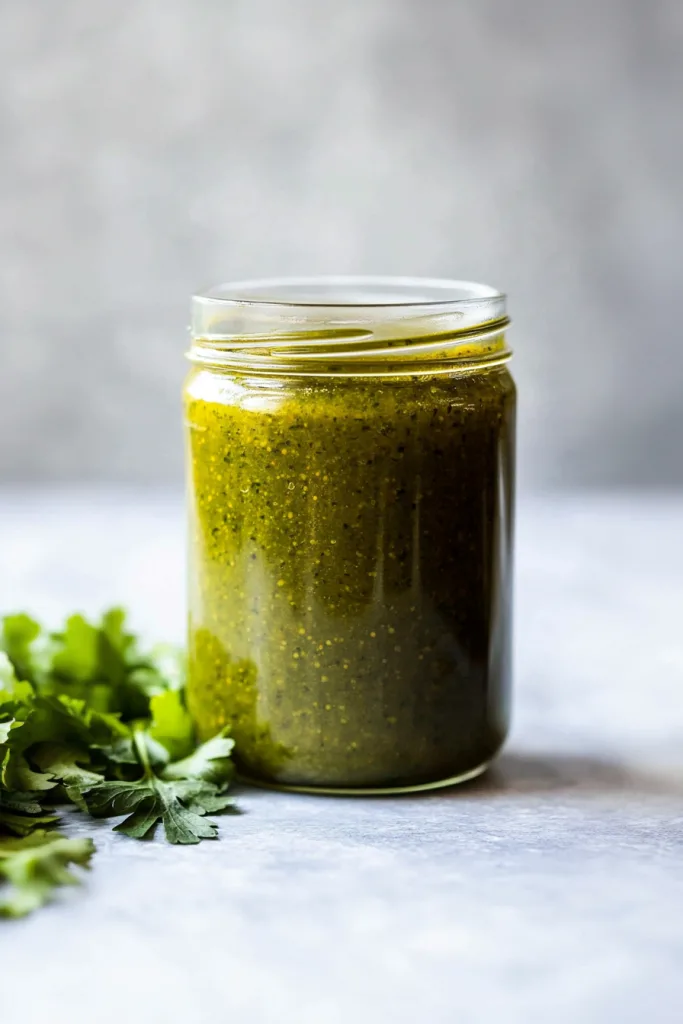
This Dill Pickle Hot Sauce is tart, spicy, briny, garlicky, and honestly kind of addictive. It’s not the hot sauce you make when you want something quiet and polite. It’s the one you make when you want eggs to taste better, tacos to wake up, wings to have a little attitude, and fries to become dangerously snackable. The fermented peppers bring depth, the pickles bring tang, and the vinegar keeps everything sharp and lively.
So if you’ve got peppers, pickles, and a little patience, this is your sign to try homemade Dill Pickle Hot Sauce. Let it bubble away, blend it smooth, bottle it up, and start putting it on everything that needs a spicy pickle kick. Can’t wait to hear what you think!
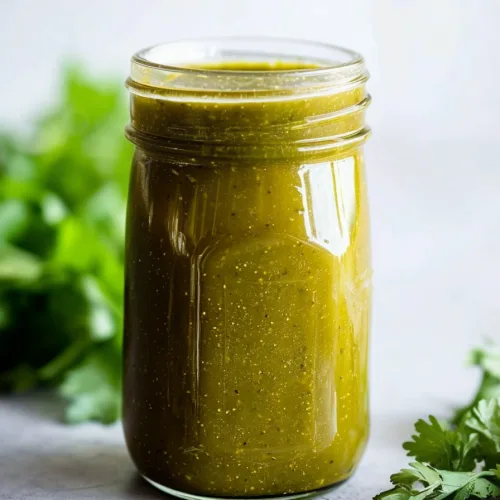
Dill Pickle Hot Sauce
Ingredients
- 1 lb green hot peppers such as jalapeño and serrano peppers
- 1/2 medium yellow onion
- 6 garlic cloves
- 1/2 teaspoon mustard seed
- 1 teaspoon dried dill
- 2 cups room-temperature water
- 1 tablespoon sea salt
- 2 cups dill pickle brine divided
- 5 to 10 large dill pickles
- 1/4 cup white vinegar
- 1/2 teaspoon xanthan gum optional
Instructions
- Wash a fermentation vessel thoroughly with soap and hot running water. Set aside to dry completely.
- Coarsely dice the green hot peppers and yellow onion.
- Slice the garlic cloves.
- Add the diced peppers, diced onion, and sliced garlic to the prepared fermentation vessel.
- Add the mustard seed and dried dill to the vessel.
- In a separate container, combine the room-temperature water and sea salt.
- Stir until the salt is completely dissolved.
- Pour the salt brine into the fermentation vessel until the peppers, onion, and garlic are just covered.
- If additional brine is required, prepare another batch using the same ratio of 2 cups water to 1 tablespoon sea salt, then add enough to cover the ingredients.
- Place a fermentation weight or another clean, food-safe weight over the ingredients to keep them fully submerged beneath the brine.
- Secure the lid tightly.
- Place the fermentation vessel in a location away from direct sunlight where it can be observed daily.
- If using a standard lid, open the jar once daily to release built-up gas. If using an airlock lid or pickle pipe, this step is not necessary.
- Allow the mixture to ferment for 7 to 14 days, or until the desired level of fermentation is reached. A 10-day fermentation provides a balanced tangy flavor.
- During fermentation, normal signs may include small bubbles, cloudy brine, a slight hiss when opened, duller pepper color, and occasional brine overflow.
- Once fermentation is complete, strain the contents of the fermentation vessel and reserve the brine.
- Transfer the fermented vegetables to a high-powered blender or food processor.
- Add 5 large dill pickles, 1/2 cup reserved fermentation brine, 1/4 cup white vinegar, and 1 to 1 1/2 cups dill pickle brine.
- Blend until smooth.
- If a stronger dill pickle flavor is desired, add additional dill pickles or pickle brine.
- If a saltier flavor is desired, add more reserved fermentation brine.
- If a sharper flavor is desired, add additional white vinegar.
- If the sauce is too thick, add water in small amounts until the desired consistency is reached.
- If using xanthan gum, add 1/2 teaspoon to the blended hot sauce and blend until fully incorporated.
- For an ultra-smooth texture, strain the hot sauce through a fine mesh sieve, pressing it through with a spoon or spatula.
- Transfer the finished Dill Pickle Hot Sauce to clean jars or bottles.
- Store the sauce in the refrigerator.
Notes