Butternut squash, pumpkin, carrots, apple cider, cream cheese, heavy cream, honey, ginger, garlic, and warm spices.
There are certain recipes I only seem to crave when the weather starts doing that weird in-between thing. You know the kind—cold in the morning, oddly warm by lunch, then chilly again as soon as the sun disappears. That’s usually when I start thinking about soup, and this Creamy Autumn Squash Soup is one of those recipes that fits the mood almost embarrassingly well.
It’s smooth, slightly sweet, warmly spiced, and full of roasted butternut squash, pumpkin, carrots, apple cider, cream cheese, and just enough heavy cream to make it feel a little indulgent. Not overly fancy, though. This is still the kind of soup I’d happily eat while wearing old socks and standing over the stove because I was too impatient to set the table.
If you’ve ever had Panera’s Autumn Squash Soup, this homemade version will probably feel very familiar. It has that same cozy, gently sweet flavor, but because you’re making it yourself, you can tweak it. More savory? Easy. Less sweet? Also easy. Extra cream? Well… I’m not here to stop you.
I first started making versions of Creamy Autumn Squash Soup because I kept craving that particular sweet-and-savory fall soup flavor that shows up everywhere once pumpkin season arrives. Grocery stores suddenly have cinnamon-scented displays, coffee shops are quietly putting pumpkin into everything, and even people who insist they “aren’t fall people” somehow end up buying a decorative squash. It happens.
For me, the big turning point with this soup was roasting the butternut squash instead of just tossing it straight into the pot. I remember the first time I did it with honey, butter, cinnamon, and salt, and I genuinely thought, Oh… this is why roasted squash tastes so much better. The edges get darker, the sweetness deepens, and the whole tray smells like someone tried to turn October into dinner.
Of course, I also ate a few cubes before they made it into the soup. Maybe more than a few. That part isn’t essential to the recipe, but it seems to happen every time.
The apple cider also surprised me. At first, I wasn’t completely sure about it because fruit juice in soup can sound a little questionable if you haven’t tried it before. But it really works. It doesn’t make the soup taste like applesauce. Instead, it blends into the butternut squash and pumpkin and gives the whole thing that sweet, almost bakery-window autumn feeling without going full dessert.
And then you’ve got the ginger, curry powder, coriander, cinnamon, nutmeg, and turmeric coming in behind everything. I wouldn’t say you taste each spice separately. At least, I don’t. They sort of blur together into this warm background flavor that makes the soup feel more interesting.
One thing I’ll say upfront: this autumn squash soup is sweet. Not dessert-sweet, but definitely sweeter than a classic savory vegetable soup. Personally, I like that. Some days I really want that Panera-style sweetness. Other days I leave out the brown sugar because I’m in more of a salty bread and soup mood.
Both versions work.
Sound familiar? Sometimes the same recipe tastes perfect one week and somehow you want it slightly different the next. I think that’s pretty normal.


Why you’ll Love this Creamy Autumn Squash Soup?
It Has That Familiar Panera-Style Flavor
- If you’re making this because you love Panera Autumn Squash Soup, you’re probably looking for that same balance of creamy, sweet, warm, and slightly savory. This recipe gets very close because of the combination of butternut squash, pumpkin puree, apple juice or cider, honey, cream cheese, and fall spices.
- I actually prefer making it at home because I can control the sweetness. Sometimes the full amount of honey and brown sugar sounds perfect. Sometimes I taste the soup and think, Nope, we’re good right here. That’s one of the nice things about homemade soup. You can stop when it tastes right to you instead of following some invisible rule.
The Roasted Butternut Squash Does Most of the Heavy Lifting
- You could probably skip roasting the squash if you were really pressed for time, but I wouldn’t choose to. The roasting is where a lot of the flavor comes from.
- The honey and butter help the squash caramelize, while the cinnamon and salt bring out its natural sweetness. Once those edges start turning golden, you get a flavor that simmered squash just doesn’t quite have.
- Also, the smell is ridiculous. In a good way.
- It’s the kind of smell that makes someone wander into the kitchen and ask, “What are you making?” even if they weren’t hungry five minutes ago.
It’s Creamy Without Feeling Too Heavy
- This Creamy Autumn Squash Soup is thick and silky, but it doesn’t feel like you’re eating a bowl of cream.
- Most of the body actually comes from the vegetables. The roasted squash, carrots, and pumpkin blend into a naturally thick puree, and then the cream cheese and heavy cream smooth everything out.
- I like that balance. It feels comforting without becoming one of those soups where three spoonfuls later you’re thinking, Okay, wow, that’s rich.
The Flavor Is Sweet, Savory, and a Little Unexpected
- There are a lot of moving parts here, but none of them really shout.
- The apple cider gives sweetness. Lemon juice brings a little sharpness. Ginger adds warmth. Curry powder and coriander make the flavor deeper. Cinnamon and nutmeg bring the obvious fall vibe.
- And somehow garlic fits into all of this too.
- Would I have thought garlic, pumpkin, apple cider, and cinnamon belonged in the same pot when I was younger? Probably not. But apparently soup has a sense of humor.
It’s Easy to Adjust
- This is probably one of my favorite things about the recipe.
- You don’t have to treat the ingredient list like a contract.
- If you like a more savory butternut squash soup, reduce the honey and skip the brown sugar. If you want more warmth, add ginger. If you like a thinner soup, add broth. Want something richer? Add another splash of cream.
- I tend to think recipes like this are better when you taste as you go anyway.
It Makes Good Leftovers
- Some recipes are best the second they’re finished.
- Soup, though? Soup often needs a little time.
- The next day, this pumpkin and butternut squash soup tastes slightly deeper to me. The spices settle down, the sweetness feels more balanced, and the whole thing just seems more put together.
- Which is useful because eight servings is a lot unless you’re feeding a crowd.
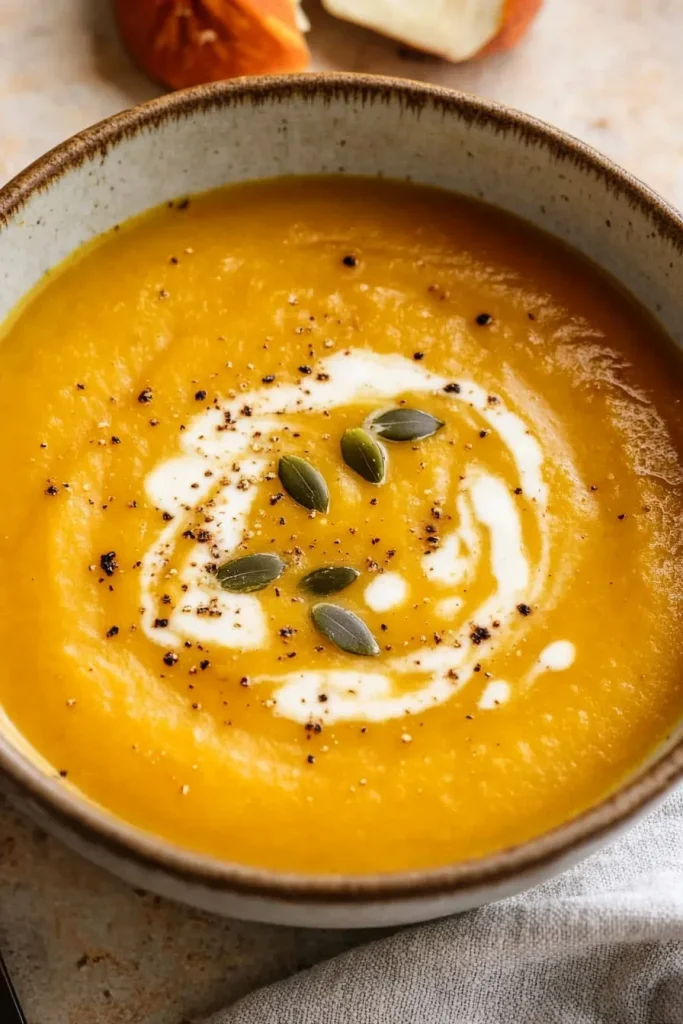
Ingredient Notes
The ingredient list looks longer than the actual cooking process feels. Most of it is spices, and once everything is sitting on your counter, the recipe is pretty straightforward.
I’ve broken down the ingredients below because a few of them make a bigger difference than you might expect.
- Butternut Squash: You’ll need about 6 cups or roughly 2 pounds of cubed squash. Fresh squash gives you the best roasted flavor, but I’ve absolutely bought pre-cut squash when I didn’t feel like wrestling with a whole one. Peeling a butternut squash can feel like a small home-improvement project some days.
- Honey: Honey adds sweetness and helps the roasted squash caramelize. There’s also a little added directly to the soup. If you’re unsure about sweetness, I’d keep the honey on the roasted squash and decide later whether you need the additional amount.
- Unsalted Butter: Butter adds richness and helps the squash brown nicely in the oven. You can replace it with olive oil if needed, although the flavor is slightly different.
- Cinnamon: Cinnamon shows up twice, once on the roasted squash and again in the soup. It sounds like a lot when you say it that way, but the amount is actually pretty restrained.
- Olive Oil: This is used for sautéing the onion, carrots, garlic, and ginger. Nothing dramatic here. A neutral cooking oil works too.
- Yellow Onion: Onion adds the savory base that keeps the sweet ingredients from wandering too far into dessert territory. Give it a few minutes to soften before moving on.
- Carrots: Carrots add sweetness, color, and body. Slice them thin or dice them small so they soften quickly.
- Garlic: Three cloves of garlic balance the squash and pumpkin beautifully. If you’re a garlic person, I wouldn’t blame you for adding one more.
- Fresh Ginger: Ginger is one of those ingredients I notice more when it’s missing. It gives the soup warmth and just enough sharpness to keep things lively.
- Vegetable Broth: This gives the soup its savory liquid base. Use a broth you actually like. If the broth tastes flat on its own, it isn’t suddenly going to develop a personality in the pot.
- Apple Juice or Apple Cider: Either works. Apple cider usually gives a deeper flavor, while apple juice is a little cleaner and simpler. And yes, it needs to be said: do not use apple cider vinegar.
- Lemon Juice: Lemon juice keeps the soup from becoming too sweet or heavy. You don’t really taste “lemon” so much as notice that the soup feels brighter.
- Curry Powder: Only a little goes in. It doesn’t make the soup taste strongly like curry; it just adds warmth and depth.
- Ground Coriander: Coriander has a gentle citrusy warmth that works really well with carrots and squash.
- Nutmeg: Fresh nutmeg is lovely here if you have it, but pre-ground nutmeg is completely fine too.
- Turmeric: This adds a subtle earthy note and gives the color a small boost.
- Pumpkin Puree: Use 100% pumpkin puree, not pumpkin pie filling. Pumpkin pie filling is already sweetened and spiced, which can make this soup much sweeter than intended.
- Cream Cheese: Room-temperature cream cheese blends more easily. If it looks lumpy in the pot, don’t overthink it. The blender will sort it out.
- Brown Sugar: This pushes the soup closer to that sweet Panera-style flavor. If you’re hesitant, add less or leave it out completely.
- Heavy Cream: Heavy cream goes in at the end and makes the soup silky and rich.
- Pepitas: Pepitas give you a little crunch on top. I think the soup needs that texture contrast, although technically they’re optional.

How to Make Creamy Autumn Squash Soup?
The recipe has a few stages, but none of them are complicated.
You’re basically roasting, sautéing, simmering, and blending. That’s it.
The roasting takes the longest, so once the squash is in the oven, everything starts moving pretty quickly.
Step 1: Heat the Oven
Preheat your oven to 425°F and line a rimmed baking sheet with parchment paper if you’d like easier cleanup.
I usually do.
Honey, butter, and roasted squash can get sticky around the edges, and I’m generally in favor of avoiding unnecessary scrubbing.
Spread the squash cubes over the baking sheet. Try to keep them close in size so they roast evenly, but don’t stress about perfect cubes. You’re blending all of this later anyway.
Step 2: Roast the Butternut Squash
Drizzle the squash with melted butter and honey, then sprinkle on a pinch of salt and cinnamon.
Toss everything together until the squash is evenly coated.
Spread it into a single layer, then roast for about 25 minutes.
You’re looking for squash that’s completely tender with browned, caramelized spots around the edges.
If a few pieces get darker than the others, I actually like that. Those are usually the best ones.
Step 3: Cook the Onion
When the squash has just a few minutes left, heat the olive oil in a large soup pot or Dutch oven over medium heat.
Add the diced onion and cook for about 5 minutes, stirring occasionally.
You want the onion soft and translucent, not deeply browned.
This step isn’t exciting, but it matters. Soup starts tasting good long before it looks good.
Step 4: Add the Carrots, Garlic, and Ginger
Stir in the carrots, garlic, and ginger.
Cook everything together for about 1 to 2 minutes.
The garlic and ginger should become fragrant pretty quickly. That’s usually the point where the kitchen starts smelling like something real is happening.
Try not to cook the garlic too long because burnt garlic can take over an entire pot. Ask me how I know.
Step 5: Add the Roasted Squash and Liquids
Add the roasted butternut squash to the pot.
Pour in the vegetable broth, apple juice or cider, lemon juice, and honey. Then add the salt, curry powder, coriander, cinnamon, nutmeg, and turmeric.
Stir everything together and bring it to a boil.
Once it’s boiling, reduce the heat to medium-low and let the autumn squash soup simmer for about 10 minutes, or until the carrots are very tender.
At this stage it doesn’t look particularly glamorous.
That’s normal.
Step 6: Add Pumpkin, Cream Cheese, and Brown Sugar
Stir in the pumpkin puree, cream cheese, and brown sugar.
The cream cheese may look clumpy.
That’s fine.
I used to stand there trying to smash every little piece against the side of the pot before realizing the blender was about to do a much better job anyway.
If you’re making a less-sweet version, this is where I’d skip the brown sugar.
Step 7: Let the Soup Cool Slightly
Take the pot off the heat and let it cool for a few minutes before blending.
If you’re using a countertop blender, work in batches and don’t fill it all the way. Hot soup creates steam, and steam needs somewhere to go.
If you’re using an immersion blender, you can blend everything right in the pot.
The countertop blender usually gives me a smoother result, but the immersion blender gives me fewer dishes.
Depending on the day, fewer dishes may win.
Step 8: Blend Until Smooth
Blend the soup until it’s completely smooth.
Give it a little extra time if you want that super-silky Panera-style texture.
If your Creamy Autumn Squash Soup looks too thick, add a splash of broth and blend again.
I usually like it fairly thick, almost enough to coat the spoon, but that’s personal.
Step 9: Stir in the Cream
Once the soup is smooth, stir in the heavy cream.
Taste it.
Then taste it again.
Sometimes I think a soup needs something complicated when really it just needs another pinch of salt.
Add salt and black pepper as needed.
Step 10: Add the Garnishes
Ladle the soup into bowls and top it with pepitas, a small drizzle of cream, and a little paprika.
You can make a neat swirl with the cream if you’re feeling artistic.
Mine usually starts as a swirl and ends up looking like a weather map.
Still tastes good.
Storage Options
This Creamy Autumn Squash Soup keeps well, which is helpful because it makes a generous batch.
I actually enjoy it even more the next day sometimes. The flavor changes slightly after sitting overnight—less sharp, more settled.
Maybe that’s psychological. Maybe not.
Either way, leftovers are good news here.
Refrigerator Storage
- Let the soup cool before putting it into an airtight container.
- Store it in the refrigerator for about 4 to 5 days.
- It will thicken as it chills, so don’t be surprised if it looks almost too thick the next day.
- A little broth or cream fixes that quickly.
Freezer Storage
- You can freeze butternut squash and pumpkin soup for around 3 months.
- For the smoothest texture, I prefer freezing it before adding the heavy cream. Dairy can sometimes separate after thawing.
- If you’ve already added the cream, though, it’s not ruined. Just reheat it slowly and stir well.
Reheating
- Warm the soup gently over medium-low heat.
- Add a splash of broth, milk, cream, or even water if it needs loosening.
- Try not to boil it hard.
- Creamy soups usually behave better when you don’t make them angry.
Variations & Substitutions
This is one of those recipes where a little improvising is fine.
Actually, I think this Creamy Autumn Squash Soup benefits from being adjusted to your taste because sweetness is so personal.
Some people want that full Panera-style flavor. Others want something more savory.
Neither version is wrong.
- Make It Less Sweet: Skip the brown sugar and the extra honey added to the soup. The roasted squash, pumpkin, carrots, and apple cider already give you plenty of sweetness.
- Use Apple Cider Instead of Apple Juice: Apple cider usually gives the soup a richer, more autumn-like flavor. Apple juice is a little lighter. Both work.
- Use Chicken Broth: If you don’t need the soup to remain vegetarian, chicken broth adds a slightly more savory flavor.
- Make It Dairy-Free: Replace the butter with olive oil or dairy-free butter, use plant-based cream cheese, and swap the heavy cream for coconut milk or dairy-free cooking cream.
- Try Maple Syrup: Maple syrup works beautifully instead of honey. It gives the roasted squash a slightly deeper sweetness.
- Add Sweet Potato: Replace some of the butternut squash with sweet potato. The soup becomes a little thicker and sweeter.
- Add More Ginger: If you like that warming ginger flavor, add another teaspoon or so. I usually lean toward more ginger rather than less.
- Add Cayenne: A tiny pinch of cayenne can help balance a sweeter batch. Start small. Cayenne is one of those ingredients that doesn’t believe in second chances.
- Skip the Cream Cheese: You can leave the cream cheese out. The pumpkin and squash already create plenty of body.
- Use Coconut Cream: Coconut cream makes the soup rich and works surprisingly well with curry powder and ginger.
- Thin It Out: Add more broth if you prefer a lighter, more pourable soup.
- Make It Thicker: Simmer the blended soup uncovered for a few minutes, or add another spoonful of pumpkin puree.
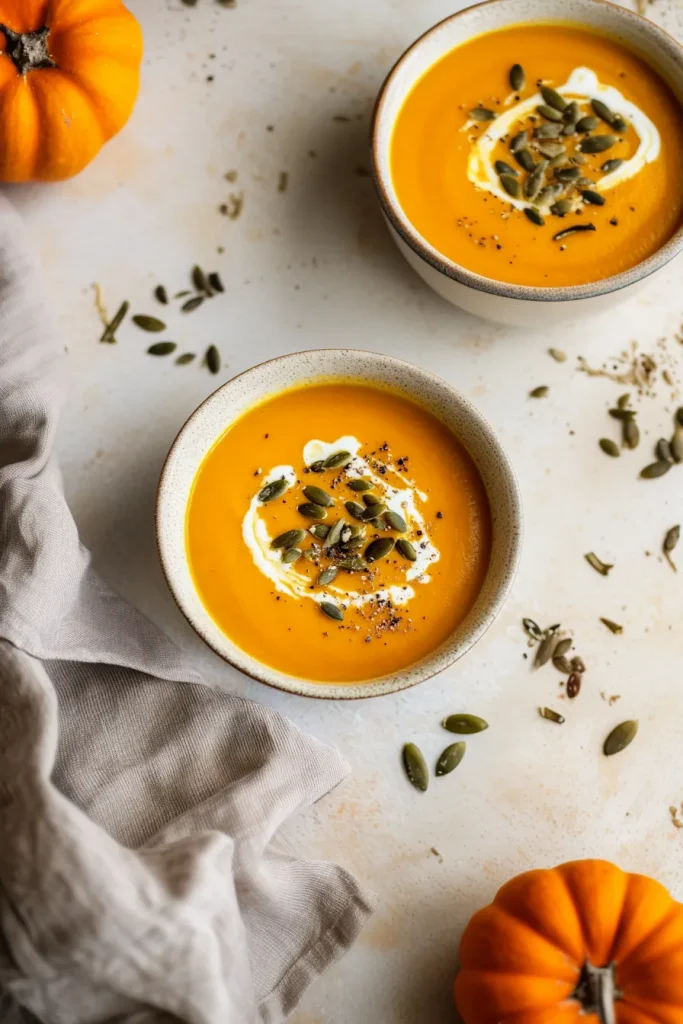
What to Serve With Creamy Autumn Squash Soup?
Because this soup is creamy and a little sweet, I like pairing it with foods that bring something salty, crisp, tangy, or cheesy to the table.
That contrast helps.
You can definitely eat the Creamy Autumn Squash Soup on its own, but give me bread and I’m probably happier.
- Crusty Bread: Sourdough, French bread, or a rustic whole-grain loaf is perfect for dipping. This is probably the easiest pairing and maybe the best.
- Grilled Cheese: Sharp cheddar, Gruyère, white cheddar, or even a combination of cheeses works really well with the sweet squash flavor. Honestly, soup and grilled cheese rarely let you down.
- Turkey Sandwich: Turkey, cheese, greens, and a little mustard give you that cozy café lunch feeling.
- Fall Salad: Mixed greens with apples, pears, dried cranberries, toasted nuts, and goat cheese make a fresh contrast to the soup.
- Garlic Bread: Salty, buttery garlic bread cuts through the sweet squash beautifully.
- Roasted Vegetables: Brussels sprouts, broccoli, cauliflower, and green beans all work if you’re serving the soup for dinner.
- Quiche: A slice of spinach, mushroom, bacon, or cheddar quiche turns the soup into a nice brunch or lunch meal.
- Chicken Salad Sandwich: Chicken salad on a croissant or crusty bread is surprisingly good with autumn squash soup.
- Apple and Cheddar Crostini: The apples echo the apple cider in the soup, while the sharp cheese keeps things balanced.
- Croutons and Pepitas: If you want something simple, just add crunchy croutons and toasted pumpkin seeds directly to the bowl.
FAQ
Can I Use Frozen Butternut Squash?
You can.
Frozen squash might not caramelize quite as deeply as fresh squash because it releases more water, but it still works.
I’d roast it rather than simmering it straight from frozen if you have time.
Why Is My Soup So Thick?
Pumpkin and squash naturally create a thick puree.
The soup also thickens more after refrigeration.
Just add a little broth, cream, milk, or water until it reaches the consistency you like.
Can I Make This Soup Vegan?
Yes.
Use olive oil or vegan butter, dairy-free cream cheese, and coconut cream or another plant-based cream.
Replace the honey with maple syrup too.
Can I Use Pumpkin Pie Filling?
I wouldn’t.
Pumpkin pie filling already contains sugar and spices, which can make the soup overly sweet and harder to balance.

Use 100% pumpkin puree instead.
I don’t know if there really is such a thing as the perfect fall soup.
People tend to get weirdly passionate about these things.
Some want spicy chili. Some want chicken noodle. Some want anything with pumpkin in it the second September shows up.
For me, this Creamy Autumn Squash Soup sits somewhere in the middle of all that. It’s sweet, but not completely sweet. Creamy, but still vegetable-forward. Familiar, but just unusual enough because of the apple cider and curry powder.
And maybe that’s why I keep making it.
It feels cozy without trying too hard.
So if you’ve got a butternut squash sitting on the counter and you’re not quite sure what to do with it, give this soup a shot. Taste as you go, change what you want, and don’t worry if your cream swirl looks nothing like the photo.
Mine probably doesn’t either.
If you make it, I’d genuinely love to know—would you keep it sweet and Panera-style, or take it in a more savory direction?
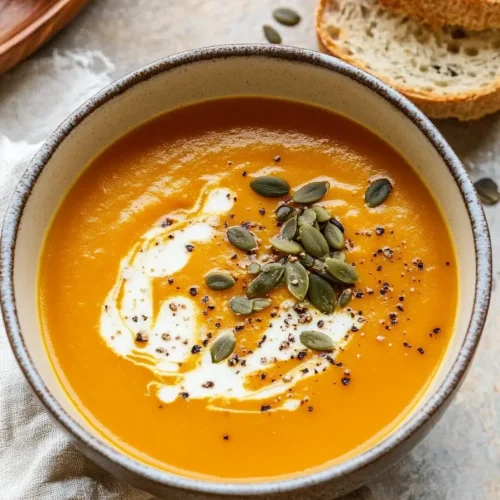
Creamy Autumn Squash Soup
Ingredients
For the Roasted Butternut Squash
- 1 large butternut squash peeled, seeded, and cut into cubes, approximately 6 cups or 2 lb
- 2 tbsp honey
- 2 tbsp unsalted butter melted
- Pinch of salt
- Pinch of ground cinnamon
For the Soup
- 1 tbsp olive oil
- 1 small yellow onion diced
- 2 large carrots thinly sliced or diced
- 3 garlic cloves minced
- 1 tbsp fresh ginger minced
- 4 cups vegetable broth
- 2 cups apple juice or apple cider not apple cider vinegar
- 2 tbsp lemon juice
- 1 tbsp honey
- 1 tsp kosher salt
- 1/2 tsp curry powder
- 1/2 tsp ground coriander
- 1/2 tsp ground cinnamon
- 1/4 tsp freshly ground nutmeg
- 1/8 tsp ground turmeric
- 1 15 oz can 100% pumpkin puree not pumpkin pie filling
- 4 oz cream cheese softened to room temperature
- 1/4 cup packed brown sugar
- 1/2 cup heavy cream
- Salt and freshly ground black pepper to taste
For Garnish
- Pepitas
- Heavy cream
- Paprika
Instructions
- Preheat the oven. Preheat the oven to 425°F. Line a rimmed baking sheet with parchment paper, if desired, to simplify cleanup.
- Season the butternut squash. Arrange the cubed butternut squash on the prepared baking sheet. Add the honey, melted butter, salt, and cinnamon. Toss thoroughly until the squash is evenly coated, then spread the cubes into a single, even layer.
- Roast the squash. Roast for approximately 25 minutes, or until the squash is tender and lightly caramelized around the edges. Remove from the oven and set aside.
- Sauté the onion. When the squash is nearly finished roasting, heat the olive oil in a large soup pot or Dutch oven over medium heat. Add the diced onion and cook for approximately 5 minutes, stirring occasionally, until softened and translucent.
- Add the carrots, garlic, and ginger. Stir in the carrots, minced garlic, and ginger. Cook for an additional 1 to 2 minutes, stirring frequently, until fragrant.
- Add the roasted squash and liquids. Add the roasted butternut squash to the pot, followed by the vegetable broth, apple juice or apple cider, lemon juice, honey, kosher salt, curry powder, coriander, cinnamon, nutmeg, and turmeric. Stir until well combined.
- Simmer the soup. Bring the mixture to a boil, then reduce the heat to medium-low. Simmer for approximately 10 minutes, or until the carrots are completely tender.
- Add the pumpkin and dairy ingredients. Stir in the pumpkin puree, softened cream cheese, and brown sugar. Mix until evenly distributed. The cream cheese may remain slightly clumpy at this stage; it will become smooth during blending.
- Cool slightly before blending. Remove the soup from the heat and allow it to cool for several minutes. If using a countertop blender, transfer the soup in batches, taking care not to overfill the blender with hot liquid.
- Puree until smooth. Blend the soup until completely smooth and creamy. Alternatively, use an immersion blender directly in the pot until the desired consistency is achieved.
- Add the heavy cream. Return the blended soup to the pot, if necessary, and stir in the heavy cream until fully incorporated.
- Adjust the seasoning. Taste the soup and add salt and freshly ground black pepper as needed. For a less sweet version, omit the brown sugar and the additional honey added to the soup.
- Serve. Ladle the Creamy Autumn Squash Soup into bowls and garnish with pepitas, a drizzle of cream, and a light sprinkle of paprika. Serve warm.
Notes
- Use a certified gluten-free vegetable broth, as some commercial broths may contain gluten-containing flavorings or additives.
- Confirm that the cream cheese, heavy cream, curry powder, ground spices, and pumpkin puree are labeled gluten-free if cross-contact is a concern.
- Use pure apple juice or apple cider without malt-based additives or flavorings.
- Keep all preparation surfaces, cookware, utensils, and garnishes free from gluten cross-contact when serving someone with celiac disease or a strong gluten sensitivity.
- If serving the soup with bread or croutons, choose certified gluten-free options.