Full-fat cream cheese, granulated sugar, eggs, heavy cream, vanilla extract, and cornstarch.
I’ll be honest with you — the first time I saw a San Sebastian Cheesecake, I thought, wait… are we sure this is supposed to look like that? The top was dark, almost burnt, the parchment was wrinkled like it had been through a small kitchen storm, and the middle had sunk in that dramatic way cheesecakes usually make us panic about. But then I tasted it. Oh. Suddenly, the whole thing made sense. That deep caramelized top, the creamy center, the rustic edges — it wasn’t a mistake at all. It was the charm.
The first time I baked San Sebastian Cheesecake at home, I hovered by the oven like I was watching the final minutes of a very intense TV episode. The top kept getting darker and darker, and even though I knew that’s what a burnt Basque cheesecake is supposed to do, I still had that tiny nervous voice saying, “Okay, but how burnt is too burnt?” Sound familiar? If you’re used to pale, smooth, carefully baked cheesecakes, this one feels a little rebellious. It bakes hot, browns deeply, puffs up, sinks down, and somehow comes out looking like it belongs in a cozy little Spanish café.
What I love about this San Sebastian Cheesecake is that it doesn’t demand perfection. Actually, it gives you permission to stop fussing. The parchment paper doesn’t need to sit neatly in the tin. The edges don’t have to be smooth. The top is supposed to be dark and caramelized. The cheesecake is supposed to wobble in the center when it comes out of the oven. I know, it feels a bit wrong the first time. But that wobble is part of what gives you the creamy middle later.
I first fell for this kind of Spanish cheesecake because it felt so different from the cheesecakes I grew up seeing on dessert tables. Those were usually neat, crusted, sliced into perfect wedges, maybe topped with cherries or whipped cream. Lovely, of course. But this one? This crustless cheesecake feels more relaxed. More moody. Like it showed up late to dinner wearing linen, didn’t apologize, and still somehow became the most interesting person in the room.
There’s also something about the flavor that feels grown-up without being too serious. The cream cheese gives it richness and tang, the heavy cream makes the center smooth and soft, the vanilla adds warmth, and the deeply caramelized top brings a toasted, almost bittersweet note. It’s creamy, but not boring. Sweet, but not cloying. Rich, yes, but in a way that makes you want a small second slice after coffee. I may or may not know this from experience.
And let’s talk about that burnt top for a second. I know “burnt” sounds like something went wrong, especially if you’ve ever pulled cookies from the oven and immediately smelled regret. But with burnt Basque cheesecake, the dark top is intentional. It gives the dessert its signature flavor and rustic look. It’s not burned in the sad way. It’s caramelized in the delicious way. Big difference. Very important.
This San Sebastian Cheesecake is also surprisingly easy, which still feels funny to me because it looks so impressive. There’s no crust to crush, no biscuit base to press down, no water bath to carefully carry to the oven while silently praying you don’t spill boiling water everywhere. You just mix the ingredients, pour the batter into a parchment-lined tin, bake it hot, cool it, chill it, and wait for the magic to settle. The waiting is probably the hardest part. I wish I were joking.
The cheesecake does need to chill for at least 2 hours, though overnight is even better. I know overnight chilling can feel like dessert teasing you from the fridge, but it really helps the texture firm up. The first slice is so much cleaner after it rests. The flavor also settles a little, becoming smoother and richer. It’s like the cheesecake needs a good sleep before it’s ready to be admired. Honestly, relatable.
So if you’re looking for a dessert that feels elegant but not fussy, bold but not complicated, and creamy with a little dramatic flair, this San Sebastian Cheesecake is a beautiful one to try. It’s rustic, caramelized, and wonderfully imperfect — which might be why it feels so special.

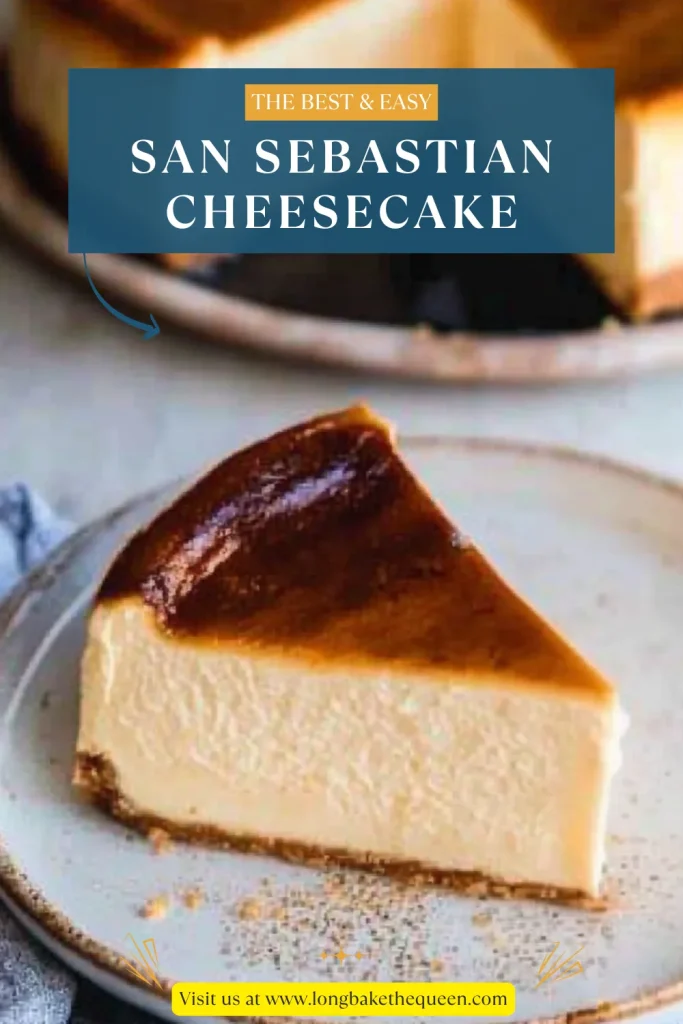
Why you’ll Love this San Sebastian Cheesecake?
You’ll love this San Sebastian Cheesecake because it looks like a fancy bakery dessert, but it’s actually one of the easiest cheesecakes to make. There’s no crust, no water bath, and no need to stress over cracks. The high heat creates that deep caramelized top, while the inside stays smooth and creamy. It feels impressive without making you earn it the hard way, and I’m very much here for that.
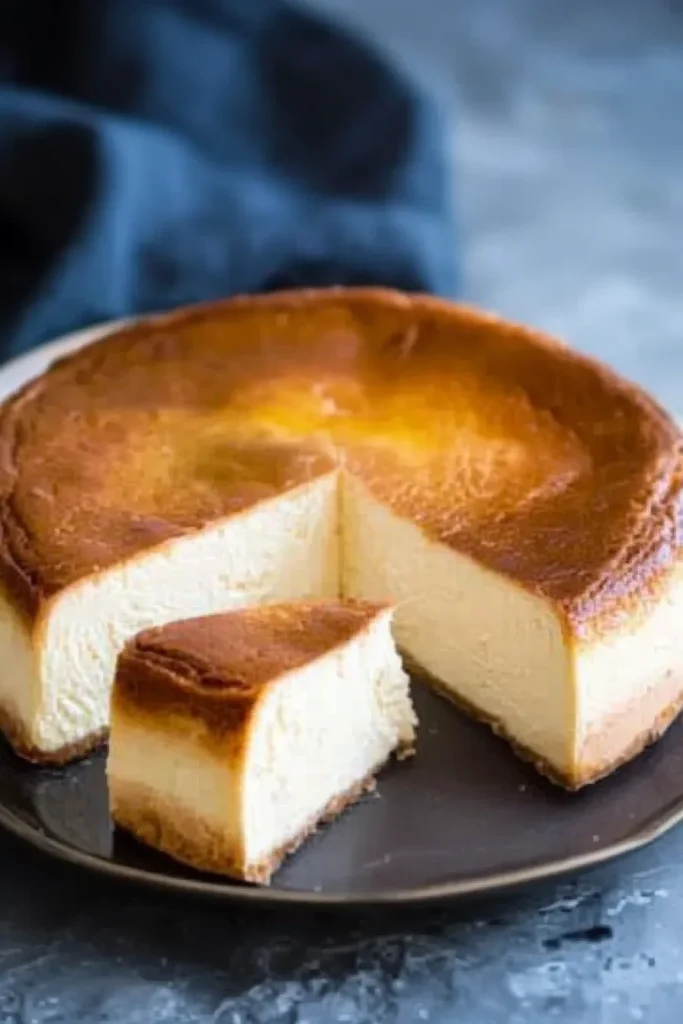
This burnt Basque cheesecake is perfect if you like desserts with character. The top turns dark brown and may even get nearly black around the edges, the sides wrinkle from the parchment, and the center sinks a bit as it cools. Instead of looking like something went wrong, all those little imperfections become part of the beauty. It’s a cheesecake that basically says, “Relax, I’m supposed to look like this.” Isn’t that kind of nice?
Another reason this Spanish cheesecake stands out is the texture. It’s not quite like a dense New York cheesecake, and it’s not loose like a pudding either. It lands somewhere soft, creamy, custardy, and sliceable. The edges are firmer, while the center stays tender and smooth after chilling. That contrast between the caramelized top and the creamy middle is what makes each bite so interesting.
The ingredient list is short, too. You only need full-fat cream cheese, sugar, eggs, heavy cream, vanilla, and cornstarch. That’s it. No crust ingredients, no topping required, no long list of extras. This easy cheesecake recipe lets the simple ingredients shine, which I appreciate because sometimes dessert recipes get a little too dramatic before they even start.
This crustless cheesecake is also a great make-ahead dessert. Since it needs time to chill, you can bake it the day before serving and let it rest overnight in the refrigerator. That means when it’s time for dessert, you’re not rushing around trying to decorate or cool anything at the last second. It’s already waiting for you, calm and creamy, like it has its life together.
I also love that San Sebastian Cheesecake doesn’t need decoration to feel special. The burnt top is the decoration. The wrinkled parchment lines are the decoration. The slightly sunken center is part of the whole look. You can add berries or sauce if you want, but you don’t have to. A plain slice with coffee is honestly hard to beat.
And maybe my favorite thing? It feels a little luxurious without being precious. It’s rich and creamy, but also rustic and unfussy. You can serve it after a dinner party, at a holiday gathering, or just because you want cheesecake and don’t feel like dealing with a crust. All valid reasons, by the way.
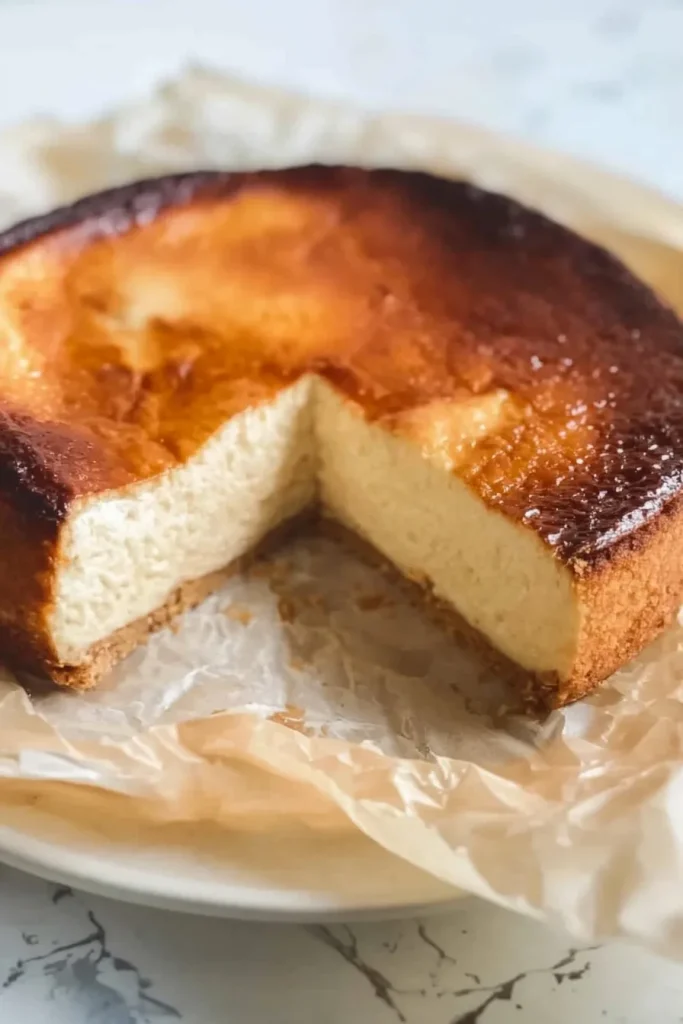
Ingredient Notes
The ingredients for San Sebastian Cheesecake are simple, but because there are so few of them, each one matters. Full-fat cream cheese gives the cheesecake body and richness, heavy cream keeps the center soft, eggs help it set, sugar sweetens and caramelizes, vanilla adds warmth, and cornstarch gives just enough structure. Nothing complicated, but the details really do help here.
- Full-Fat Cream Cheese: Full-fat cream cheese is the heart of this San Sebastian Cheesecake, and I really wouldn’t swap it for low-fat cream cheese if you can help it. The higher fat content helps the cheesecake set properly and gives it that rich, smooth texture. Use block-style full-fat cream cheese, such as Philadelphia, and let it come to room temperature before mixing. Cold cream cheese can leave little lumps in the batter, and then you’ll be chasing them around the bowl with a spatula, wondering why you didn’t wait ten more minutes. Been there.
- Granulated Sugar: Granulated sugar sweetens the cheesecake and helps create that beautifully caramelized top. Sieve it into the cream cheese so it blends more smoothly and doesn’t leave grainy spots behind. The sugar also balances the tanginess of the cream cheese. This burnt Basque cheesecake is sweet, but not overly sweet, which I like. The dark top adds a toasted flavor that keeps everything from feeling too heavy or one-note.
- Large Eggs: Eggs help the cheesecake set while keeping the center creamy. Use room-temperature eggs if possible because they blend more easily into the batter. Add them one at a time and beat after each addition so the mixture stays smooth. It sounds a little fussy, I know, but it’s not hard. It just gives the batter a better chance of staying silky instead of uneven.
- Heavy Cream or Double Cream: Heavy cream, also called double cream in some places, gives this Spanish cheesecake its soft, rich center. Use full-fat cream for the best result. This isn’t the best recipe for watery substitutions because the cream is part of what makes the filling so smooth and luxurious. Rich dairy is doing a lot of work here, and honestly, it deserves credit.
- Vanilla Extract: Vanilla extract adds warmth and rounds out the flavor of the cheesecake. It doesn’t take over, but it makes the cream cheese mixture taste softer and more complete. Two teaspoons is enough to give this creamy cheesecake a gentle sweetness in the background. It’s not flashy, but it matters. Vanilla is often the quiet friend making everything better.
- Cornstarch: Cornstarch, also called cornflour in the UK, helps stabilize the cheesecake and gives it enough structure to slice after chilling. You only need 30 grams, but it makes a difference. It keeps the center creamy without letting it become too loose. Make sure it is mixed in well, because no one wants a little pocket of dry cornstarch in an otherwise dreamy slice of cheesecake.
- Parchment Paper: Parchment paper is not technically an ingredient, but for San Sebastian Cheesecake, it’s part of the personality. Press it into the bottom and up the sides of the tin, leaving at least 2 inches of overhang. Don’t worry if it wrinkles or folds awkwardly. That rustic edge is exactly what gives this crustless cheesecake its signature look. For once, messy parchment is not only allowed — it’s kind of the goal.
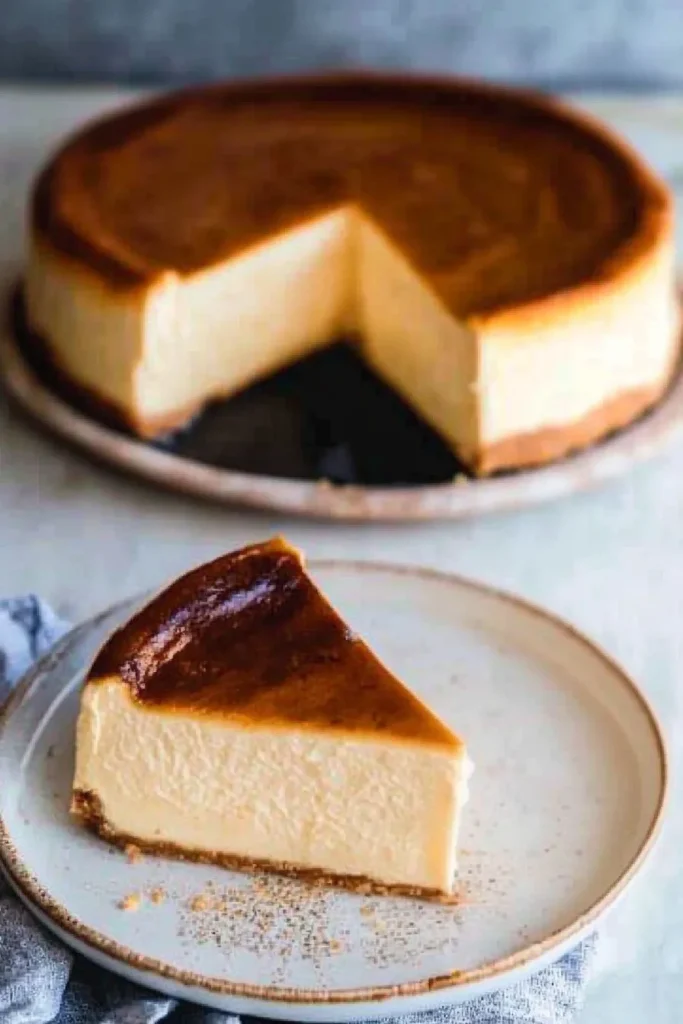
How to Make San Sebastian Cheesecake?
Making San Sebastian Cheesecake is much easier than its dramatic appearance suggests. You line the tin with parchment, beat the cream cheese until smooth, mix in the sugar, eggs, cream, vanilla, and cornstarch, then bake the cheesecake at a high temperature until the top is deeply caramelized and the center still wobbles. The wobble is important. I know it feels suspicious, but trust it.
Step 1: Line the baking tin
Line your baking tin with parchment paper, pressing it into the bottom and up the sides. Leave at least 2 inches of overhang at the top because the cheesecake will rise in the oven. The parchment does not need to look neat. In fact, the folds and wrinkles help create the rustic sides that make San Sebastian Cheesecake so recognizable. This is one of those rare baking moments where messy is not only fine, it’s charming.
Step 2: Preheat the oven
Preheat the oven to 220°C / 425°F / Gas Mark 7. This high heat is what gives burnt Basque cheesecake its famous dark, caramelized top. A lower temperature won’t create the same bold finish. Let the oven heat fully before baking, because the cheesecake needs that strong blast of heat right away. It’s a little dramatic, but this dessert seems to enjoy drama.
Step 3: Beat the cream cheese
Place the room-temperature full-fat cream cheese in a large bowl or stand mixer. Beat it for a few minutes until smooth and creamy. This step helps prevent lumps in the batter, so don’t rush it too much. If the cream cheese is cold, it can stay stubbornly lumpy. Cream cheese has moods, apparently, and room temperature is its best one.
Step 4: Add the sugar
Sieve the granulated sugar into the cream cheese and beat for at least 3 minutes, until the sugar is fully incorporated and the mixture looks smooth. Scrape down the sides of the bowl with a spatula so everything mixes evenly. This helps create a smooth base for your Spanish cheesecake and keeps little pockets of unmixed cream cheese or sugar from hiding around the edges.
Step 5: Add the eggs one at a time
Add the eggs one at a time, beating well after each addition. Scrape the sides of the bowl between additions to keep the batter even. Adding the eggs slowly helps everything blend smoothly and gives the cheesecake a better texture. The batter should start to look glossy and creamy here, which is always a good sign.
Step 6: Mix in the cream and vanilla
Pour in the heavy cream and add the vanilla extract. Beat until the mixture is fully combined. Scrape the bowl again so the batter is smooth from top to bottom. The cream gives this creamy cheesecake its soft center, while the vanilla adds that warm background flavor. At this point, the batter should be loose, smooth, and pourable.
Step 7: Add the cornstarch
Spoon in the cornstarch and beat until the cheesecake batter is smooth and lump-free. Cornstarch helps the filling set without making it heavy. Since this San Sebastian Cheesecake is known for its creamy middle, the cornstarch gives just enough support. Make sure it disappears fully into the batter before moving on.
Step 8: Pour the batter into the tin
Pour the cheesecake mixture into the prepared parchment-lined tin and spread it evenly. Carefully tap the tin on a hard surface a few times to release trapped air bubbles. No need to bang it like it owes you money. Just a few firm taps will help the batter settle and bake more evenly.
Step 9: Bake the cheesecake
Bake for about 30 to 40 minutes, or until the top is deeply caramelized brown and may be nearly black around the edges. The edges should look set, but the center should still wobble. This is the moment where you may question everything, especially if it looks too jiggly. But don’t worry — this burnt Basque cheesecake continues to set as it cools and chills. If the middle looks completely firm in the oven, the final texture may not be as creamy.
Step 10: Cool in the tin
Carefully remove the cheesecake from the oven and let it cool completely in the tin. It will puff up while baking, then slowly sink as it cools. That sinking is normal. Actually, it’s expected. The top may wrinkle and the sides may look uneven, but that’s part of the rustic charm of San Sebastian Cheesecake. Try not to poke it too much. I know it’s tempting.
Step 11: Chill until firm
Once the cheesecake is fully cooled, place it in the refrigerator for at least 2 hours, preferably overnight. Chilling helps the center firm up and makes the cheesecake much easier to slice. I know waiting overnight for dessert feels like emotional testing, but the texture really is better after a long chill. The flavor settles, the center becomes creamy and sliceable, and the whole thing feels more complete.
Step 12: Slice and serve
When you’re ready to serve, lift the cheesecake from the tin using the parchment overhang, or carefully remove it from the pan. Slice with a sharp knife, wiping the blade between cuts for cleaner slices. Serve it chilled or let it sit at room temperature for 15 to 20 minutes if you want a softer, creamier texture. Either way, this San Sebastian Cheesecake is rich, rustic, and absolutely worth the wait.
Storage Options
San Sebastian Cheesecake stores beautifully, which makes it a wonderful make-ahead dessert. Since it needs chilling time anyway, baking it ahead is actually a smart move. The flavor settles, the texture firms up, and the cheesecake becomes easier to slice after a proper rest in the refrigerator. Sometimes dessert planning really does pay off.
Store the cheesecake covered in the refrigerator for up to 4 to 5 days. You can keep it in the tin or transfer slices to an airtight container. If storing the whole cheesecake, cover it loosely with plastic wrap or foil once it is fully chilled. Try not to press the wrap directly onto the top if you want to keep that caramelized surface looking nice. It’s rustic, yes, but we still like it pretty.
For the best texture, let slices sit at room temperature for about 15 to 20 minutes before serving. Cold San Sebastian Cheesecake is firm and creamy, while slightly rested cheesecake becomes softer and silkier. I personally like it somewhere in the middle — not fridge-cold, not fully room temperature. But this is one of those things where people have preferences, and honestly, both ways are good.
You can freeze burnt Basque cheesecake, although the texture may be slightly softer after thawing. Chill the cheesecake completely first, then wrap individual slices tightly in plastic wrap and place them in a freezer-safe container. Freeze for up to 2 months. Thaw overnight in the refrigerator before serving. It may not be exactly like fresh, but it will still be rich, creamy, and very worth eating.
If you’re making this Spanish cheesecake for a dinner party, holiday table, or special meal, bake it the day before. Let it cool fully, refrigerate it overnight, and slice it the next day. That way, dessert is already handled before guests arrive. And honestly, having dessert ready ahead of time feels like a tiny personal victory. Like, yes, maybe the table isn’t set yet, but cheesecake is chilling. We’re doing fine.
Avoid leaving the cheesecake at room temperature for too long because it contains cream cheese, eggs, and cream. It can sit out briefly for serving, but leftovers should go back into the refrigerator. Serve what you need, enjoy your slice slowly, then tuck the rest away. Future-you will be very happy to find cheesecake waiting in the fridge.
Variations & Substitutions
This San Sebastian Cheesecake is beautiful as written, but you can still make small changes depending on your taste. Since the recipe uses only a few ingredients, I wouldn’t change too much at once. The full-fat cream cheese, eggs, and heavy cream are important for texture, but flavor accents and toppings are easy to play with. Keep the base reliable, then have fun around the edges.
- Add Lemon Zest: Lemon zest adds brightness to this creamy cheesecake and helps balance the richness. Add the zest of 1 lemon when you mix in the vanilla. It won’t make the cheesecake taste strongly lemony, but it gives the filling a fresher flavor. I like this option after a heavier meal because it makes each bite feel a little lighter.
- Use Orange Zest: Orange zest gives this Spanish cheesecake a warm, fragrant citrus note that pairs beautifully with the caramelized top. Add a small amount to the batter for a subtle flavor. It feels especially lovely around the holidays or for dinner parties, but honestly, orange and cream cheese are good together any time. Very underrated little combo.
- Add Espresso Powder: Add about 1 teaspoon of espresso powder if you want a gentle coffee note. It deepens the flavor and works especially well with the caramelized top of burnt Basque cheesecake. It won’t necessarily scream coffee, but it adds a cozy, slightly grown-up flavor. Perfect if you plan to serve the cheesecake with espresso.
- Serve with Berry Sauce: Berry sauce adds color, tartness, and freshness to San Sebastian Cheesecake. Raspberry, strawberry, blueberry, or mixed berry sauce all work well. The fruit balances the rich cream cheese filling and makes each slice look beautiful without a lot of effort. Spoon it beside the slice instead of covering the top so that gorgeous caramelized surface still shows.
- Add Chocolate Sauce: Chocolate sauce makes this crustless cheesecake feel more decadent. Dark chocolate sauce works especially well because it balances the sweetness and pairs nicely with the creamy filling. I’d drizzle it lightly, but if you’re a chocolate person, I understand if things get a little generous. We all have our ways.
- Use Cornflour Instead of Cornstarch: If you’re in the UK or another place where cornstarch is called cornflour, use the same amount. Just make sure it is fine white cornflour, not yellow cornmeal. Cornstarch helps stabilize the filling and gives the cheesecake a smooth, sliceable texture. A small ingredient, but it has an important job.
- Make It Extra Vanilla: If you love vanilla, add a little extra vanilla extract or use vanilla bean paste. Vanilla bean paste gives the cheesecake pretty little specks and a deeper vanilla flavor. It makes this easy cheesecake recipe feel a bit more luxurious without changing the method too much. Simple, but lovely.
- Serve with Salted Caramel: Salted caramel sauce pairs beautifully with the dark top of San Sebastian Cheesecake. A small drizzle adds sweetness and a salty contrast that works really well with the tangy cream cheese filling. It is rich, yes. Very rich. But sometimes dessert is allowed to be dramatic.
- Keep It Plain: Honestly, this cheesecake does not need toppings. A plain slice of San Sebastian Cheesecake with coffee is simple and perfect. The caramelized top and creamy center already have so much flavor. Sometimes the best thing you can do is leave a dessert alone and let it show off a little.
- Avoid Low-Fat Dairy: I don’t recommend low-fat cream cheese or light cream for this recipe. The full-fat dairy helps the cheesecake set and gives it that rich, creamy texture. Lighter swaps can make the cheesecake softer or less stable. This is one of those desserts where the rich ingredients really matter, so I’d let them do their job.
What to Serve With San Sebastian Cheesecake?
San Sebastian Cheesecake is rich, creamy, and deeply caramelized, so it pairs best with simple drinks and toppings that balance the flavor. You can serve it plain, with fruit, with coffee, or with a small drizzle of sauce. It already has a bold top and smooth center, so you don’t need to do much. Sometimes the quiet pairings are the best ones.
- Coffee: Coffee is one of the best pairings for San Sebastian Cheesecake. The bitterness of espresso or black coffee balances the creamy sweetness and works beautifully with the caramelized top. It gives the whole dessert that cozy café feeling, like you’re lingering at the table after dinner just because nobody wants to leave yet. I love that kind of dessert moment.
- Fresh Berries: Fresh raspberries, strawberries, blueberries, or blackberries are lovely with this creamy cheesecake. Their tartness cuts through the richness and adds beautiful color to the plate. Berries make the dessert feel fresh without requiring any decorating skills. Very helpful when you want the plate to look pretty but you’re not in the mood to fuss.
- Berry Compote: Berry compote is another wonderful pairing for burnt Basque cheesecake. A warm or chilled fruit sauce adds brightness and a little tang. Raspberry compote is especially good because it balances the rich filling so nicely. Spoon it beside the cheesecake rather than over the whole top so the caramelized surface can still be the star.
- Salted Caramel Sauce: Salted caramel sauce echoes the caramelized flavor of the cheesecake top. A small drizzle over each slice makes the dessert feel extra special. Since the cheesecake is already rich, you don’t need much. But if the drizzle becomes more of a pour, I’m not here to scold anyone. Dessert is personal.
- Chocolate Sauce: Chocolate sauce turns this Spanish cheesecake into a richer dessert. Dark chocolate sauce works especially well because it balances the sweetness and adds depth. Serve it on the side so people can add as much or as little as they like. Chocolate and cheesecake rarely have a bad conversation.
- Whipped Cream: Lightly sweetened whipped cream adds a soft, airy contrast to the dense creaminess of the cheesecake. Keep it simple so it doesn’t compete with the flavor. Think of it as a little cloud beside the slice, not a whole second dessert. The cheesecake is already doing plenty.
- Fresh Citrus: Orange slices, candied orange peel, or a little lemon zest can brighten each slice. Citrus works well with the rich filling and dark caramelized top. It’s especially nice after a heavier meal when you want dessert to feel a bit fresher. Just a little citrus can wake everything up.
- Dessert Wine: A small glass of dessert wine can pair nicely with San Sebastian Cheesecake, especially for a dinner party. Choose something sweet but balanced. The creamy texture and caramelized top can handle a richer drink, but the cheesecake should still be the main event. We’re not letting the wine steal the show.
- Tea: Black tea, Earl Grey, or lightly spiced tea pairs nicely with this crustless cheesecake. Tea cuts through the richness gently and makes the dessert feel cozy. Earl Grey is especially nice if you like citrusy, floral notes with creamy desserts. Very calm, very after-dinner.
- Plain and Chilled: Sometimes the best pairing is nothing at all. Serve this San Sebastian Cheesecake chilled or slightly rested at room temperature and let the caramelized top and creamy center do all the talking. A plain slice is simple, elegant, and honestly, hard to improve. Not everything needs a topping, even though I do love a topping.
FAQ
Is the center supposed to be wobbly?
Yes, the center should still wobble when the cheesecake comes out of the oven. The edges should be set, but the middle should jiggle a little. I know it can feel strange if you’re used to traditional cheesecake, but that wobble is what helps create the creamy center after chilling. It will continue to set as it cools and firms up in the refrigerator.
Do I need a water bath for San Sebastian Cheesecake?
No, you don’t need a water bath for this San Sebastian Cheesecake. That’s one of the best things about it. The cheesecake bakes at high heat, and the rustic look means cracks, wrinkles, sinking, and dark edges are all welcome. No wrapping pans in foil. No worrying about leaks. No water bath drama.
Why did my cheesecake sink after baking?
The cheesecake is supposed to sink as it cools. It rises in the oven, then deflates and settles while cooling. This is part of the classic look of burnt Basque cheesecake. The sinking creates that rustic top and helps the texture settle into something creamy and sliceable. So if it sinks, don’t panic. It’s doing its thing.
Why is my cheesecake lumpy?
Lumps usually happen when the cream cheese is too cold or not beaten long enough before adding the other ingredients. Use room-temperature cream cheese and beat it until smooth before adding the sugar, eggs, cream, and cornstarch. Scrape the sides of the bowl often too. It’s one of those small habits that saves you from batter regret later.
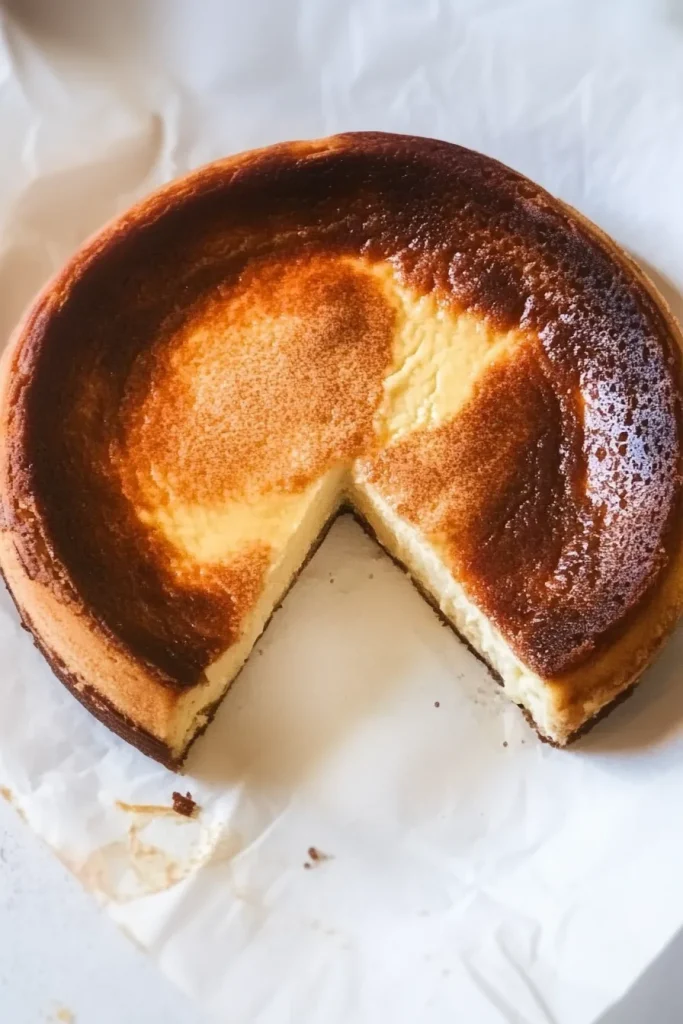
This San Sebastian Cheesecake is creamy, rustic, deeply caramelized, and surprisingly simple to make. It has that bold burnt top, a soft center, and a beautifully imperfect look that makes it feel special without needing any decoration. Honestly, I love desserts like this — the ones that look a little wild but taste absolutely dreamy.
What I appreciate most is that this burnt Basque cheesecake doesn’t ask you to be perfect. No crust. No water bath. No panic over cracks. Just simple ingredients, a hot oven, a little patience, and a cheesecake that gets better after chilling. It’s rich, creamy, and dramatic in the best possible way.
Try this San Sebastian Cheesecake the next time you want a creamy Spanish cheesecake, an easy crustless cheesecake, or a caramelized dessert that feels special without being fussy. And tell me — would you serve it plain, with berries, or with a little salted caramel drizzle? Can’t wait to hear what you think!
San Sebastian Cheesecake
Ingredients
- 600 g full-fat cream cheese room temperature (Philadelphia full-fat cream cheese or another block-style full-fat cream cheese is recommended)
- 200 g granulated sugar
- 3 large eggs room temperature
- 300 ml heavy cream also known as double cream
- 2 tsp vanilla extract
- 30 g cornstarch also known as cornflour in the UK
Instructions
Prepare the baking tin.
- Line the baking tin with parchment paper, pressing the parchment firmly into the bottom and up the sides of the tin. Leave at least 2 inches of overhang above the rim. The parchment does not need to be smooth or perfectly fitted, as the folds will contribute to the rustic appearance of the cheesecake.
Preheat the oven.
- Preheat the oven to 220°C / 425°F / Gas Mark 7.
Beat the cream cheese.
- Place the room-temperature full-fat cream cheese in a large mixing bowl or the bowl of a stand mixer. Beat for several minutes, or until smooth and creamy.
Add the sugar.
- Sieve the granulated sugar into the cream cheese. Beat for at least 3 minutes, or until the sugar is fully incorporated and the mixture is smooth and lump-free. Scrape down the sides of the bowl with a spatula to ensure even mixing.
Add the eggs.
- Add the eggs one at a time, beating well after each addition until fully incorporated. Scrape down the sides of the bowl as needed to maintain an even mixture.
Add the cream and vanilla.
- Pour in the heavy cream and add the vanilla extract. Beat until fully combined and smooth. Scrape down the sides and bottom of the bowl to ensure the batter is evenly mixed.
Add the cornstarch.
- Spoon in the cornstarch and beat until the cheesecake mixture is completely smooth and lump-free. Scrape the bowl once more to ensure the cornstarch is fully incorporated.
Transfer the batter to the tin.
- Pour the cheesecake batter into the prepared parchment-lined tin. Spread the mixture evenly with a spatula.
Release air bubbles.
- Carefully tap the baking tin on a firm surface several times to help release any trapped air bubbles.
Bake the cheesecake.
- Place the tin in the preheated oven and bake for approximately 30 to 40 minutes, or until the top is deeply caramelized brown and may appear nearly black around the edges. The edges should be set, while the center should remain wobbly.
Cool in the tin.
- Remove the cheesecake carefully from the oven and allow it to cool completely in the tin. The cheesecake will rise during baking and deflate as it cools; this is expected and contributes to its traditional rustic appearance.
Chill the cheesecake.
- Once fully cooled, transfer the cheesecake to the refrigerator. Chill for at least 2 hours, preferably overnight, until fully firm and set.
Serve.
- Remove the cheesecake from the tin using the parchment overhang. Slice with a sharp knife, wiping the blade between cuts for cleaner servings. Serve chilled or slightly rested at room temperature.
Notes