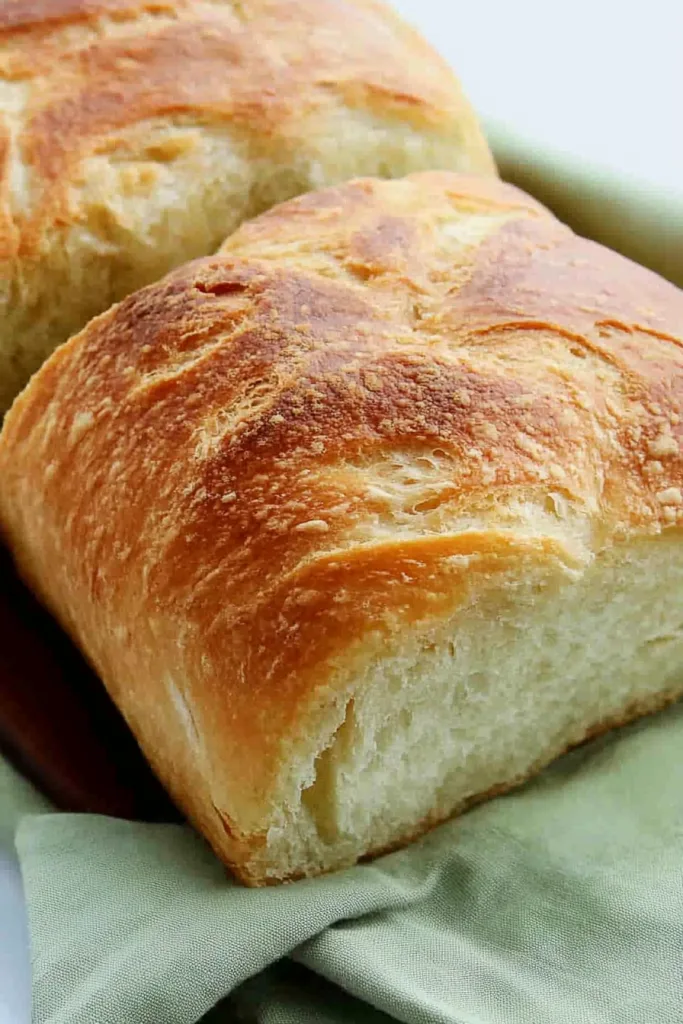
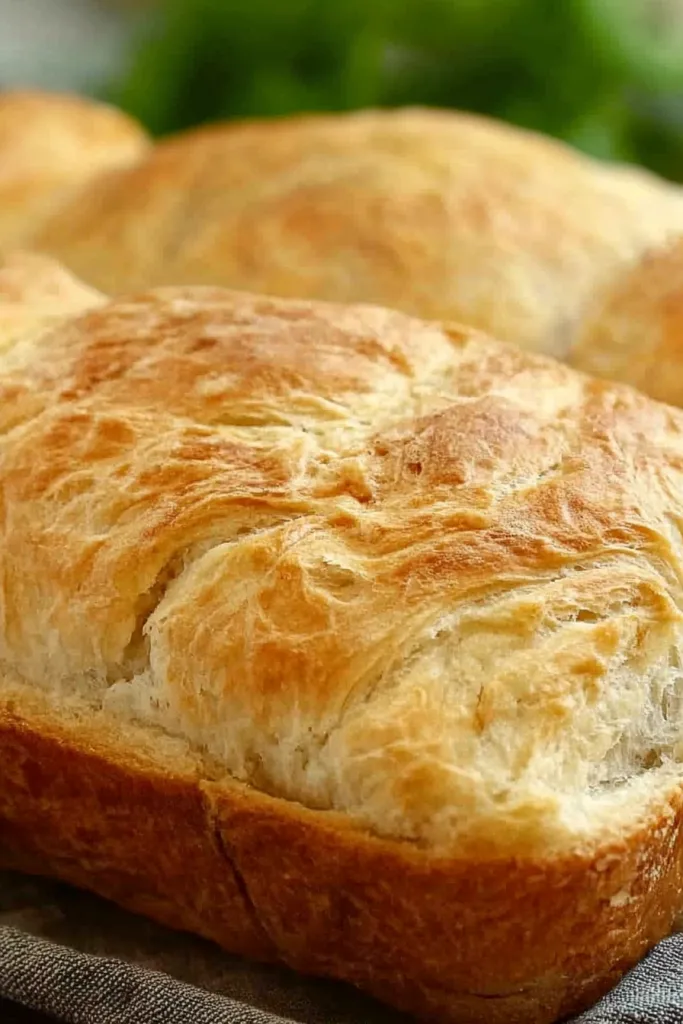
Soft homemade bread made with floury potatoes, potato water, active dry yeast, salt, unbleached flour, butter, and whole wheat flour.
There’s something about a Potato Bread Recipe that feels like it came from a kitchen where people didn’t waste anything. You boil potatoes, save the water, mash everything up, and suddenly those humble little potatoes become the secret to a soft, tender loaf of bread. I love that kind of recipe. It feels practical and comforting at the same time, like something a grandmother would make without measuring too dramatically, just knowing by touch when the dough feels right.
The first time I made homemade potato bread, I’ll be honest, I was a little suspicious of the dough. It was sticky. Very sticky. Not “oh, this is charming” sticky. More like, “Is this dough or wallpaper paste?” sticky. I had flour on the counter, flour on my shirt, and probably flour somewhere it had no business being. Sound familiar? But that’s the thing about this Potato Bread Recipe — the dough starts messy and soft because of the mashed potatoes and the starchy potato water. You have to trust it a little. And maybe trust yourself too, which is not always easy when dough is clinging to your fingers like it pays rent there.
What I love most about this homemade potato bread is that it rewards patience. It’s not a quick bread. It won’t be ready in the time it takes to scroll through your phone and pretend you’re meal planning. It needs rising time, kneading time, shaping time, and cooling time. But while it rises, the whole kitchen starts feeling slower in the nicest way. You peek at the bowl, see the dough puffing up, and there’s this tiny little thrill of, Okay, it’s working. Bread does that. It makes you feel like you pulled off a small miracle with flour and yeast.
This Potato Bread Recipe also gives you both a loaf and rolls, which feels wonderfully generous. The loaf is perfect for sandwiches, toast, grilled cheese, or thick slices with butter and jam. The rolls are soft and tender, exactly the kind you want next to soup, stew, roasted chicken, or a big Sunday dinner. I love a recipe that gives me options. One batch, two forms of bread. That feels like a win, especially when the house smells like a bakery and everyone keeps asking, “Is it ready yet?”
The potatoes are the real magic here. They make the bread moist, soft, and just a little heartier than a plain white loaf. The reserved potato water helps too, because it carries all that starch into the dough. It’s an old-school trick, and honestly, it makes so much sense. Why pour all that good potato water down the drain when it can help make bread softer? This is the kind of practical kitchen wisdom I really appreciate.
And maybe it’s just me, but homemade bread always feels emotional. Not in a dramatic movie-scene way. More in a quiet, everyday way. The smell, the waiting, the warm rolls on the rack, the first slice with butter melting into it — it all feels grounding. This Potato Bread Recipe reminds me that sometimes the best food isn’t fancy at all. It’s slow, soft, a little messy, and made with your hands.


Why you’ll Love this Potato Bread Recipe?
This Potato Bread Recipe is special because it creates bread that is soft, tender, and comforting without using fancy ingredients. The mashed potatoes add moisture, and the potato water gives the dough a gentle softness that regular water just doesn’t quite bring. It’s one of those small differences you may not think much about while mixing the dough, but you’ll notice it when you slice the loaf. The crumb is soft, almost pillowy, but still sturdy enough for toast or sandwiches.
Another thing I really love is how practical this recipe is. You get one large loaf and a batch of rolls from the same dough. That means you can use the loaf for everyday things like toast, sandwiches, or grilled cheese, while the rolls can go straight into a dinner basket. It feels like the recipe is thinking ahead for you. And honestly, I appreciate any recipe that helps future-me a little. Future-me is usually hungry and looking for bread.
The texture is what makes homemade potato bread so lovely. Some homemade breads are wonderful right out of the oven but dry out faster than you’d like. This bread stays soft longer because of the potatoes. The starch helps hold onto moisture, so the loaf and rolls don’t feel dry the next day. I’m not saying they’ll last long enough for you to fully test that theory, because warm potato rolls have a way of disappearing, but still. It’s nice to know.
This Potato Bread Recipe also has a simple but cozy flavor. The unbleached all-purpose flour keeps the bread light, while the whole wheat flour adds a little nuttiness and depth. Not enough to make the bread dense or heavy, just enough to make it taste more homemade. The butter adds softness and richness, and the salt keeps everything balanced. It’s mild, but not boring. It’s the kind of bread that plays well with everything.
And yes, the dough starts sticky. I won’t sugarcoat that. But sticky dough is often the price of soft bread, and I think it’s worth it. You add flour as you knead, little by little, until the dough becomes easier to handle while still staying soft. If you add too much flour too fast, the bread can turn heavier. So this is one of those recipes where you have to feel your way through a little. Not stressful. Just hands-on. Do you agree that the best homemade bread usually asks for a tiny bit of patience?
Ingredient Notes
The ingredients in this Potato Bread Recipe are simple, but they all matter. This isn’t a long list of trendy ingredients or complicated baking extras. It’s potatoes, potato water, yeast, flour, salt, butter, and a little whole wheat flour. Basic, yes. But when those ingredients come together, they make bread that tastes soft, cozy, and deeply homemade. The kind of bread that makes you reach for the butter before you even sit down.
- Floury potatoes: Idaho, Russet, and Yukon Gold potatoes all work well in this Potato Bread Recipe. Russets and Idaho potatoes are starchy and fluffy, which makes them easy to mash and great for bread. Yukon Gold potatoes add a slightly buttery flavor and a pretty color. The most important thing is to cook the potatoes until they’re very tender. If the potatoes are firm or lumpy, they won’t blend into the dough as smoothly.
- Potato cooking water: Please don’t pour the potato water down the sink. I know it’s tempting because it looks like regular cooking water, but it’s actually doing something useful here. The potato water is full of starch, and that starch helps create a soft, tender crumb in the bread. It’s one of those old-fashioned kitchen tricks that feels almost too simple, but it works.
- Salt: Salt seasons the potatoes and the bread dough. Without it, the bread can taste flat, even if everything else is right. This recipe uses salt in two places, so pay attention to the amounts. It may seem like a small detail, but salt is what makes the bread taste like bread instead of just flour and potatoes trying their best.
- Active dry yeast: Yeast gives this homemade potato bread its rise. The yeast needs lukewarm liquid to wake up properly, around 70°F to 80°F. If the potato water is too hot, it can hurt the yeast. If it’s too cool, the rise may take longer. Think gentle warmth, not hot bath. Yeast is alive and a little dramatic, honestly.
- Unbleached all-purpose flour: Unbleached all-purpose flour gives the bread structure. The recipe uses a range because potato dough can vary depending on how much moisture is in your potatoes, how much water they absorbed, and even the humidity in your kitchen. Start with less and add more as needed while kneading. The dough should become workable but still soft.
- Unsalted butter: Softened butter adds richness and tenderness. It doesn’t make the bread heavy. It just gives the dough a softer flavor and a nicer crumb. Butter also makes the rolls especially lovely when served warm.
- Whole wheat flour: The whole wheat flour adds a little earthy, nutty flavor to this Potato Bread Recipe. There’s only 1 cup, so it doesn’t make the bread dense. It just gives the loaf and rolls a little more character than plain white bread.
How to Make Potato Bread Recipe?
Making this Potato Bread Recipe takes time, but the process is very doable if you take it step by step. You cook the potatoes, save the water, mash the potatoes, mix the dough, knead it, let it rise, shape it into a loaf and rolls, let it rise again, and bake. Written out, yes, it looks like a lot. But in the kitchen, it has a rhythm. Cook, mix, wait, shape, bake. A slow little bread dance, basically.
Step 1: Cook the potatoes. Place the peeled potato chunks in a medium saucepan with 4 cups of water. Bring the water to a boil, then add 1 teaspoon of salt. Cook the potatoes, half covered, until they are very tender, about 20 to 25 minutes. You want them soft enough to mash without a fight. If the fork doesn’t slide in easily, give them a few more minutes. Potatoes are not where we want to rush.
Step 2: Drain and mash the potatoes. Drain the potatoes, but reserve the cooking water. This is important. That starchy potato water is part of what makes this homemade potato bread so soft. Mash the potatoes very well until smooth. A few tiny bits won’t ruin anything, but smoother potatoes blend into the dough more easily and give the bread a better texture.
Step 3: Measure the potato water. Measure out 3 cups of the reserved potato water. If you don’t have enough, add extra water until you reach 3 cups. Place the potato water and mashed potatoes into the bowl you plan to use for mixing the dough. Stir everything well and let it cool to lukewarm, about 70°F to 80°F. This part matters because hot potato water can damage the yeast, and nobody wants sad yeast.
Step 4: Add the yeast. In a 1-cup measuring cup, stir the active dry yeast into 1 cup of the cooled potato water mixture. Add this yeast mixture back into the bowl with the mashed potatoes and remaining potato water. Let it stand for 5 minutes. This gives the yeast a chance to wake up and start working.
Step 5: Add the first flour. Add 2 cups of unbleached all-purpose flour to the potato and yeast mixture. Stir until combined, then let it rest for 3 to 4 minutes. This short rest lets the flour absorb some moisture and helps the dough start coming together. It may still look loose and messy. That’s normal.
Step 6: Add salt, butter, and whole wheat flour. Sprinkle in the remaining 1 tablespoon of salt and add the softened butter. Mix well. Then add the whole wheat flour and stir briefly. At this stage, the dough will still be soft and sticky. Try not to panic. Potato bread dough is just a little needy in the beginning.
Step 7: Add more all-purpose flour. Add 2 more cups of unbleached all-purpose flour and stir until the flour is fully incorporated. The dough will begin looking more like bread dough, but it will still be sticky. This is where you start building structure without overloading it with flour.
Step 8: Knead the dough. Turn the dough out onto a generously floured surface. Knead for about 10 minutes, adding more flour as needed to keep the dough from sticking too much. At first, the dough may feel like it is trying to glue itself to everything. Use a dough scraper if you have one. If you don’t, keep your hands and surface lightly floured and keep going. As the dough takes in flour, it becomes easier to handle. The finished dough should still feel very soft, not stiff.
Step 9: Let the dough rise. Place the kneaded dough into a large clean bowl or rising container. Cover with plastic wrap or a lid and let it rise for about 2 hours, or until doubled in volume. The dough should look puffy, soft, and noticeably bigger. I always love this part. You leave dough alone, and somehow it becomes more bread-like while you do other things. Magic, but with yeast.
Step 10: Gently knead after rising. Turn the risen dough out onto a well-floured surface and knead gently for 3 to 4 minutes. It will still be moist and a little sticky. Don’t overwork it. You’re just bringing it back together and preparing it for shaping.
Step 11: Divide the dough. Divide the dough into 2 unequal pieces: one larger piece that is about two-thirds of the dough and one smaller piece that is about one-third. Set the smaller piece aside and cover it loosely with a kitchen towel while you shape the loaf.
Step 12: Shape the loaf. Butter a 9 x 5 x 2.5-inch loaf pan. Flatten the larger piece of dough on the floured surface into an oval, about 12 x 8 inches. Roll it up from a narrow end to form a loaf. Pinch the seam closed and place the dough seam side down in the buttered pan. The dough should come about three-quarters of the way up the sides of the pan.
Step 13: Let the loaf rise. Cover the loaf pan with plastic wrap and let the dough rise for 35 to 45 minutes, or until puffy and almost doubled. It should look soft and full, but not like it’s about to climb out of the pan and start a new life.
Step 14: Shape the rolls. Butter a 13 x 9-inch sheet cake pan or shallow cake pan. Cut the smaller dough piece into 12 equal pieces. Shape each piece into a ball under the palm of your floured hand. Place the rolls in the prepared pan, leaving about 1/2 inch between them. They’ll puff up as they rise and bake.
Step 15: Let the rolls rise. Cover the rolls with plastic wrap and let them rise for about 35 minutes, or until puffy and almost doubled. This second rise helps the rolls bake up soft and tender. Don’t rush it too much. Puffy rolls are happy rolls.
Step 16: Preheat the oven. Preheat the oven to 450°F. Starting the bread at a high temperature helps give it a good lift in the oven. That first burst of heat helps the loaf and rolls rise quickly before the crust sets.
Step 17: Finish the tops. Dust the risen loaf and rolls with a little all-purpose flour, or lightly brush the tops with melted butter. Slash the loaf crosswise two or three times with a very sharp knife. These slashes help the loaf expand while baking and give it that classic homemade bread look.
Step 18: Bake at high heat first. Place the loaf and rolls in the oven. Bake at 450°F for 10 to 15 minutes. This high-heat start helps create a good rise and begins forming the crust.
Step 19: Reduce the heat and finish baking. Turn the oven down to 375°F and continue baking. Bake the rolls until golden, about 30 minutes total. Bake the large loaf for about 50 minutes total. The bread should be golden and should sound hollow when tapped on the bottom.
Step 20: Cool the rolls and finish the loaf. Transfer the rolls to a rack to cool. When the loaf has baked for the specified time, remove it from the pan and place it back on a baking sheet for another 5 to 10 minutes. The corners should feel firm when pinched, and the bread should sound hollow when tapped on the bottom. This extra step helps the loaf finish baking evenly.
Step 21: Cool before slicing. Let all the bread cool on a rack for at least 30 minutes before slicing. I know this is the hardest part. Warm bread smells unfair. But letting the loaf cool helps it slice better. The rolls can be served warm or at room temperature, and yes, a warm roll with butter absolutely counts as a baker’s reward.
Storage Options
This Potato Bread Recipe stores nicely because the potatoes help keep the bread soft and moist. Once the loaf and rolls are completely cool, wrap them tightly in plastic wrap, foil, or place them in airtight containers. Store them at room temperature for 2 to 3 days in a cool, dry spot. If your kitchen is warm or humid, the bread may soften or dry out faster, so keep an eye on it.
For longer storage, refrigerate the bread for up to 1 week. I’ll be honest, the refrigerator can dry bread out a little, so wrap it very well. When you’re ready to eat it, warm slices or rolls slightly in the microwave or oven to bring back some softness. A little butter helps too. Actually, butter helps most bread situations. That’s just life.
You can also freeze homemade potato bread. Wrap the cooled loaf or rolls tightly in plastic wrap, then place them in a freezer-safe bag or wrap again in foil. Freeze for up to 3 months. You can freeze the loaf whole, freeze individual slices, or freeze the rolls separately. I love freezing slices because you can grab exactly what you need for toast, sandwiches, or a quick grilled cheese. Future-you will be very pleased.
Variations & Substitutions
This Potato Bread Recipe is wonderful as written, but it also gives you room to make it your own. Homemade bread is flexible once you understand the dough. The main thing is to keep it soft and not add too much flour too quickly. Potato dough should be tender, even when it’s kneaded. If it feels a little sticky, that doesn’t mean you’re doing it wrong. It just means the bread is heading toward soft and lovely.
- Use all white flour: If you want a lighter loaf, replace the whole wheat flour with unbleached all-purpose flour. The bread will be softer in flavor and lighter in color, but still tender and delicious.
- Add herbs: Fresh rosemary, thyme, or chives can turn this into a savory potato bread. Herbs are especially nice if you’re serving the bread with soup, stew, roasted chicken, or a holiday dinner. Rosemary and potato bread together? Very cozy.
- Brush with butter: Brush the baked loaf or rolls with melted butter for a softer crust and richer flavor. This is especially nice for the rolls, because warm buttered rolls have a way of making people very happy.
- Make all rolls: Instead of making one loaf and one pan of rolls, you can shape all the dough into rolls. This is great for holidays, family dinners, or anytime you want a big basket of soft potato rolls on the table.
- Make two loaves: If you prefer sandwich bread, divide the dough into two loaf pans instead of making rolls. Watch the baking time and check that each loaf sounds hollow when tapped on the bottom.
- Use Yukon Gold potatoes: Russet and Idaho potatoes work well, but Yukon Gold potatoes add a slightly buttery flavor and a soft golden color. They make the bread feel a little richer without changing the recipe too much.
- Add cheese: A small amount of shredded cheddar or Parmesan can make this Potato Bread Recipe more savory. Add it carefully so the dough doesn’t become too heavy. Cheese in bread is always tempting, but restraint helps here.
- Use potato flakes in a pinch: This recipe is designed for fresh potatoes, but instant potato flakes can sometimes work in potato bread. The texture and moisture will be different, so fresh potatoes are best for this version. Still, if you’re experimenting, it’s an option.
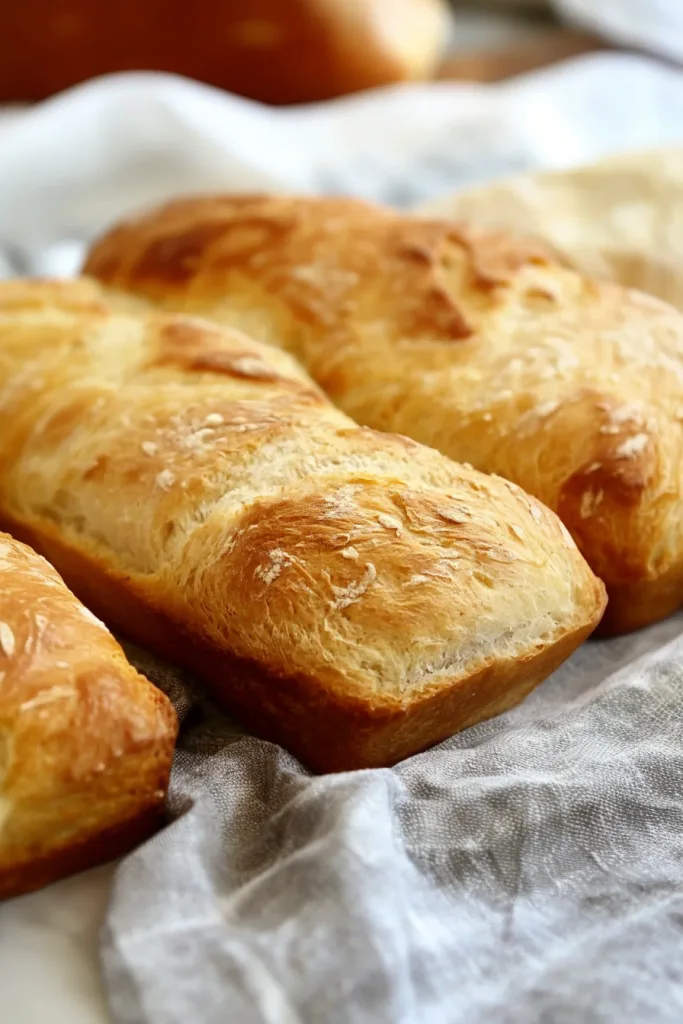
What to Serve With Potato Bread Recipe?
This Potato Bread Recipe gives you both a loaf and rolls, which means you have plenty of ways to serve it. The bread is soft, tender, and just hearty enough to pair with soups, stews, sandwiches, breakfast eggs, and cozy dinners. It has enough flavor to stand on its own but is mild enough to work with almost anything. Basically, it’s the kind of bread that doesn’t make a fuss. It just makes the meal better.
- Butter and jam: A warm slice with butter and jam is simple and lovely. The bread is soft enough for breakfast or an afternoon snack, and the potato gives it a tender texture that works beautifully with sweet spreads.
- Soup: Potato bread is wonderful with soup. Serve it with chicken noodle soup, tomato soup, vegetable soup, beef stew, creamy potato soup, or any broth-based dinner where you need something for dipping. Bread has many jobs, and soaking up soup is one of its best.
- Sandwiches: Use the loaf for turkey sandwiches, ham and cheese, chicken salad, egg salad, or grilled cheese. The bread is soft but sturdy enough to hold fillings without falling apart. Grilled cheese on homemade potato bread is especially good. Maybe too good.
- Toast: This homemade potato bread makes excellent toast. It gets golden on the outside while staying tender inside. Add butter, honey, jam, peanut butter, or whatever makes your morning better.
- Dinner rolls: The rolls are perfect with roasted chicken, pot roast, meatloaf, holiday meals, or weeknight dinners. They’re soft enough to pull apart but sturdy enough to mop up gravy, and that’s exactly what a dinner roll should do.
- Breakfast eggs: Serve toasted potato bread with scrambled eggs, fried eggs, or an omelet. It makes breakfast feel more homemade without requiring much effort.
- Cheese boards: Sliced potato bread or rolls can be served with cheeses, spreads, and cured meats. The mild flavor pairs well with sharp cheddar, soft cheeses, savory spreads, or even a little honey.
- Gravy or stew: This bread is excellent for soaking up gravy, stew broth, or sauce. Honestly, if there’s something savory left on the plate, potato bread knows what to do.
FAQ
What does potato do in bread?
Potatoes add moisture and tenderness to bread. In this Potato Bread Recipe, both mashed potatoes and potato water help create a soft crumb and keep the bread from drying out too quickly. That’s why potato bread often feels softer than regular white bread.
Can I use leftover mashed potatoes?
You may be able to use plain leftover mashed potatoes, but they should not have a lot of butter, milk, garlic, cheese, or seasonings. This recipe is written for freshly cooked potatoes and reserved potato water, so leftovers can change the texture and flavor. If the mashed potatoes are very rich or heavily seasoned, I’d save them for dinner instead.
Why is my potato bread dough so sticky?
Potato bread dough is naturally sticky because of the mashed potatoes and potato water. Add flour gradually while kneading, but don’t add too much too quickly. The dough should become easier to handle while still staying soft. Sticky at first doesn’t mean ruined. It usually means you’re on the right track.
Can I make only rolls with this dough?
Yes, you can shape all the dough into rolls instead of making one loaf and one pan of rolls. Just keep an eye on the baking time because rolls bake faster than a large loaf. This is a great option for holiday dinners or big family meals.

This Potato Bread Recipe is soft, tender, comforting, and deeply homemade in the best way. The mashed potatoes and reserved potato water give the bread a beautiful texture, while the mix of all-purpose and whole wheat flour adds structure and flavor. You get one loaf and one pan of rolls, which makes the recipe feel extra generous — and honestly, very satisfying.
Make this homemade potato bread for soup night, Sunday dinner, holiday meals, sandwiches, toast, or simply because you want your kitchen to smell like fresh bread. And if you sneak a warm roll with butter before anyone else gets to the table, I fully understand. Can’t wait to hear what you think — are you slicing the loaf first, or going straight for the rolls?
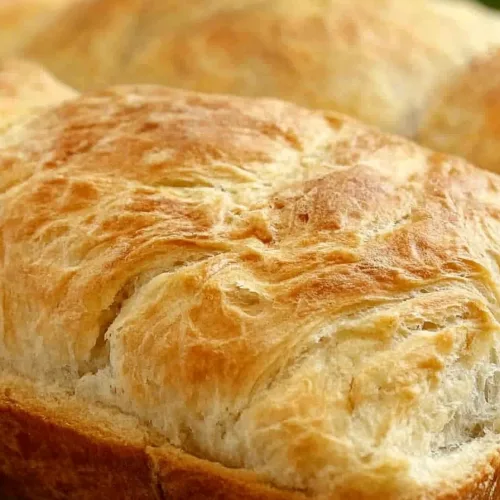
Potato Bread Recipe
Ingredients
- 4 medium to large floury potatoes peeled and cut into chunks, about 8 to 16 oz
- 4 c water plus additional water if needed
- 1 tbsp plus 1 tsp salt divided
- 2 tsp active dry yeast
- 6 1/2 to 8 1/2 c unbleached all-purpose flour divided, plus more for kneading
- 1 tbsp unsalted butter softened
- 1 c whole wheat flour
- Additional softened butter for greasing pans
- Additional all-purpose flour or melted butter for finishing tops
Instructions
Cook the potatoes.
- Place the peeled potato chunks and 4 c water in a medium saucepan. Bring to a boil. Add 1 tsp salt and cook, partially covered, for 20 to 25 minutes, or until the potatoes are very tender.
Drain and mash.
- Drain the potatoes, reserving the cooking water. Mash the potatoes thoroughly until smooth.
Measure the potato water.
- Measure 3 c of the reserved potato cooking water. If needed, add additional water to reach 3 c.
Cool the potato mixture.
- Place the mashed potatoes and 3 c potato water in a large mixing bowl. Stir well and allow the mixture to cool to 70°F to 80°F.
Activate the yeast.
- In a 1-cup measuring cup, stir the active dry yeast into 1 c of the cooled potato water mixture. Add the yeast mixture back into the bowl with the mashed potatoes and remaining potato water. Let stand for 5 minutes.
Add the first flour.
- Add 2 c unbleached all-purpose flour to the potato mixture. Stir until combined. Let the mixture rest for 3 to 4 minutes.
Add salt, butter, and whole wheat flour.
- Add the remaining 1 tbsp salt and the softened butter. Mix until incorporated. Add the whole wheat flour and stir briefly.
Add more all-purpose flour.
- Add 2 c unbleached all-purpose flour and stir until fully incorporated.
Knead the dough.
- Turn the dough onto a generously floured surface. Knead for about 10 minutes, adding additional all-purpose flour as needed to prevent excessive sticking. The dough should remain soft and slightly moist.
First rise.
- Place the dough in a large clean bowl or rising container. Cover with plastic wrap or a lid. Let rise for about 2 hours, or until doubled in volume.
Gently knead after rising.
- Turn the dough onto a well-floured surface. Knead gently for 3 to 4 minutes. The dough should remain moist and slightly sticky.
Divide the dough.
- Divide the dough into 2 unequal portions: one larger portion, about two-thirds of the dough, and one smaller portion, about one-third of the dough. Cover the smaller portion loosely with a kitchen towel.
Prepare the loaf pan.
- Butter a 9 x 5 x 2.5-inch loaf pan.
Shape the loaf.
- Flatten the larger dough portion into an approximate 12 x 8-inch oval. Roll the dough from a narrow end to form a loaf. Pinch the seam closed.
Place the loaf in the pan.
- Place the dough seam side down in the buttered loaf pan. The dough should reach about three-quarters of the way up the sides of the pan.
Second rise for the loaf.
- Cover the loaf pan with plastic wrap. Let rise for 35 to 45 minutes, or until puffy and almost doubled in volume.
Prepare the roll pan.
- Butter a 13 x 9-inch sheet cake pan or shallow cake pan.
Shape the rolls.
- Cut the smaller dough portion into 12 equal pieces. Shape each piece into a ball using a floured hand.
Arrange the rolls.
- Place the dough balls in the prepared pan, leaving about 1/2 inch of space between each roll.
Second rise for the rolls.
- Cover the rolls with plastic wrap. Let rise for about 35 minutes, or until puffy and almost doubled.
Preheat the oven.
- Preheat the oven to 450°F.
Finish the tops.
- Dust the risen loaf and rolls lightly with all-purpose flour, or brush the tops lightly with melted butter.
Slash the loaf.
- Using a very sharp knife, slash the loaf crosswise two or three times.
Begin baking.
- Place the loaf and rolls in the oven. Bake at 450°F for 10 to 15 minutes.
Reduce the oven temperature.
- Reduce the oven temperature to 375°F and continue baking.
Bake the rolls.
- Bake the rolls until golden brown, about 30 minutes total.
Bake the loaf.
- Bake the large loaf for about 50 minutes total, or until golden brown and hollow-sounding when tapped on the bottom.
Cool the rolls.
- Transfer the rolls to a wire rack to cool.
Finish cooling the loaf.
- Remove the loaf from the pan and place it back on a baking sheet. Bake for an additional 5 to 10 minutes, if needed, until the corners feel firm when gently pinched and the bottom sounds hollow when tapped.
Cool before slicing.
- Transfer the loaf to a wire rack. Allow the loaf and rolls to cool for at least 30 minutes before slicing. Rolls may be served warm or at room temperature.
Notes