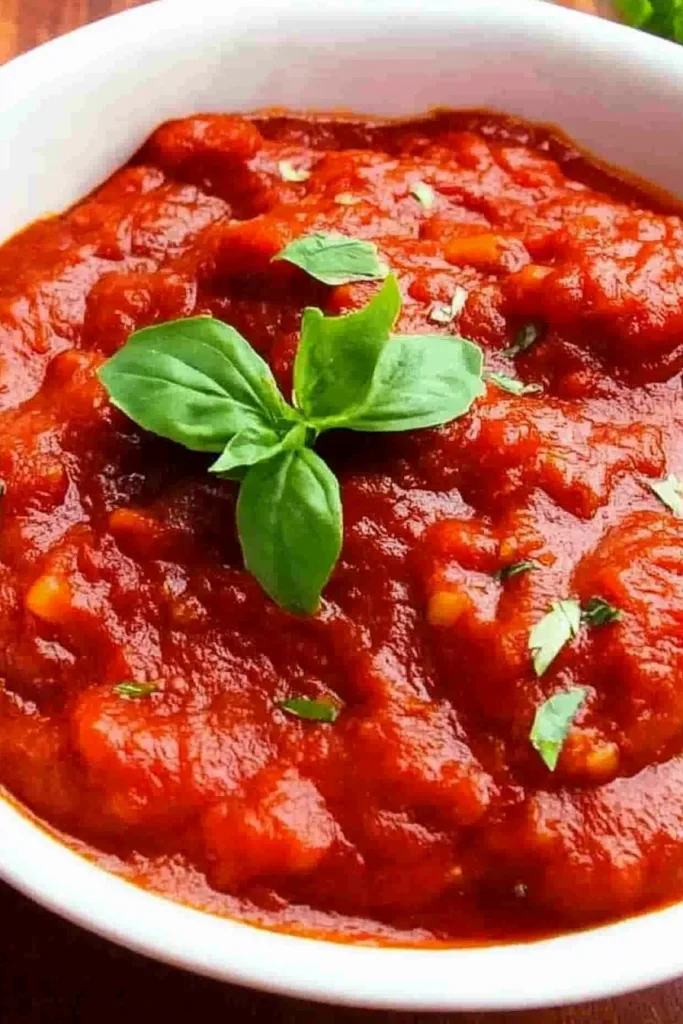
A rich homemade sauce made with tomato paste, warm water, olive oil, garlic, onion, Parmesan cheese, herbs, pepper, and salt.
There’s something about homemade Pizza Sauce simmering on the stove that makes the whole kitchen feel like something good is about to happen. It’s not a dramatic recipe. No towering cake, no complicated dough folding, no “please read this three times before starting” situation. It’s just tomato paste, garlic, onion, olive oil, herbs, Parmesan, and a little heat. But somehow, once that garlic hits the oil and the tomato paste starts bubbling, it feels like pizza night has officially arrived. And honestly? That smell alone could get people to the table faster than me yelling, “Dinner’s almost ready!” from across the house.
I started making my own Pizza Sauce after too many jars let me down. You know the ones. Some are too sweet, some taste flat, and some have that odd shelf-stable flavor where you’re like, “Hmm, this has seen things.” Now, I’m not against jarred sauce. I’ve used it plenty of times, especially on those nights when everyone is hungry and I’m trying to make dinner before the kitchen turns into a family courtroom. But homemade pizza sauce has a different feel. It tastes warmer, fresher, and more personal. Like you actually meant to make pizza, not just survive the evening.
The first time I made this sauce, I remember thinking, Can tomato paste really turn into good pizza sauce? I wasn’t totally convinced. Tomato paste is thick and intense, and straight from the can it can feel a little bossy. But once it mixes with warm water, softened onion, garlic, Parmesan, oregano, basil, marjoram, black pepper, cayenne, and red pepper flakes, it turns into something rich and spreadable. The kind of sauce that sits nicely on pizza dough instead of sliding around like it has travel plans.
What I love about this homemade Pizza Sauce recipe is that it’s simple, but it still has personality. The onion gives it sweetness. The garlic gives it that cozy, “someone is cooking something good” smell. The Parmesan adds a savory little background note. The herbs bring that classic pizzeria flavor, and the red pepper flakes give just enough warmth to make things interesting. Not too spicy, not boring either. Somewhere in the middle, which is honestly where I like most weeknight recipes to live.
This is the sauce I make when I want pizza night to feel a little more homemade without turning it into a whole production. It works for pizza dough, flatbreads, calzones, breadsticks, and even those little English muffin pizzas that feel very after-school snack in the best way. Sound familiar? Sometimes the simplest recipes are the ones that quietly save dinner.


Why you’ll Love this Pizza Sauce?
This Pizza Sauce is special because it’s thick, rich, and full of flavor without needing a long simmer. Tomato paste gives the sauce a concentrated tomato base, so it spreads beautifully over pizza dough and doesn’t make the crust soggy. And let’s be honest, soggy pizza crust is one of those tiny dinner heartbreaks nobody talks about enough. You pick up a slice, the middle droops, the cheese starts sliding, and suddenly you’re doing a full balancing act over your plate. This sauce helps avoid that little mess because it has body from the very beginning.
Another thing I love is that this recipe starts with sautéed garlic and onion. That one step makes a big difference. You’re not just stirring tomato paste with dried herbs and calling it done. You’re building a little flavor base first, and you can taste it. The onion softens and adds sweetness, while the garlic becomes mellow and fragrant. It’s not a hard step, but it makes the sauce taste like you spent more time on it than you did. I always appreciate that kind of kitchen trick.
The Parmesan cheese is another quiet little hero here. It doesn’t make the sauce taste overly cheesy, but it adds saltiness and depth. It rounds out the sharp tomato flavor and helps the sauce taste fuller. I know some pizza sauce recipes skip cheese completely, and that’s fine too, but I really like what Parmesan does here. It gives the sauce a little “pizza shop” feeling without making it heavy.
The herbs and spices also make this Pizza Sauce recipe easy to love. Oregano, basil, and marjoram bring the classic pizza flavor, while black pepper, cayenne, and red pepper flakes add a small kick. It’s not a sauce that burns your mouth or steals the show from the toppings. It just has enough warmth to keep every bite interesting. Of course, you can adjust the heat depending on your people. If you’re feeding kids or someone who side-eyes spice, go gentle. If your family treats red pepper flakes like confetti, add more.
And maybe my favorite part? It’s practical. This homemade pizza sauce uses pantry-friendly ingredients, comes together in one saucepan, and stores well. You can make it fresh for pizza night, tuck leftovers in the fridge, or freeze extra for later. It’s one of those small homemade touches that makes dinner feel a little more cared for. Not fancy. Just cared for. Do you agree?
Ingredient Notes
The ingredients for this Pizza Sauce are simple, but each one does a real job. This isn’t a long list of fancy things you’ll use once and then forget in the pantry. It’s tomato paste, warm water, olive oil, garlic, onion, Parmesan, herbs, spices, and salt. That’s it. The tomato paste brings thickness, the aromatics build flavor, the herbs give it that familiar pizza smell, and the spices add a little personality. Kind of like putting together a good playlist for pizza night — every song doesn’t have to be loud, but each one helps set the mood.
- Tomato paste: Tomato paste is the heart of this homemade Pizza Sauce. It’s thick, bold, and packed with tomato flavor, which makes it perfect for spreading over dough. Because it’s concentrated, it gives you a rich sauce without needing to simmer crushed tomatoes for ages. It also helps keep the pizza crust from getting soggy, and that alone makes it worth keeping a little can of tomato paste in the pantry.
- Warm water: Warm water loosens the tomato paste and turns it into a smooth, spreadable sauce. Cold water can work, but warm water helps everything blend more easily. If you like your sauce extra thick, use a little less. If you want it easier to spread, add a tiny splash more. Pizza sauce doesn’t have to be fussy.
- Olive oil: Olive oil adds richness and helps cook the onion and garlic. It gives the sauce a smoother flavor and keeps the tomato paste from tasting too sharp. It’s a small amount, but it makes the sauce feel more rounded.
- Garlic: Garlic is what makes the kitchen smell like pizza night before the pizza even exists. Since it’s sautéed first, it becomes fragrant and mellow instead of harsh. I use minced garlic here because it spreads through the sauce nicely and gives every bite that savory little punch.
- Onion: Onion adds sweetness and depth. When it cooks down, it softens into the sauce and makes it taste more homemade. If you’ve ever tasted a sauce that felt a little flat, onion is one of those ingredients that helps fix that.
- Parmesan cheese: Freshly grated Parmesan gives this Pizza Sauce a savory, salty richness. It melts into the sauce and adds depth without turning it into a cheese sauce. Freshly grated works best because it blends more smoothly, but use what you have if you’re in dinner-rush mode.
- Dried oregano: Oregano is one of those herbs that instantly says pizza. It gives the sauce that classic pizzeria flavor and pairs perfectly with tomato and garlic. A little goes a long way.
- Dried marjoram: Marjoram is softer and slightly sweeter than oregano. It’s subtle, but it helps round out the herb flavor. If oregano is the loud cousin, marjoram is the calm one sitting quietly with good advice.
- Dried basil: Basil adds a gentle sweetness and familiar Italian-style flavor. Even dried basil brings a nice warmth to the sauce, especially once it simmers with the tomato paste.
- Ground black pepper: Black pepper adds mild heat and keeps the sauce from tasting too sweet or too flat. It’s simple, but it matters.
- Cayenne pepper: Cayenne gives the sauce a tiny spark. It doesn’t make the sauce fiery, but it adds a little warmth in the background. If you prefer mild pizza sauce, you can reduce it.
- Dried red pepper flakes: Red pepper flakes add texture and heat. They make the sauce feel a bit livelier. Add more if you like spice, or keep it light if you want a family-friendly sauce.
- Salt: Salt brings all the flavors together. Tomato paste, garlic, onion, Parmesan, and herbs all taste better with the right amount of salt. Without it, the sauce can taste a little dull, like it’s missing its shoes.
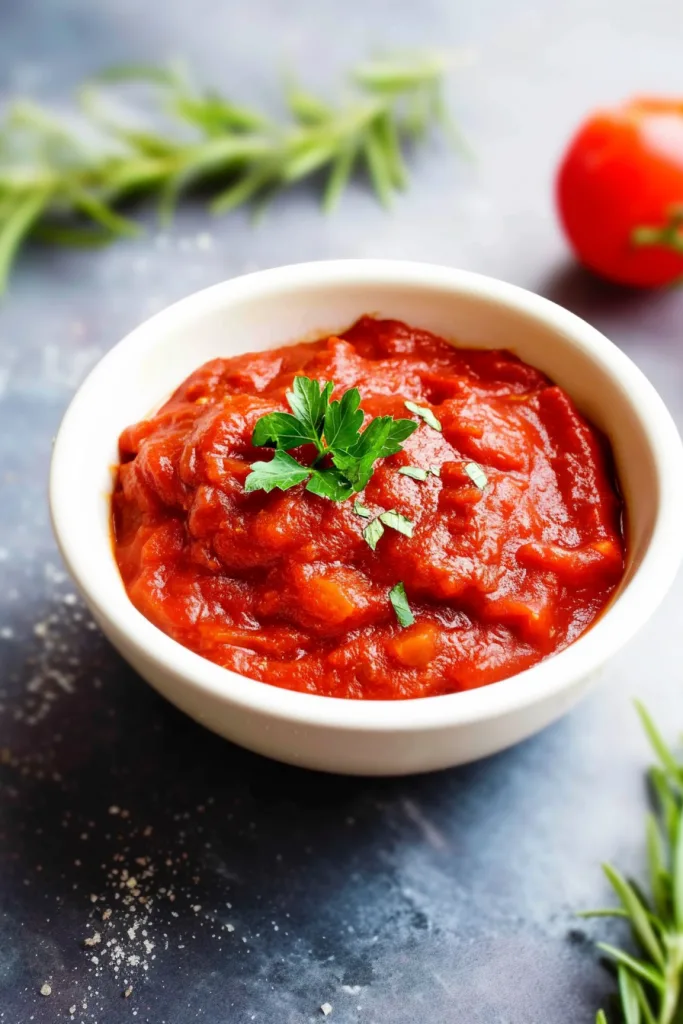
How to Make Pizza Sauce?
Making Pizza Sauce at home is easier than most people think. Everything happens in one saucepan, which is already good news for anyone who hates dishes. You start by cooking the garlic and onion in olive oil, then you stir in the tomato paste, water, Parmesan, herbs, and spices. After that, the sauce simmers for about 20 minutes so the flavors can settle in and get friendly with each other. It’s simple, but it smells like you’re doing something impressive. I love when a recipe gives that much confidence for such little effort.
Step 1: Warm the saucepan. Place a medium saucepan over medium heat and let it warm for a minute. You don’t need the pan screaming hot. Just warm enough so the olive oil can heat gently and the garlic and onion cook evenly. Starting with a properly warmed pan helps the aromatics soften instead of just sitting there sadly in cold oil.
Step 2: Sauté the garlic and onion. Add the olive oil, minced garlic, and chopped onion to the saucepan. Cook, stirring often, until the onion becomes clear and softened. This usually does not take long, but it is where the sauce starts to build flavor. The garlic should smell fragrant, not burnt. Burnt garlic can turn bitter fast, and nobody wants a bitter little surprise in their pizza sauce. Keep an eye on it and stir when needed.
Step 3: Add the tomato paste and warm water. Stir in the tomato paste and warm water. At first, it may look too thick or a little stubborn. That’s normal. Keep stirring until the tomato paste loosens into a smooth sauce. This is the point where the mixture starts looking less like a can of tomato paste and more like actual homemade Pizza Sauce. Very satisfying, honestly.
Step 4: Add the Parmesan and seasonings. Stir in the freshly grated Parmesan cheese, dried oregano, dried marjoram, dried basil, black pepper, cayenne pepper, red pepper flakes, and salt. Mix well so the herbs and spices are evenly spread throughout the sauce. This is also when the smell gets really good. If someone walks into the kitchen at this point asking if the pizza is ready, just know you’re not alone.
Step 5: Simmer the sauce. Let the sauce simmer for 20 minutes, stirring occasionally so it does not stick to the bottom of the pan. As it simmers, the onion softens more, the tomato flavor deepens, and the herbs blend into the sauce. This short simmer is what makes the sauce taste finished instead of like separate ingredients stirred together. It’s a small wait, but worth it.
Step 6: Taste and adjust. Taste the sauce carefully after simmering. If it needs more salt, add a little pinch. If you want more heat, add extra red pepper flakes. If the sauce seems too thick, stir in a small splash of warm water. I usually adjust homemade sauces by feel, and this one is very forgiving. You’re allowed to make it taste like your pizza night.
Step 7: Spread over pizza dough. Spoon the Pizza Sauce over your pizza dough and spread it evenly, leaving a border around the edges for the crust. Add cheese, toppings, and bake your pizza however you like. This sauce works well with classic cheese pizza, pepperoni, sausage, vegetables, flatbread pizzas, calzones, and anything else that needs a rich tomato base. Basically, if it wants to taste like pizza, this sauce can help.
Storage Options
This Pizza Sauce stores really well, which makes it one of those recipes worth making even when you only need a little. Once the sauce has cooled completely, transfer it to an airtight container or a clean glass jar. Store it in the refrigerator for up to 5 days. I love keeping it in a jar because it makes me feel organized, even if the rest of the fridge is a small mystery. You can spoon it onto pizza dough, use it as a dip, or spread it on quick flatbreads during the week.
You can also freeze homemade pizza sauce for later, and honestly, future-you will be grateful. Spoon the cooled sauce into a freezer-safe container, freezer bag, or even an ice cube tray for smaller portions. Once the sauce cubes are frozen, move them to a freezer bag. That way you can grab just what you need for breadsticks, mini pizzas, or a quick lunch. Freeze for up to 3 months for the best flavor.
To use frozen Pizza Sauce, thaw it overnight in the refrigerator or warm it gently in a small saucepan over low heat. If it seems thicker after freezing, stir in a splash of warm water until it loosens back up. The flavor stays rich and savory, and it makes pizza night feel easier. There’s something oddly comforting about knowing you have homemade sauce waiting in the freezer. Like a tiny insurance policy against boring dinner.
Variations & Substitutions
This Pizza Sauce recipe is easy to adjust, which is one of the reasons I like it so much. Some nights you want a mild, kid-friendly sauce. Other nights you want extra red pepper flakes and a little attitude. Maybe you want it smoother, maybe you want it dairy-free, maybe you forgot fresh garlic and need to use garlic powder. It happens. This sauce gives you room to work with what you have, and that makes it feel like a real-life recipe, not one of those perfect pantry fantasies.
- Make it spicier: Add more red pepper flakes or cayenne pepper if you like a sauce with more heat. Start with a little and taste as you go. Spice can sneak up on you, and suddenly your pizza sauce has become a personality test.
- Make it milder: Leave out the cayenne and reduce or skip the red pepper flakes. This is a good choice if you’re making pizza for kids or anyone who prefers a gentler sauce. You’ll still get plenty of flavor from the garlic, onion, tomato paste, Parmesan, and herbs.
- Add a pinch of sugar: If the tomato paste tastes too sharp or acidic, add a tiny pinch of sugar. You don’t need much. Just enough to soften the edges. Some tomato pastes are naturally sweeter than others, so taste before adding.
- Use garlic powder: If you don’t have fresh garlic, garlic powder can work. Fresh garlic gives a stronger homemade flavor, but garlic powder is a handy backup when the fridge is not cooperating.
- Use onion powder: If you want a smoother sauce or do not have fresh onion, use onion powder instead. The flavor will be a little different, but it still works well for pizza.
- Make it dairy-free: Skip the Parmesan cheese or use a dairy-free Parmesan-style alternative. The sauce will still have a rich flavor from the tomato paste, garlic, onion, herbs, and spices.
- Make it smoother: Blend the sauce after simmering if you prefer a smooth Pizza Sauce with no onion pieces. This is also helpful if you have someone at the table who can spot one tiny onion bit from across the room. We all know someone.
- Add fresh herbs: Stir in fresh basil near the end of cooking for a brighter flavor. Fresh herbs are especially nice if you’re making a simple cheese pizza and want the sauce to shine a little more.
- Turn it into dipping sauce: Simmer the sauce a little longer until thicker, then serve it with breadsticks, garlic knots, mozzarella sticks, or pizza rolls. It becomes very snackable. Dangerously snackable, actually.
What to Serve With Pizza Sauce?
This homemade Pizza Sauce is made for pizza, of course, but it can do a lot more than sit under cheese. Because it’s thick, garlicky, and full of herbs, it works as a dip, spread, or quick tomato sauce for easy meals. Once you have a batch in the fridge, you’ll probably start finding little excuses to use it. I do that all the time. A spoonful here, a flatbread there, suddenly it’s gone.
- Homemade pizza: Spread this sauce over pizza dough, add mozzarella and your favorite toppings, then bake. Classic and always a good idea. Cheese pizza, pepperoni pizza, veggie pizza — this sauce handles all of it.
- Flatbread pizza: Use the sauce on naan, pita, or flatbread for a quick lunch or weeknight dinner. This is perfect when you want pizza flavor but not the whole dough-making adventure.
- Calzones: Spoon the sauce inside calzones with cheese and fillings, or serve it on the side for dipping. I like both because sauce inside and sauce outside feels like the correct amount of enthusiasm.
- Breadsticks: Warm the sauce and serve it with breadsticks or garlic knots. This is one of the easiest ways to make a simple side feel like a treat.
- Pizza rolls: Use this Pizza Sauce as a dip for homemade or store-bought pizza rolls. Store-bought counts. We are not here to judge survival snacks.
- Meatball subs: Spread the sauce on toasted rolls, add meatballs and cheese, then broil until melted. It makes a quick, cozy sandwich that tastes like more effort than it is.
- Pasta bakes: Stir the sauce into cooked pasta, top with cheese, and bake until bubbly. Since this sauce is thick, you can loosen it with a splash of water or pasta water if needed.
- Mozzarella sticks: Serve warm pizza sauce with mozzarella sticks for dipping. The tomato, garlic, and herbs are perfect with melted cheese. Honestly, a classic for a reason.
- Chicken or eggplant Parmesan: Use this homemade pizza sauce as a base for chicken Parmesan or eggplant Parmesan. It has enough flavor to stand up to breaded cutlets and melted cheese.
FAQ
Why use tomato paste for Pizza Sauce?
Tomato paste gives Pizza Sauce a thick texture and deep tomato flavor. It helps the sauce stay put on pizza dough and keeps the crust from getting soggy. Since pizza bakes quickly, a thicker sauce works really well.
Can I use this sauce without cooking it?
This recipe is meant to be cooked because the garlic, onion, Parmesan, and dried herbs taste better after simmering together. Cooking softens the onion, mellows the garlic, and helps the sauce taste finished. If you want a no-cook pizza sauce, you would use a different style of recipe.
Can I make this sauce dairy-free?
Yes. Leave out the Parmesan cheese or replace it with a dairy-free Parmesan-style substitute. The sauce will taste slightly different, but it will still be savory and delicious.
How much pizza does this sauce make?
This recipe makes enough sauce for about 1 to 2 pizzas, depending on the size of your dough and how much sauce you like. If your family is team extra sauce, doubling the recipe is a smart move.
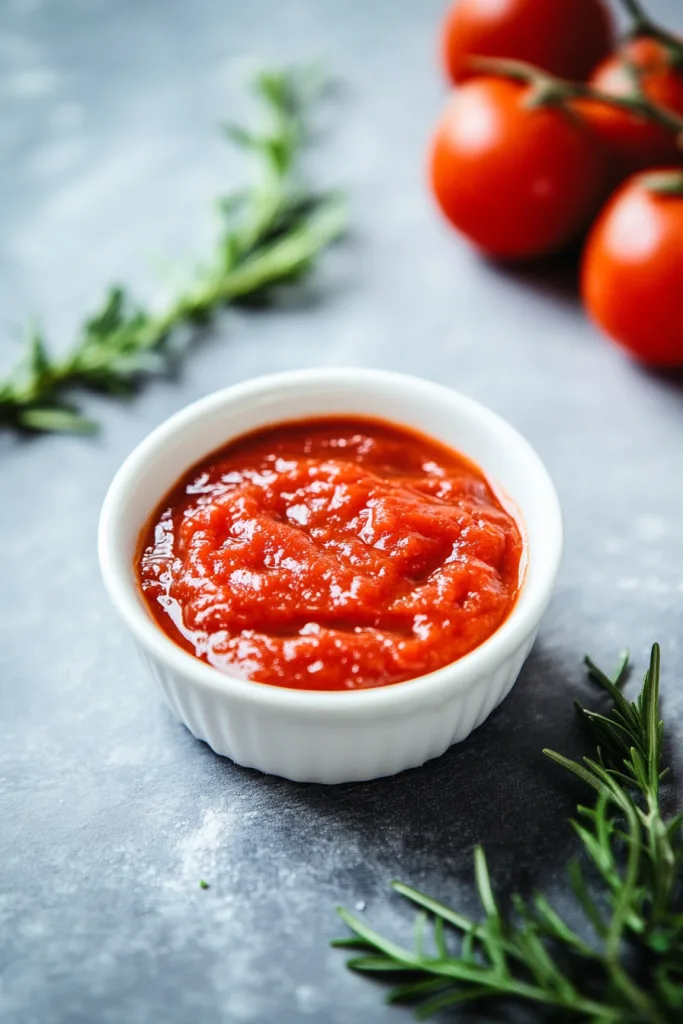
This Pizza Sauce is thick, savory, and easy enough for any pizza night. It has bold tomato flavor, sautéed garlic and onion, Parmesan, herbs, and just enough heat to make it interesting. It’s not complicated, but it makes homemade pizza taste like you put a little extra love into it.
Use this homemade Pizza Sauce on pizza dough, flatbreads, calzones, breadsticks, pizza rolls, or whatever pizza-inspired snack shows up in your kitchen. And if you taste it straight from the spoon before it ever touches the crust, well… same. Can’t wait to hear what you think — are you keeping your pizza classic, or loading it with all the toppings?
Pizza Sauce
Ingredients
- 1 6- oz can tomato paste
- 6 fl oz warm water
- 1 tbsp olive oil
- 2 tbsp minced garlic
- 1/2 onion chopped
- 3 tbsp freshly grated Parmesan cheese
- 1/4 tsp dried oregano
- 1/4 tsp dried marjoram
- 1/4 tsp dried basil
- 1/4 tsp ground black pepper
- 1/8 tsp cayenne pepper
- 1/8 tsp dried red pepper flakes
- 1/2 tsp salt
Instructions
Preheat the saucepan.
- Place a medium saucepan over medium heat and allow it to warm briefly.
Sauté the aromatics.
- Add the olive oil, minced garlic, and chopped onion to the saucepan. Sauté for several minutes, stirring often, until the onion becomes clear and softened.
Add the tomato base.
- Stir in the tomato paste and warm water. Mix until the tomato paste is fully loosened and the mixture forms a smooth sauce.
Add the cheese and seasonings.
- Add the freshly grated Parmesan cheese, dried oregano, dried marjoram, dried basil, ground black pepper, cayenne pepper, dried red pepper flakes, and salt.
Simmer the sauce.
- Reduce the heat as needed and simmer the sauce for 20 minutes, stirring occasionally to prevent sticking.
Adjust consistency if needed.
- If the sauce is too thick, stir in a small amount of warm water until the desired consistency is reached.
Use as desired.
- Spread the sauce over prepared pizza dough and assemble the pizza with cheese and toppings of choice. Bake the pizza according to the dough recipe or desired preparation method.
Notes