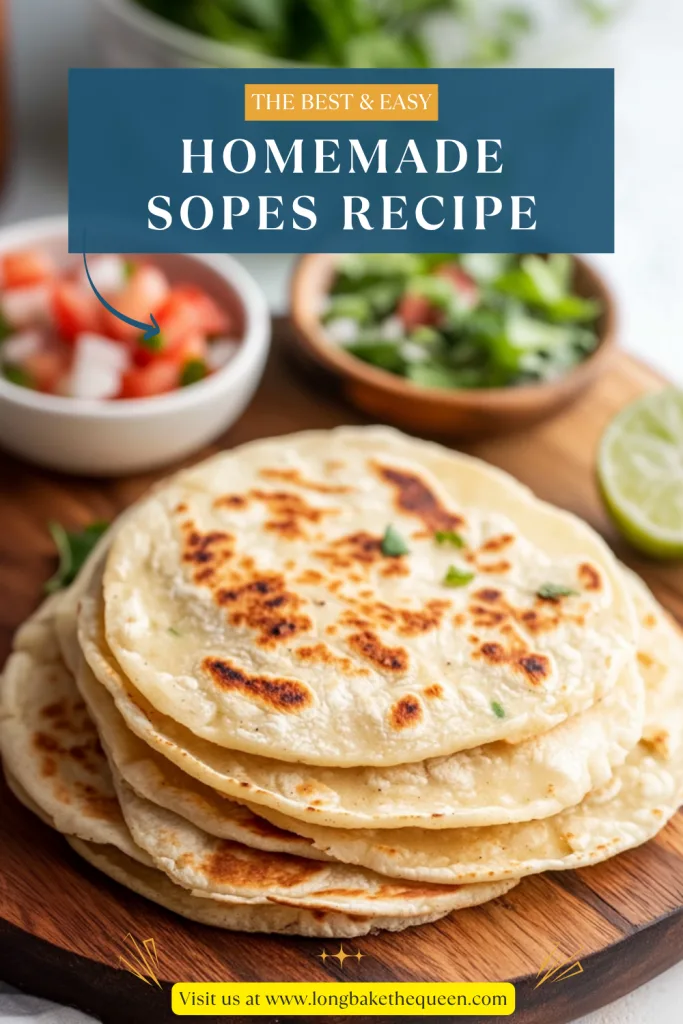
Maseca masa harina, warm water, and salt make soft homemade sopes with chewy centers, lightly crisp edges, and room for toppings.
I have such a soft spot for recipes that start with almost nothing and somehow turn into something you want to brag about a little. This Homemade Sopes Recipe is exactly that. You take masa harina, warm water, and a pinch of salt — just three simple things — and suddenly you’re shaping these thick little masa rounds with raised edges, ready to hold beans, salsa, crema, meat, cheese, or whatever toppings you’re craving. It feels a little like kitchen magic, but the practical kind. The kind you can actually do on a weeknight.
The first time I made homemade sopes, I was honestly overthinking the dough. I kept pressing it between my fingers, wondering, Is this too dry? Too wet? Is it supposed to crack like that? Am I already messing up dinner? You know how it goes. Then I remembered the best little clue: the dough should feel like playdough. Soft, smooth, flexible, not sticky, not crumbly. Once I stopped trying to make it perfect and just paid attention to how it felt, everything became easier.
And that’s what I love about this Homemade Sopes Recipe. It’s not fancy, but it’s wonderfully hands-on. You mix the dough, roll it into little balls, flatten each one, cook them on a hot comal, and then pinch up the edges while they’re still warm. Some will come out perfectly round. Some may look a little wobbly, like they got nervous halfway through. That’s okay. Homemade food gets to have personality. Honestly, I kind of prefer it that way.
There’s also something so comforting about the smell of masa cooking on a hot comal. It’s warm, earthy, and simple, and it makes the kitchen feel busy in the best way. Once the sopes are ready, you bring out the toppings and suddenly everyone wants to build their own. Refried beans, shredded chicken, chorizo, salsa verde, queso fresco, crema, avocado — you can keep it simple or go full toppings bar. Sound familiar? Some foods just naturally pull people toward the table, and homemade sopes are definitely one of them.

Why you’ll Love this Homemade Sopes Recipe?
The biggest thing that makes this Homemade Sopes Recipe so lovely is how simple it is. You only need masa harina, warm water, and salt. No long ingredient list. No complicated sauce. No special grocery hunt that ends with you standing in aisle seven questioning your choices. Just basic pantry ingredients that turn into a chewy, sturdy, delicious base for all kinds of toppings. That’s a pretty good deal, if you ask me.
Another reason homemade sopes are worth making is the texture. They’re thicker than tortillas, softer than tostadas, and shaped with a raised border so they can hold toppings without everything sliding off immediately. I mean, can we appreciate that for a second? A little edible plate made from masa. The outside gets lightly golden, the inside stays soft and chewy, and if you decide to lightly fry them later, those edges get crisp and gorgeous. It’s that crispy-chewy mix that makes sopes so satisfying.
This Homemade Sopes Recipe is also super flexible. Once the sope base is made, you can top it with whatever fits your mood. Beans and cheese for something simple. Carnitas or shredded beef for a heartier meal. Chorizo if you want bold flavor. Roasted vegetables if you’re keeping it meatless. Salsa and crema if you like things saucy. There’s no one way to enjoy them, and I love that. It’s the kind of recipe that lets you use leftovers without making dinner feel like leftovers.
And honestly, sopes are fun. They feel casual, a little messy, and very shareable. You can make them for a family dinner, a weekend lunch, a game day spread, or a small gathering where everyone builds their own plate. It’s like taco night’s thicker, chewier cousin showed up and brought better boundaries. Literally. Those raised edges are doing important work.
Ingredient Notes
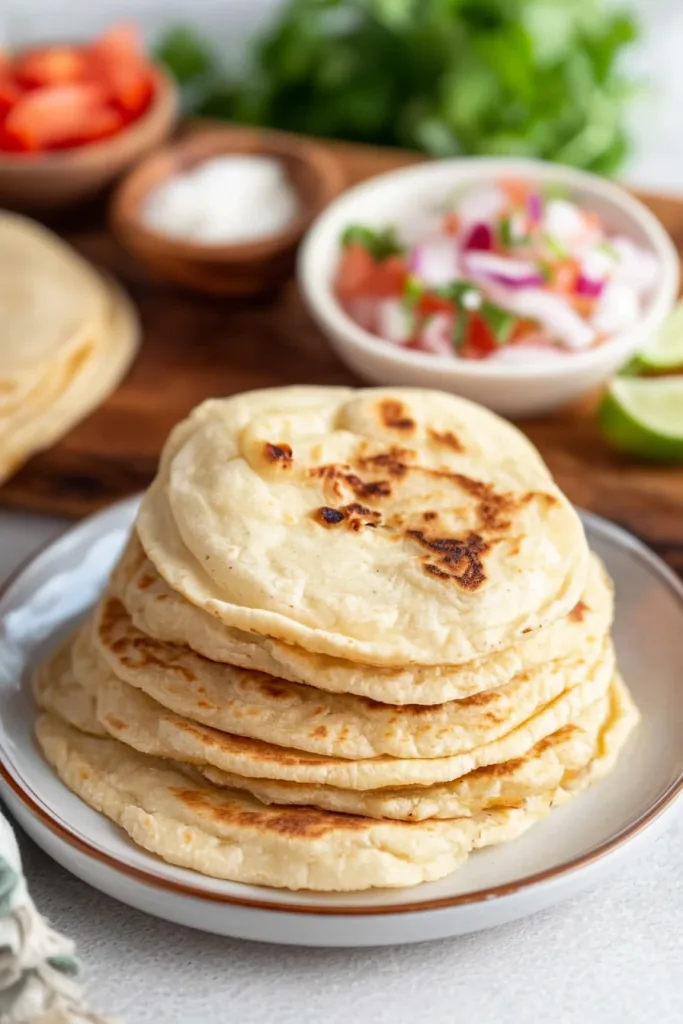
Before you start mixing, let’s talk about the ingredients in this Homemade Sopes Recipe. Since there are only three, each one matters. The masa harina gives the sopes their classic corn flavor and structure. The warm water hydrates the dough and makes it easy to shape. The salt brings out the flavor so the masa doesn’t taste flat. It’s simple, but simple doesn’t mean boring. Not even close.
- Maseca masa harina: Masa harina is the heart of this recipe. It’s made from corn that has been treated and ground specifically for masa dough, which is what gives sopes their flavor, texture, and structure. Maseca is a common brand and works really well here. Don’t swap it with regular cornmeal because it won’t behave the same way. Cornmeal stays gritty and won’t form that soft, moldable dough you need. For this Homemade Sopes Recipe, masa harina is non-negotiable in the best way.
- Warm water: Warm water helps the masa harina hydrate and turn into a soft dough. The goal is a dough that feels like playdough — smooth, soft, and easy to press without cracking. If it feels dry, add water a little at a time. If it feels sticky, sprinkle in a bit more masa harina. This is one of those recipes where your hands are better than measuring cups after a certain point. The dough will tell you what it needs, which sounds dramatic, but it’s true.
- Salt: A pinch of salt may seem tiny, but it really helps. Masa dough without salt can taste a little dull, even when you add toppings later. Salt brings out the natural corn flavor and gives the sope base a better taste from the start. You don’t need much because your toppings may be salty too, but don’t skip it. The masa deserves a little seasoning love.
How to Make Homemade Sopes Recipe?
This Homemade Sopes Recipe is not hard, but it does ask you to pay attention to texture and timing. The dough should be soft but not sticky. The patties should be thick enough to pinch up into borders. And once they come off the comal, you want to shape the edges while they’re still warm. That’s the one slightly fussy part, but after you do one or two, you’ll get the feel for it. It’s very much a “learn by touching” recipe.
Step 1: Mix the Dough
In a mixing bowl, combine the masa harina, warm water, and a pinch of salt. Mix everything together until a soft dough forms. It should feel smooth and flexible, almost like playdough. Press a little piece between your fingers. If the edges crack badly, the dough is too dry. If it sticks heavily to your hands, it’s too wet.
This is where you adjust as needed. Add warm water one tablespoon at a time if the dough feels dry. Add a sprinkle of masa harina if it feels too sticky. Don’t panic if you have to tweak it. Masa dough is forgiving. It doesn’t need perfection, just the right feel. Soft, smooth, and easy to shape — that’s what you’re looking for.
Step 2: Divide the Dough
Divide the dough into 12 even pieces. Roll each piece into a ball using your hands. Try to keep them close in size so they cook evenly and make similar-sized sopes.
They don’t have to be identical, though. This is homemade, not a factory line. I like rolling all the dough balls first and setting them on a plate or parchment paper. It keeps the process moving smoothly, and I’ll admit, seeing those little masa balls lined up feels oddly satisfying. Like, okay, we’re doing this.
Step 3: Flatten the Dough
Flatten each ball into a patty about ¼ inch thick. You can use a tortilla press, a rolling pin, or the bottom of a heavy pan. Place the dough between sheets of parchment paper so it doesn’t stick.
The thickness matters here. Sopes should be thicker than tortillas because they need enough body to hold toppings and form those little raised borders. If they’re too thin, pinching the sides will be harder. If they’re too thick, they may not cook evenly in the center. Aim for a sturdy little disc that still feels soft and flexible.
Step 4: Cook on a Comal or Flattop
Heat a comal, griddle, or flattop over medium-high heat. Place the flattened masa patties on the hot surface and cook for about 1 minute per side, or until they begin to turn lightly golden in spots.
You’re not trying to make them fully crispy at this stage. You’re just setting the dough so it can hold its shape. The masa will start smelling warm and toasty, which is honestly one of the best parts of making sopes at home. It’s a simple smell, but it feels like real food is happening.
Step 5: Shape the Borders
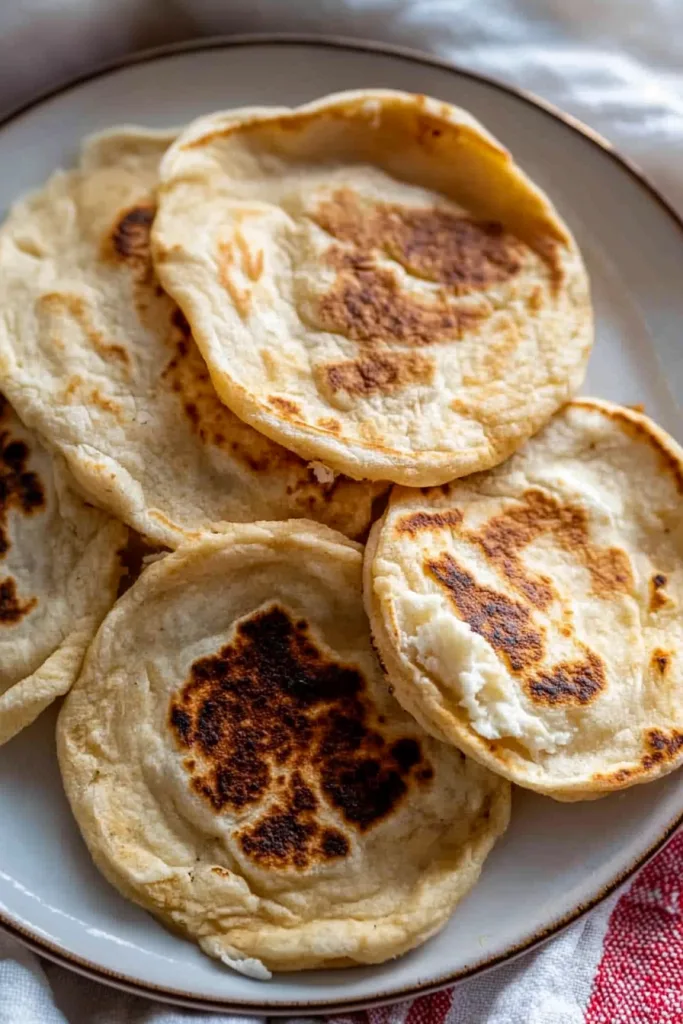
Remove each cooked sope from the comal and place it on a tea towel. While it is still warm, use your thumb and pointer finger to gently pinch around the edges, pulling up a small border from the sides.
This is the step that turns a thick masa patty into a sope. Work carefully because the masa will be hot. Use the towel to help protect your fingers if needed. The first one may look a little awkward. Mine usually does. But by the next few, you’ll get into the rhythm. Just gently pinch, move around the edge, and build that little rim to hold toppings.
Step 6: Let the Sopes Cool
Let the shaped sopes cool completely before using or storing. As they cool, they firm up slightly and become easier to handle.
At this point, you can use them as-is or lightly fry them for extra crispiness. Both ways are good. If you want a softer, chewy sope, keep them as they are. If you want a crispier base, fry them briefly in a little oil before topping. I won’t pretend the fried version isn’t delicious. It absolutely is.
Step 7: Add Toppings and Enjoy
Once the sopes are ready, add your favorite toppings. A layer of refried beans is a great place to start because it helps everything else stick. Then add shredded chicken, beef, carnitas, chorizo, lettuce, salsa, crema, queso fresco, avocado, or pickled onions.
This is where this Homemade Sopes Recipe becomes a full meal. You can keep it classic and simple, or you can pile them high. Just don’t overload them so much that they collapse under the pressure. We want a generous sope, not a structural emergency. Serve warm and enjoy the delicious mess.
Storage Options
This Homemade Sopes Recipe is great for making ahead because the cooked and shaped sopes store really well. Let them cool completely, then place them in an airtight container or zip-top bag. Store them in the refrigerator for up to 3 to 4 days. If stacking them, place parchment paper between layers so they don’t stick together.
To reheat, place the sopes on a hot comal, skillet, or griddle until warmed through. If you want them crispier, lightly fry them in a small amount of oil before adding toppings. This gives the outside a golden crunch while keeping the inside soft and chewy. It’s a little extra step, but a very good one.
You can also freeze homemade sopes. Let them cool fully, stack them with parchment paper between each one, and store them in a freezer-safe bag or container for up to 2 months. Reheat them from frozen on a skillet over low to medium heat, or thaw them in the refrigerator first. They’re a handy little freezer treasure for future taco-night emergencies.
Variations & Substitutions
One thing I love about a Homemade Sopes Recipe is how flexible it is. The base is simple, so the toppings can go in so many directions. You can make them vegetarian, meat-loaded, spicy, fresh, cheesy, or crunchy. You can make full-size sopes for dinner or mini ones for parties. The masa base is basically a little edible stage, and the toppings are the show.
- Lightly fry the sopes: After shaping the borders, lightly fry the sopes in oil until the outside is golden and crisp. This gives them a more traditional crunchy texture and helps them hold up under saucy toppings. Drain them on paper towels before topping.
- Make them vegetarian: Top the sopes with refried beans, black beans, roasted vegetables, salsa, avocado, lettuce, queso fresco, and crema. They’re hearty enough without meat, especially if you use flavorful beans and a bright salsa.
- Add shredded meat: Shredded chicken, beef, carnitas, barbacoa, or pork all make wonderful toppings. Start with beans, add the meat, then finish with salsa, cheese, crema, and lettuce. It’s simple and satisfying.
- Use chorizo: Chorizo adds bold, spicy flavor and pairs so well with beans, potatoes, crema, and salsa. Chorizo sopes are rich, messy, and absolutely worth having extra napkins nearby.
- Make mini sopes: Divide the dough into smaller pieces to make appetizer-sized sopes. These are perfect for parties, game day, or a toppings bar. Everyone gets a little bite-sized sope to dress up however they like.
- Add flavor to the masa: Mix a little garlic powder, chili powder, or finely chopped cilantro into the masa dough if you want extra flavor. Keep it subtle so the corn flavor still shines. The toppings will bring plenty of flavor too.
- Try different toppings: Salsa verde, salsa roja, pico de gallo, pickled onions, shredded lettuce, cotija cheese, queso fresco, crema, avocado, hot sauce, and lime all work beautifully. This is where you can make each sope feel different.
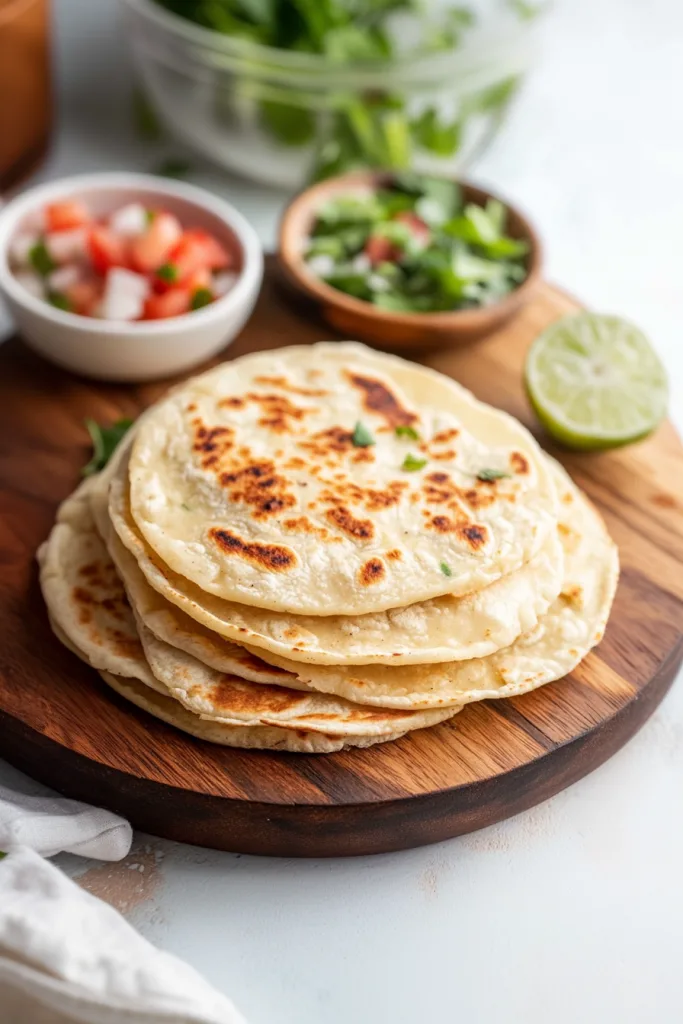
What to Serve With Homemade Sopes Recipe?
This Homemade Sopes Recipe can easily be the main dish, especially once you add hearty toppings. But if you want to make it a fuller meal, simple sides work beautifully. Since sopes are thick, chewy, and corn-based, I like pairing them with sides that are fresh, saucy, bright, or creamy. You want balance, but also flavor. Always flavor.
- Mexican rice: Mexican rice is a classic side for sopes. The soft tomato-flavored rice pairs beautifully with the chewy masa base and savory toppings. It also helps turn a few sopes into a more filling dinner.
- Refried beans: Refried beans work as both a topping and a side. Spread them on the sopes or serve them alongside. Beans add creaminess and make everything feel more satisfying. Beans and masa just belong together, don’t they?
- Pico de gallo: Pico de gallo adds freshness, acidity, and color. Tomatoes, onion, cilantro, lime, and jalapeño brighten the richer toppings and make each bite feel fresher. It’s simple but so helpful.
- Guacamole: Guacamole adds creamy avocado flavor and pairs beautifully with beans, salsa, meat, and cheese. A spoonful on top of a warm sope is always a good idea. I mean, has guacamole ever made dinner worse? I don’t think so.
- Mexican street corn: Elote or esquites make the meal feel festive and filling. Sweet corn, creamy sauce, lime, cheese, and chili are such a good match with homemade sopes. It’s a little extra, but in a very delicious way.
- Simple cabbage slaw: A crisp cabbage slaw adds crunch and freshness. Lime juice, cilantro, and a little salt are enough to make a bright side that balances heavier toppings. This is especially good with meat-filled sopes.
- Salsa bar: Set out salsa verde, salsa roja, smoky chipotle salsa, and hot sauce so everyone can choose their own heat level. This is helpful because spice opinions are very personal. Very, very personal.
FAQ
What is the difference between sopes and tortillas?
Sopes are thicker than tortillas and have a raised edge to hold toppings. Tortillas are thin and flexible, while sopes are sturdier and meant to act like a base for toppings. This Homemade Sopes Recipe gives you a thick masa base that can hold beans, meat, salsa, and all the good stuff without folding.
Can I make sopes without a tortilla press?
Yes, you can make sopes without a tortilla press. Use a rolling pin or the bottom of a heavy pan to flatten the dough between pieces of parchment paper. The goal is to make an even patty about ¼ inch thick. A tortilla press is helpful, but not required.
Why is my sope dough cracking?
If the dough cracks when you press it, it is probably too dry. Add warm water a little at a time and knead until the dough feels soft and smooth, like playdough. Masa dough should be moist enough to shape without breaking, but not so wet that it sticks heavily to your hands.
Do I have to fry sopes?
No, you do not have to fry sopes. This recipe cooks them on a comal or flattop, which gives them a soft, chewy texture with lightly golden spots. If you want crispier sopes, lightly fry them after shaping and before adding toppings.
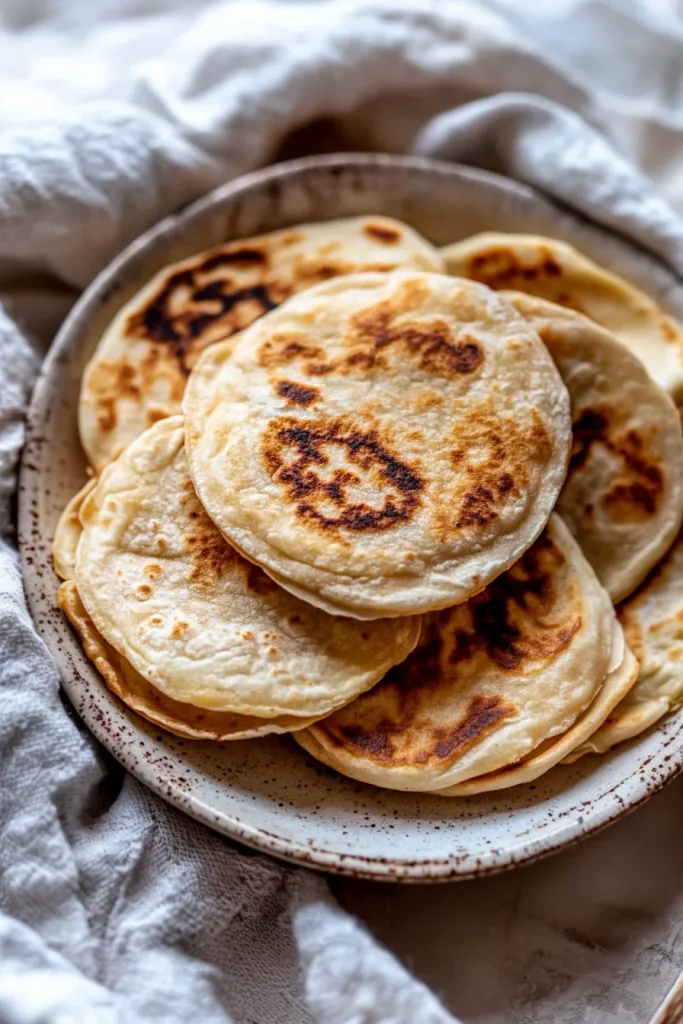
This Homemade Sopes Recipe is simple, hands-on, and honestly so satisfying. With just masa harina, warm water, and salt, you can make thick little masa bases that are soft inside, lightly crisp outside, and ready for whatever toppings you love.
I like that homemade sopes feel humble and special at the same time. They’re easy enough for a weeknight, but fun enough for a toppings bar with family or friends. Once you learn the dough texture and get comfortable pinching up the borders, the whole process feels kind of relaxing. A little warm on the fingers, sure, but worth it.
So tell me — would you top your homemade sopes with refried beans and queso fresco, shredded chicken, chorizo, salsa verde, or a little bit of everything? I’d love to know how you’d build yours.
Homemade Sopes Recipe
Ingredients
- 2 c Maseca masa harina
- 1 ½ c warm water
- 1 pinch salt
Instructions
Step 1: Prepare the Dough
- In a large mixing bowl, combine the masa harina, warm water, and salt.
- Mix until a soft, smooth dough forms.
- The dough should feel similar to playdough. It should not be too dry or too wet.
- If the dough cracks when pressed, add a small amount of warm water.
- If the dough feels sticky, add a small amount of masa harina.
Step 2: Divide the Dough
- Divide the dough into 12 even pieces.
- Roll each portion into a smooth ball.
Step 3: Flatten the Dough
- Place one dough ball between two sheets of parchment paper.
- Flatten the dough into a patty approximately ¼ inch thick using a tortilla press, rolling pin, or the bottom of a heavy pan.
- Repeat with the remaining dough portions.
Step 4: Cook the Sopes
- Heat a comal, griddle, or flattop over medium-high heat.
- Place the flattened dough patties on the hot surface.
- Cook each sope for approximately 1 minute per side, or until lightly golden spots begin to appear.
Step 5: Shape the Borders
- Remove each cooked sope from the comal and place it on a clean tea towel.
- While still warm, carefully use your thumb and pointer finger to pinch around the edges, forming a raised border.
- Continue around each sope until a rim is formed.
Step 6: Cool
- Allow the shaped sopes to cool completely before serving or storing.
Step 7: Serve
- Serve the sopes warm with desired toppings, such as refried beans, shredded meat, salsa, lettuce, crema, queso fresco, avocado, or pickled onions.
Notes