This Deep Fried Crab Legs recipe is made with crab legs, flour, cornstarch, buttermilk, hot sauce, butter, garlic salt, salt, pepper, and canola oil.
I’ll be honest, the first time I heard someone mention Deep Fried Crab Legs, I did a full pause. Not a cute little pause either. A real wait, what now? kind of pause. Because in my head, crab legs were always one of those foods you don’t mess with too much. Steam them, crack them, dip them in butter, act fancy for twenty minutes, done. Very classic. Very safe. Very “let’s not ruin expensive seafood.”
But then this deep fried crab idea showed up, and suddenly all my sensible seafood rules went out the window.
You know those recipes that sound just ridiculous enough to either flop hard or become your new personality for a week? Sound familiar? That was this for me. I remember making my first batch of Deep Fried Crab Legs half curious, half suspicious, and fully prepared to say, “Well, that was interesting,” and never think about it again. Instead, I got that first crunchy bite, heard that crisp coating crack a little, and then hit that sweet, tender crab inside… and wow. It was one of those rare little kitchen moments where you realize the recipe is not just good, it’s annoyingly good. Like, “why did nobody tell me sooner?” good.
What I love about this deep fried crab recipe is that it takes something people already see as special and makes it even more fun. Less serious. Less white-tablecloth energy. More “bring me extra napkins and don’t ask questions.” It reminds me of the kind of food you’d eat on vacation near the water, sunburned a little, hair a mess, not caring at all because the food is so good. Or maybe at a backyard seafood night where everybody suddenly gets very quiet after the first bite because they’re too busy reevaluating their life choices. That kind of quiet.
And maybe this is just me, but I think seafood gets treated like it always has to be elegant. These crispy crab legs feel like seafood kicked off its shoes, loosened up, and decided to have some fun. I’m very much here for that.


Why you’ll Love these Deep Fried Crab Legs?
There are a lot of reasons to love these Deep Fried Crab Legs, but the biggest one is probably the texture. That’s the whole magic here. The outside gets golden and crunchy, and the inside stays soft, sweet, and tender. Do you agree that food gets way more exciting when it has contrast? I really think it does. Soft and crisp. Sweet and savory. Rich and crunchy. It just keeps your attention better, you know?
I also love that this deep fried crab recipe feels a little outrageous in the best possible way. Not complicated-out-of-control. Just bold. It’s not trying to be modest. It knows it’s bringing something extra to the table, and honestly, I respect that in a recipe. A steamed crab leg is lovely, sure, but a crispy crab leg? That has a little swagger.
Another reason these Deep Fried Crab Legs are so lovable is that they’re surprisingly doable. Once you break the steps down, it’s not some impossible restaurant trick. You steam the crab, remove the meat, coat it, fry it, and then try not to eat half of it standing over the paper towels. Ever tried something similar? A recipe that sounded too “out there” until you actually made it and realized it was kind of genius? That’s exactly the vibe here.
And honestly, they’re memorable. This is not the kind of seafood dish people eat and immediately forget. These crispy fried crab legs have the kind of flavor and texture that makes people look up and say, “Okay, hold on… what is this?” I love a recipe that creates that moment.
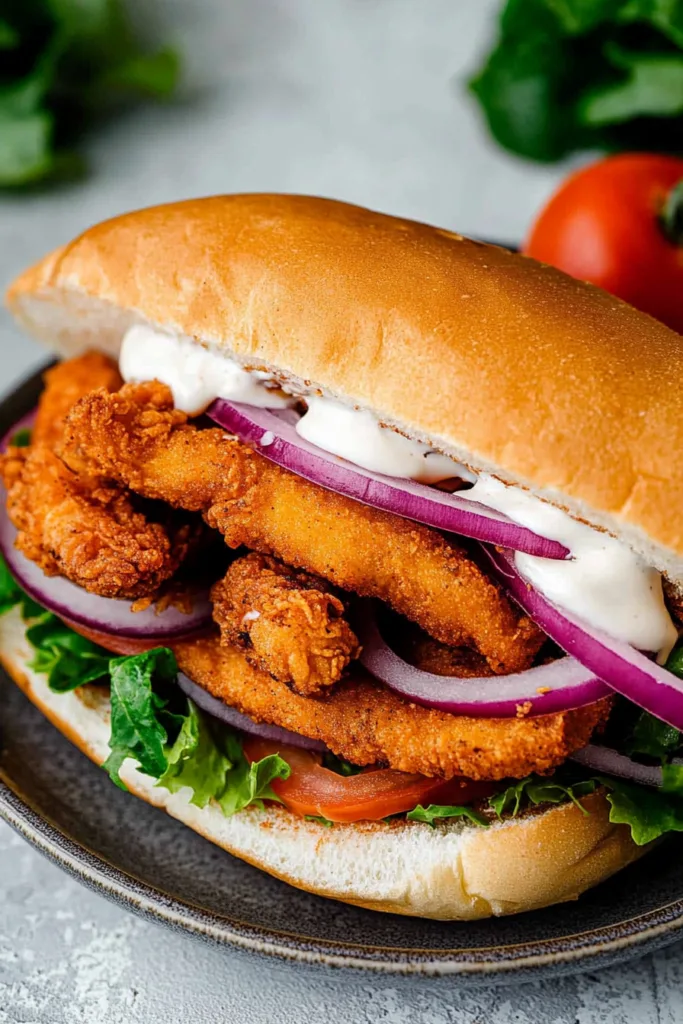
Ingredient Notes
One thing I really appreciate about these Deep Fried Crab Legs is that the ingredient list is not long or fussy. There are no mystery items here. Just a few solid ingredients pulling together to make something crunchy and wildly satisfying.
- Snow crab or king crab is obviously the star. Snow crab gives you a more delicate bite and is usually easier to work with, while king crab gives you thicker, meatier pieces that feel a little dramatic in the best way. I like both. It really depends on what you can find and how much you want dinner to show off.
- Flour forms the base of the coating. Nothing glamorous, but absolutely necessary. It gives the crab that crisp outer shell.
- Cornstarch is one of those little ingredients that quietly changes everything. It helps make the crust lighter and crisper instead of heavy.
- Buttermilk helps the coating stick and adds a little tang in the background. It also gives the whole fried crab leg recipe a softer, richer base flavor.
- Hot sauce adds flavor more than serious heat. It wakes everything up. The crab still stays the star, but the hot sauce makes sure the batter doesn’t taste sleepy.
- Salt and pepper do the usual important work of making everything taste more like itself.
- Garlic salt adds a savory little boost that works really nicely with seafood.
- Butter gets stirred into the buttermilk mixture, and I think that little touch makes everything feel richer and more complete.
- Canola oil is a great frying oil because it has a neutral flavor and handles high heat well.
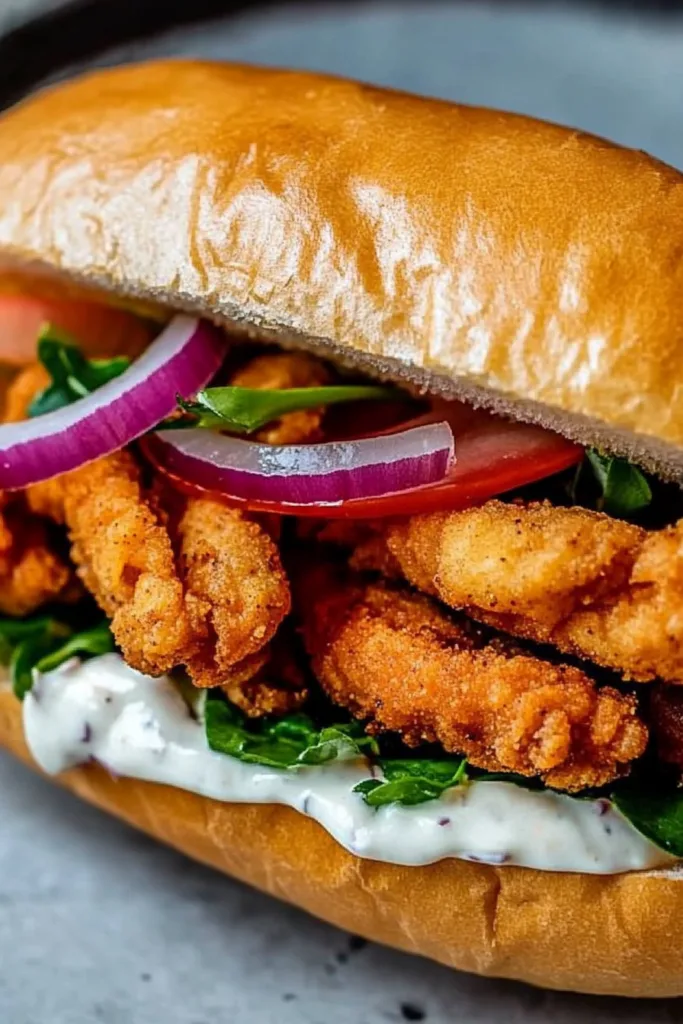
That’s part of why these Deep Fried Crab Legs work so well. The crab is already delicious on its own. The coating and seasoning just make it louder. In a very good way.
How to Make Deep Fried Crab Legs?
Making Deep Fried Crab Legs is actually pretty manageable once you get into it. It sounds like a “special project” recipe, but it’s really more of a “stay close to the stove and trust the process” recipe.
Step 1: Heat the oil
Start by heating your canola oil to 350 degrees F. If you have a thermometer, use it. Really. This is one of those times where it saves you from disappointment later.
If the oil is too cool, the coating gets soggy and weird. Too hot, and the outside gets too brown too fast. Good frying is a little like good hair color. Too little heat, nothing happens. Too much heat, regret. Somewhere in the middle is where the magic lives.
Step 2: Steam the crab legs
Steam the crab legs for 12 to 15 minutes, until they are heated through.
This step matters because you’re not trying to fully cook raw crab in the fryer. You’re mostly using the fryer to crisp the coating and finish the dish. The steaming gets the crab hot and tender first, which makes the frying part much easier and much less stressful.
Step 3: Make the wet mixture
While the crab is steaming, combine the buttermilk and hot sauce in a bowl. Melt the butter and stir that in too.
This mixture helps the flour coating cling to the crab meat, but it also adds flavor. I like that it’s not just a plain dip. It actually contributes something.
Step 4: Make the dry coating
In a bowl or bag, combine the flour, cornstarch, salt, pepper, and garlic salt. Mix well.
You want the seasoning spread evenly through the flour so every bite has some flavor. Nobody wants a beautiful crispy crust that tastes like cardboard in a costume.
Step 5: Remove the crab meat
Once the crab is steamed, use kitchen scissors to cut the shell down the center and gently pull out the crab meat.
This part can be a little fiddly. Crab likes to act like it’s doing you a favor while also making you work for it. Go slowly. Be gentle. If a few pieces break a little, it’s fine. This is fried crab, not surgery.
Step 6: Soak the crab
Dip the crab meat into the buttermilk mixture and let it soak for about 5 minutes.
That short soak helps the flour mixture stick better and gives the crab a little extra flavor before frying.
Step 7: Coat and fry
Take the crab from the buttermilk mixture, coat it in the seasoned flour mixture, and fry it for 6 to 8 minutes, until golden brown.
This is the part where the whole thing starts feeling very exciting. The crust gets golden and crisp, the crab stays tender inside, and your kitchen smells like the kind of place people willingly wait in line for. Fry in batches if you need to. Crowding the oil is one of those little mistakes that seems harmless and then ruins the crispness for everyone.
Step 8: Drain and finish
Remove the fried crab and let it drain on paper towels. Sprinkle with a little extra seasoning if you like.
And that’s it. Your Deep Fried Crab Legs are ready to eat while they’re hot, crunchy, and fully in their glory. Which is exactly when they should be eaten, in my opinion.
Storage Options
I’ll be honest, Deep Fried Crab Legs are best right after frying. That’s the peak moment. The coating is crisp, the crab is warm and tender, and the whole thing feels like it’s doing exactly what it was meant to do.
If you do have leftovers, store them in an airtight container in the refrigerator for up to 2 days. Reheat them in the oven or air fryer if you can. That helps bring back some of the crunch. The microwave works in an emergency, sure, but it softens the crust a lot, and that’s kind of the whole point of the recipe.
I probably wouldn’t freeze them. Fried seafood just tends to lose too much of its charm after freezing and reheating, and crab is too expensive to treat carelessly. At least that’s how I feel about it.
And honestly, this is one of those recipes where making just enough to eat fresh feels like the smartest move. Or making a little extra and accepting that the “leftovers” may disappear suspiciously fast. Both are realistic outcomes.
Variations & Substitutions
One reason I like these Deep Fried Crab Legs so much is that the basic idea is easy to play with a little.
- Use king crab or snow crab depending on what you can find and what kind of texture you want.
- Swap buttermilk for regular milk plus a splash of lemon juice or vinegar if you need a quick substitute.
- Add Cajun seasoning or Old Bay to the flour mixture if you want a stronger seafood-seasoning flavor.
- Use paprika or cayenne for more heat and a deeper golden color.
- Serve with lemon wedges if you want a fresh, bright finish.
- Turn the fried crab meat into a sandwich or po’boy-style roll if you really want to lean into the crispy seafood comfort-food thing.
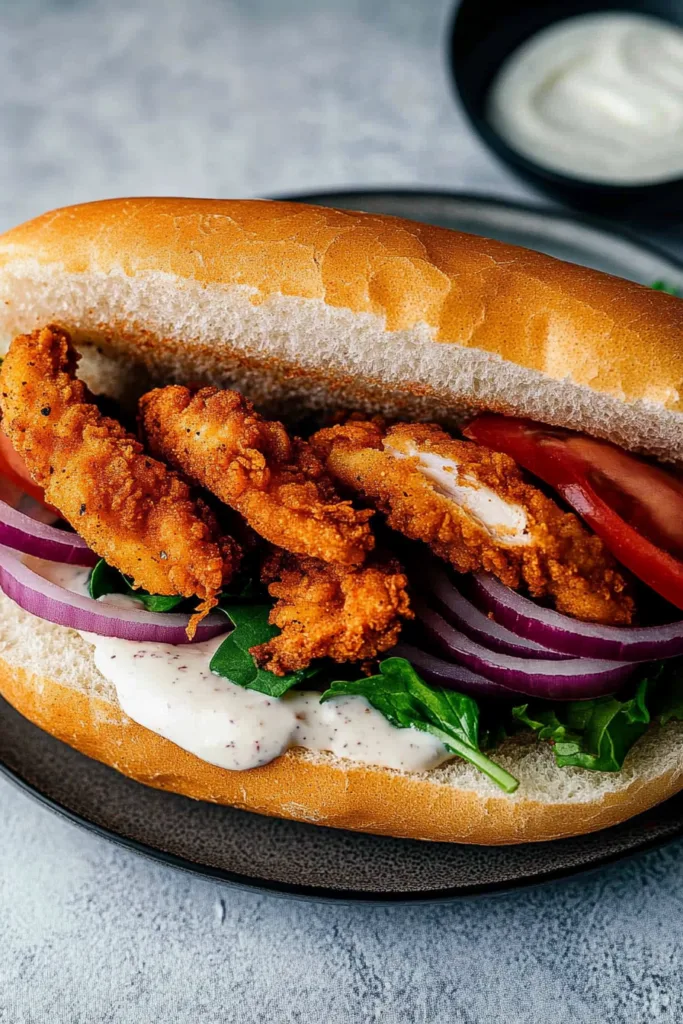
I think the nicest thing about this deep fried crab recipe is that it already has a big personality, so you can tweak the seasoning a little without losing what makes it fun.
What to Serve With Deep Fried Crab Legs?
These Deep Fried Crab Legs go really well with simple sides and sauces that let the crab stay the main attraction. Lemon wedges are an easy yes. So are cocktail sauce, tartar sauce, or a spicy remoulade if you want a little extra punch.
For sides, fries make obvious sense. Coleslaw also works really well because it gives you something cool and crunchy next to all that hot fried seafood. A simple salad is good too if you want something lighter on the plate.
You could also go full seafood-shack energy and serve these crispy crab legs with hush puppies, corn on the cob, or even on a toasted roll for a sandwich situation. Messy? Definitely. Worth it? Also definitely.
And maybe this is just me, but food like this feels happiest when there’s something crispy, something bright, and at least one very good dipping sauce nearby.
FAQ
Can I use king crab instead of snow crab?
Yes, absolutely. King crab works very well and gives you larger, meatier pieces.
Do I need to steam the crab before frying?
Yes. Steaming heats the crab through first so frying can focus on crisping the coating.
How do I keep the coating crispy?
Keep the oil around 350 degrees F and avoid crowding the fryer.
Can I make Deep Fried Crab Legs ahead of time?
They’re best fresh, but leftovers can be reheated in the oven or air fryer.
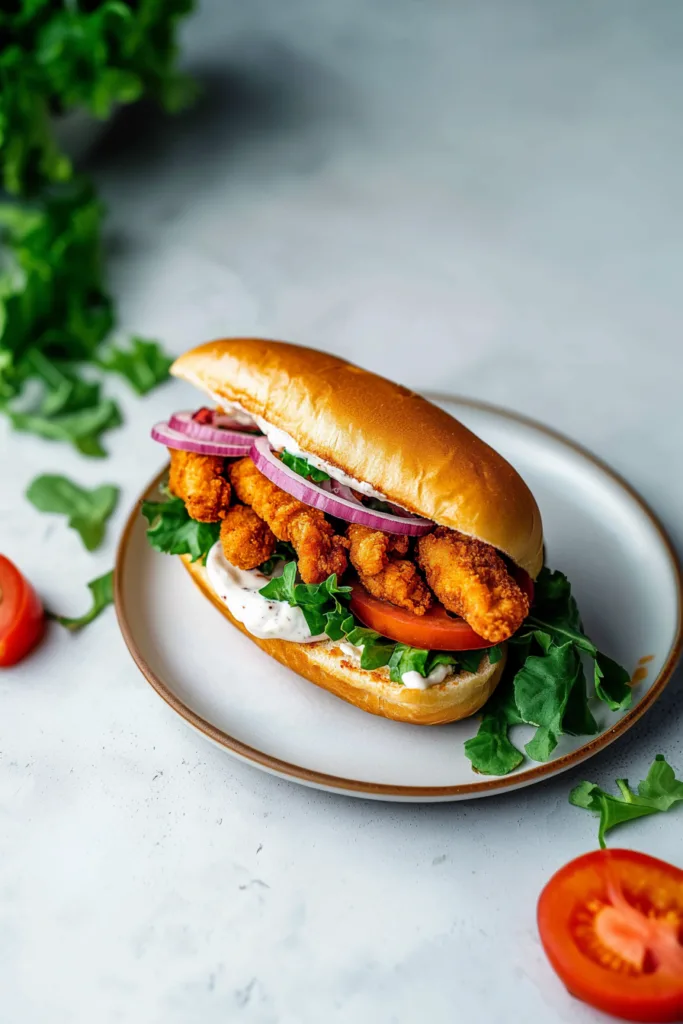
If you’re looking for a seafood recipe that’s crispy, bold, and a little more exciting than the usual, these Deep Fried Crab Legs are such a fun one to try. They’re crunchy, flavorful, and memorable in exactly the right way.
So if you make these Deep Fried Crab Legs, I hope you serve them hot, crispy, and with plenty of sauce nearby. I’d love to know, would you keep them simple with lemon, or go full seafood feast with fries, slaw, and dipping sauces?
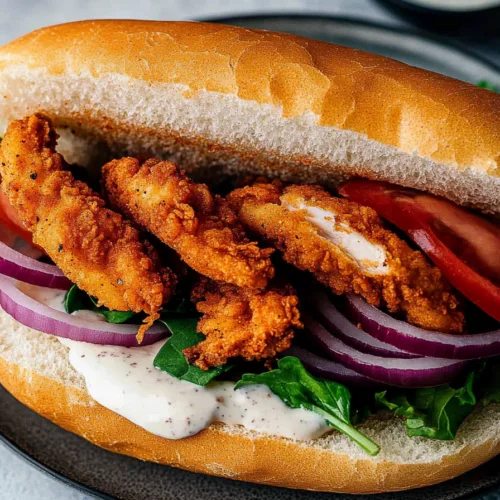
Deep Fried Crab Legs
Ingredients
- 2 lbs snow crab or 2 to 4 king crab legs
- 1 c flour
- 2 tbsp cornstarch
- 1 c buttermilk
- 3 tbsp hot sauce
- 1 tbsp salt and pepper
- 1/2 tbsp garlic salt
- 1 tbsp butter
- Canola oil as needed for frying
Instructions
Heat the oil.
- Add enough canola oil to a deep fryer or heavy pot for frying. Heat the oil to 350°F, using a thermometer for accuracy.
Steam the crab legs.
- Steam the crab legs for 12 to 15 minutes, or until heated through.
Prepare the wet mixture.
- In a medium bowl, combine the buttermilk and hot sauce. Melt the butter and stir it into the mixture until fully incorporated.
Prepare the dry coating.
- In a large bowl or resealable bag, combine the flour, cornstarch, salt and pepper, and garlic salt. Mix thoroughly.
Remove the crab meat.
- Once the crab legs are finished steaming, use kitchen scissors to cut the shell down the center. Gently remove the crab meat from the shell.
Soak the crab meat.
- Place the crab meat into the buttermilk mixture and allow it to soak for 5 minutes.
Coat the crab meat.
- Remove the crab meat from the buttermilk mixture and dredge it in the seasoned flour mixture until evenly coated.
Fry the crab meat.
- Carefully place the coated crab meat into the hot oil. Fry for 6 to 8 minutes, or until golden brown and crisp.
Drain the fried crab.
- Remove the fried crab from the oil and place it on a paper towel-lined plate to drain excess oil.
Season and serve.
- Sprinkle with an additional dash of your preferred seasoning, if desired, and serve immediately.
Notes