Chorizo, chicken, pasta, onion, bell pepper, tomato sauce, tomato paste, heavy cream, parsley, smoked paprika, and Asiago cheese.
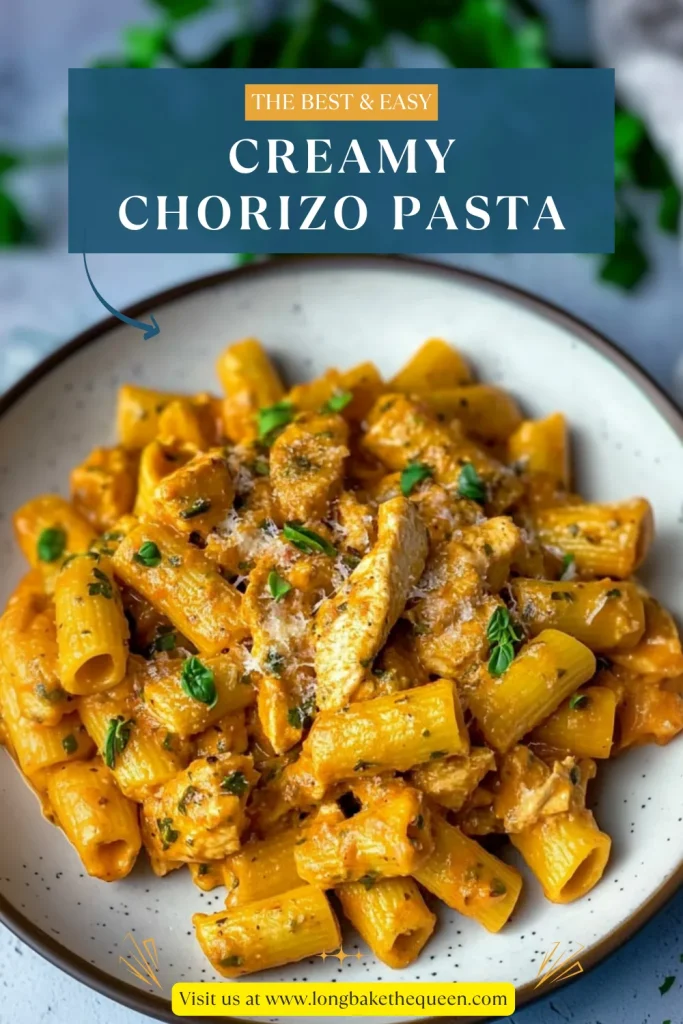
Some pasta dinners are quiet and comforting. This Creamy Chorizo Pasta is not one of them. It’s smoky, creamy, a little spicy, and packed with enough flavor to make an ordinary weeknight feel considerably less ordinary. You’ve got tender marinated chicken, savory chorizo, onion, bell pepper, tomato, cream, herbs, spices, and pasta all tangled together in one rich sauce. Add freshly grated Asiago on top and, well… dinner suddenly looks like you had a much more organized day than you probably did.
I like recipes like this because they sit somewhere between comfort food and “I actually made something exciting tonight.” The chorizo does a lot of heavy lifting flavor-wise, which is always appreciated, while the chicken makes the dish hearty enough to feed hungry people without needing much on the side. And that creamy tomato sauce? It clings to the pasta instead of disappearing to the bottom of the bowl, which is exactly where I stand on pasta sauce politics.
This Creamy Chorizo Pasta recipe is also easy to adjust. You can keep it mild, add extra chili flakes, switch the chicken breast for thighs, toss in a handful of spinach, or grate enough cheese over the top that nobody can see what’s underneath. I’m not saying that last option is necessary. I’m just saying I understand it.
This Creamy Chorizo Pasta came from one of those evenings when I opened the fridge without a particularly convincing dinner plan. There was chicken that needed cooking, half a bell pepper hanging around, and some chorizo that I’d bought with good intentions and then apparently forgotten about. Sound familiar? I stood there for longer than I’d like to admit, staring into the fridge as if a complete recipe might introduce itself.
The chorizo eventually won me over. It usually does.
There’s something about the smell of chorizo browning in a pan that makes dinner feel more promising almost instantly. Once that smoky, paprika-rich oil starts coming out, you’ve already built more flavor than you’d get from several extra ingredients. I added the marinated chicken, and at that point the kitchen smelled so good that I started feeling slightly more confident about my improvised dinner situation.
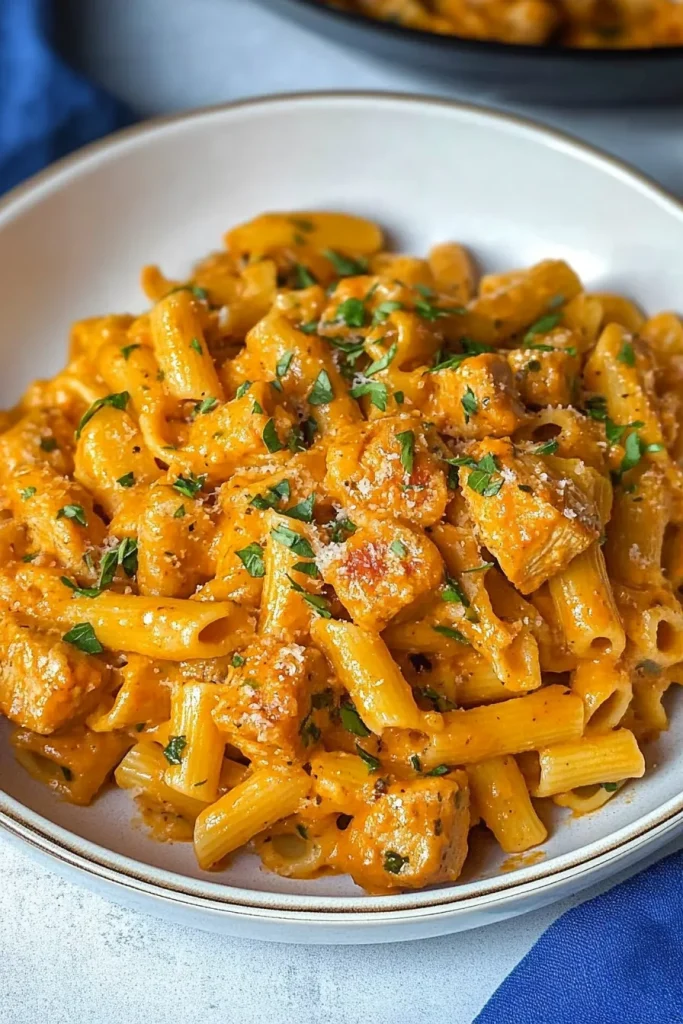
Then came the onions and orange bell pepper. They softened in the oil left behind by the meat, picking up all those little browned bits from the skillet. I added tomato paste and let it cook until it became darker and richer, then poured in tomato sauce and cream. The sauce turned this lovely burnt-orange color that looked suspiciously restaurant-ish for something I’d started with very little planning.
I remember tasting it before the pasta went in and thinking it needed just a bit more smoked paprika. Maybe it did, maybe I just really like smoked paprika. Both things can be true. I added parsley, oregano, black pepper, and a pinch of chili flakes, then tossed in the pasta and watched the sauce settle into every curve and ridge.
That was the moment this chicken and chorizo pasta stopped feeling like a fridge clean-out and started feeling like an actual recipe.
I’ve made versions of it since, and they’re never exactly identical. Sometimes I use more bell pepper. Sometimes I add spinach because there’s a bag in the fridge giving me guilt. Sometimes I skip the chili flakes because the chorizo is spicy enough on its own. That slight flexibility is probably one of the reasons I keep coming back to it. Real-life dinners rarely happen with laboratory precision, and this pasta doesn’t need them to.

Why you’ll Love this Creamy Chorizo Pasta?
- The chorizo builds flavor without much work. One of my favorite things about Creamy Chorizo Pasta is how much flavor comes from the sausage itself. Chorizo releases smoky, seasoned oil as it cooks, and instead of throwing that flavor away, you use it to cook the onion and bell pepper. That means the whole sauce picks up those savory, paprika-rich notes. It’s almost like the chorizo seasons the pan for you. I’m always grateful when an ingredient is willing to multitask.
- The chicken makes it feel like a complete meal. The chicken gets a quick marinade with oil, garlic powder, smoked paprika, and salt before it goes into the skillet. Ten minutes isn’t a long time, but it gives those bite-sized pieces a much better start than tossing plain chicken straight into the pan. Once the chicken joins the chorizo and creamy tomato sauce, you get little smoky, tender bites throughout the pasta. It’s filling without feeling like you’ve simply dumped half the fridge into the skillet.
- The creamy tomato sauce has real personality. Cream sauce on its own can sometimes lean a little too rich for me, especially with sausage. That’s why the tomato sauce and tomato paste matter so much here. They bring tang and depth that cut through the heavy cream, while oregano, paprika, garlic powder, pepper, and optional chili flakes keep the flavor lively. The finished creamy chorizo sauce is rich, yes, but it doesn’t just taste like cream. Important distinction.
- It’s surprisingly manageable for a busy evening. There are a few stages to this recipe, but none of them are particularly tricky. The chicken marinates while you prep. The meat cooks together. The vegetables use the same pan. The sauce comes together right there too. Then the pasta goes in at the end. You’re not dealing with five saucepans and a sink that looks like a restaurant kitchen after Saturday night service. That alone earns points from me.
- You decide how spicy it gets. Chorizo already brings a little warmth, so the chili flakes are more of a personal choice than a requirement. I sometimes add the full amount, and other times I barely use any depending on who’s eating. If you’ve got one person who loves heat and another who thinks mild salsa is adventurous, keep chili flakes at the table and let everyone negotiate their own bowl. Much more peaceful.
- It’s the sort of dish people actually look forward to reheating. Some leftovers feel like a duty. This Creamy Chorizo Pasta doesn’t. The flavors settle together overnight, and while the sauce does thicken in the refrigerator, a little milk or cream brings it back nicely. I’ve absolutely looked forward to having this for lunch the next day, which is saying something because midday leftovers can be a bit hit-or-miss.
- That Asiago topping is optional, but… come on. Fresh Asiago adds salty, nutty flavor that works especially well with tomato, cream, chorizo, and smoked paprika. Is the pasta already flavorful without it? Yes. Do I still grate some over my bowl? Also yes. Parmesan works beautifully too, but Asiago has a slightly sharper personality that suits the dish.
Ingredient Notes
There aren’t any particularly strange ingredients hiding in this Creamy Chorizo Pasta, which is part of what makes it useful for weeknight cooking. Most of the flavor comes from a handful of bold ingredients used in the right places: smoky chorizo, seasoned chicken, sweet onion and pepper, concentrated tomato paste, cream, and plenty of warm spices.
- Chorizo Sausage: Chorizo is doing serious work in this dish. Once the casing is removed and the sausage cooks, it releases flavorful oils filled with spice and smokiness. Different chorizos vary quite a bit, though. Some are mild and paprika-heavy, while others have real heat. I’d use one you already know you enjoy rather than grabbing the fiercest-looking package and hoping for the best. Dinner should be exciting, not a test of endurance.
- Chicken Breast: The chicken gives the pasta substance and a slightly milder bite next to the stronger chorizo. Cut it fairly evenly so all the pieces finish cooking at around the same time. Chicken thighs are a good alternative if you prefer richer meat or tend to worry about breast meat drying out. I switch between the two depending on what’s on sale, which is not glamorous but is very real.
- The Chicken Marinade: Oil, garlic powder, smoked paprika, and salt make a simple paste that coats the chicken. It’s not the kind of marinade you need to plan the night before. Ten minutes while you chop the onion and bell pepper is enough to give the chicken a noticeable flavor boost. Small effort, decent return. I like those odds.
- Yellow Onion: Onion softens into the sauce and adds natural sweetness. Because it cooks after the chicken and chorizo, it also picks up all those tasty browned bits and seasoned oil. This is one of those ingredients you might not notice when you eat the pasta, but you’d definitely notice if it wasn’t there.
- Orange Bell Pepper: Orange pepper brings sweetness and color without competing with the chorizo. Red or yellow bell peppers work beautifully too. Green pepper has a sharper, slightly more bitter flavor, which isn’t necessarily bad, just different. I tend to reach for orange or red because they mellow so nicely in creamy tomato sauce.
- Tomato Paste: Give the tomato paste its minute or two in the pan before adding liquid. That little bit of cooking darkens it and gives you deeper tomato flavor. I used to rush this step because, honestly, tomato paste already looks cooked. But it really does taste better once it has caramelized slightly in the skillet.
- Tomato Sauce: Tomato sauce keeps the heavy cream from taking over and gives the finished sauce its reddish-orange color. It also brings acidity, which balances both the sausage fat and the cream. Without tomato, the dish would feel much heavier. With it, the sauce lands somewhere between creamy pasta and a rich tomato pasta, which I think is the sweet spot.
- Heavy Cream: Two cups give you plenty of luscious sauce. This is definitely not pretending to be a light cream sauce, and that’s fine. If you want something less rich, you can replace some of the cream with half-and-half or additional tomato sauce, but the finished texture won’t be quite as silky. Some evenings call for moderation. Some evenings call for cream.
- All-Purpose Flour: The flour helps thicken the sauce so it actually coats your pasta. Whisking it with warm water first keeps you from dumping dry flour directly into hot cream, which is a reliable way to create tiny flour dumplings you definitely did not ask for. Stir slowly and you’ll be fine.
- Fresh Parsley: Parsley gives the sauce a bit of freshness and color at the end. With cream, sausage, cheese, and pasta all in one dish, that little green lift is welcome. It doesn’t suddenly turn dinner into health food—nice try—but it does make the flavor feel brighter.
- Garlic Powder: Garlic powder works in both the chicken and sauce, giving you consistent garlic flavor without adding another chopping step. Would fresh garlic be delicious? Definitely. But sometimes I’m quite happy not to peel another thing.
- Smoked Paprika: Smoked paprika echoes the chorizo flavor and gives both the chicken and sauce extra warmth. It’s probably one of the key ingredients responsible for that deep, smoky character. If your chorizo is already very intensely smoked, you could use slightly less. I usually don’t, but I’m admittedly biased toward paprika.
- Dried Oregano: Oregano brings a warm, slightly earthy herbiness that works naturally with tomato and sausage. It’s one of those ingredients that helps the sauce taste more rounded without standing out as “oregano pasta.”
- Chili Flakes: Completely optional. I mean that. If your chorizo already has enough heat, skip them. If you’re someone who automatically reaches for chili flakes before even tasting dinner—hello, I see you—go ahead and add them. Just remember that spice tends to feel stronger once everything has simmered together.
- Black Pepper: Black pepper cuts through some of the richness and complements the smoky seasonings. Freshly cracked pepper has more punch, but if the little pre-ground tin is what’s sitting next to your stove, dinner will survive.
- Pasta: Short pasta shapes are my favorite for Creamy Chorizo Pasta because they catch the sausage pieces and thick sauce. Rigatoni, penne, fusilli, shells, and rotini are all good choices. Whatever you use, cook it slightly shy of al dente because it will spend another couple of minutes in the hot sauce.
- Asiago Cheese: Asiago is optional, though “optional cheese” always sounds a little suspicious to me. It adds a salty, tangy finish and melts just enough over the hot pasta. Parmesan or pecorino are easy substitutions if that’s what you already have.
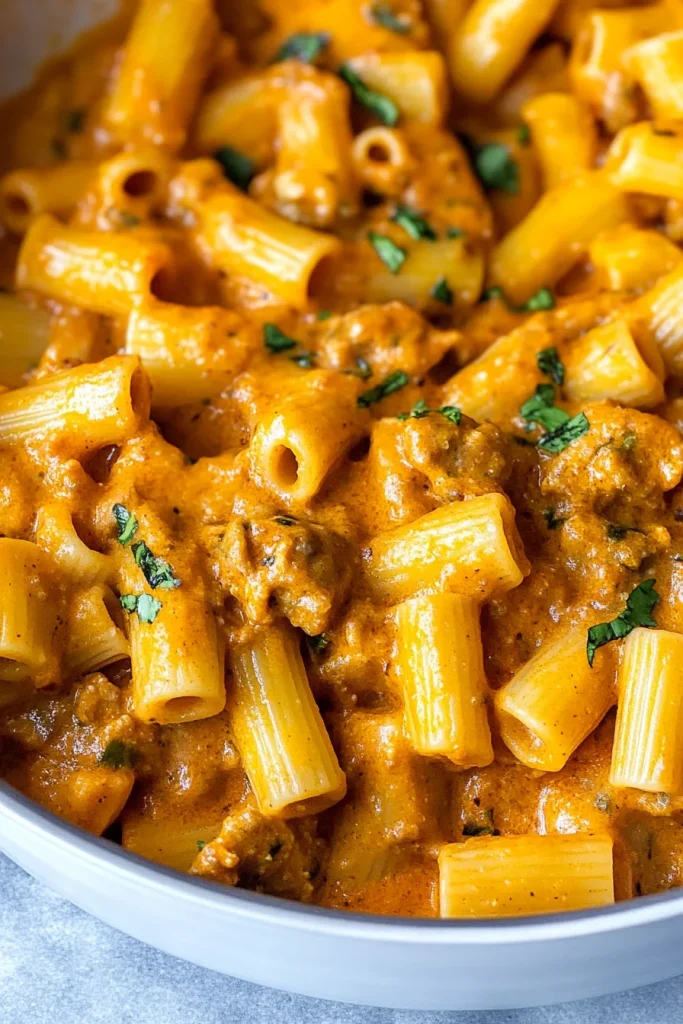
How to Make Creamy Chorizo Pasta?
This Creamy Chorizo Pasta recipe moves pretty smoothly once your ingredients are chopped and ready. I’d get the pasta water going before you start the sauce so everything finishes around the same time. There’s nothing worse than a beautiful sauce waiting around while a huge pot of water stubbornly refuses to boil.
- Marinate the chicken first. Mix the oil, garlic powder, smoked paprika, and salt until you have a loose paste, then toss the chicken cubes through it. Let them sit for around 10 minutes while you prepare everything else. It doesn’t need to be an exact ten-minute countdown. If it sits for twelve, the pasta police are not coming. You’re simply giving the seasoning a little time to cling to the chicken before cooking.
- Brown the chicken and chorizo together. Heat 1 tablespoon of oil in a large skillet over medium heat and add the chorizo along with the marinated chicken. Cook for roughly 8 to 10 minutes, breaking up the chorizo and turning the chicken until both are nicely browned and the chicken is cooked through. Transfer them to a plate but leave the oil behind. That reddish, flavorful fat in the skillet might not look elegant, but it’s basically the foundation of your sauce.
- Let the onion and pepper soak up all that flavor. Add the remaining oil if the skillet needs it, followed by the finely diced onion and orange bell pepper. Cook them for around 7 minutes, stirring every so often, until the onion turns translucent and the pepper softens. They’ll pick up some of the chorizo spices left in the pan, which means you’re building flavor without adding another single thing. Very satisfying.
- Cook the tomato paste instead of rushing past it. Stir in the tomato paste and let it cook for 1 to 2 minutes. It should darken slightly and begin coating the vegetables. This takes almost no time but gives the sauce a richer, less raw tomato taste. I used to wonder if this kind of step mattered. It does. Annoyingly, the small things often do.
- Build the creamy tomato sauce. Pour in the tomato sauce and heavy cream and stir until everything blends together. Bring it to a gentle simmer rather than a raging boil. The sauce will turn a gorgeous orange-red shade at this point. If you’re anything like me, this is also when you start dipping the spoon in “just to check.” Quality control, obviously.
- Thicken it carefully. Whisk the flour with 1/2 cup warm water until there are no obvious lumps. Slowly drizzle it into the skillet while stirring. If you notice the sauce becoming lumpy, pull the pan away from the heat for a minute and whisk or stir until smooth before returning it. No big disaster. Sauces are more forgiving than they sometimes look.
- Return the chicken and chorizo. Put the cooked meat back into the skillet and stir it through the sauce. Let everything simmer for 10 to 15 minutes, stirring occasionally. The sauce will thicken further, and the chorizo flavor will work its way through every part of it. This little simmer is where the dish starts tasting cohesive instead of like separate ingredients sitting beside one another.
- Season near the end. Add the garlic powder, smoked paprika, oregano, chili flakes if you’re using them, black pepper, parsley, and whatever remaining salt the sauce actually needs. Taste before adding all the salt automatically. Chorizo can be salty. Asiago can be salty. Your pasta water may also be salted. Basically, there are plenty of people already bringing salt to the party.
- Toss in the pasta. Add your slightly undercooked pasta and toss it thoroughly through the sauce. Let it spend another minute or two in the skillet so it finishes cooking and absorbs some flavor. If the sauce becomes thicker than you want, splash in some pasta water. You’re looking for creamy and clingy, not cement.
- Finish with cheese and serve. Spoon the Creamy Chorizo Pasta into bowls and grate Asiago over the top while it’s still hot. A little more parsley looks lovely too. Then eat it while the sauce is at its silkiest, preferably with bread nearby because leaving sauce behind feels wasteful.
Storage Options
Cream sauces change texture once they’re refrigerated, so leftover Creamy Chorizo Pasta won’t look exactly the same as it did straight from the skillet. That’s normal. The pasta absorbs some of the sauce, and everything becomes thicker. A splash of liquid during reheating usually fixes it nicely.
- In the Refrigerator: Place cooled leftovers in an airtight container and refrigerate for about 3 to 4 days. When you open the container the next day, don’t panic if the pasta looks considerably less saucy. The noodles have simply been helping themselves overnight. Add milk, cream, broth, or even a little water while reheating, and the sauce will loosen again.
- In the Freezer: You can freeze Creamy Chorizo Pasta for around 2 months, although cream sauces sometimes separate when thawed. I wouldn’t choose freezing as my first option if texture is especially important to you, but it’s useful if the alternative is wasting leftovers. Thaw it in the fridge overnight and reheat slowly with a little cream or broth while stirring.
- Reheating on the Stove: This is my preferred method. Put the pasta into a skillet over low or medium-low heat, add a small splash of milk or cream, and stir gently until warmed through. If you turn the heat too high, the sauce can become oily or separate. Slow and steady wins here. Very unexciting advice, but effective.
- Reheating in the Microwave: Add the pasta to a microwave-safe bowl with a splash of liquid, loosely cover it, and heat in shorter bursts, stirring in between. It’s not quite as silky as stovetop reheating, but when you’re standing in the kitchen at lunchtime and hungry now, the microwave has its place.
- For Meal Prep: If you know in advance that you’re making this for several meals, you can keep some sauce separate from the pasta. That gives you more control when reheating and prevents the noodles from absorbing quite as much overnight. Fresh parsley and grated cheese are best added afterward. It makes yesterday’s pasta feel a little less like yesterday’s pasta.
Variations & Substitutions
One reason I enjoy Creamy Chorizo Pasta is that it leaves room for improvising. You can change the meat, vegetables, pasta, spice level, or even how rich the sauce is without losing the main idea: smoky chorizo in a creamy tomato sauce.
- Switch the pasta shape. Rigatoni is excellent because the sauce gets inside those big tubes. Penne is reliable. Fusilli catches sauce in all those spirals. Shells are surprisingly good too. Use whatever shape makes you happy, but something short and sturdy generally works better with the chunky chicken and chorizo mixture.
- Use chicken thighs. Boneless skinless thighs are slightly richer and usually harder to overcook. If chicken breast sometimes stresses you out because it can go dry so quickly, thighs are a friendly alternative. Dice them just as you would the breast and use the same marinade.
- Turn up the heat. Add more chili flakes, diced fresh chili, cayenne, or a little hot sauce if you like spicy chorizo pasta. You can also choose a hotter chorizo from the beginning. Just taste before getting too enthusiastic. There’s a difference between pleasantly spicy and suddenly reconsidering all your life choices over dinner.
- Keep it mild. Use mild chorizo and leave out the chili flakes. The smoked paprika gives plenty of flavor without bringing much heat. This is probably the better route if you’re serving younger kids or spice-sensitive guests.
- Add vegetables. Mushrooms, spinach, zucchini, peas, cherry tomatoes, or even roasted red peppers can all fit into this recipe. I especially like spinach because you can stir it in right at the end and pretend you planned to add something green all along. Works every time.
- Try another cheese. Parmesan is the obvious alternative to Asiago and probably the easiest to find. Pecorino adds a sharper, saltier edge, while Manchego plays nicely with the Spanish-style flavors of chorizo. Just taste the sauce before adding extra salt if your cheese is especially salty.
- Make the sauce lighter. Replace some of the heavy cream with half-and-half, evaporated milk, or extra tomato sauce. It won’t have quite the same luxurious texture, but it’ll still taste good. You could also drain away a little of the rendered chorizo fat before adding the vegetables if you prefer. I’d leave at least some behind, though. That’s good flavor sitting right there.
- Leave out the chicken. The chorizo alone brings enough flavor to carry the dish, so you can skip chicken entirely if you want a simpler version. Add extra vegetables or a bit more sausage if you want to bulk it out. This saves the marinating step and gets dinner moving even faster.
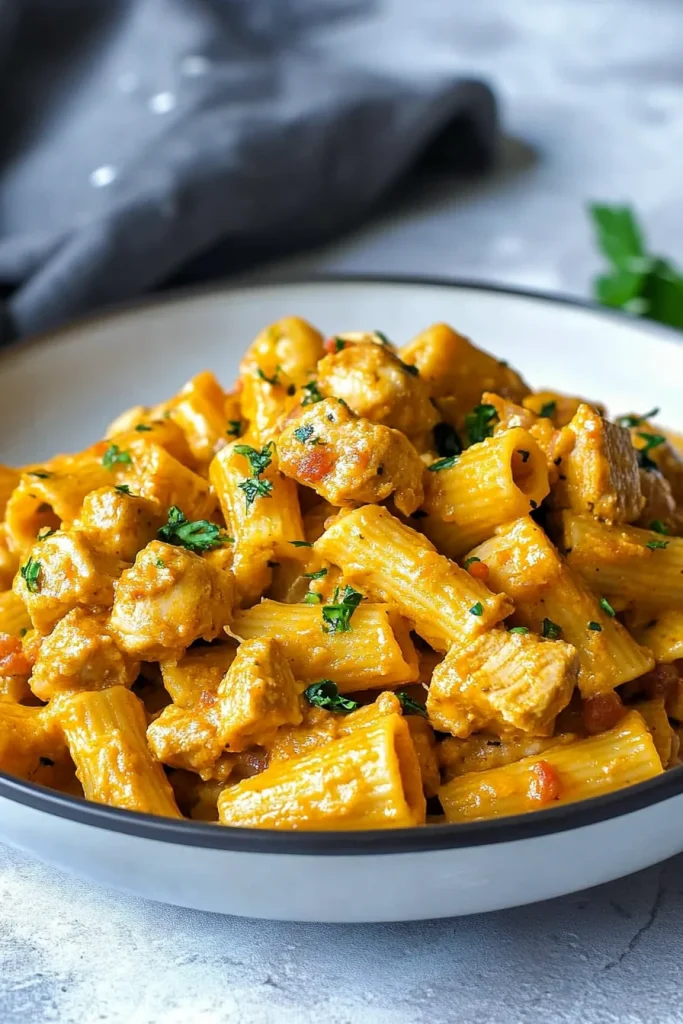
What to Serve With Creamy Chorizo Pasta?
Because Creamy Chorizo Pasta is already hearty, I usually keep the sides fairly simple. Something crisp, green, acidic, or bread-like works beautifully. You don’t need another heavy side competing with a pasta dish that has already arrived wearing cream, sausage, and cheese.
- Garlic Bread: This is probably the obvious answer, and obvious isn’t bad. Garlic bread is perfect for scooping up the creamy tomato sauce left on the plate. I always tell myself I’m serving bread “for the table,” but really it’s because I hate watching a good sauce go to waste.
- A Crisp Green Salad: Lettuce, cucumber, tomatoes, maybe a little red onion, and a sharp lemon or vinegar-based dressing work beautifully. The freshness cuts through the cream and chorizo fat. It’s the sort of side that makes the meal feel balanced without asking much of you.
- Roasted Broccoli: Broccoli gets wonderfully crisp around the edges in the oven, and that slightly charred flavor works surprisingly well with smoky chorizo. Season it simply. The pasta has enough going on already.
- Sautéed Spinach: Spinach cooked quickly with garlic and lemon gives you a bright green side in minutes. It’s especially handy when you suddenly realize there’s nothing green on the plate. Not that every dinner needs to pass a color audit, but still.
- Caprese Salad: Tomatoes, mozzarella, basil, olive oil, and maybe balsamic make a cool contrast to hot creamy pasta. It’s simple but feels a little nicer if you’re serving this for company rather than eating it on the sofa in sweatpants. Both occasions are valid, by the way.
- Crusty Bread: A good sourdough, baguette, or rustic loaf does nearly the same job as garlic bread with even less effort. Tear, dip, repeat. It’s difficult to improve on that.
- Roasted Zucchini or Peppers: These vegetables complement the sauce without overpowering it. A little olive oil, salt, pepper, and oregano is all they need. Red or yellow peppers especially echo the sweetness already coming from the bell pepper in the pasta.
- A Light Soup: If you want a starter, choose something broth-based or vegetable-heavy rather than another creamy soup. Tomato soup can work, though I’d keep the portion small since there’s already tomato in the pasta. Sometimes dinner doesn’t need seven acts.
FAQ
What type of chorizo should I use?
Use a fresh chorizo sausage that can be removed from its casing and crumbled as it cooks. Mild or spicy both work. The important thing is choosing one whose flavor you actually enjoy, because it seasons the entire Creamy Chorizo Pasta.
How can I make the pasta less spicy?
Use mild chorizo and leave out the chili flakes. The smoked paprika still gives you warmth and smokiness without much actual heat. You can always put chili flakes on the table for anyone who wants to add more.
Why is my sauce lumpy?
The flour probably went in too quickly or wasn’t fully mixed with water first. Whisk the flour and warm water until smooth, then pour it in gradually while stirring. If lumps appear, take the pan briefly off the heat and stir until the sauce smooths out.
What pasta works best?
I like short shapes such as rigatoni, penne, fusilli, rotini, or shells because they catch the thick sauce and pieces of chicken and chorizo. Whatever shape you choose, cook it slightly under al dente so it can finish in the sauce.
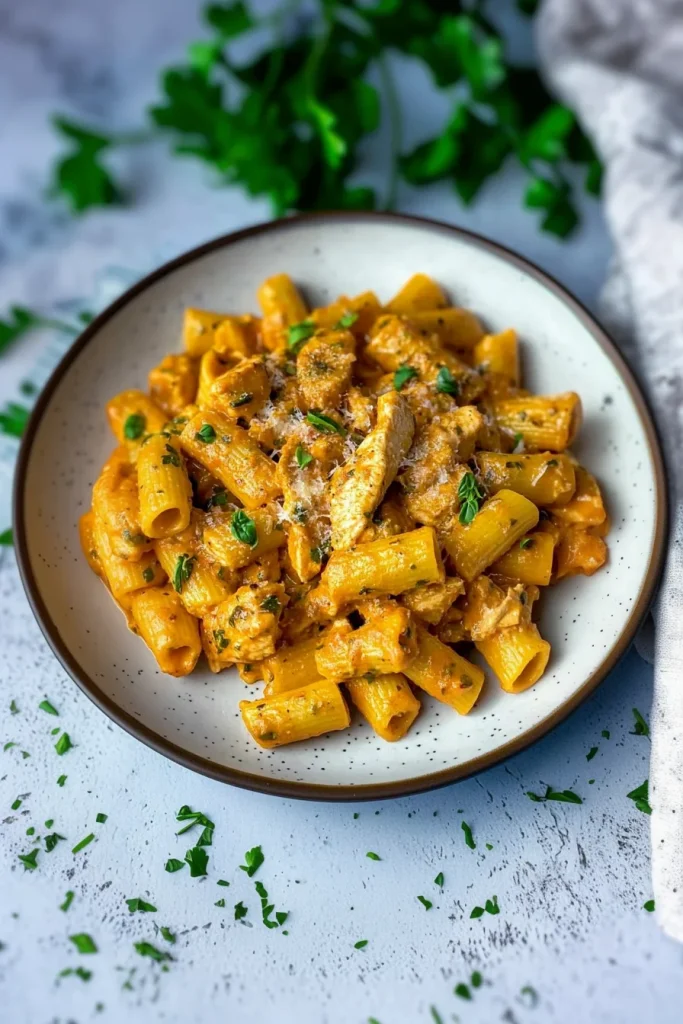
This Creamy Chorizo Pasta sits firmly in the “comfort food with personality” category for me. It has smoky chorizo, tender paprika-marinated chicken, sweet onion and bell pepper, a creamy tomato sauce, herbs, pasta, and enough optional cheese to make dinner feel just a little indulgent.
It isn’t overly fancy, and I think that’s part of its charm. You can make it on a weeknight, change a few ingredients depending on what’s hanging around in your fridge, and still end up with a big skillet of pasta that feels like a proper dinner.
I’d probably serve mine with crusty garlic bread, a simple salad, and slightly more Asiago than necessary. But what about you? Would you make your Creamy Chorizo Pasta smoky and mild, pile on the chili flakes, or go straight for extra cheese? Can’t wait to hear what you think.
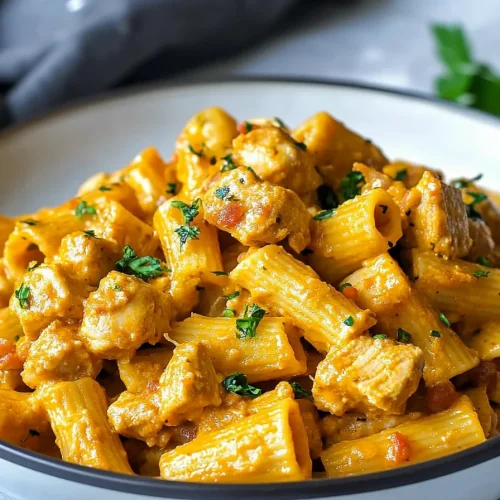
Creamy Chorizo Pasta
Ingredients
For the Pasta
- 3 tbsp oil divided
- 1 lb chorizo sausage casings removed
- 1 large chicken breast diced into bite-sized cubes
- 1 medium yellow onion finely diced
- 1 orange bell pepper diced
- 2 tbsp tomato paste
- 1 cup tomato sauce
- 2 cups heavy cream
- 2 tbsp all-purpose flour
- 1/3 cup fresh parsley chopped
- 2 tsp salt divided
- 1 tsp garlic powder
- 1 tsp smoked paprika
- 1 tsp dried oregano
- 1/2 tsp chili flakes optional
- 1/2 tsp black pepper
- Cooked pasta prepared slightly under al dente
For the Chicken Marinade
- 1 tbsp oil
- 1 tsp garlic powder
- 1 tsp smoked paprika
- 1 tsp salt
Optional Topping
- Freshly grated Asiago cheese
Instructions
- In a small bowl, combine the oil, garlic powder, smoked paprika, and salt for the chicken marinade.
- Stir until a smooth paste forms.
- Add the diced chicken to the marinade and coat evenly.
- Allow the chicken to marinate for approximately 10 minutes while preparing the remaining ingredients.
- Heat 1 tablespoon of oil in a large skillet over medium heat.
- Add the chorizo sausage and marinated chicken to the skillet.
- Cook for 8 to 10 minutes, stirring occasionally, until the chorizo is browned and the chicken is fully cooked.
- Remove the cooked chorizo and chicken from the skillet and set aside.
- Leave the rendered oil in the skillet to flavor the sauce.
- Add the remaining oil to the same skillet, if needed.
- Add the finely diced onion and diced orange bell pepper.
- Sauté for approximately 7 minutes, or until the onion is translucent and the bell pepper has softened.
- Stir in the tomato paste.
- Cook for 1 to 2 minutes, stirring frequently, to deepen the flavor of the tomato paste.
- Add the tomato sauce and heavy cream.
- Stir until the sauce is fully combined and smooth.
- Bring the mixture to a gentle simmer.
- In a small bowl, whisk together the all-purpose flour and 1/2 cup warm water until smooth.
- Slowly pour the flour mixture into the sauce while stirring continuously to prevent lumps.
- If the sauce begins to form lumps, briefly remove the skillet from the heat and continue stirring until smooth.
- Return the skillet to a gentle simmer.
- Add the cooked chorizo and chicken back to the skillet.
- Stir until the meat is evenly coated in the sauce.
- Simmer for 10 to 15 minutes, stirring occasionally, until the sauce thickens and becomes creamy.
- Stir in the garlic powder, smoked paprika, dried oregano, chili flakes if using, black pepper, fresh parsley, and remaining salt as needed.
- Taste and adjust the seasoning carefully, as chorizo and cheese may already contain salt.
- Add the cooked pasta to the skillet.
- Toss thoroughly until the pasta is evenly coated in the creamy chorizo sauce.
- Allow the pasta to cook in the sauce for 1 to 2 minutes, if needed, until it reaches the desired texture.
- Remove from the heat.
- Serve hot with freshly grated Asiago cheese, if desired.
Notes