
Butter, vegetable oil, eggs, rum, vanilla, milk, cinnamon, flour, whole wheat flour, almonds, orange zest, and raisins.
I have a soft spot for muffins that don’t try too hard. You know the kind? Not overloaded with frosting, not pretending to be a cupcake, not covered in six toppings just for attention. These Classic German Breakfast Muffins are simple, cozy, and quietly charming. They taste like something you’d want beside a cup of coffee on a slow morning, or honestly, standing at the kitchen counter while still half-awake. Been there.
These Classic German Breakfast Muffins are soft, lightly sweet, and full of warm flavor from cinnamon, orange zest, ground almonds, vanilla, and a little splash of rum. They’re made with both all-purpose flour and whole wheat flour, so they have a slightly hearty feel without becoming dense or too serious. The butter gives them that rich homemade flavor, while the vegetable oil keeps the crumb tender. I like that little balance. It feels practical, but still delicious.
What I love most is that these muffins can fit almost any moment. Breakfast? Yes. Afternoon snack? Absolutely. Simple dessert after dinner? Why not. Something to pack with coffee for work or tuck into a lunchbox? Perfect. They’re not overly sweet, which makes them feel more like a real breakfast muffin instead of a cupcake in disguise. And listen, I love cupcakes. But sometimes at 8 a.m., I want cozy, not frosting chaos.
The orange zest is probably my favorite part. It gives these German breakfast muffins a bright little lift that makes the cinnamon and almonds taste even better. The rum adds warmth in the background, not a strong boozy flavor. It’s more like a cozy note you can’t quite name, the kind that makes someone take a bite and say, “Wait, what’s in these?” Very satisfying.
And then there are the raisins. Optional, thankfully, because raisins can divide a room faster than you’d expect. Some people love that chewy sweetness. Some people act like raisins personally ruined baked goods for them. I go back and forth, honestly. Some days I like them. Some days I want the muffin plain and soft. Both versions work, so no breakfast drama needed.
These Classic German Breakfast Muffins come together in about 32 minutes, which is pretty lovely for a homemade bake. You cream the butter and sugar, mix in the eggs, rum, vanilla, and milk, add the dry ingredients, fold in the almonds, orange zest, and raisins, then bake until lightly golden. Simple steps, warm kitchen, good smell. That’s the kind of baking I can get behind.
So if you’re craving a soft, cozy muffin with gentle spice, nutty flavor, and a little citrus brightness, this Classic German Breakfast Muffins recipe is one to keep around. It’s not loud or flashy, but it has that homemade charm that makes you reach for a second one before you’ve fully decided. Sound familiar?
These Classic German Breakfast Muffins remind me of quiet breakfast tables, the kind where nobody is rushing too much yet. Coffee is brewing, someone is looking for the butter, and there’s something warm sitting on the table that makes the morning feel a bit kinder. I know that sounds a little sentimental for a muffin, but some recipes do that. They make an ordinary morning feel softer.
I’ve always liked breakfast bakes that feel simple but still have personality. These muffins remind me a little of European-style coffee cakes and old-fashioned morning breads—the kind with nuts, citrus, spice, and maybe a bit of dried fruit. Not too sweet, not too plain. Somewhere in the middle. I think that’s why these German-style breakfast muffins feel so useful. They’re good with coffee, good with tea, good with jam, good plain. Very cooperative muffins.
The first time I made them, I was in one of those moods where I wanted something homemade but didn’t want to commit to a big cake. Cake felt too much. Toast felt too boring. Muffins felt just right. I remember grating the orange zest and immediately thinking, okay, this smells promising. Orange zest has that effect. It makes you feel like the batter is already halfway to delicious.
Then the cinnamon went in, and the kitchen started smelling warm and familiar. Not holiday-cookie-level intense, but cozy enough to make you pause for a second. The ground almonds gave the batter a softer, nuttier feel, and the rum added this gentle warmth that made the muffins taste a little more grown-up. Not fancy, exactly. Just thoughtful.
And yes, my first batch wasn’t perfectly even. A couple of muffins rose more than the others, one had more raisins than seemed fair, and I probably filled one cup a little too high. But that’s normal baking, right? Real muffins don’t always come out like matching soldiers. They come out a little lopsided, a little different, and somehow that makes them nicer.
For me, Classic German Breakfast Muffins are the kind of recipe that fits into real life. They’re for slow weekend breakfasts, packed snacks, coffee breaks, brunch tables, or those afternoons when you want something sweet-ish but not too sweet. Ever tried a muffin that feels humble at first but slowly wins you over? That’s this one.


Why you’ll Love these Classic German Breakfast Muffins?
You’ll love these Classic German Breakfast Muffins because they’re easy, soft, and full of cozy flavor without being overly rich or sugary. They’re the kind of muffin you can eat for breakfast and not feel like you accidentally started your day with dessert. Though, let’s be honest, sometimes that happens and it’s not the end of the world.
The flavor is warm and balanced. Cinnamon gives the muffins that familiar breakfast-bakery smell, orange zest adds brightness, ground almonds bring a gentle nuttiness, and rum adds depth. The whole wheat flour gives a slightly hearty texture, while the all-purpose flour keeps the muffins soft. It’s a nice mix: comforting, but not heavy. Sweet, but not too sweet. Simple, but not boring.
These German breakfast muffins are also really versatile. You can serve them for breakfast, brunch, dessert, or a snack. They work with coffee, tea, butter, jam, honey, yogurt, fruit, or just your hand while you walk through the kitchen. I’m not saying that’s the official serving suggestion, but it does happen.
Another thing I like is the butter-and-oil combo. Butter gives flavor, and oil helps the muffins stay tender. It’s one of those small baking details that doesn’t sound exciting, but it makes a difference. Nobody wants a dry muffin that crumbles apart like it has given up on life. These stay soft and pleasant, especially when stored well.
You’ll also appreciate how flexible this Classic German Breakfast Muffins recipe is. Raisins are optional, and you can swap them for dried cranberries, currants, chopped dates, or dried apricots. You can add more zest, skip the rum, or make them a little sweeter if that’s your mood. The recipe gives you room to adjust without making things complicated.
Most of all, these muffins feel comforting in a quiet way. They’re not dramatic. They’re not trying to become the centerpiece of your whole day. They’re just warm, fragrant, and homemade. And honestly, that’s often exactly what I want from breakfast.
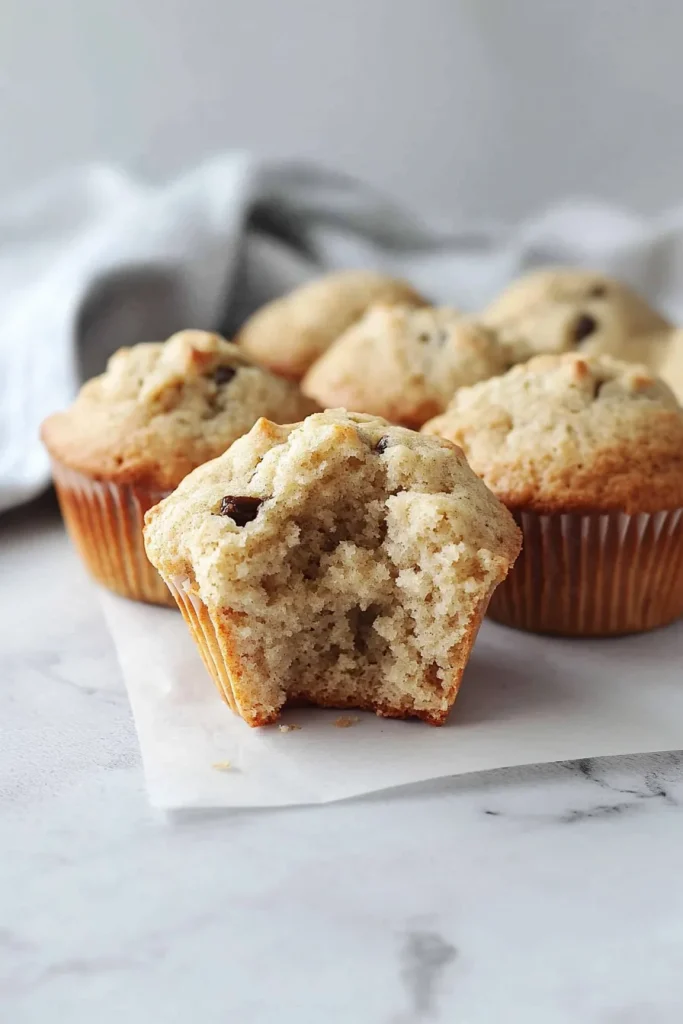
Ingredient Notes
The ingredients for Classic German Breakfast Muffins are simple, but each one brings something useful to the batter. Butter adds richness, oil keeps the crumb soft, cinnamon adds warmth, orange zest brightens everything, ground almonds bring gentle nuttiness, and raisins add chewy sweetness if you decide to use them. It’s a small ingredient list, but it has a lot of cozy little details tucked inside.
- Unsalted butter: Softened unsalted butter gives these Classic German Breakfast Muffins their rich flavor and helps create a lighter texture when mixed with the sugar. Make sure it is softened, not melted. Soft butter blends smoothly and helps the batter become creamy. Cold butter will fight you. Melted butter will change the texture. Soft butter is the calm middle ground.
- Vegetable oil: Vegetable oil helps keep the muffins moist and tender. Butter brings flavor, but oil helps baked goods stay soft after they cool. Use a neutral oil so it doesn’t compete with the cinnamon, orange zest, rum, and almonds. This is one of those practical baking choices that quietly does a lot of good work.
- Eggs: Room-temperature eggs mix more smoothly into the batter and help give the muffins structure. If your eggs are cold, place them in a bowl of warm water for a few minutes before using. It’s a small step, but it helps the batter come together more evenly. I don’t always remember, but when I do, it helps.
- Rum: Rum adds a warm, subtle flavor to these German-style breakfast muffins. It doesn’t make the muffins taste boozy; it just gives them a little depth. If you don’t want to use rum, you can replace it with orange juice, milk, or a tiny splash of rum extract. The flavor will shift a bit, but the muffins will still be lovely.
- Vanilla extract: Vanilla rounds out the flavor and makes the muffins taste a little softer and sweeter. It works beautifully with cinnamon, orange zest, ground almonds, and rum. It’s only 1 teaspoon, but it helps everything feel more complete.
- Milk: Room-temperature milk adds moisture and helps bring the batter together. If the milk is very cold, it can make the butter mixture look a little uneven. Not a disaster, just a bit annoying. Room-temperature milk keeps things smoother.
- Cinnamon: Cinnamon gives these Classic German Breakfast Muffins their cozy, warm flavor. The amount is gentle, so it doesn’t overpower the orange or almond flavor. If you love cinnamon, you can add a little extra. I usually think a tiny bit more cinnamon rarely hurts.
- Baking powder: Baking powder helps the muffins rise and become soft. Make sure it’s fresh, because old baking powder can lead to dense muffins. If yours has been sitting in the pantry since a forgotten baking era, maybe check it first. We’ve all had that container.
- All-purpose flour: All-purpose flour gives the muffins structure while keeping them tender. It balances the whole wheat flour so the muffins don’t become too heavy. Once the flour goes into the wet mixture, mix gently. Muffin batter does not enjoy being overworked.
- Whole wheat flour: Whole wheat flour adds a slightly nutty flavor and a heartier feel. Since it can make muffins denser if used alone, this recipe combines it with all-purpose flour. That way, you get the flavor without losing the soft texture.
- Ground almonds: Ground almonds add moisture, softness, and a gentle nutty taste. They make these Classic German Breakfast Muffins feel a little richer and more traditional. If your ground almonds are slightly coarse, that’s okay. A bit of texture can be really nice.
- Orange zest: Orange zest adds bright citrus flavor without watering down the batter. Use only the orange part of the peel, not the white pith underneath, because that can taste bitter. The zest pairs beautifully with cinnamon, rum, and almonds. Honestly, this is the ingredient that makes the muffins smell special.
- Raisins: Raisins are optional, and I appreciate that. They add chewy sweetness and a classic breakfast-bake feel. If you want them softer, soak them briefly in warm water, tea, or a little rum before adding them. If you’re not a raisin person, leave them out. Peace at the breakfast table matters.
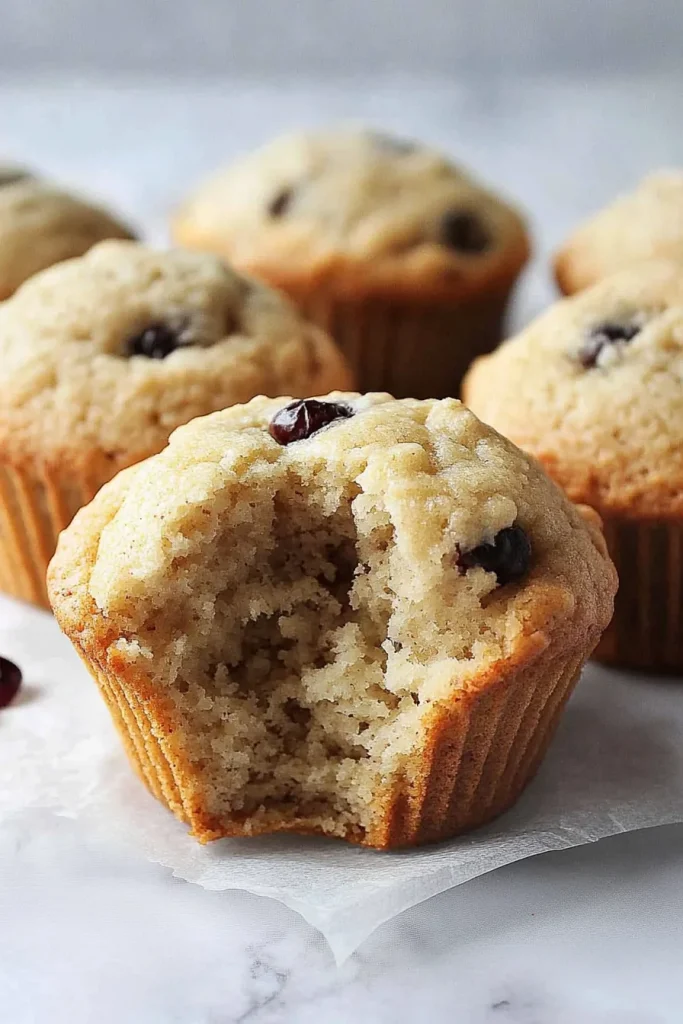
How to Make Classic German Breakfast Muffins?
Making Classic German Breakfast Muffins is simple and pretty relaxing. You mix the dry ingredients, cream the butter and sugar, add the eggs, rum, vanilla, and milk, combine everything gently, fold in the almonds, orange zest, and raisins, then bake. The main rule is to avoid overmixing once the flour goes in. A few lumps are fine. Muffin batter is supposed to look a little imperfect.
Step 1: Preheat the Oven and Prepare the Pan
Preheat the oven to 375°F and grease a 12-cup muffin pan. You can also use paper liners if you prefer easier cleanup. Starting with a properly heated oven helps the muffins rise well and bake evenly. It’s not the most exciting step, but it sets everything up.
Step 2: Mix the Dry Ingredients
In a medium bowl, combine the all-purpose flour, whole wheat flour, cinnamon, and baking powder. Stir until everything is evenly mixed. This helps the cinnamon and baking powder spread throughout the batter so every muffin tastes balanced. No muffin should be left out of the cinnamon situation.
Step 3: Cream the Butter and Sugar
In a large mixing bowl, beat the softened butter and sugar with a handheld mixer or whisk until light and fluffy, about 2 to 3 minutes. This step helps create a softer muffin texture. If you’re whisking by hand, it may take a little effort. Consider it a tiny kitchen workout, but with muffins at the end, which is much better than a regular workout.
Step 4: Add Eggs, Rum, Vanilla, and Milk
Beat in the room-temperature eggs, rum, vanilla extract, and milk until combined, about 1 minute. The mixture may look slightly uneven at first, especially if the ingredients are not all the same temperature. That’s okay. Mix until it comes together, then stop. We’re not trying to beat it into submission.
Step 5: Add the Dry Ingredients
Add the dry ingredients to the wet ingredients and mix until just combined. This is where you want to be gentle. Don’t keep stirring until the batter looks perfectly smooth. A few small lumps are normal and actually better than overmixing. Overmixed muffins can turn dense, and we are not baking little breakfast bricks.
Step 6: Fold in Almonds, Orange Zest, and Raisins
Using a rubber spatula, gently fold in the ground almonds, orange zest, and raisins if you’re using them. Folding means lifting the batter from the bottom and turning it over itself instead of stirring hard. It keeps the batter tender and helps the add-ins spread evenly. Also, the orange zest will smell amazing here. Tiny baking joy.
Step 7: Fill the Muffin Pan
Spoon the batter into the prepared muffin cups, filling each about 3/4 full. This gives the muffins enough space to rise without spilling over. Try to divide the batter evenly, but don’t stress if they’re not identical. Homemade muffins are allowed to have different personalities. Frankly, so are we.
Step 8: Bake the Muffins
Bake for 15 to 17 minutes, or until the tops are lightly browned and a toothpick inserted into the center comes out clean. If the toothpick comes out with wet batter, bake for another minute or two and check again. Ovens can be a little moody, so use the toothpick test as your guide.
Step 9: Cool and Serve
Let the muffins cool in the pan for a few minutes, then transfer them to a wire rack. Serve them warm or at room temperature. I love these Classic German Breakfast Muffins slightly warm with butter, but they’re also lovely plain with coffee or tea. Simple, cozy, done.
Storage Options
Classic German Breakfast Muffins store nicely, which makes them great for breakfast prep, snacks, and coffee breaks during the week. Like most homemade muffins, they taste best the day they’re baked, but they hold up well if stored properly. A muffin waiting for you the next morning feels like a tiny gift from yesterday-you. Very thoughtful.
- Room temperature: Store cooled Classic German Breakfast Muffins in an airtight container at room temperature for up to 2 days. Place a paper towel in the container to help absorb extra moisture and keep the muffins from getting sticky. Make sure the muffins are fully cooled before storing them, because trapped steam can make them damp.
- Refrigerator: If your kitchen is warm or you want the muffins to last longer, store them in an airtight container in the refrigerator for up to 5 days. They may firm up slightly in the fridge, but a quick warm-up brings back some softness. Refrigerated muffins are not quite fresh-from-the-oven, but they’re still very welcome.
- Freezer: These German breakfast muffins freeze well. Let them cool completely, then wrap them individually or place them in a freezer-safe bag. Freeze for up to 2 to 3 months. Individual wrapping is handy because you can grab one at a time. Whether you stop at one is between you and your freezer.
- Thawing: Thaw frozen muffins at room temperature or in the refrigerator overnight. If you want one quickly, microwave it in short intervals until warmed through. The texture may be slightly softer after freezing, but the cinnamon-orange flavor still comes through nicely.
- Reheating: Warm muffins in the microwave for 10 to 15 seconds, or place them in a low oven until heated through. You can also split and toast them lightly if you like crisp edges. Add butter, jam, honey, or enjoy them plain. They’re friendly either way.
- Make-ahead tip: Bake these Classic German Breakfast Muffins the night before and store them once fully cooled. They make breakfast much easier the next morning, especially with coffee or tea. It’s one of those small things that makes the day start with less chaos.
Variations & Substitutions
These Classic German Breakfast Muffins are easy to adjust while keeping their cozy, lightly spiced flavor. You can skip the raisins, swap the dried fruit, replace the rum, add nuts, use different citrus, or make them a little sweeter. The base recipe is flexible, but try not to overload the batter with too many extras. Muffins can carry a lot, but they also have limits. Relatable.
- Skip the raisins: Raisins are optional, so leave them out if you prefer a smoother muffin. The muffins will still have plenty of flavor from cinnamon, orange zest, ground almonds, rum, and vanilla. This is also the safest move if you’re baking for a crowd and don’t want a raisin debate.
- Use different dried fruit: Swap raisins for dried cranberries, currants, chopped dates, or chopped dried apricots. Cranberries add tartness, dates make the muffins richer, and apricots bring bright sweetness. Chop larger dried fruit into small pieces so it spreads evenly through the batter.
- Add chopped nuts: Chopped almonds, walnuts, or hazelnuts can be added for crunch. Since the batter already has ground almonds, chopped nuts make the muffins even nuttier and more textured. Keep the amount modest so the muffins don’t become too heavy.
- Replace the rum: If you prefer not to use rum, replace it with orange juice, milk, or a little rum extract. Orange juice works especially well because it supports the orange zest. The flavor will be a little different, but still warm and delicious.
- Use lemon zest: Lemon zest can replace orange zest for a brighter, sharper flavor. It pairs well with cinnamon and almonds, though the muffins will taste a little lighter and fresher. Orange feels cozy; lemon feels springy. Both are nice.
- Make them sweeter: If you prefer sweeter muffins, add a little extra sugar or dust the tops with powdered sugar after baking. As written, these Classic German Breakfast Muffins are breakfast-friendly and not overly sweet, which I personally like.
- Add a glaze: For a more dessert-like version, drizzle cooled muffins with a simple glaze made from powdered sugar and orange juice. Is it necessary? No. Is it cute and tasty? Very much yes.
- Use all all-purpose flour: If you don’t have whole wheat flour, use all-purpose flour for the full amount. The muffins will be lighter and softer, though slightly less nutty. Still delicious and very easy.
- Use all whole wheat flour: You can use all whole wheat flour, but the muffins may turn out denser. If you try it, add a small splash of extra milk because whole wheat flour absorbs more liquid. Whole wheat flour is useful, but it does ask for attention.
- Add warm spices: A pinch of nutmeg, cardamom, or allspice can make these German-style breakfast muffins even cozier. Start small so the spices don’t overpower the orange zest and almonds. A little spice goes a long way.
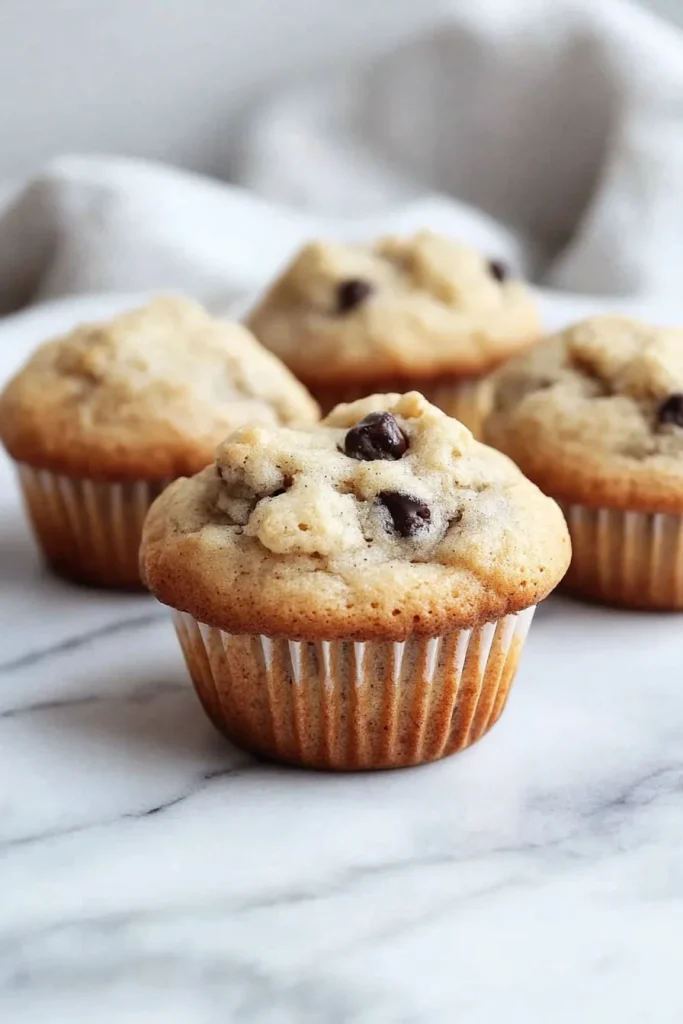
What to Serve With Classic German Breakfast Muffins?
Classic German Breakfast Muffins are easy to serve because they go with so many breakfast and snack favorites. They’re lightly sweet and gently spiced, so they pair beautifully with coffee, tea, butter, jam, honey, yogurt, fruit, eggs, or a simple brunch spread. They’re the kind of muffin that gets along with everyone at the table. A peaceful breakfast guest, basically.
- Coffee: Coffee is a natural match for these Classic German Breakfast Muffins. The warm cinnamon, nutty almonds, orange zest, and rum pair beautifully with a hot cup of coffee. Black coffee, cappuccino, latte, or whatever gets you through the morning will work.
- Tea: Breakfast tea, Earl Grey, chamomile, or black tea all pair nicely. Earl Grey is especially lovely because its citrus notes match the orange zest in the muffins. It gives the whole thing a cozy afternoon-tea feeling, even if you’re drinking it at 8 a.m. in slippers.
- Butter: Serve the muffins warm with a little butter. The butter melts into the crumb and makes them taste richer. It’s simple, but it works every time. Some foods don’t need complicated toppings.
- Jam or preserves: Orange marmalade, apricot jam, raspberry jam, or strawberry preserves all work beautifully. Marmalade is especially good because it echoes the orange zest and gives the muffin a brighter finish.
- Honey: A drizzle of honey adds gentle sweetness and makes the muffins feel even more breakfast-friendly. This is especially nice if you skip the raisins or want just a little extra sweetness without adding glaze.
- Greek yogurt: Greek yogurt adds creaminess and tang, making these German breakfast muffins feel like part of a fuller breakfast. Add fruit and honey, and suddenly you have a very respectable plate. Look at you.
- Fresh fruit: Serve with apples, oranges, berries, grapes, pears, or melon. Fresh fruit balances the buttery muffin and adds brightness. It also makes the breakfast plate look more intentional, even if you assembled it while still sleepy.
- Cheese: Cream cheese, ricotta, or quark-style cheese pairs nicely with these muffins. The creamy texture works well with the cinnamon-orange flavor and gives the muffins a more European breakfast feel. Simple and lovely.
- Scrambled eggs: If you want a more filling breakfast, serve the muffins with scrambled eggs. The savory eggs balance the lightly sweet muffins nicely. This is a great option for brunch or a weekend breakfast.
- Brunch spread: Add these Classic German Breakfast Muffins to a brunch table with fruit, yogurt, eggs, cheese, coffee, tea, butter, and jam. They fit right in and give everyone something soft, warm, and homemade to enjoy.
FAQ
Do these muffins taste strongly like rum?
No, the rum flavor is subtle. It adds warmth and depth rather than a strong alcohol taste. If you prefer not to use rum, you can replace it with orange juice, milk, or a small amount of rum extract. The muffins will still taste cozy and flavorful.
Why are my muffins dense?
Muffins can become dense if the batter is overmixed or if too much flour is added. Once the dry ingredients go into the wet ingredients, mix only until combined. A few small lumps are fine. Actually, they’re better than mixing too much.
Can I use only all-purpose flour?
Yes, you can replace the whole wheat flour with all-purpose flour. The muffins will be lighter and softer, but they will lose a little of the nutty flavor that whole wheat flour adds. They’ll still be delicious.
What can I use instead of ground almonds?
You can replace ground almonds with extra flour, though the muffins will be less nutty and slightly less moist. If you are avoiding nuts, use flour instead and make sure all other ingredients are nut-free and safe for your needs.
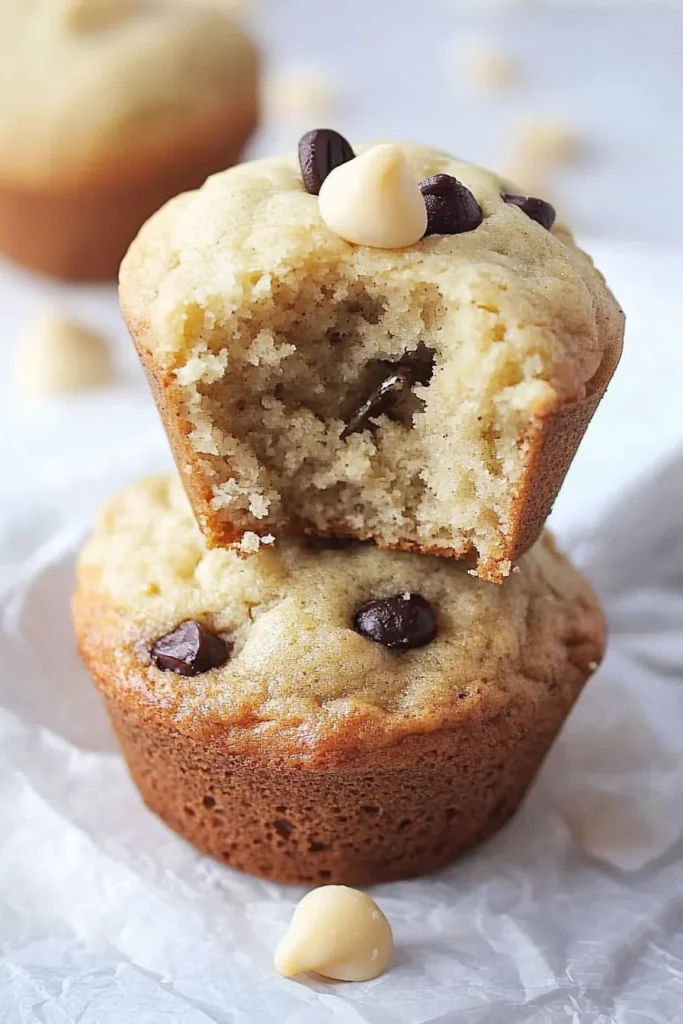
These Classic German Breakfast Muffins are soft, cozy, lightly spiced, and full of simple homemade flavor. The cinnamon, orange zest, ground almonds, rum, vanilla, and optional raisins give them that warm breakfast-bake feeling without making them too sweet or too heavy. They’re easy enough for a regular morning but charming enough for brunch or a coffee date at home.
Serve them warm with butter, jam, honey, coffee, tea, fruit, yogurt, or just enjoy one plain when you need a quiet little snack. So tell me—are you baking these Classic German Breakfast Muffins for a slow weekend breakfast, meal prep, or your next cozy coffee break? Can’t wait to hear what you think!
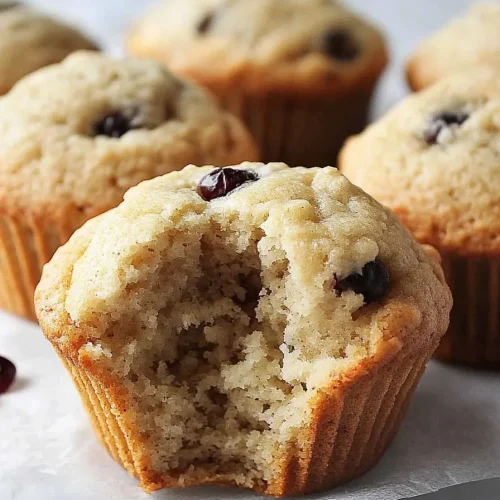
Classic German Breakfast Muffins
Ingredients
- 1/2 cup unsalted butter softened
- 1/4 cup vegetable oil
- 2 large eggs room temperature
- 1 tbsp rum
- 1 tsp vanilla extract
- 1/2 cup milk room temperature
- 1/2 tsp cinnamon
- 2 tsp baking powder
- 1 1/2 cups all-purpose flour
- 3/4 cup whole wheat flour
- 1/4 cup ground almonds
- 1 tsp orange zest
- 1/4 cup raisins optional
Instructions
- Preheat the oven to 375°F.
- Grease a 12-cup muffin pan thoroughly or line the cups with paper liners.
- In a medium bowl, combine the all-purpose flour, whole wheat flour, cinnamon, and baking powder.
- Whisk the dry ingredients until evenly combined.
- In a large mixing bowl, combine the softened unsalted butter and sugar.
- Using a handheld mixer or whisk, beat the butter and sugar for 2 to 3 minutes, or until the mixture is light and fluffy.
- Add the room-temperature eggs, rum, vanilla extract, and milk to the butter mixture.
- Beat for approximately 1 minute, or until the wet ingredients are fully incorporated.
- Add the dry ingredients to the wet ingredients.
- Mix gently until just combined. Do not overmix the batter.
- Using a rubber spatula, fold in the ground almonds, orange zest, and raisins, if using.
- Spoon the batter evenly into the prepared muffin cups.
- Fill each muffin cup approximately 3/4 full.
- Bake in the preheated oven for 15 to 17 minutes, or until the muffins are lightly browned on top.
- Insert a toothpick into the center of a muffin to test for doneness.
- Remove the muffins from the oven when the toothpick comes out clean.
- Allow the muffins to cool in the pan for a few minutes.
- Transfer the muffins to a wire rack to cool further.
- Serve warm or at room temperature.
Notes