Ribeye or New York strip steaks, olive oil, parsley, garlic, oregano, red wine vinegar, red pepper flakes, salt, and black pepper.
I have to admit, steak night always makes dinner feel a little more exciting in my kitchen. Even if the rest of the day has been pure chaos, there’s something about a hot skillet, a good steak, and that big sizzling sound that makes me feel like I’ve got things under control. Mostly. This Chimichurri Steak Recipe has that same special-dinner feeling, but it’s not fussy or intimidating. You get a beautifully seared steak, sliced tenderly, with a bright green chimichurri sauce spooned right over the top. It looks fancy, tastes bold, and still feels totally doable at home.
The first time I made chimichurri steak, I was honestly surprised by how much flavor came from such a simple sauce. Parsley, garlic, oregano, olive oil, red wine vinegar, red pepper flakes, salt, and pepper. That’s it. No long simmering, no blender drama, no “let this marinate overnight and hope you remembered yesterday” situation. Just chop, stir, let it sit for a bit, and suddenly you have this punchy, herby sauce that makes steak taste fresh and almost restaurant-level. Almost? Actually, maybe better, because you can add as much sauce as you want and nobody is charging extra.
What I love most about this Chimichurri Steak Recipe is the contrast. Steak is rich, juicy, and savory, while chimichurri is fresh, tangy, garlicky, and just a little spicy. Together, they make one of those bites that wakes you up a little. You know the kind? The steak brings the comfort, and the sauce brings the spark. It’s like a quiet dinner suddenly got invited to a backyard party with loud music and really good bread on the side.
This recipe reminds me of warm-weather dinners, even when I’m making it indoors. Maybe it’s the fresh herbs. Maybe it’s the vinegar and garlic. Maybe it’s because chimichurri always feels like something you’d eat at a long table with grilled vegetables, potatoes, and people passing plates around. Either way, this steak with chimichurri sauce is the kind of meal that feels generous, bright, and a little celebratory without making you work too hard for it.

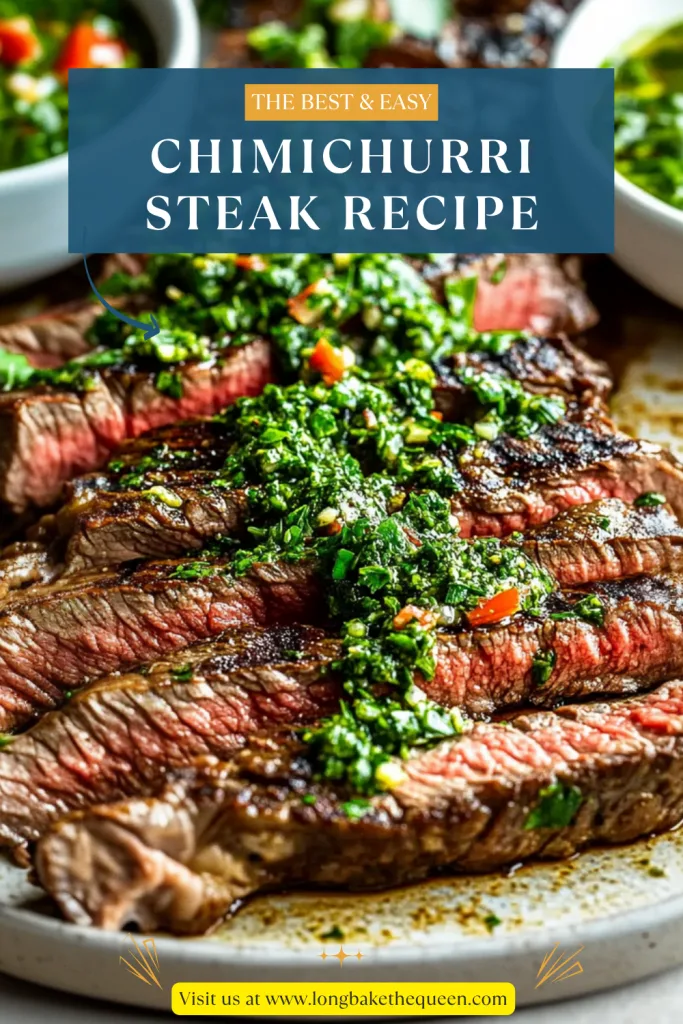
Why you’ll Love this Chimichurri Steak Recipe?
The biggest reason this Chimichurri Steak Recipe stands out is the balance between the steak and the sauce. A good ribeye or New York strip already has plenty of flavor, but chimichurri brings something completely different to the plate. It adds brightness from the red wine vinegar, freshness from the parsley and oregano, a bold kick from garlic, and just enough heat from the red pepper flakes. The steak is deep and rich, while the sauce is lively and sharp. Together, they don’t compete. They just make each other better, which is honestly what all good food pairings should do.
Another thing I really appreciate is that this recipe doesn’t need a long marinade. Sometimes steak recipes ask for hours of planning, and I’m sorry, but I don’t always know what I want for dinner until I’m already hungry. Sound familiar? With this chimichurri steak, you only need to let the steak come closer to room temperature, mix the sauce, season the meat well, and sear it in a hot pan. The chimichurri tastes better after it sits for at least 10 minutes, but it doesn’t need all day. That makes this recipe feel special but still realistic.
This Chimichurri Steak Recipe also gives you that beautiful crust that makes steak feel like steak. The trick is drying the meat well, seasoning generously, and letting the skillet get properly hot before the steak goes in. Then, and this is the hard part, you leave it alone. No poking. No scooting it around the pan. No nervous flipping every thirty seconds. I know. I’ve been there. But if you give the steak time to sear, it develops that deep golden-brown crust that tastes rich, savory, and a little smoky.
And then there’s the versatility. This isn’t one of those recipes that only works one way. You can serve chimichurri steak with roasted potatoes, grilled vegetables, rice, crusty bread, salad, corn, or avocado. You can keep it date-night fancy or turn it into steak tacos the next day. Leftovers are not a problem here. If anything, leftover sliced steak with extra chimichurri over a salad might make you feel suspiciously organized at lunch.
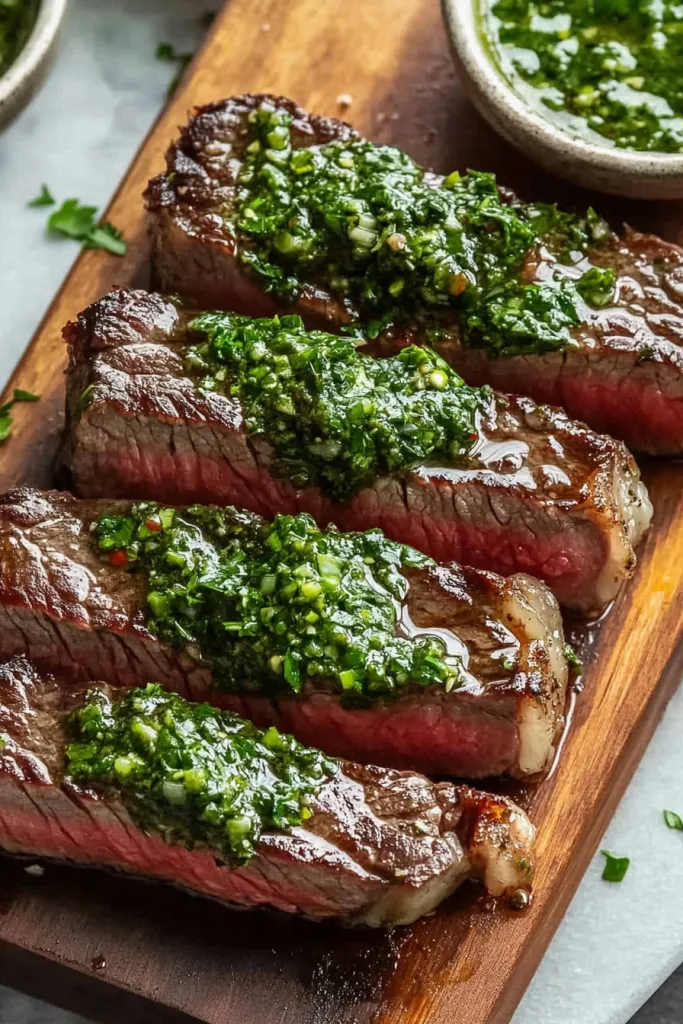
Ingredient Notes
Before you start cooking, let’s talk about the ingredients in this Chimichurri Steak Recipe. Nothing here is complicated, but each ingredient has a real job. The steak brings the richness, the olive oil helps with the sear, the salt and pepper wake up the beef, and the chimichurri sauce brings herbs, garlic, vinegar, spice, and freshness. It’s a fairly short list, which I love, because when ingredients are this bold, you don’t need to clutter things up.
- Ribeye or New York strip steaks: Ribeye and New York strip are both great choices for this recipe, but they give slightly different vibes. Ribeye is richer and more marbled, so it has that buttery, juicy texture people love. New York strip is a little leaner but still tender, beefy, and satisfying. If you can, choose steaks about 1.5 inches thick. Thicker steaks are easier to sear well without overcooking too quickly. Thin steaks can go from perfect to “oh no” faster than you’d think.
- Olive oil: Olive oil is used for cooking the steak and also for the chimichurri sauce, but in slightly different ways. For searing, regular olive oil works well because it helps coat the pan and encourages browning. For the sauce, extra virgin olive oil is best because it has a fresher flavor. Since chimichurri isn’t cooked, the taste of the oil matters more than usual. Use one you actually like.
- Salt: Salt is simple, but it’s one of the most important ingredients here. Steak needs a generous amount of seasoning, especially when it’s thick. Salt brings out the beefy flavor and helps build a better crust. Don’t be shy, but don’t go wild either. There’s a happy middle ground, and once you find it, steak tastes so much better.
- Freshly ground black pepper: Black pepper adds warmth and a little bite to both the steak and the sauce. Freshly ground pepper has a stronger, brighter flavor than pre-ground pepper. It’s a small detail, but it does make the steak feel more finished.
- Fresh parsley: Parsley is the main herb in the chimichurri sauce, and it gives the sauce that bright green color and fresh flavor. Flat-leaf parsley is my favorite here because it has a clean, bold taste, but curly parsley can work if that’s what you have. Chop it finely so it spreads nicely over the sliced steak instead of clumping in one spot.
- Garlic: Garlic gives chimichurri its bold personality. Since the sauce is raw, the garlic stays strong and sharp, so mince it finely. Big pieces of raw garlic can be a little aggressive. Delicious, but aggressive. Finely minced garlic blends better and gives the sauce a more even flavor.
- Fresh oregano: Fresh oregano adds a slightly earthy, peppery flavor that makes chimichurri taste more layered. If you don’t have fresh oregano, dried oregano works too. Just use less because dried herbs are stronger. Letting the sauce sit helps dried oregano soften and blend into the oil and vinegar.
- Extra virgin olive oil: Extra virgin olive oil gives the sauce body and richness. It carries the parsley, garlic, oregano, vinegar, and red pepper flakes. Since the sauce is spooned directly over the steak, you want the oil to taste good. This is not the moment for the forgotten bottle that’s been in the back of the pantry since who knows when.
- Red wine vinegar: Red wine vinegar brings brightness and tang. It cuts through the richness of the steak and keeps the sauce from tasting oily or heavy. That little acidic bite is what makes chimichurri so refreshing with beef.
- Red pepper flakes: Red pepper flakes add gentle heat. The amount here gives the sauce a little warmth without making it too spicy. You can add more if you like a bolder kick, or reduce it if you want a milder sauce. Chimichurri doesn’t have to burn; it just needs a little attitude.
- Salt and black pepper for the sauce: The sauce needs seasoning too. Salt helps bring out the flavor of the herbs and garlic, while black pepper adds depth. Taste the chimichurri before serving and adjust it if needed. It should taste fresh, bold, tangy, and savory.
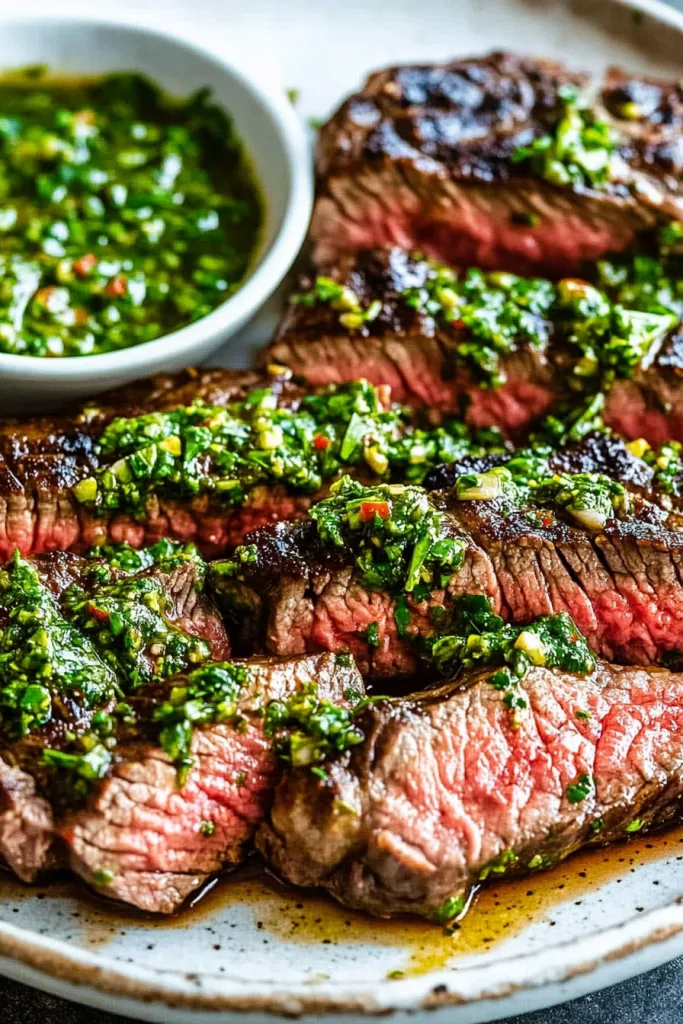
How to Make Chimichurri Steak Recipe?
This Chimichurri Steak Recipe is not hard, but there are a few little steak rules that make a big difference. Let the steak sit out before cooking, dry it really well, season it generously, use a hot pan, let it rest, and slice it against the grain. None of that is fancy. It’s just the kind of practical kitchen advice that saves you from sad steak. And the chimichurri? That part is easy. Chop, stir, taste, and try not to put it on everything before the steak is ready.
Step 1: Bring the Steaks to Room Temperature
Remove the steaks from the refrigerator 30 to 45 minutes before cooking. Let them sit at room temperature while you prepare the chimichurri sauce.
This step helps the steak cook more evenly. If you put a cold steak straight into a very hot pan, the outside can cook too quickly while the center stays colder than you want. Letting it sit for a bit takes the chill off and gives you a better chance at a juicy, evenly cooked steak. It’s a small wait, but worth it.
Step 2: Make the Chimichurri Sauce
In a medium bowl, combine the chopped parsley, minced garlic, and chopped oregano. Add the extra virgin olive oil, red wine vinegar, red pepper flakes, salt, and black pepper. Stir everything together until the sauce is well mixed.
Let the chimichurri sit for at least 10 minutes, or up to an hour, so the flavors can blend. The garlic softens slightly, the herbs settle into the oil, and the vinegar brings everything together. Taste the sauce before serving. If it tastes flat, add a pinch more salt. If it needs brightness, add a splash more vinegar. This sauce should feel fresh and bold, not shy.
Step 3: Dry and Season the Steaks
Pat the steaks dry with paper towels until the surface moisture is gone. Season both sides generously with salt and freshly ground black pepper, pressing the seasoning into the meat.
Dry steak sears better. Wet steak steams, and steam is not invited to crust-building day. This step might seem boring, but it matters. A dry surface plus good seasoning plus a hot pan equals a much better sear.
Step 4: Heat the Pan
Place a cast-iron skillet or grill pan over high heat. Let it heat for 3 to 5 minutes, until it is very hot. Add the olive oil and swirl the pan to coat it evenly. The oil should shimmer, but it should not smoke like something has gone terribly wrong.
A hot pan gives you that deep, golden crust. Cast iron is ideal because it holds heat well, but a heavy skillet or grill pan works too. Give the pan time to heat properly before adding the steak. This is not the step to rush.
Step 5: Sear the First Side
Carefully place the steaks in the hot pan. Let them sear without moving for 3 to 4 minutes, or until a deep golden-brown crust forms.
This is where you have to resist the urge to fuss. Don’t keep lifting the steak. Don’t slide it around. Let it sit and sear. The pan needs steady contact with the meat to create that crust. I know it’s tempting to check. I do the little nervous stare too. But trust the process.
Step 6: Flip and Cook the Second Side
Flip the steaks and cook for another 3 to 4 minutes for medium-rare, depending on thickness. Adjust the time based on your preferred doneness.
If you have a meat thermometer, use it. Medium-rare is about 130°F to 135°F after resting. Medium is about 140°F to 145°F. The steak will continue cooking a little as it rests, so it’s better to pull it just before it reaches your final target temperature.
Step 7: Rest the Steaks
Transfer the steaks to a cutting board and loosely cover them with foil. Let them rest for 5 to 10 minutes.
Resting lets the juices settle back into the meat. If you slice right away, all those juices run onto the board, and that always feels like a tiny tragedy. Give the steak a few minutes. It earned a rest. So did you, honestly.
Step 8: Slice Against the Grain
After resting, slice the steaks against the grain into ¼-inch-thick slices. Arrange the slices on a serving plate or individual plates.
Slicing against the grain makes the steak more tender. Look for the lines running through the meat, then cut across them instead of along them. It’s a small thing, but it makes each bite easier to chew and much nicer to eat.
Step 9: Add Chimichurri and Serve
Drizzle a generous amount of chimichurri sauce over the sliced steak. Serve immediately with extra chimichurri on the side for dipping.
This is the moment the whole Chimichurri Steak Recipe comes together. The warm steak meets the cool, fresh, garlicky sauce, and suddenly the plate feels bright and bold. I like plenty of sauce, personally. A polite drizzle is fine, but a generous spoonful? Better.
Storage Options
This Chimichurri Steak Recipe is best fresh, right after the steak has rested and been sliced, but leftovers can still be wonderful. Store leftover steak in an airtight container in the refrigerator for up to 3 to 4 days. If possible, keep the chimichurri sauce separate from the steak so the herbs stay fresher and the vinegar doesn’t sit on the meat too long.
To reheat, warm the steak gently in a skillet over low heat or in a low oven until just heated through. Don’t blast it with high heat, or the steak can get tough and overcooked. You can also eat leftover steak cold or room temperature over salad, rice bowls, sandwiches, or wraps. I know cold steak doesn’t sound glamorous, but with chimichurri? It works.
Store the chimichurri sauce in an airtight container in the refrigerator for up to 3 days. The herbs may darken a little, which is normal. Let the sauce sit at room temperature for a few minutes before serving because the olive oil can thicken in the fridge. Stir it well, taste it, and add a little extra vinegar or salt if it needs waking up.
Variations & Substitutions
One of the nice things about this Chimichurri Steak Recipe is that it’s flexible. You can use different steak cuts, grill instead of pan-sear, make the sauce spicier, add cilantro, or use the chimichurri on other proteins. The main idea stays the same: rich steak plus bright herb sauce. That combination has a lot of room to play.
- Use flank steak or skirt steak: Flank steak and skirt steak are both great with chimichurri. They have big beefy flavor and slice beautifully when cut against the grain. They cook quickly, so keep an eye on them. These cuts are especially good for steak platters, tacos, rice bowls, or sandwiches.
- Grill the steak: You can absolutely grill this steak instead of using a skillet. Cook over high heat, flip once, and cook until it reaches your preferred doneness. The smoky flavor from the grill is amazing with chimichurri. It gives the whole dish a backyard dinner feeling, even if you’re just making it for two.
- Make it spicier: Add more red pepper flakes or a finely chopped fresh chili to the chimichurri. The heat works beautifully with the rich steak and tangy vinegar. Start small unless you want the sauce to come in loud.
- Use cilantro: Some chimichurri variations include cilantro, and it adds a different kind of freshness. You can use a mix of parsley and cilantro if you like. If cilantro tastes soapy to you, skip it completely. That’s one food opinion I don’t argue with. People feel strongly.
- Add lemon juice: A squeeze of fresh lemon juice can brighten the sauce even more. Use it with the red wine vinegar or in place of a little vinegar. It adds a fresh citrus note that works really well with steak.
- Use dried oregano: If fresh oregano isn’t available, dried oregano is fine. Use less because dried herbs are more concentrated. Let the sauce sit a little longer so the dried oregano can soften and blend into the oil and vinegar.
- Use chimichurri on other proteins: Chimichurri is delicious on chicken, shrimp, pork, roasted vegetables, potatoes, eggs, sandwiches, and even grain bowls. Make extra if you like having a fresh sauce ready in the fridge. It makes leftovers feel intentional.
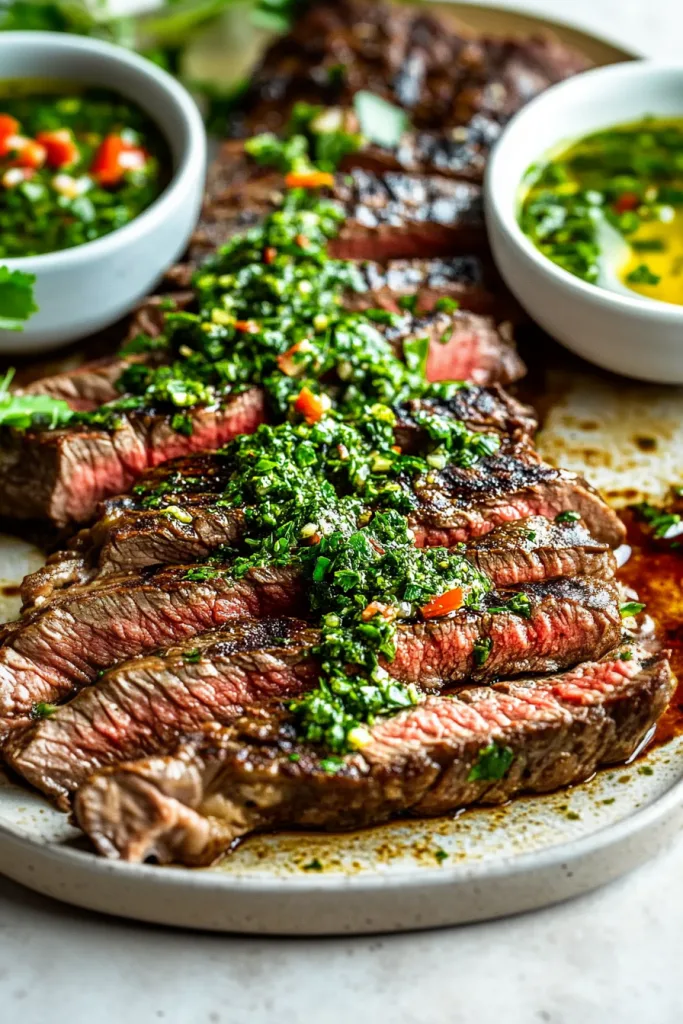
What to Serve With Chimichurri Steak Recipe?
This Chimichurri Steak Recipe has bold, fresh flavor, so it pairs beautifully with sides that are simple, hearty, or bright. The steak is rich, and the chimichurri is tangy and herby, so you can go classic with potatoes, fresh with salad, cozy with rice, or casual with crusty bread. Honestly, any side that can catch extra chimichurri sauce is already winning.
- Roasted potatoes: Roasted potatoes are a classic steak side for a reason. Crispy edges, tender centers, and a little chimichurri spooned over the top? So good. The sauce turns plain potatoes into something much more exciting.
- Grilled vegetables: Zucchini, bell peppers, asparagus, mushrooms, and onions all pair beautifully with chimichurri steak. The vegetables bring color and sweetness, while the sauce adds freshness. It’s the kind of plate that looks like you tried, even if it was pretty simple.
- Simple green salad: A crisp salad helps balance the richness of the steak. Lettuce, arugula, cucumber, cherry tomatoes, red onion, and a light vinaigrette all work well. The freshness makes the meal feel a little lighter.
- Rice or quinoa: Rice, quinoa, or another grain makes a great base for sliced steak and chimichurri. The grains soak up the sauce, which is exactly what you want. Add roasted vegetables and you’ve got a full bowl-style meal.
- Crusty bread: Crusty bread is perfect for catching the extra chimichurri and steak juices. I feel very strongly that if there is good sauce on the plate, bread should be nearby. It’s just practical.
- Corn on the cob: Sweet corn pairs nicely with the savory steak and tangy sauce. Add butter, salt, and maybe a little extra chimichurri if you’re feeling bold. It gives the meal a bright, summery feel.
- Avocado salad: Avocado, tomatoes, lime, and herbs make a fresh side that works really well with chimichurri steak. The creamy avocado balances the vinegar and garlic in the sauce, and the whole thing tastes fresh without being complicated.
FAQ
Should chimichurri be served warm or cold?
Chimichurri is usually served at room temperature. This keeps the olive oil loose and lets the fresh herb flavor shine. If it has been refrigerated, let it sit out for a few minutes and stir it before serving.
How do I know when my steak is done?
The easiest way is to use a meat thermometer. Medium-rare is about 130°F to 135°F after resting, and medium is about 140°F to 145°F. Cooking time depends on steak thickness and pan heat, so temperature is much more reliable than guessing.
Can I use dried oregano in chimichurri?
Yes, dried oregano works if fresh oregano isn’t available. Use about 1 tablespoon dried oregano instead of 2 tablespoons fresh oregano. Let the sauce sit so the dried herb can soften and blend into the oil and vinegar.
Can I grill this steak instead of using a skillet?
Yes, grilling works beautifully. Cook the steak over high heat, flip once, and cook to your preferred doneness. Let it rest, slice it against the grain, and serve it with plenty of chimichurri sauce.
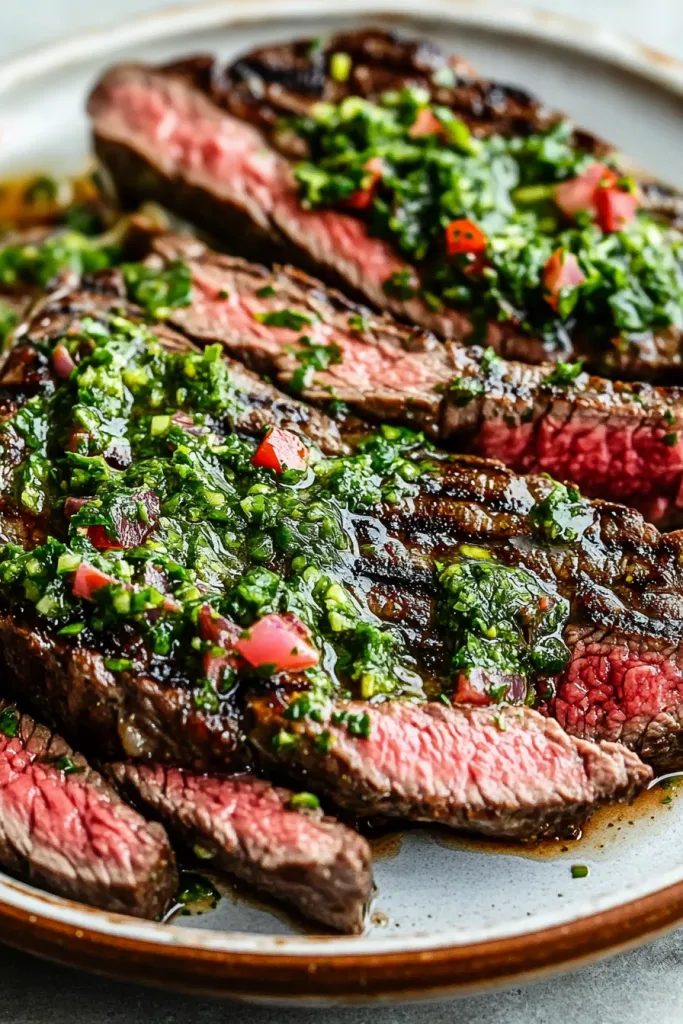
This Chimichurri Steak Recipe is juicy, bold, fresh, and honestly easier than it looks. You get a perfectly seared steak with a garlicky herb sauce that makes the whole plate feel brighter, fresher, and a little more special.
I love this recipe for date night, weekend dinners, summer grilling, Father’s Day, or any night when you want steak to feel like more than just steak. The chimichurri brings parsley, garlic, oregano, olive oil, red wine vinegar, and a little heat together in the best way.
So tell me — would you serve this Chimichurri Steak Recipe with roasted potatoes, grilled vegetables, rice, or crusty bread for soaking up that extra sauce? I’d love to know what your perfect steak plate looks like.
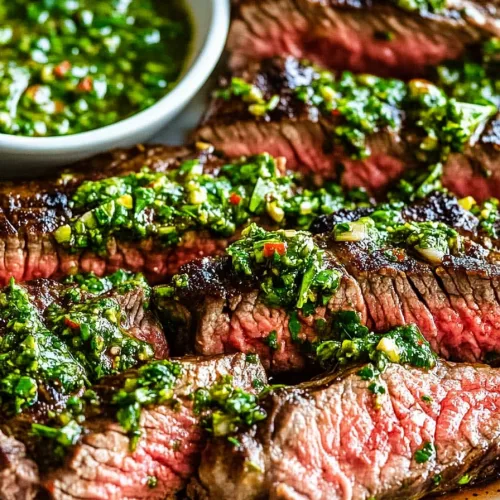
Chimichurri Steak Recipe
Ingredients
Steak
- 2 ribeye or New York strip steaks approximately 1.5 inches thick
- 2 tbsp olive oil
- Salt to taste
- Freshly ground black pepper to taste
Chimichurri Sauce
- 1 c fresh parsley leaves finely chopped
- 3 garlic cloves minced
- 2 tbsp fresh oregano leaves finely chopped, or 1 tbsp dried oregano
- ½ c extra virgin olive oil
- 2 tbsp red wine vinegar
- ½ tsp red pepper flakes
- ½ tsp salt or to taste
- ¼ tsp freshly ground black pepper
Instructions
Step 1: Bring the Steaks to Room Temperature
- Remove the steaks from the refrigerator 30 to 45 minutes before cooking.
- Allow them to rest at room temperature to promote even cooking.
Step 2: Prepare the Chimichurri Sauce
- In a medium bowl, combine the finely chopped parsley, minced garlic, and oregano.
- Add the extra virgin olive oil, red wine vinegar, red pepper flakes, salt, and black pepper.
- Stir until all ingredients are evenly combined.
- Taste and adjust the seasoning, if necessary.
- Allow the sauce to rest at room temperature for at least 10 minutes, or up to 1 hour, to allow the flavors to blend.
Step 3: Dry and Season the Steaks
- Pat the steaks dry with paper towels to remove surface moisture.
- Season both sides generously with salt and freshly ground black pepper.
- Press the seasoning gently into the meat.
Step 4: Heat the Skillet
- Place a cast-iron skillet or grill pan over high heat.
- Allow the pan to heat for 3 to 5 minutes, or until very hot.
- Add the olive oil and swirl to coat the surface evenly.
- The oil should shimmer but should not smoke excessively.
Step 5: Sear the Steaks
- Carefully place the steaks in the hot skillet.
- Sear without moving for 3 to 4 minutes, or until a deep golden-brown crust forms.
- Flip the steaks and cook for an additional 3 to 4 minutes for medium-rare, or adjust the cooking time according to the desired doneness.
Step 6: Rest the Steaks
- Transfer the cooked steaks to a cutting board.
- Loosely cover with foil.
- Allow the steaks to rest for 5 to 10 minutes so the juices can redistribute.
Step 7: Slice the Steaks
- After resting, slice the steaks against the grain into ¼-inch-thick slices.
- Arrange the slices on a serving platter or individual plates.
Step 8: Serve
- Drizzle the sliced steak generously with chimichurri sauce.
- Serve immediately with additional chimichurri sauce on the side.
Notes