Vidalia onions, butter, poppy seeds, flour, cornstarch, baking powder, brown sugar, eggs, whole milk, sour cream, paprika.
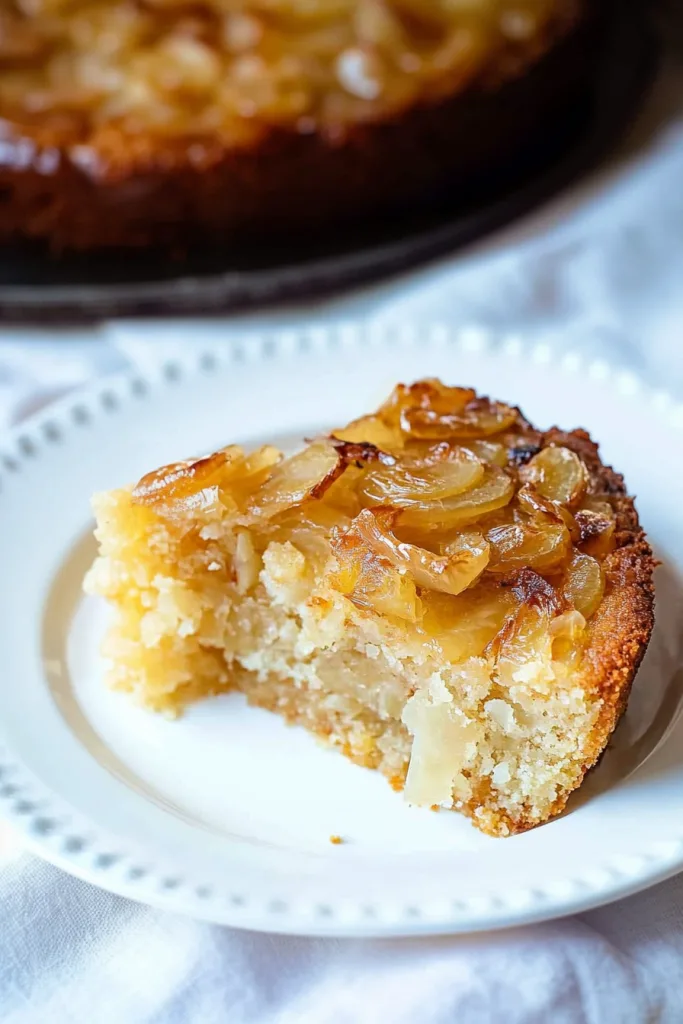
I’ll be honest, the first time I heard the words Amish Onion Cake Recipe, I had to blink twice. Onion… cake? My brain immediately tried to picture birthday candles stuck into a pile of onions, which, let’s be clear, is not the direction we’re going here. This isn’t dessert. Nobody is frosting it. Nobody is singing over it. This is a savory, buttery, old-fashioned onion cake that sits somewhere between a tender quick bread, a rich biscuit-style bake, and the kind of cozy side dish you’d expect to find on a farmhouse table next to soup, roast chicken, or a big Sunday meal.
The first time I made this Amish Onion Cake Recipe, I was in one of those moods where I wanted something homemade but didn’t want to fuss with yeast, rising time, or anything that required me to “watch carefully” for too long. You know those days? The kitchen is already a little messy, the laundry is giving you attitude from across the room, and you just want something warm and comforting in the oven. I had Vidalia onions, butter, sour cream, and eggs, so this recipe felt like the right kind of old-school magic.
And honestly, the smell won me over before the cake even baked. Vidalia onions cooking low and slow in butter have a way of making a kitchen feel instantly more peaceful. They soften, turn sweet, and fill the room with that savory, cozy smell that makes people drift in and say, “Wait, what’s cooking?” It reminds me a little of family dinners where someone always hovered near the stove pretending to help, but really they were just waiting for a taste. Sound familiar?
What I love about this savory Amish onion cake is that it’s humble, but not boring. It doesn’t need a fancy topping or a long list of expensive ingredients. It leans on simple things: sweet onions, lots of butter, flour, eggs, milk, sour cream, brown sugar, and warm seasonings. The result is tender, rich, slightly sweet, and full of onion flavor. The poppy seeds add a tiny bit of crunch, the paprika brings warmth and color, and the black pepper keeps everything from tasting too soft or sweet.
I wouldn’t call this a delicate recipe. Not really. It’s hearty, rustic, and very much the kind of dish that says, “Cut yourself a proper slice.” And I like that. Some recipes feel like they belong on a tiny plate with a garnish placed using tweezers. This Amish Onion Cake Recipe feels like it belongs on a real table, with real people, beside a bowl of soup or a roast dinner. It’s practical comfort food, but with enough surprise to make people ask what it is.
If you love onion bread, savory cakes, old-fashioned side dishes, or recipes that make the kitchen smell like someone’s grandmother knew exactly what she was doing, this one is worth making. It’s simple, cozy, and a little unexpected in the best way.

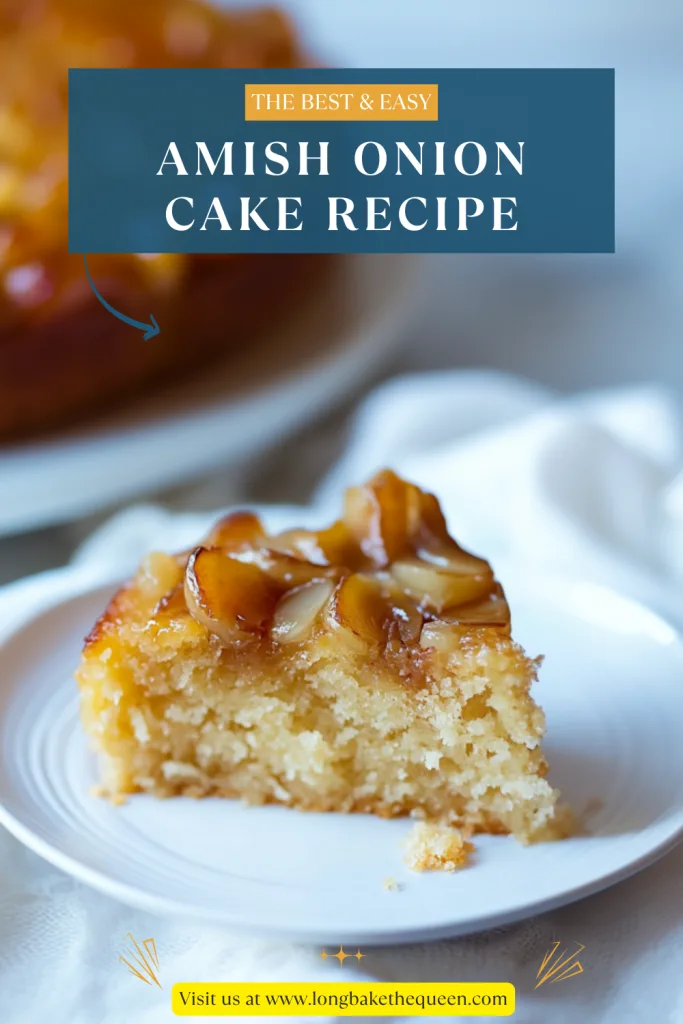
Why you’ll Love this Amish Onion Cake Recipe?
You’ll love this Amish Onion Cake Recipe because it’s warm, buttery, savory, and just sweet enough to keep every bite balanced. It’s not a dessert cake, even though the word “cake” may try to confuse you at first. Think of it more like a soft, sliceable onion bread with a tender crumb and a golden onion topping. It has that comfort-food feeling that makes you want to serve it warm, maybe with soup, maybe with pot roast, maybe just with a little extra butter because apparently we’re living fully today.
The onion topping is really the soul of this recipe. Vidalia onions are naturally sweet, and when they’re sautéed in butter, they become soft, fragrant, and mellow. They don’t need to be deeply caramelized, which is nice because deep caramelizing always sounds relaxing until you’re standing at the stove for 40 minutes wondering if onions are testing your patience. Here, they only need about 10 minutes over low heat. Just enough to soften, sweeten, and lose that sharp raw bite.
The batter is rich and tender, thanks to the combination of flour, cornstarch, baking powder, brown sugar, eggs, whole milk, sour cream, and plenty of butter. The cornstarch helps lighten the crumb a bit, while the sour cream keeps it moist and soft. The brown sugar might sound surprising, but it doesn’t make the cake sweet like dessert. It just adds a little warmth and helps the onions taste even more rounded and cozy. I think that tiny hint of sweetness is what makes this old-fashioned onion cake feel so satisfying.
Another thing I really like about this recipe is how well it fits into real meals. It can take the place of dinner rolls, biscuits, cornbread, or savory quick bread. Serve it with soup on a chilly night, next to roasted chicken for dinner, alongside pork chops, or even with eggs for brunch. It has enough flavor to stand out, but it doesn’t overpower the whole plate. It’s confident, but not bossy. I appreciate that in a side dish.
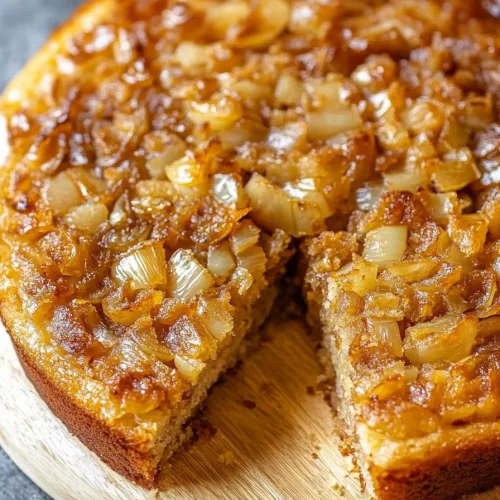
This Amish Onion Cake Recipe is also great for sharing. Baked in a 10-inch springform pan, it slices into 10 to 12 wedges, which makes it perfect for family dinners, potlucks, brunch spreads, or holiday tables. And when you release it from the pan and see that buttery onion topping across the top, it looks more impressive than the effort required. I love a recipe that lets me pretend I worked harder than I did. Don’t you?
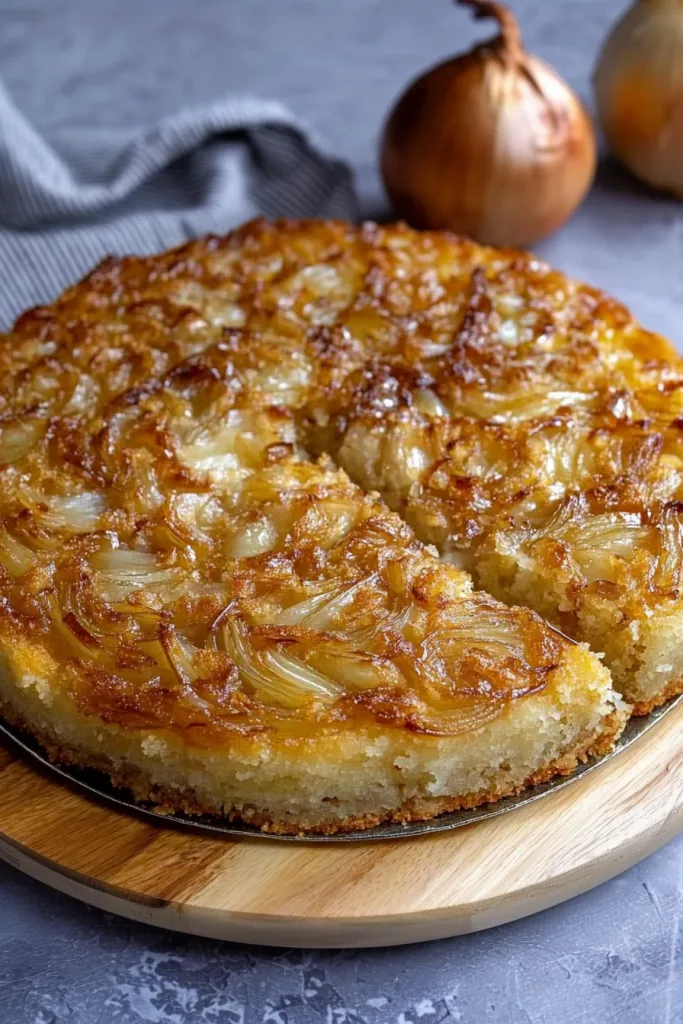
Ingredient Notes
The ingredients in this Amish Onion Cake Recipe are simple, but every one of them has a purpose. This is not a recipe that depends on fancy tricks. It’s more about balance: sweet onions, rich butter, tender cake, a little seasoning, and enough structure to slice cleanly. It’s the kind of recipe that reminds you simple food can still feel special when the ingredients work together properly. Nothing flashy. Just cozy.
- Vidalia onions: Vidalia onions are the best choice here because they’re sweet, mild, and perfect for a savory onion cake. Once they cook in butter, they soften and bring a mellow sweetness that doesn’t feel harsh or sharp. Chop them into about 1-inch pieces so they hold some texture after baking. If you cut them too tiny, they sort of disappear. If you cut them too huge, each bite becomes an onion ambush. Which, depending on your love for onions, might not be a terrible thing, but still.
- Butter: This recipe uses a generous amount of butter, and honestly, that’s part of its charm. Butter is used to sauté the onions, to cut into the dry ingredients, and to add richness to the wet mixture. It gives the cake a tender crumb and that deep, comforting flavor you expect from an old-fashioned bake. Use cold butter when cutting it into the flour mixture so the texture stays crumbly and tender. Melted butter goes into the wet ingredients later, so yes, butter is doing multiple jobs here. Very hardworking.
- Poppy seeds: Poppy seeds add a small crunch and a subtle nutty flavor to the onion topping. They also give the cake that slightly old-fashioned look, like something you’d see at a church supper or family potluck. A tiny ingredient, but it does make the topping feel more complete.
- Salt: Salt matters in this Amish Onion Cake Recipe because the cake is mostly savory. It brings out the sweetness of the onions and helps the butter, pepper, paprika, and sour cream taste balanced. Without enough salt, the cake can taste a little flat. Nobody wants flat onion cake. That sounds sad.
- Paprika: Paprika adds warmth and color. It doesn’t make the cake spicy, but it gives the onion topping a richer look and a soft earthy flavor. Sweet paprika is classic, but smoked paprika is lovely if you want a deeper, slightly smoky flavor.
- Black pepper: Black pepper adds a gentle bite and keeps the sweetness from the onions and brown sugar from taking over. It makes the topping feel more savory and balanced. You can add a little extra if you like peppery side dishes.
- Flour: All-purpose flour gives the cake structure. It helps the batter bake into thick, sliceable wedges that hold together once cooled slightly. Measure carefully, because too much flour can make the cake dry or heavy.
- Cornstarch: Cornstarch helps soften the crumb and keeps the cake from feeling too dense. It’s one of those quiet ingredients you might not notice by itself, but it helps the texture feel more tender. Small thing, big difference.
- Baking powder: Baking powder gives the cake lift. Since this batter is rich with butter, eggs, sour cream, and milk, it needs help rising. Make sure your baking powder is fresh. Old baking powder can leave you with a heavy cake, and that’s not the cozy outcome we’re after.
- Brown sugar: Brown sugar adds a tiny bit of sweetness and warmth. It doesn’t turn this into dessert. It just balances the onions and gives the cake a softer, deeper flavor. I know sugar in a savory cake might sound odd, but it works.
- Eggs: Eggs help bind the batter and give the cake structure. With 5 eggs, this Amish onion cake bakes up sturdy enough to slice but still tender. The eggs also add richness, which fits the whole farmhouse-style feel of the recipe.
- Whole milk: Whole milk adds moisture and helps bring the batter together. It also adds a bit of richness. You can use a lower-fat milk if needed, but whole milk gives the best texture.
- Sour cream: Sour cream is one of the reasons the crumb stays soft and moist. It also adds a gentle tang that keeps the cake from tasting too heavy. In a rich, buttery bake like this, that bit of tang is very helpful.
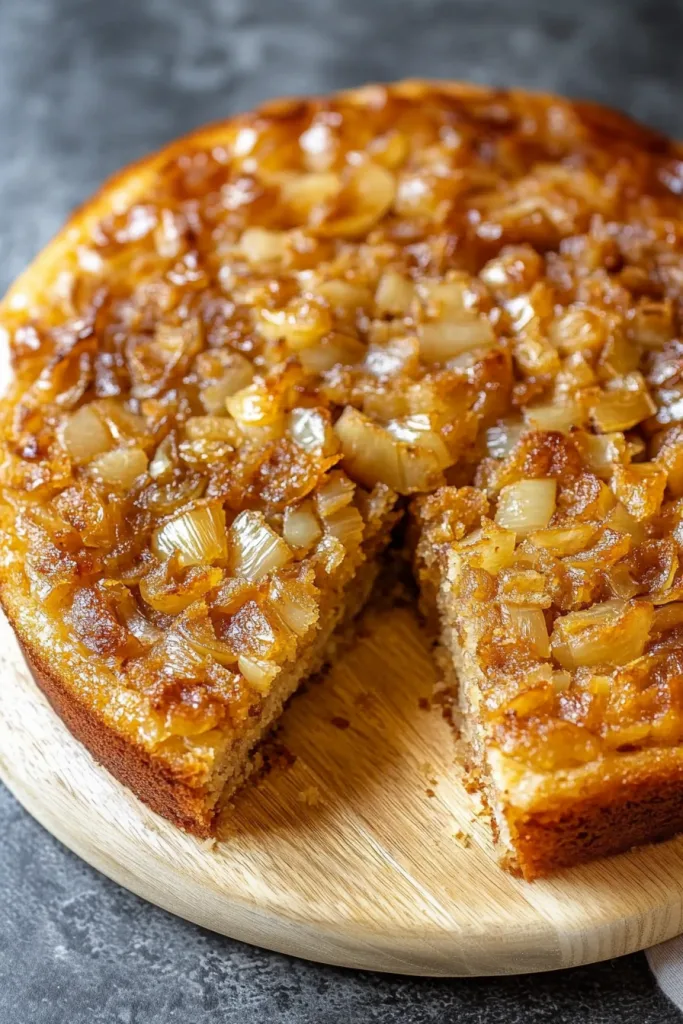
How to Make Amish Onion Cake Recipe?
Making this Amish Onion Cake Recipe is not hard, but it does have a few steps. Nothing complicated, though. You’ll cook the onions, mix the dry ingredients, cut in cold butter, whisk the wet ingredients, combine everything, add the onion topping, and bake. It’s the kind of recipe where you just move from one bowl to the next, and before you know it, the oven is doing the work. My main advice? Don’t rush the onions, and don’t overmix the batter.
Step 1: Preheat the Oven
Preheat your oven to 350°F. This gives the oven time to heat evenly while you prepare the onions and batter. A properly preheated oven helps the cake bake through without browning too quickly on the outside. It’s a boring first step, I know, but it matters.
Step 2: Cook the Onions in Butter
Add the chopped Vidalia onions and 1/2 cup butter to a pan. Sauté over low heat for about 10 minutes, stirring now and then. You’re not trying to make deep brown caramelized onions here. You just want them soft, fragrant, and sweeter than when they started. The onions should relax into the butter, if onions can relax. And honestly, after smelling that, you might relax a little too.
Step 3: Season the Onion Topping
Stir the poppy seeds, salt, paprika, and black pepper into the softened onions. Mix until the onions are evenly coated, then remove the pan from the heat and set it aside. This gives the topping time to cool slightly while you make the batter. The seasoning helps the onions become more than just onions; they become the part everyone notices first.
Step 4: Mix the Dry Ingredients
In a large bowl, stir together the flour, cornstarch, baking powder, and brown sugar. Make sure everything is evenly combined. This mixture forms the structure of the cake. The flour gives body, the cornstarch helps with tenderness, the baking powder adds lift, and the brown sugar gives that tiny warm sweetness that balances the savory topping.
Step 5: Cut in the Cold Butter
Cut 1 1/4 cups cold butter into the dry mixture until it looks loose and crumbly. You can use a pastry cutter, two forks, or your fingertips. The mixture should have little pieces of butter scattered throughout. It doesn’t need to look perfect. Actually, a rustic, uneven crumb is fine here. This is not a pastry school exam. Thank goodness.
Step 6: Melt the Remaining Butter
Melt the remaining butter and let it cool slightly before adding it to the wet ingredients. You want it melted, not sizzling hot. If the butter is too hot, it can start to cook the eggs when you whisk everything together, and scrambled egg bits in the batter are not part of the charm.
Step 7: Whisk the Wet Ingredients
In a separate bowl, whisk together the eggs, whole milk, sour cream, and melted butter until smooth. The mixture should look creamy and well blended. The eggs add structure, the milk adds moisture, the sour cream keeps the crumb tender, and the melted butter adds richness. It’s a very comforting bowl of ingredients, honestly.
Step 8: Combine the Wet and Dry Mixtures
Make a well in the center of the dry ingredients, then pour in the wet mixture. Stir gently until just combined. The batter will be thick, and that’s exactly right. Don’t overmix it. Stop when you no longer see big dry patches. A few small lumps are fine. Overmixing can make the cake tough or dense, and this Amish Onion Cake Recipe deserves a soft, tender crumb.
Step 9: Transfer the Batter to the Pan
Grease a 10-inch springform pan, then pour in the batter. Spread it evenly with a spatula so the top is level. A springform pan makes it easier to release the cake after baking, especially with the onion topping. If the batter looks thick, don’t worry. It’s supposed to.
Step 10: Add the Onion Topping
Spoon the seasoned onions over the top of the batter. Spread them gently and evenly so every slice gets a good amount. As the cake bakes, the onions settle slightly into the surface and become tender, buttery, and golden. This is the part where it starts looking like something you’d proudly bring to the table.
Step 11: Bake Until Golden and Set
Bake for 35 to 45 minutes, or until a knife inserted into the center comes out clean. The top should look golden, the onions should be tender, and the center should be fully set. Ovens can be a little unpredictable, so start checking around 35 minutes. If the top is browning too fast, loosely cover it with foil for the last few minutes.
Step 12: Cool, Release, and Slice
Let the cake cool for at least 5 minutes before releasing it from the springform pan. This short rest helps the cake firm up so it slices more cleanly. Run a thin knife around the edge if needed, then release the pan carefully. Slice into wedges and serve warm. The first slice may be a bit messy, but that’s fine. First slices are often the awkward ones. Still delicious.
Storage Options
This Amish Onion Cake Recipe stores well, which is nice because the leftovers are honestly pretty cozy. Since it contains eggs, milk, sour cream, butter, and onions, you’ll want to refrigerate it after it cools. The cake will firm up a bit in the fridge, but reheating brings back a lot of that soft, buttery texture. I wouldn’t say leftovers taste exactly like fresh from the oven, but they’re still very good. Sometimes even better with soup the next day.
- Room temperature: The cake can sit at room temperature for up to 2 hours after baking. After that, refrigerate it because of the dairy and eggs. Food safety is not glamorous, but neither is regretting a side dish.
- Refrigerator: Store leftover Amish onion cake in an airtight container in the refrigerator for up to 4 days. You can also wrap slices individually if you want easy grab-and-reheat portions.
- Oven reheating: Reheat slices in a 325°F oven for about 10 to 15 minutes, or until warmed through. This method keeps the texture better than the microwave and helps the edges feel a little nicer.
- Microwave reheating: Microwave individual slices in short intervals until warm. The texture will be softer, but it works when you’re hungry and patience is not available.
- Freezing: You can freeze this savory onion cake for up to 2 months. Let it cool completely, wrap slices tightly, and place them in a freezer-safe bag or container. Thaw overnight in the refrigerator before reheating.
- Make-ahead option: You can prepare the onion topping 1 day ahead and store it covered in the refrigerator. The batter is best mixed right before baking, but having the onions ready saves time and makes the recipe feel easier.
- Refreshing leftovers: Add a small pat of butter on top before reheating if you want extra richness. A sprinkle of fresh parsley, chives, or black pepper also helps wake up the flavor. Leftovers deserve a little love too.
Variations & Substitutions
This Amish Onion Cake Recipe is wonderful as written, but it has room for little changes. The buttery base and sweet onion topping are flexible enough for cheese, herbs, different onions, or a bit of spice. I’d try the original once first, just to get the feel of it. After that, make it yours. Recipes like this are meant to be used, adjusted, and maybe scribbled on a little.
- Use yellow onions: If you don’t have Vidalia onions, yellow onions work. They have a stronger flavor, but cooking them in butter helps soften and sweeten them. You may want to sauté them a few minutes longer to mellow them out.
- Try other sweet onions: Walla Walla, Maui, or another sweet onion variety can work well. The sweeter the onion, the softer and more mellow the topping will taste.
- Add cheese: Stir shredded cheddar, Swiss, Gruyère, Parmesan, or sharp white cheddar into the batter for a cheesier version. Start with about 1 cup so the cake stays tender and doesn’t become too heavy. Cheese is welcome, but it can take over if invited too loudly.
- Use smoked paprika: Swap regular paprika for smoked paprika if you want a deeper, smoky flavor. This is especially nice if you’re serving the cake with roasted meat, sausage, or chili.
- Add herbs: Fresh thyme, chives, parsley, or rosemary can be added to the batter or sprinkled over the onion topping. Thyme is especially good with butter and sweet onions. It just makes sense.
- Make it spicy: Add a pinch of cayenne pepper or crushed red pepper flakes to the onion mixture. It won’t turn the cake fiery, but it gives a little warmth in the background.
- Use Greek yogurt instead of sour cream: Plain full-fat Greek yogurt can replace sour cream. It still adds moisture and tang, though the flavor may be slightly different. I’d use full-fat for the best texture.
- Make individual onion cakes: Bake the batter in muffin tins for smaller portions. Reduce the baking time and start checking early. These would be fun for brunch or a bread basket, though a little more work. Tiny things always are.
- Add bacon: Fold cooked, crumbled bacon into the batter or sprinkle it over the onions before baking. Bacon adds smoky, salty flavor and makes the cake even heartier. Not necessary, but definitely not wrong.
- Add extra onion topping: If you love onions, use the full 4 onions and pile them generously over the top. Just make sure they’re softened before baking so the topping stays tender and doesn’t taste sharp.
What to Serve With Amish Onion Cake Recipe?
This Amish Onion Cake Recipe is the kind of cozy side dish that fits into so many meals. It can replace rolls, biscuits, cornbread, or savory quick bread, especially when you want something a little different. Because it’s buttery, slightly sweet, and full of onion flavor, it pairs beautifully with soups, roasted meats, eggs, salads, and slow-cooked comfort food. Basically, if the meal needs something warm and sliceable, this cake is ready to help.
- Soup: Serve slices with tomato soup, potato soup, beef stew, chicken noodle soup, vegetable soup, or creamy mushroom soup. The buttery onion flavor is perfect with a warm bowl of soup. Very cozy. Very “I might need a blanket after this.”
- Roasted chicken: This savory onion cake is wonderful with roasted or baked chicken. The sweet onion topping makes a simple chicken dinner feel more special without adding much effort.
- Pot roast: Serve thick slices with pot roast and gravy. The cake can soak up a little gravy, which is exactly the sort of thing comfort food was invented for.
- Pork chops: Sweet onions pair beautifully with pork chops, especially grilled, roasted, or pan-seared ones. The cake adds richness while the onions bring gentle sweetness.
- Sausage: Breakfast sausage, smoked sausage, bratwurst, or kielbasa all work well. Onion and sausage already belong together, so this pairing feels very natural.
- Eggs: Serve this Amish Onion Cake Recipe for brunch with scrambled eggs, fried eggs, or an omelet. It has savory breakfast-bake energy without being a full casserole.
- Salad: Pair it with a crisp green salad for a lighter meal. The salad adds freshness and crunch next to the rich, buttery cake.
- Holiday meals: Add it to Thanksgiving, Christmas, or Easter as a unique savory side. It’s a nice change from standard rolls or stuffing, and people will probably ask what it is. In a good way.
- Grilled steak: Warm slices of onion cake are great with grilled steak. The sweet onion topping pairs beautifully with beef, and the buttery crumb feels just right beside it.
- Beans or chili: Serve it with baked beans, ham and beans, or chili as a fun alternative to cornbread. It’s hearty, warm, and just unexpected enough to make the meal more interesting.
FAQ
Is Amish onion cake sweet or savory?
It’s mostly savory, but it has a little sweetness from the Vidalia onions and brown sugar. That bit of sweetness balances the butter, salt, paprika, and black pepper. It should not taste like dessert. It should taste like a cozy onion bread-cake that belongs beside dinner.
Can I use regular onions instead of Vidalia onions?
Yes, you can use yellow onions if Vidalia onions are not available. The flavor will be stronger and less sweet, but still good. Sauté them gently in butter until they soften and mellow. If you have another sweet onion variety, that’s even closer to the original flavor.
Why is my onion cake dense?
A dense cake can happen if the batter is overmixed or if the baking powder is old. Stir the wet and dry ingredients only until just combined. Also, check that your baking powder is fresh. This is a rich cake, so it needs that lift to keep from feeling too heavy.
Can I add cheese to this Amish Onion Cake Recipe?
Yes, cheese is a delicious addition. Cheddar, Gruyère, Swiss, Parmesan, or sharp white cheddar all work well. Start with about 1 cup of shredded cheese so the cake stays tender and doesn’t become overly heavy. More cheese sounds fun, but balance matters. Sometimes.
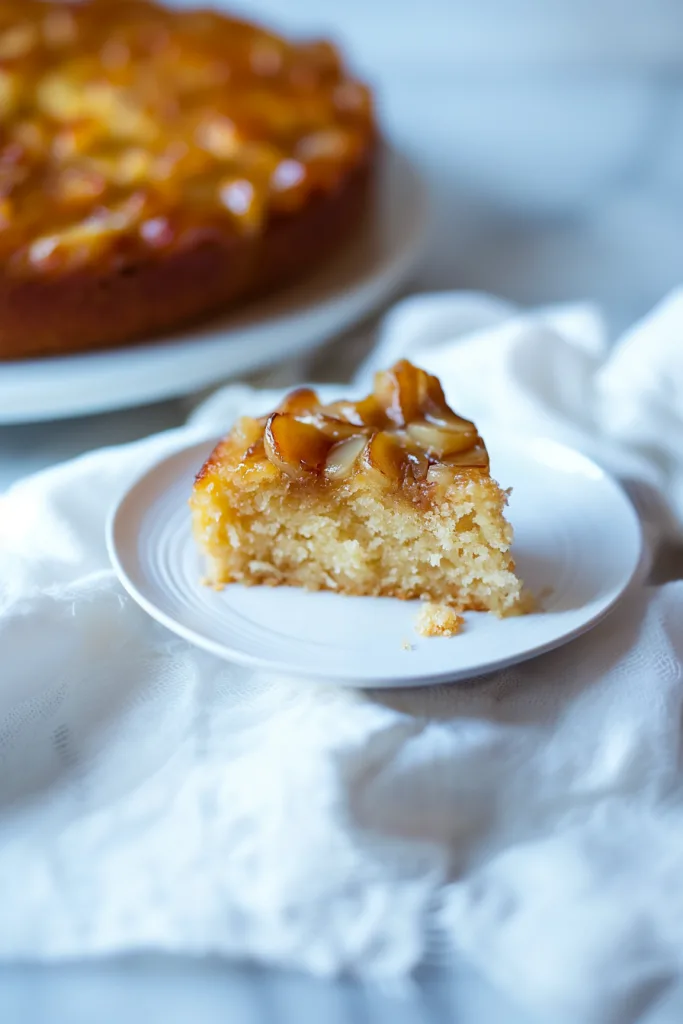
This Amish Onion Cake Recipe is warm, buttery, savory, and packed with sweet onion flavor. It’s one of those old-fashioned recipes that feels simple but still memorable. The soft cake base, sour cream, rich butter, brown sugar, and golden onion topping come together in a way that feels cozy, practical, and just a little unexpected. It’s the kind of dish that makes people ask for a small slice, then quietly come back for another.
So the next time you want something different from rolls, biscuits, or cornbread, try this Amish Onion Cake Recipe. Serve it warm with soup, roast chicken, pot roast, or eggs, and enjoy every buttery onion-filled bite. Can’t wait to hear what you think!
Amish Onion Cake Recipe
Ingredients
- 3 to 4 Vidalia onions chopped into 1-inch pieces
- 2 cups cold butter divided
- 1 tablespoon poppy seeds
- 1 1/2 teaspoons salt
- 1 teaspoon paprika
- 1 teaspoon black pepper
- 4 cups all-purpose flour
- 1/2 cup cornstarch
- 1 tablespoon baking powder
- 2 tablespoons brown sugar
- 5 large eggs
- 3/4 cup whole milk
- 3/4 cup sour cream
Instructions
- Preheat the oven to 350°F.
- Grease a 10-inch springform pan thoroughly and set it aside.
- Place the chopped Vidalia onions and 1/2 cup butter in a large skillet.
- Sauté the onions over low heat for approximately 10 minutes, stirring occasionally, until the onions are softened.
- Add the poppy seeds, salt, paprika, and black pepper to the softened onions.
- Stir until the onions are evenly coated with the seasonings.
- Remove the skillet from the heat and set the onion mixture aside.
- In a large mixing bowl, combine the all-purpose flour, cornstarch, baking powder, and brown sugar.
- Stir until the dry ingredients are evenly mixed.
- Cut 1 1/4 cups cold butter into the dry ingredients until the mixture forms a loose, crumbly texture.
- Melt the remaining butter and allow it to cool slightly.
- In a separate mixing bowl, whisk together the eggs, whole milk, sour cream, and melted butter until smooth.
- Make a well in the center of the dry ingredients.
- Pour the wet mixture into the well.
- Stir gently until the batter is just combined. Do not overmix.
- Transfer the batter to the prepared springform pan.
- Spread the batter evenly in the pan using a spatula.
- Spoon the seasoned onion mixture evenly over the top of the batter.
- Bake for 35 to 45 minutes, or until a knife inserted into the center comes out clean.
- If the top begins to brown too quickly, loosely cover the cake with foil during the final minutes of baking.
- Remove the cake from the oven and allow it to cool for at least 5 minutes.
- Run a thin knife around the edge of the pan if needed.
- Carefully release the springform pan.
- Slice the cake into wedges and serve warm.
Notes