All-purpose flour, salt, eggs, egg yolks, cold water.
There’s something about an Amish Noodle Recipe that makes me slow down a little. Not in a dramatic, candle-lit kitchen kind of way. More like, “Okay, maybe I don’t need to rush this meal today.” It’s just flour, salt, eggs, egg yolks, and a splash of cold water, but somehow those plain little ingredients turn into homemade noodles that feel like they belong in a big bowl of chicken soup or under a cozy blanket of gravy. Simple food, yes. But simple food has a way of sneaking up on you.
The first time I made homemade noodles, I was honestly not convinced. The dough looked stiff, a little rough, and not exactly promising. I remember standing there with flour on my sleeves thinking, This is either going to be lovely or very chewy sadness. But after kneading, resting, rolling, and cutting, the dough changed. It softened. It behaved. Well, mostly. And when those noodles cooked, they had that tender, slightly chewy texture you just don’t get from a bag of dried pasta. Sound familiar? Sometimes the most basic recipes surprise you the most.
This Amish Noodle Recipe reminds me of old-fashioned family dinners, the kind where there’s chicken on the table, gravy in a bowl, and somebody is telling you to eat more even though your plate is already full. It has that practical, homey feeling. Nothing fancy. Nothing fussy. Just homemade egg noodles that soak up broth, butter, and gravy like they were born for it. And honestly, they kind of were.
I like that these homemade Amish noodles don’t need to look perfect. Some can be wide, some thin, some a little crooked. That’s part of the charm. If every noodle looks exactly the same, did you even make them by hand? Maybe, but I like the little uneven pieces. They remind me this came from a real kitchen, not a factory line. A floury counter, a rolling pin, maybe a little sigh halfway through kneading. That feels right.
And no, you don’t need a pasta machine for this Amish homemade noodle recipe. If you have one, great. If not, a rolling pin works just fine. It may take a little elbow grease, and your counter might look like a flour cloud exploded, but that’s okay. Some recipes are meant to be a little messy. That’s half the memory, I think.

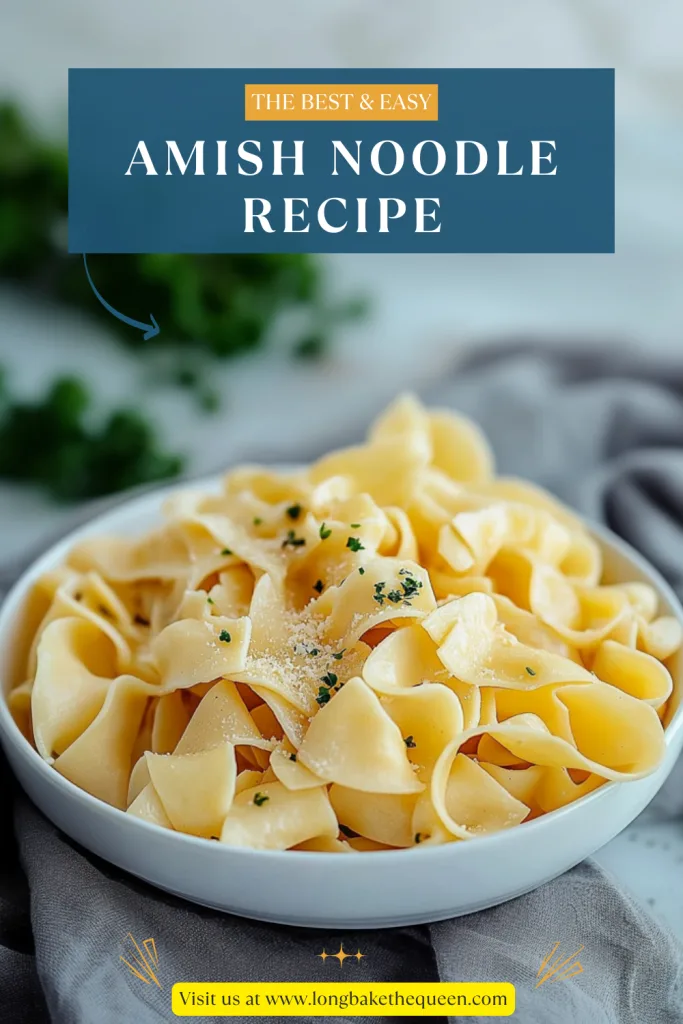
Why you’ll Love this Amish Noodle Recipe?
You’ll love this Amish Noodle Recipe because it takes everyday ingredients and turns them into something warm, filling, and genuinely comforting. There’s no long shopping list here. No expensive extras. Just all-purpose flour, salt, eggs, egg yolks, and cold water. It’s the kind of recipe that feels almost too simple at first, but then you taste the noodles and think, Oh, right. This is why people still make things from scratch.
One of the best parts of this homemade egg noodle recipe is the texture. These noodles are soft but still have a gentle bite. The extra egg yolks make them richer and give them a pretty golden color. I wouldn’t say they’re fancy, exactly, but they do feel special in that quiet, old-fashioned way. They’re perfect in chicken noodle soup, beef and noodles, buttered noodles, or anything with gravy. Honestly, if there’s sauce involved, these noodles are interested.
I also appreciate how flexible this Amish Noodle Recipe is. You can roll the dough thin for soup noodles or leave it a little thicker if you want something heartier. You can cut wide strips for chicken and noodles, shorter pieces for soup, or rustic uneven noodles if your rolling pin had other plans that day. It’s fine. Homemade food doesn’t need to pass an inspection.
The 30-minute rest is another reason this recipe works. I know, waiting for dough to rest isn’t thrilling. It’s not exactly the action scene of the recipe. But it matters. Resting helps the dough relax so it’s easier to roll out. If you skip it, the dough can spring back like it has strong opinions. And nobody wants to argue with noodle dough.
This Amish homemade noodles recipe is also budget-friendly and filling, which I always appreciate. There’s something reassuring about making a meal from ingredients you probably already have. It feels practical in the best way. Like the food version of patching a button, hanging laundry in the sun, or making soup when the weather turns gray. Do you agree?
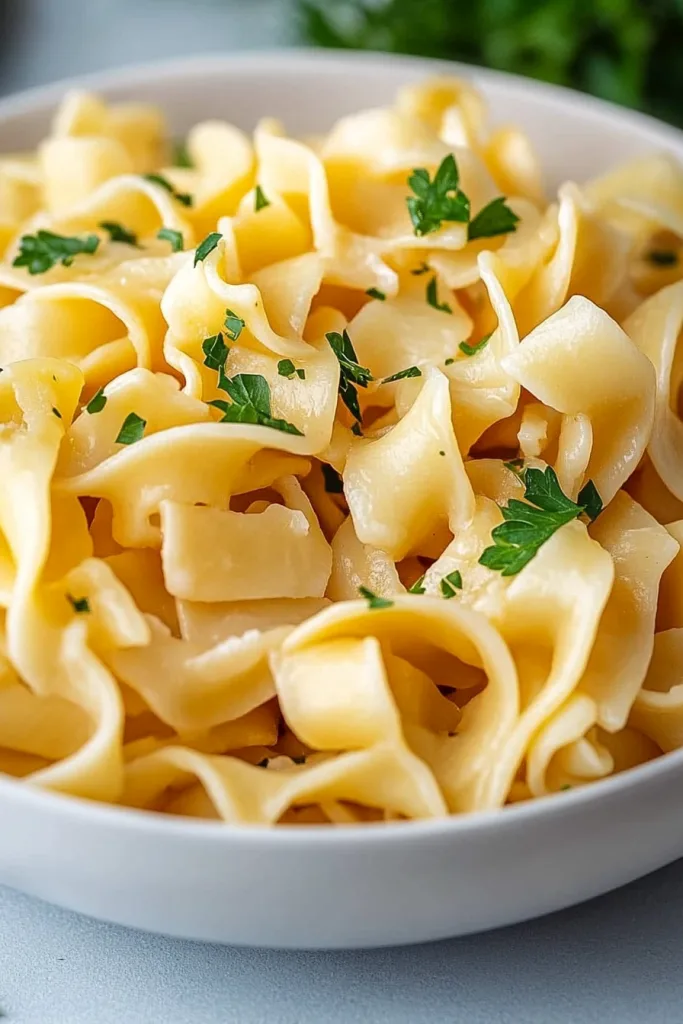
Ingredient Notes
The ingredient list for this Amish Noodle Recipe is short, but don’t let that fool you. When a recipe only has a few ingredients, each one has a job. The flour gives structure, the eggs and yolks give richness, the salt adds flavor, and the cold water helps everything come together. It’s simple, but simple doesn’t mean careless. Homemade noodles are a little about feel, and that’s okay.
- All-purpose flour: All-purpose flour is the base of this Amish Noodle Recipe. It gives the noodles enough structure to hold their shape while still staying tender after cooking. Try not to scoop the flour too heavily, because too much can make the dough dry. If the dough feels a little stiff at first, don’t panic. It often softens as you knead.
- Salt: Salt adds flavor to the noodle dough. It’s only 1/4 teaspoon, but it still matters. Plain noodles without salt can taste a little flat, especially if you’re serving them simply with butter or broth. It’s a small ingredient with a quiet job.
- Large eggs: Eggs help bind the dough together and give the noodles that classic homemade egg noodle flavor. Beating them before adding makes them easier to mix into the flour. Eggs also add moisture, which helps the dough form without needing too much extra water.
- Egg yolks: The extra egg yolks are what make this homemade Amish noodle recipe feel richer. They add color, tenderness, and a little depth. I’m not saying two extra yolks fix everything in life, but in noodle dough? They do a lot.
- Cold water: Cold water helps bring the dough together if the eggs and yolks aren’t quite enough. Start with 1 tablespoon, then add more only if needed. Flour can behave differently depending on humidity, egg size, and probably your kitchen’s mood. Add water slowly so the dough doesn’t turn sticky.
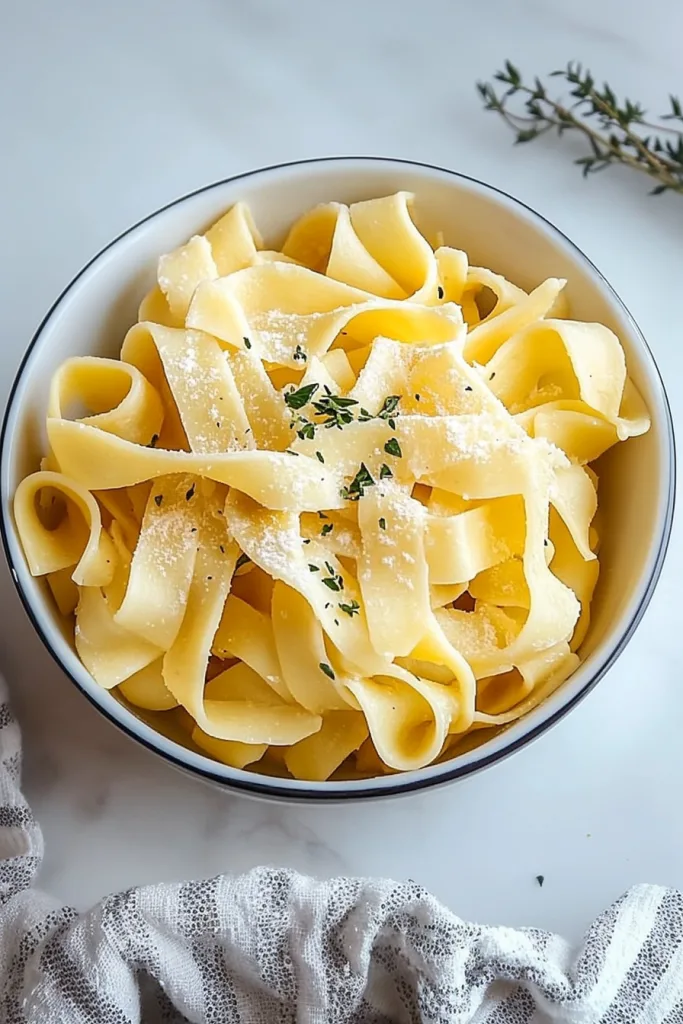
How to Make Amish Noodle Recipe?
Making this Amish Noodle Recipe is not hard, but it is hands-on. You’ll mix, knead, rest, roll, cut, and cook. That’s really it. The dough may look rough at first, but give it time. Homemade noodle dough is a bit like a quiet person at a party: stiff in the beginning, better once it relaxes.
Step 1: Mix the Flour and Salt
Start by whisking the all-purpose flour and salt together in a large bowl. This spreads the salt evenly through the flour, which helps the noodles taste better once cooked. Since this Amish Noodle Recipe uses only a few ingredients, even this small step makes a difference.
Step 2: Make a Well in the Center
Create a well in the center of the flour mixture. Think of it like making a little nest for the eggs and water. This helps you mix the dough gradually instead of dumping everything together at once. I’ve done the dump-and-pray method before. Sometimes it works. Sometimes it creates a floury little disaster.
Step 3: Add the Eggs, Yolks, and Water
Pour the beaten eggs, egg yolks, and 1 tablespoon of cold water into the well. Keep the second tablespoon nearby, but don’t add it right away. You may not need it. Some eggs are larger, some flour is drier, and dough has a way of being slightly different every time.
Step 4: Bring the Dough Together
Gradually pull the flour into the egg mixture using a fork or your fingers. Keep mixing until a shaggy dough forms. It may look rough, uneven, and not very encouraging. That’s normal. This is not the pretty stage. This is the “trust the process” stage, unfortunately.
Step 5: Adjust the Texture
If the dough feels too dry and won’t come together, add a little more cold water, just a few drops at a time. If it feels sticky, dust it lightly with flour. You want a firm dough that holds together but doesn’t feel wet. This is where you use your hands and judgment. Not everything has to be exact down to the last drop.
Step 6: Knead the Dough
Turn the dough onto a lightly floured surface and knead it for about 10 minutes, or until it becomes smooth and elastic. At first, it may feel stiff. After a few minutes, it should become smoother and easier to handle. Kneading builds the structure that gives the noodles their nice bite. Also, yes, your arms may notice. Homemade noodles come with a small workout.
Step 7: Let the Dough Rest
Wrap the dough in plastic wrap and let it rest for at least 30 minutes. This step helps the dough relax so it rolls out more easily. If you skip the rest, the dough may keep shrinking back while you roll it, which is deeply annoying in a very specific way. Let it rest. Have coffee. Wipe the flour off your counter. Or don’t. It’ll be back.
Step 8: Roll Out the Dough
After resting, place the dough on a lightly floured surface and roll it into thin sheets. You can use a pasta machine or a rolling pin. If you’re using a rolling pin, take your time. Turn the dough occasionally and dust lightly with flour if it sticks. Roll it thinner for soup noodles or leave it a bit thicker for hearty chicken and noodles. There’s room for personal preference here.
Step 9: Cut the Noodles
Cut the rolled dough into the noodle shape you like. Wide noodles, thin noodles, short strips, long rustic ribbons — all of them work. Use a knife, pizza cutter, or pasta cutter. Don’t worry if the pieces are uneven. In fact, I almost prefer them that way. It makes the finished Amish noodles feel homemade and real.
Step 10: Boil the Water
Bring a large pot of salted water to a boil. The salt seasons the noodles as they cook, and the large pot gives them space to move around. If the pot is too crowded, the noodles may stick together. Nobody wants one giant noodle clump. Well, maybe someone does, but not today.
Step 11: Cook the Noodles
Add the noodles to the boiling water and cook until al dente. Fresh noodles cook quickly, often in just a few minutes, depending on how thick you cut them. Taste one to check. It should be tender but still have a little bite. If you’re using them in soup or broth, remember they may continue softening a little after cooking.
Step 12: Drain and Serve
Drain the noodles well and serve them right away. Toss them with butter, add them to soup, serve them with chicken and gravy, or use them under beef tips. This Amish Noodle Recipe is humble, but it makes a meal feel full and comforting.
Storage Options
This Amish Noodle Recipe can be stored in a few different ways, depending on whether the noodles are fresh, cooked, frozen, or dried. Fresh homemade noodles are wonderful right after cutting, but they’re also useful to make ahead. The main thing is keeping them from sticking together and avoiding too much moisture.
- Fresh uncooked noodles: After cutting the noodles, dust them lightly with flour and arrange them in loose nests or a single layer. Store them in an airtight container in the refrigerator for up to 2 days. If you stack them, place parchment paper between the layers. Otherwise, they may cling together like they’re afraid of being separated.
- Cooked noodles: Store cooked homemade Amish noodles in an airtight container in the refrigerator for up to 3 to 4 days. Toss them with a little butter or oil before storing if you want to prevent sticking. Reheat gently with a splash of broth, water, or butter.
- Freezer: Freeze uncooked noodles by spreading them on a baking sheet in a single layer until firm. Then transfer them to a freezer-safe bag or container and freeze for up to 2 months. You can cook them from frozen; just add a little extra cooking time.
- Drying option: You can dry the cut noodles at room temperature until they are no longer soft. Once completely dry, store them in an airtight container. Drying time depends on thickness and humidity, so check them carefully. They need to be fully dry before storing.
- Soup storage: If you’re using this Amish Noodle Recipe in soup, store the noodles and broth separately when possible. Noodles keep absorbing liquid as they sit, which can turn soup into something much thicker. Not always bad, honestly, but maybe not what you intended.
Variations & Substitutions
This Amish Noodle Recipe is simple enough to adapt, which is one of the things I like about it. Once you know the basic dough, you can cut the noodles wider, roll them thinner, cook them in broth, or add herbs. I wouldn’t change too much the first time, but after that? Play around a little. Real kitchens are built on small experiments.
- Make wide noodles: Cut the dough into wide strips for a heartier noodle. Wide noodles are perfect with chicken and gravy, beef and noodles, pot roast, or creamy sauces. They feel extra old-fashioned and cozy.
- Make thin noodles: Roll the dough thinner and cut narrow strips for soup. Thin noodles cook quickly and work beautifully in chicken noodle soup or simple broth.
- Use a pasta machine: A pasta machine makes rolling easier and more even. It is not required, but it is helpful if you plan to make this homemade egg noodle recipe often.
- Use a rolling pin: A rolling pin works perfectly for this Amish Noodle Recipe. The noodles may look more rustic, but that’s part of the charm. Rustic is just homemade with better marketing.
- Add herbs: Add dried parsley, thyme, or chives to the dough for extra flavor. This is especially nice if you plan to serve the noodles with chicken or in soup.
- Cook in broth: Instead of boiling the noodles in water, cook them in chicken broth for more flavor. This is especially good for Amish-style chicken and noodles because the noodles soak up all that savory broth.
- Add black pepper: A little black pepper in the dough adds mild warmth. It’s subtle, but it gives the noodles a little more personality.
- Make richer noodles: Add one extra egg yolk for an even richer dough. You may need to adjust the flour or water slightly, depending on how the dough feels.
- Use part semolina flour: Replace a small amount of all-purpose flour with semolina flour if you want a firmer noodle with more bite. It’s tasty, though it does move the texture away from softer traditional homemade noodles.
- Make shorter noodles: Cut the noodles shorter if you’re adding them to soup. Short noodles are easier to scoop and serve, especially for kids or big family bowls.
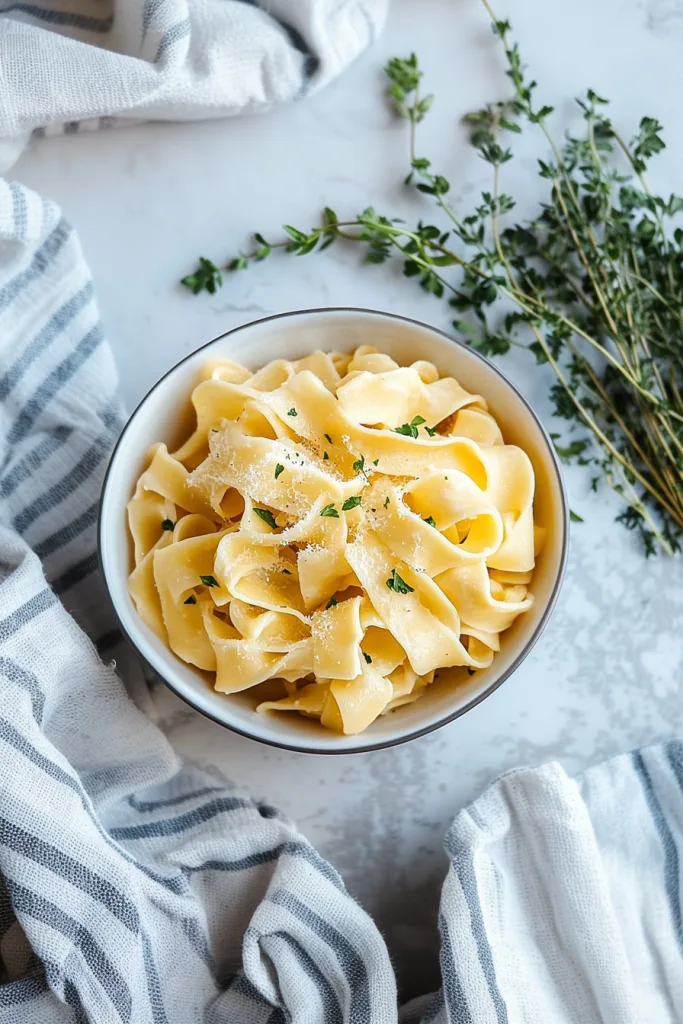
What to Serve With Amish Noodle Recipe?
This Amish Noodle Recipe goes with so many cozy meals. Because the noodles are simple, rich, and tender, they pair beautifully with soups, gravies, roasted meats, stews, and butter-based sauces. They’re not trying to steal the whole show, but they do make everything around them better. Like the dependable friend who brings extra napkins.
- Chicken and gravy: Homemade Amish noodles with chicken and gravy are pure comfort food. The noodles soak up the gravy and make the meal feel hearty and old-fashioned. This might be my favorite way to serve them, though I change my mind depending on the weather.
- Chicken noodle soup: Add these noodles to homemade chicken noodle soup for a cozy bowl. Fresh noodles cook quickly, so add them near the end to keep them from getting too soft.
- Beef and noodles: Serve the noodles with slow-cooked beef and gravy for a filling dinner. It’s the kind of meal that feels especially right on chilly days, rainy nights, or any evening when you need something grounding.
- Buttered noodles: Toss cooked noodles with butter, salt, and black pepper for a simple side dish. Add parsley if you want a little color. It’s plain, yes, but plain in a very good way.
- Roast chicken: Serve the noodles alongside roast chicken and pan juices. The noodles catch all those savory drippings, which is exactly what they should be doing.
- Meatballs: Pair the noodles with meatballs and gravy or a simple creamy sauce. It’s hearty, family-friendly, and easy to love.
- Creamy mushroom sauce: A creamy mushroom sauce tastes wonderful with homemade egg noodles. The mushrooms add earthy flavor, and the noodles make it feel like a full meal.
- Pot roast: Serve these homemade Amish noodles with pot roast and vegetables. They soak up the broth and juices beautifully. This is comfort food with both feet on the ground.
- Stews: Add cooked noodles to beef or chicken stew to make it more filling. Just stir them in near the end so they don’t overcook.
- Simple broth: For something lighter, serve the noodles in hot chicken broth with a little parsley. It’s simple, soft, and soothing, like food you’d want when you’re tired but still hungry.
FAQ
How thin should I roll the dough?
That depends on how you plan to serve the noodles. Roll the dough thinner for soup noodles and leave it slightly thicker for chicken and noodles, beef and noodles, or gravy-based dishes.
How long do homemade Amish noodles take to cook?
Fresh homemade noodles cook quickly, often in just a few minutes. The exact time depends on thickness, so taste one to check. It should be tender but still have a little bite.
Can I dry homemade noodles?
Yes, you can dry homemade noodles at room temperature until fully dry. Once dry, store them in an airtight container. Drying time depends on noodle thickness and humidity.
Why is my noodle dough too dry?
The dough may be too dry if the flour absorbed more liquid than expected or if the eggs were smaller. Add cold water a few drops at a time until the dough comes together.
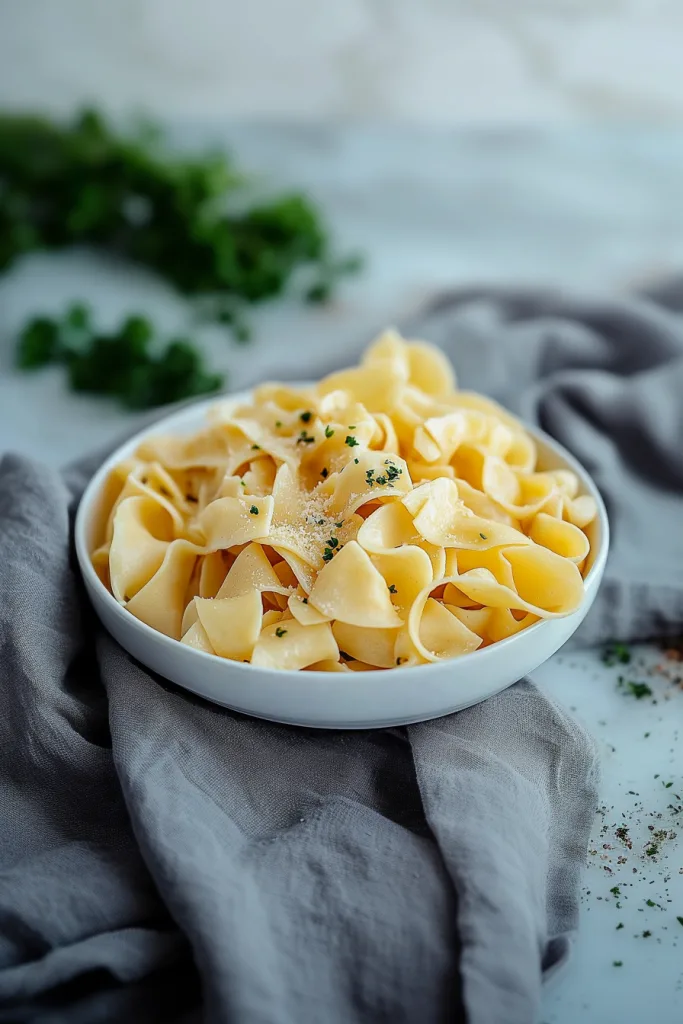
This Amish Noodle Recipe is simple, cozy, and full of old-fashioned homemade comfort. With just flour, salt, eggs, egg yolks, and cold water, you can make tender homemade noodles that work beautifully in soups, gravies, broths, and hearty family dinners. It’s not flashy food, but maybe that’s exactly why it feels so good.
So if you’ve never made homemade Amish noodles before, give this recipe a try. Roll them thin, cut them rustic, cook them fresh, and serve them with something warm and comforting. Can’t wait to hear what you think!
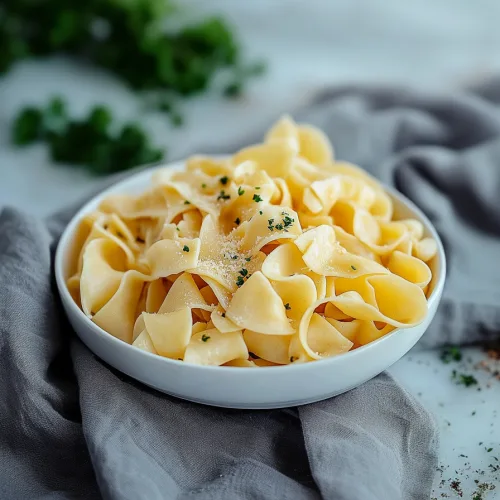
Amish Noodle Recipe
Ingredients
- 2 cups all-purpose flour
- 1/4 tsp salt
- 2 large eggs beaten
- 2 large egg yolks beaten
- 1 to 2 tbsp cold water
Instructions
- In a large mixing bowl, whisk together the all-purpose flour and salt until evenly combined.
- Create a well in the center of the flour mixture.
- Pour the beaten eggs, beaten egg yolks, and 1 tbsp cold water into the well.
- Gradually incorporate the flour into the egg mixture, mixing until a dough begins to form.
- If the dough appears too dry, add the remaining cold water a small amount at a time until the dough comes together.
- If the dough is too sticky, lightly dust it with additional flour as needed.
- Transfer the dough to a lightly floured work surface.
- Knead the dough for approximately 10 minutes, or until it becomes smooth and elastic.
- Shape the dough into a ball.
- Wrap the dough tightly in plastic wrap.
- Allow the dough to rest at room temperature for at least 30 minutes.
- After resting, unwrap the dough and place it on a lightly floured surface.
- Roll the dough into thin sheets using a pasta machine or a rolling pin.
- Dust the dough lightly with flour as needed to prevent sticking.
- Cut the rolled dough into the desired noodle shapes or widths.
- Bring a large pot of salted water to a boil.
- Add the fresh noodles to the boiling water.
- Cook the noodles for approximately 3 to 5 minutes, or until tender and al dente. Cooking time may vary depending on the thickness of the noodles.
- Drain the noodles thoroughly.
- Serve immediately with butter, broth, soup, gravy, chicken, beef, or another preferred accompaniment.
Notes