I’ll be honest right up front — the first time I thought about making a Vietnamese pate recipe, I stalled. Like, full pause. Chicken liver? At home? On purpose? I stood in the grocery store way too long, pretending to read labels, hoping the decision would magically make itself.
It didn’t. I made it anyway.
And now here I am, telling you that this Vietnamese pate recipe is one of those quietly powerful recipes. Not flashy. Not trendy. Just deeply satisfying in a way that sneaks up on you.
The first time I tasted Vietnamese pate wasn’t at some fancy food moment. It was stuffed into a bánh mì, eaten standing up, probably too fast. I remember thinking, Why does this taste so comforting? Not exciting. Not loud. Just… right.
I didn’t even know what I was tasting at first. It took a second bite. Then a third. Then that pause where you realize the food is doing more than feeding you — it’s anchoring you.
That’s when I started looking into making my own Vietnamese pate recipe. Slowly. Hesitantly. With a lot of “maybe later” energy.
When I finally did it, it felt old-school in the best way. No rushing. No multitasking. Just chopping, simmering, tasting, adjusting. And wondering if I messed it up. (Spoiler: I didn’t. Mostly.)
Why you’ll Love this Vietnamese Pate?
Here’s the thing — this Vietnamese pate recipe isn’t trying to convince you of anything. It doesn’t shout. It doesn’t overwhelm. It just layers flavor quietly, the way a lot of Vietnamese cooking does.
The butter softens everything. The fish sauce adds depth without announcing itself. The wine (or cognac) gives it warmth, but not drama. And the milk soak? That’s the difference between “I don’t know about this” and “wait… I actually love this.”
I used to think pate had to be intimidating. Turns out, it just needs patience.
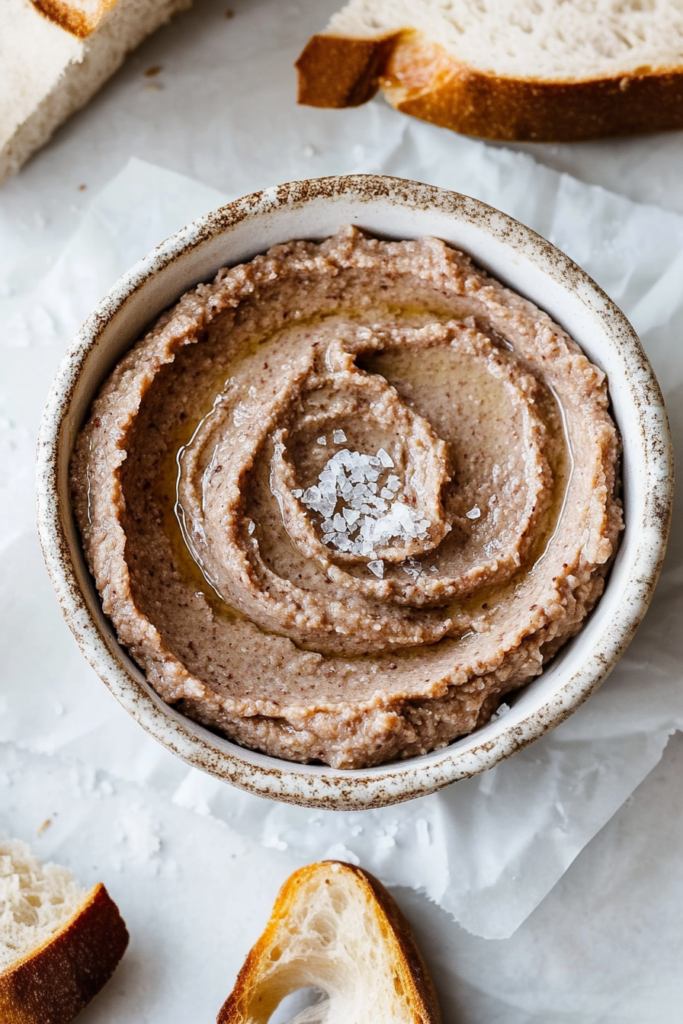
Ingredient Notes
Before jumping in, here’s how I think about the ingredients — not the official version, the real one.
- Chicken Liver – This is the backbone. Rich, earthy, a little intense if untreated. Don’t rush it. Be kind to it.
- Milk – Optional on paper. Essential in practice. That overnight soak really does calm everything down.
- Butter – This is not the time to be cautious. Butter makes this Vietnamese pate recipe feel finished.
- Fish Sauce (Nuoc Mam) – It won’t make it taste fishy. It makes it taste whole.
- Onion & Garlic – They disappear into the background, but you’d notice if they weren’t there.
- Wine or Cognac – Subtle. Warm. Adds depth without stealing the spotlight.
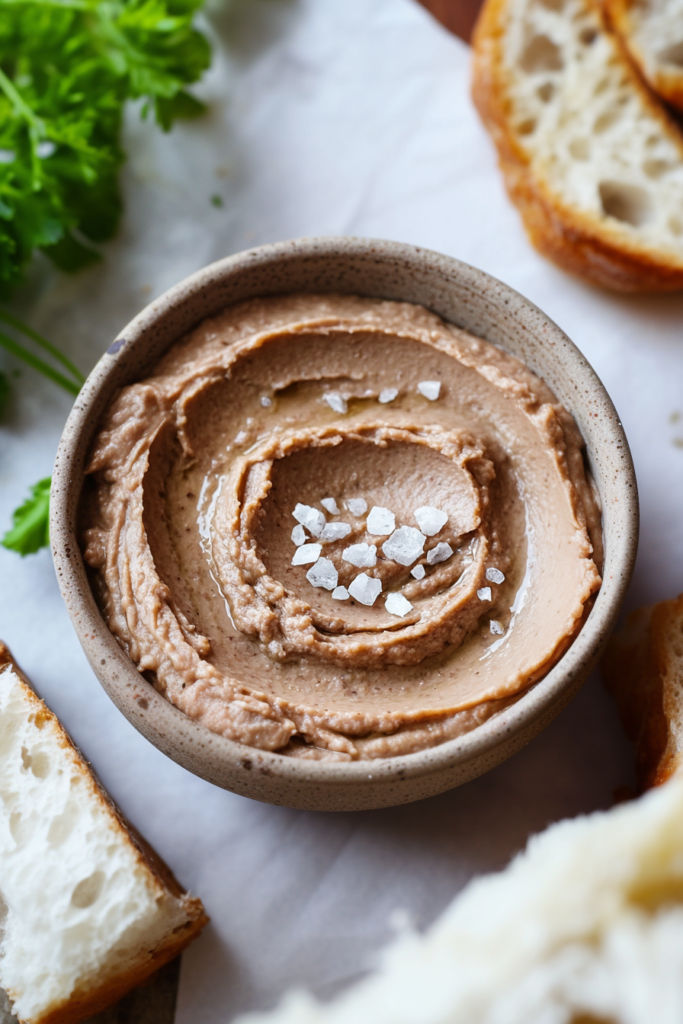
How to Make Vietnamese Pate Recipe?
Step 1: The Soak
Clean the livers. Remove the membranes. Sprinkle with salt. Cover with milk. Refrigerate overnight.
Is it extra? Maybe. Is it worth it? Yes. Even if you’re not sure yet.
Step 2: The Sauté
Cook the onion and garlic until soft. Add the chopped livers and wine.
This is usually the moment people panic. The smell changes. It’s… bold. Stick with it.
Step 3: Season & Simmer
Let it reduce a little. Add fish sauce, salt, pepper. Taste. Adjust. Taste again.
There’s no exact moment here. Just trust your mouth.
Step 4: Blend
Let it cool slightly, then blend with butter until smooth.
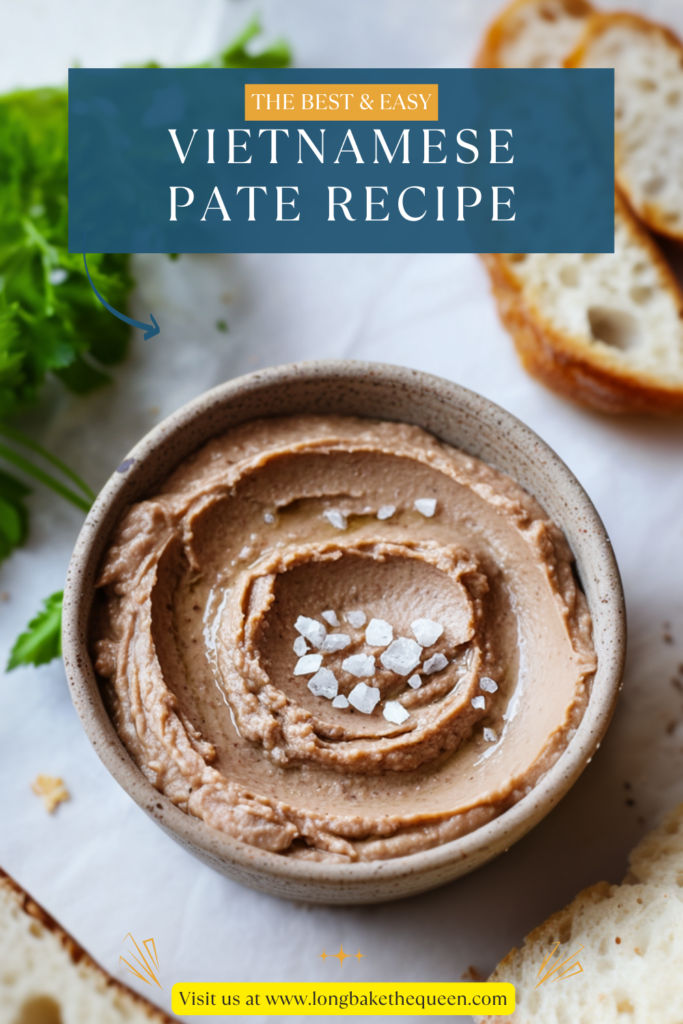
This is the magic moment. Suddenly it looks like pate. Real pate.
Step 5: Seal
Spoon into ramekins. Seal the top with melted butter. Chill. Walk away. Let it rest.
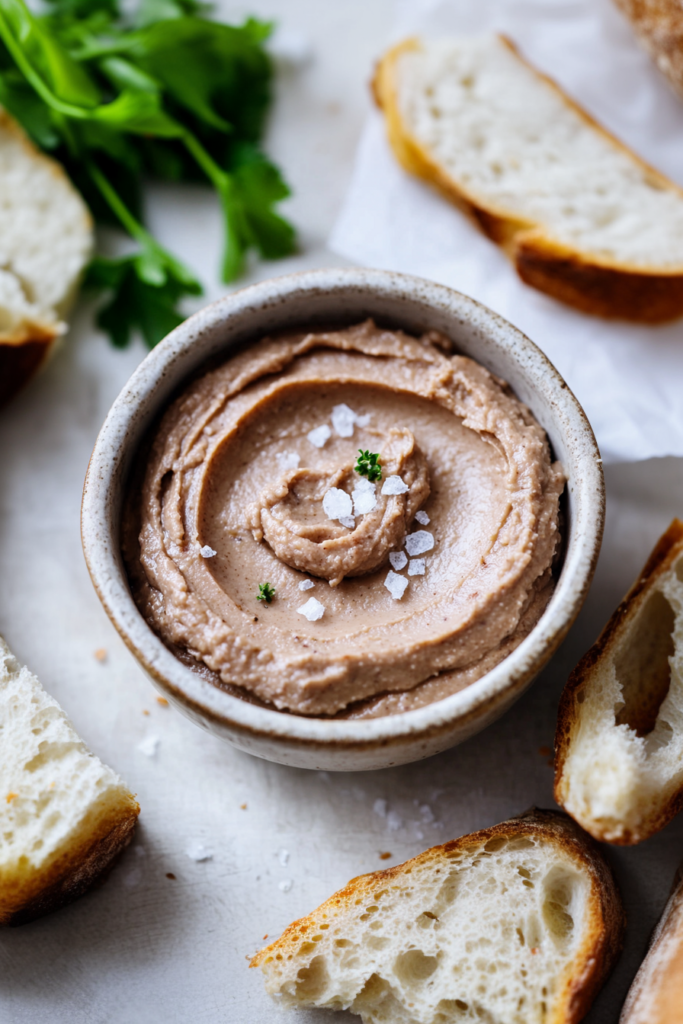
Storage Options
Vietnamese pate isn’t something you leave out casually. It needs care.
- Fridge: Up to 5 days, sealed properly
- Freezer: Up to 1 month
- Serving tip: Cut what you need, return the rest immediately
I know it sounds fussy, but once you’ve made it, you’ll want it treated right.
Variations & Substitutions
This Vietnamese pate recipe isn’t fragile.
- Duck liver if you want deeper flavor
- Skip alcohol if needed — still good, just slightly different
- A pinch of five-spice if you’re curious
- Blend smoother or leave texture — both are valid
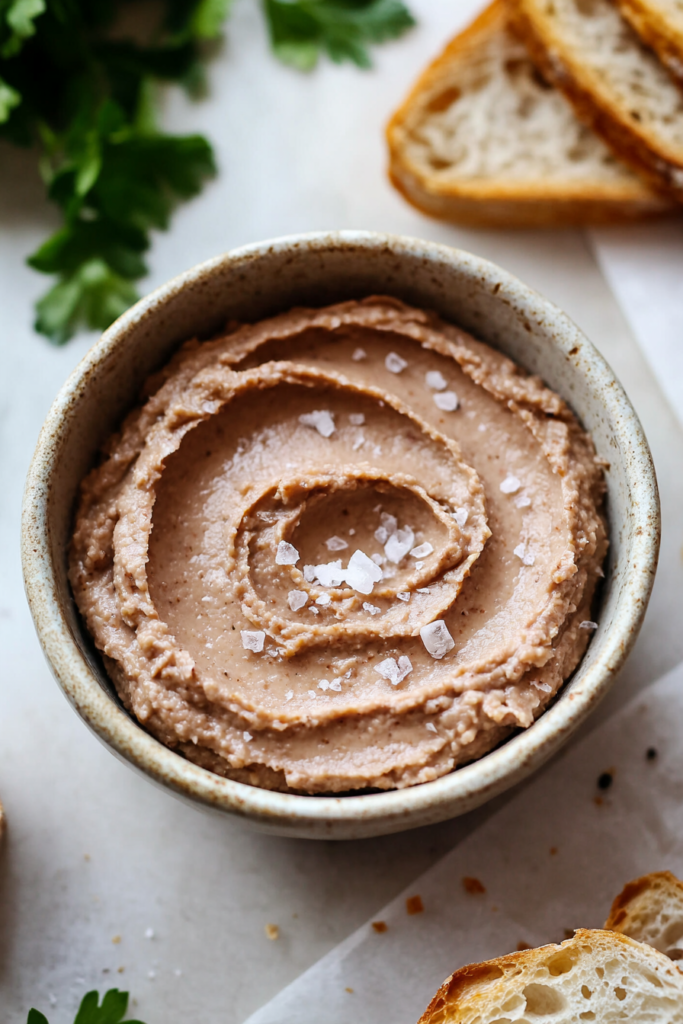
There’s no “correct” version here. Just the one you’ll make again.
What to Serve With Vietnamese Pate?
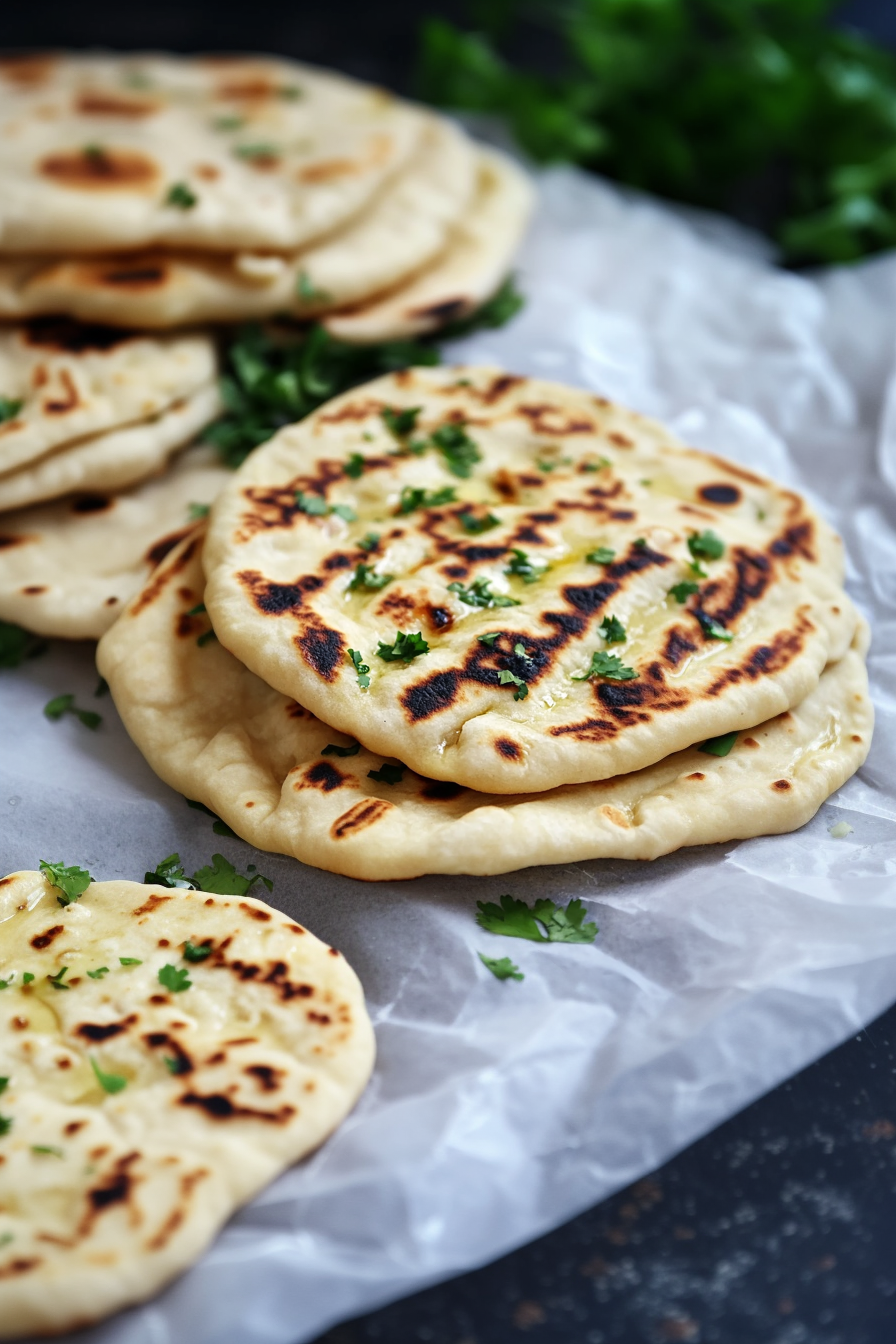
Warm baguette. Always. Crackers if that’s what you’ve got. Pickled veggies if you want contrast.
And yes — bánh mì, if you want the full experience.
This Vietnamese pate recipe turns simple bread into something special. That’s its real power.
FAQ:
Is it strong?
Rich, yes. Overpowering? No — especially with the milk soak.
Why is mine gray?
Totally normal. Liver does that. A few drops of red food coloring fixes it if looks matter to you.
Can I freeze it?
Yep. Just seal it well.
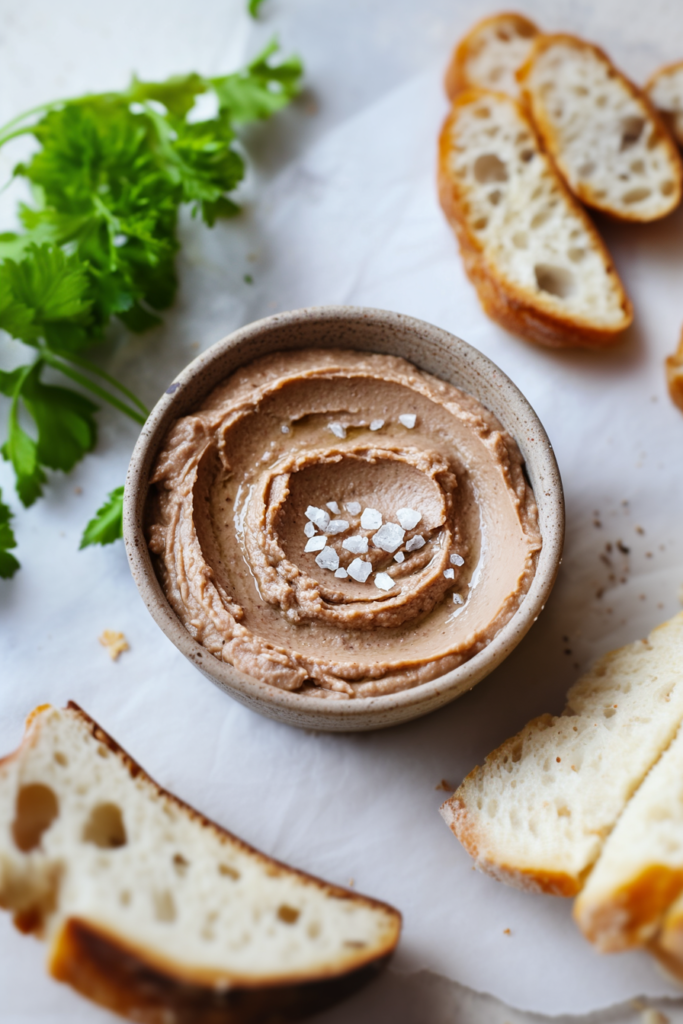
This Vietnamese pate recipe didn’t just give me something good to eat — it slowed me down. It made me pay attention. It reminded me that some recipes aren’t about speed or perfection, but about care.
If you make it and feel unsure halfway through, you’re doing it right. If you taste it and pause before the second bite — even better.
If you try it, I really want to know. Did it surprise you too?

Vietnamese Pate Recipe
Ingredients
- ½ lb chicken liver
- 1 cup whole milk optional, for soaking
- ½ cup white wine or 1 tbsp cognac
- 1 small onion diced
- 6 garlic cloves minced
- 2 tsp Vietnamese fish sauce Nuoc Mam
- 1 tsp salt divided
- ½ tsp ground black pepper
- 8 tbsp unsalted butter softened
- 2 oz unsalted butter melted (for sealing the top)
Instructions
- Rinse the chicken livers thoroughly and remove any visible white or yellow membranes. Rinse again, then sprinkle with ½ teaspoon of salt and mix gently.
- Place the livers in a bowl and pour in enough milk to fully cover them. Cover and refrigerate overnight to reduce the strong liver flavor.
- The next day, drain and rinse the livers thoroughly. Chop them into smaller pieces and set aside.
- In a skillet over medium heat, sauté the diced onion and minced garlic until softened and fragrant.
- Add the chopped chicken livers to the skillet, followed by the white wine or cognac. Cook until the livers are fully cooked and the liquid has reduced slightly, approximately 5 minutes.
- Season with the remaining ½ teaspoon salt, fish sauce, and black pepper. Taste and adjust seasoning if necessary. Remove from heat and allow the mixture to cool slightly.
- Transfer the mixture to a food processor. Add the softened butter and process until smooth and creamy.
- Spoon the pate into buttered ramekins or containers, smoothing the surface evenly.
- Melt the remaining butter over very low heat and carefully pour a thin layer over the top of each ramekin to seal the pate.
- Refrigerate until fully set before serving.
Notes