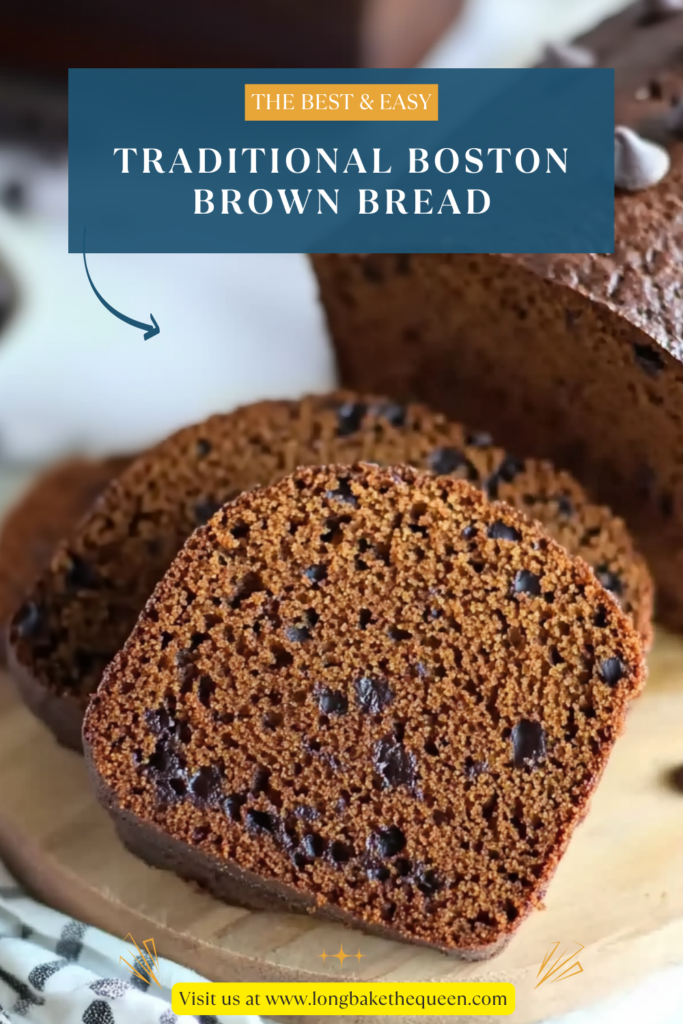
Traditional Boston Brown Bread made with rye flour, whole wheat flour, cornmeal, molasses, milk, and raisins.
I’m going to say something that might sound slightly unhinged at first: baking bread in a coffee can is weirdly satisfying.
The first time I made Traditional Boston Brown Bread, I stood in my kitchen holding an empty can thinking, “This feels like a Pinterest fail waiting to happen.” And yet… two hours later, I had this perfectly round, dark loaf sitting on my counter like it had time-traveled from colonial New England.
There’s something about old-fashioned Boston brown bread that just hits differently. It’s not fluffy. It’s not trendy. It’s not trying to win any sourdough competitions. It’s dense, slightly sweet from molasses, speckled with raisins, and deeply comforting. The kind of bread you slice thick and eat with butter while staring out a window pretending you live in a lighthouse. Just me?
If you’ve never made Traditional Boston Brown Bread at home — especially the classic steamed-in-a-can version — I kind of hope this is the moment you do.
Years ago, I visited Boston in late October. It was that crisp, windy kind of cold that makes you question every fashion decision you made before packing. We ducked into this tiny café near Faneuil Hall — nothing fancy, just wooden tables and chalkboard menus — and they served baked beans with a thick slice of Boston brown bread on the side.
I remember thinking, “This is… simple.” And then I took a bite. And suddenly it wasn’t simple anymore.
The bread was moist, slightly sweet, hearty. The molasses flavor was deep but not overpowering. It wasn’t dessert. It wasn’t sandwich bread. It was its own thing.
When I finally made Traditional Boston Brown Bread at home, I didn’t expect it to stir up that memory so clearly. But it did. Funny how food does that, right? One smell and you’re somewhere else.
And when that loaf slid out of the can — perfectly round, almost comically cylindrical — I actually laughed. It looked like something out of a history book. In a good way.
Have you ever made a recipe that felt like connecting to a different time? That’s what this traditional brown bread does for me.
Why you’ll Love this Traditional Boston Brown Bread?
Let’s be honest: this is not a flashy recipe. No shiny glaze. No dramatic scoring. No influencer-level drama.
But that’s kind of the point.
Traditional Boston Brown Bread is hearty and grounded. The rye flour gives it depth. The whole wheat flour gives it structure. The cornmeal adds that subtle grainy texture that makes you pause for a second like, “Ohhh, that’s nice.” And the molasses — that’s the backbone. Dark, slightly bitter-sweet, warm.
And then there are the raisins. I know. Raisins are controversial. Some people act like they’re personally offended by them. But here? They just work. Little bursts of sweetness in a loaf that could otherwise lean savory.
It pairs beautifully with baked beans, which is classic New England style. But I’ve also eaten it toasted with butter at 10 p.m. standing in my kitchen in sweatpants. Both experiences felt correct.
Do you agree that some recipes don’t need to be modernized? They just… are what they are?
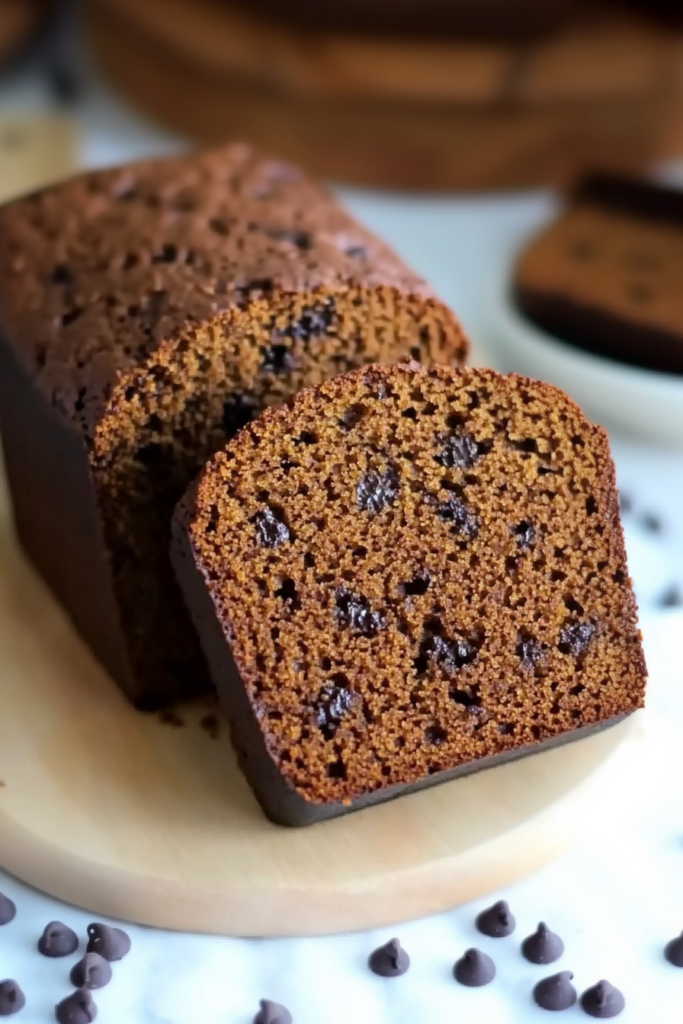
Ingredient Notes
Before you mix up your own batch of Traditional Boston Brown Bread, here’s what you’re working with.
- Rye Flour
This gives the bread that earthy backbone. It’s subtle here, not aggressive. If you’ve never baked with rye before, don’t panic. It’s not going to taste like a deli sandwich. - Whole Wheat Flour
Adds heartiness and keeps the loaf sturdy. This is not delicate tea bread. It’s meant to be substantial. - Cornmeal
Cornmeal gives Boston brown bread its signature texture. That slight graininess? That’s tradition right there. - Dark Molasses
This is where the flavor lives. It gives the bread its deep brown color and warm sweetness. If you open the jar and take a whiff, you’ll get it. It smells like gingerbread season. - Milk
Keeps everything moist. Whole milk gives the richest result, but honestly, I’ve used whatever’s in the fridge and it’s been fine. - Raisins
Traditional and slightly sweet. If you’re hesitant, you could reduce the amount… but I’d suggest trying the full version at least once. It feels authentic.
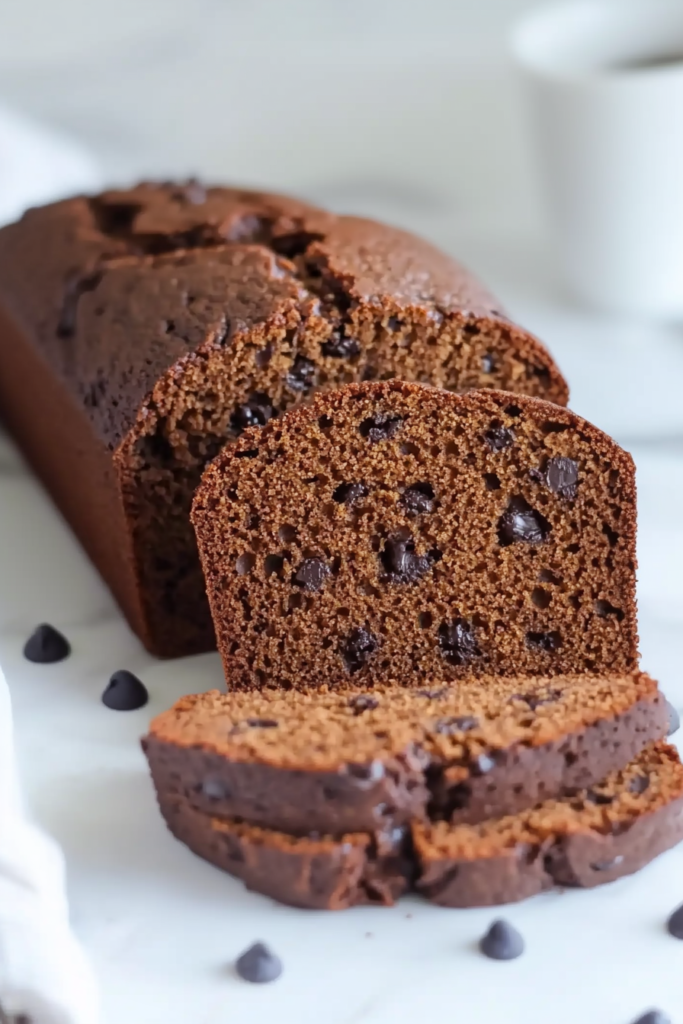
How to Make Traditional Boston Brown Bread?
It might look unusual because of the can, but it’s surprisingly straightforward.
Step 1: Preheat and Prepare
Preheat your oven to 325°F. Grab a clean metal coffee can (or similar). Spray it well.
You’ll also need a deep baking dish because we’re using a water bath. Basically, we’re steaming the bread gently inside the oven. It’s like giving it a spa day.
Step 2: Mix the Dry Ingredients
Whisk together the rye flour, whole wheat flour, cornmeal, baking soda, and salt. Just until combined.
The flour blend is what makes this traditional Boston brown bread feel hearty instead of fluffy. It’s supposed to be a little dense. That’s not a flaw. That’s character.
Step 3: Add Molasses and Milk
Stir in the molasses and milk. The batter will be thick. Not pourable like cake batter. More like a scoop-and-spread situation.
Fold in the raisins last.
At this stage, it smells incredible. Rich and warm. Almost like fall, even if it’s July and you have the AC blasting.
Step 4: Fill and Cover
Spoon the batter into your prepared can. Cover tightly with foil and secure it with twine. This traps steam and helps the bread cook evenly.
It feels oddly old-fashioned. I kind of love that.
Step 5: The Water Bath
Place the filled can into a deep baking dish. Carefully pour boiling water into the dish until it comes a few inches up the sides of the can.
Pro tip: pour the water once the dish is already in the oven. Walking across the kitchen with boiling water is… stressful. Learned that one the hard way.
Step 6: Bake
Bake for about 2 hours.
Your kitchen will smell subtly sweet and warm. Not loud. Just cozy.
Let it sit for about 10 minutes before unmolding. If it has pulled slightly away from the sides, it should slide right out.
And that moment? When the cylindrical loaf lands on the cutting board? It’s weirdly triumphant.
Let it cool fully before slicing — though I won’t pretend I’ve always followed that advice.
Storage Options
This traditional brown bread keeps well.
Wrap tightly and store at room temperature for up to 2 days. Refrigerate for up to 5 days if needed.
It freezes beautifully too. Slice first, wrap individually, and freeze. Toast from frozen and add butter. It revives like magic.
Variations & Substitutions
If you want to gently experiment with your Traditional Boston Brown Bread:
- Swap raisins for dried cranberries.
- Add chopped walnuts.
- Replace part of the molasses with maple syrup.
- Use buttermilk for slight tang.
- Make mini loaves using smaller cans.
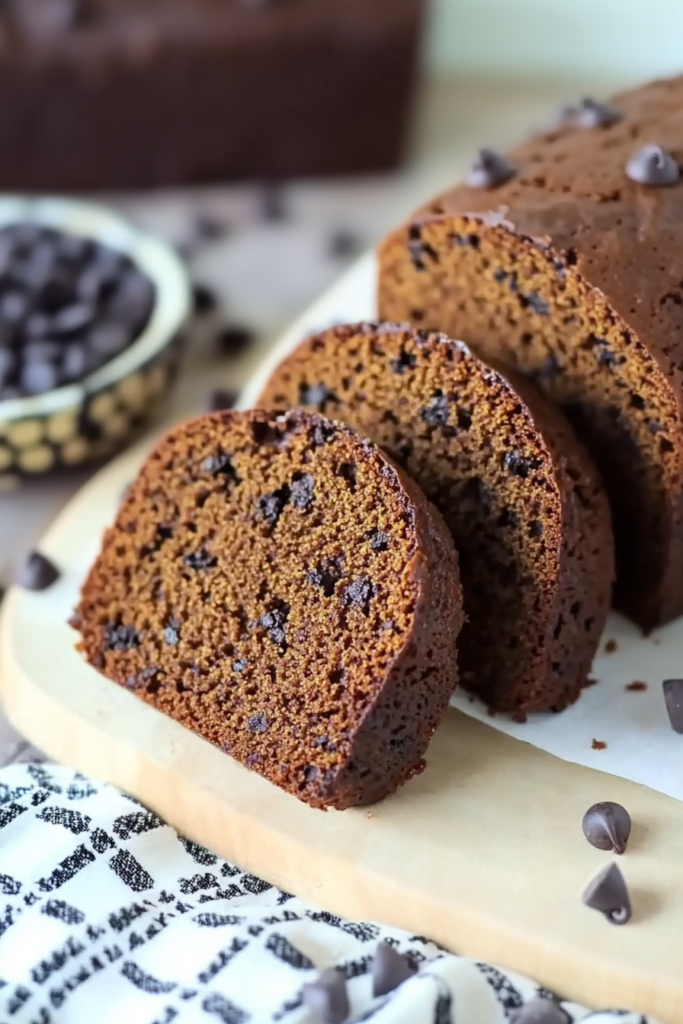
It’s traditional, yes. But it’s not fragile. It can handle a little creativity.
What to Serve With Traditional Boston Brown Bread?
The classic pairing? Baked beans. Very New England. Very comforting.
But it’s also wonderful with:
- Chili
- Clam chowder
- Salted butter
- Cream cheese
- Even sharp cheddar
Warm it slightly before serving. The molasses flavor deepens and the texture softens just enough.
Do you prefer it savory or slightly sweet? I go back and forth.
FAQ
Why bake it in a can?
Historically, it was steamed in cylindrical molds because ovens weren’t always practical. The shape became part of the identity.
Is it supposed to be dense?
Yes. Traditional Boston Brown Bread is meant to be hearty and moist, not airy.
Can I skip the raisins?
You can. It’ll still be good. Just slightly less sweet and a little more earthy.
Can I use a loaf pan instead?
Yes, though it won’t have that classic round shape. Texture may vary slightly.
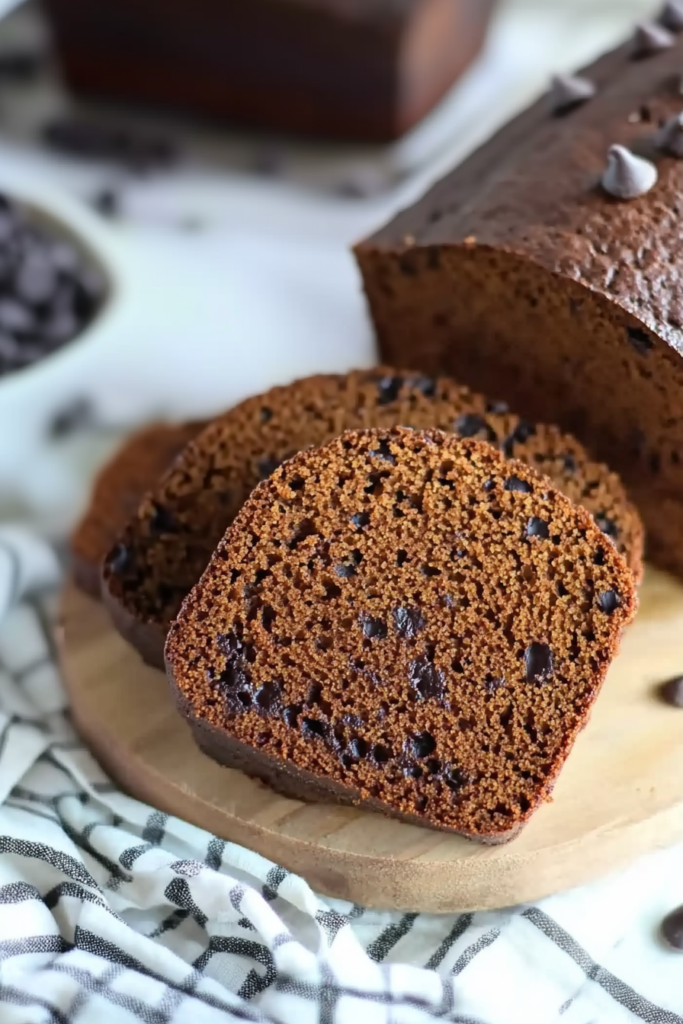
There’s something deeply satisfying about making Traditional Boston Brown Bread the old-fashioned way — pouring batter into a can, steaming it gently, slicing into that dark, molasses-rich loaf.
It’s not flashy. It’s not trendy. But it feels real.
So tell me — would you try baking bread in a coffee can, or does that still sound a little wild?
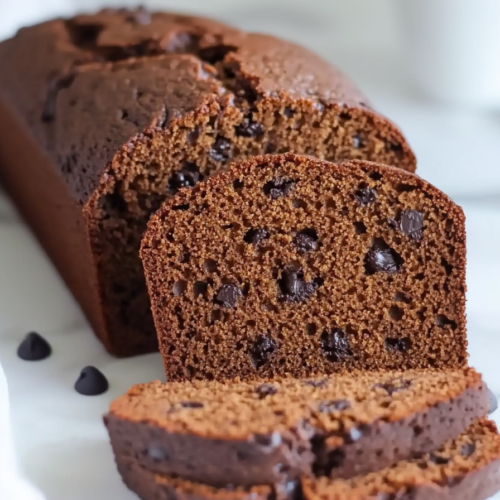
Traditional Boston Brown Bread
Ingredients
- 1 tablespoon unsalted butter for greasing
- ½ cup rye flour
- ½ cup whole wheat flour
- ½ cup cornmeal
- 1 teaspoon baking soda
- ½ teaspoon salt
- ⅓ cup dark molasses
- 1 cup milk
- ½ cup raisins
Instructions
Preheat and Prepare the Baking Vessel
- Preheat the oven to 325°F (163°C). Select a clean, oven-safe metal can, such as a 1-pound coffee can, to serve as the mold. Thoroughly grease the interior of the can with unsalted butter or baking spray.
- Place the prepared can inside a deep baking dish that will accommodate both the can and a surrounding water bath.
Combine the Dry Ingredients
- In a medium mixing bowl, whisk together the rye flour, whole wheat flour, cornmeal, baking soda, and salt. Ensure that the ingredients are evenly incorporated and free of lumps.
Incorporate the Wet Ingredients
- Add the dark molasses and milk to the dry mixture. Stir gently until a uniform batter forms. The batter will be thick and slightly textured due to the cornmeal.
- Fold in the raisins, distributing them evenly throughout the batter.
Fill and Seal the Mold
- Transfer the batter into the prepared can, filling it approximately two-thirds to three-quarters full. Smooth the surface lightly with a spatula.
- Cover the top of the can tightly with aluminum foil and secure it firmly to prevent steam from escaping during baking.
Prepare the Water Bath
- Place the baking dish with the filled can into the oven. Carefully pour boiling water into the baking dish until it reaches a few inches up the sides of the can. This water bath creates a gentle steaming environment that produces the traditional moist texture of Boston Brown Bread.
Bake
- Bake for approximately 2 hours. The bread is finished when it is firm to the touch and a skewer inserted into the center comes out clean.
- Remove the baking dish from the oven and allow the bread to rest in the can for 10–15 minutes. If the bread has slightly pulled away from the sides, carefully invert the can to release the loaf.
- Transfer to a wire rack and allow to cool completely before slicing.
Notes
- Substitute the rye flour and whole wheat flour with a certified gluten-free 1:1 baking flour blend that contains xanthan gum.
- If the blend does not include xanthan gum, add ½ teaspoon to improve structure and binding.
- Use certified gluten-free cornmeal to avoid cross-contamination.
- The batter may appear slightly looser; this is normal for gluten-free formulations.
- Bake as directed, checking for doneness with a skewer.