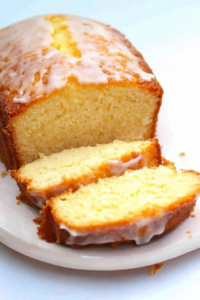
Butter, sugar, eggs, orange zest, orange juice, flour, buttermilk, vanilla, and confectioners’ sugar make this bright Orange Pound Cake.
This Orange Pound Cake feels like the kind of cake that walks into a room and quietly fixes the mood. Not in a dramatic movie way. More in a “the kitchen suddenly smells better, the light feels nicer, and maybe the day is not such a grump after all” kind of way. The first time I made this orange pound cake recipe, I was honestly just tired of darker, heavier desserts. I love chocolate, I really do, but I wanted something brighter. Something buttery and comforting, yes, but also fresh. A cake with a little sunshine in it. Sound familiar?
I remember zesting all those oranges and thinking, well, this already smells like a good decision. That scent hit the air and everything changed a bit. The kitchen felt awake. A little sharper. A little happier. Then the loaves baked, and that buttery orange smell started doing its thing, and I knew this citrus pound cake was not going to be one of those desserts you politely forget about later. Once the orange syrup soaked into the warm cakes, I was fully invested. Emotionally, spiritually, and with a knife ready for “just a tiny slice” that was not tiny at all.
What I love most about this Orange Pound Cake is that it feels old-fashioned and bright at the same time. It reminds me of those bakery loaves that sit behind the glass looking all glossy and confident, the kind you buy because you tell yourself citrus is lighter so this is clearly a responsible dessert choice. Which… maybe? Maybe not. Either way, this orange loaf cake has that same charm. It feels a little polished, a little homey, and honestly very hard to resist. Ever had a cake do that? Just quietly win you over without needing frosting flowers or some huge dramatic reveal?
Why you’ll Love this Orange Pound Cake?
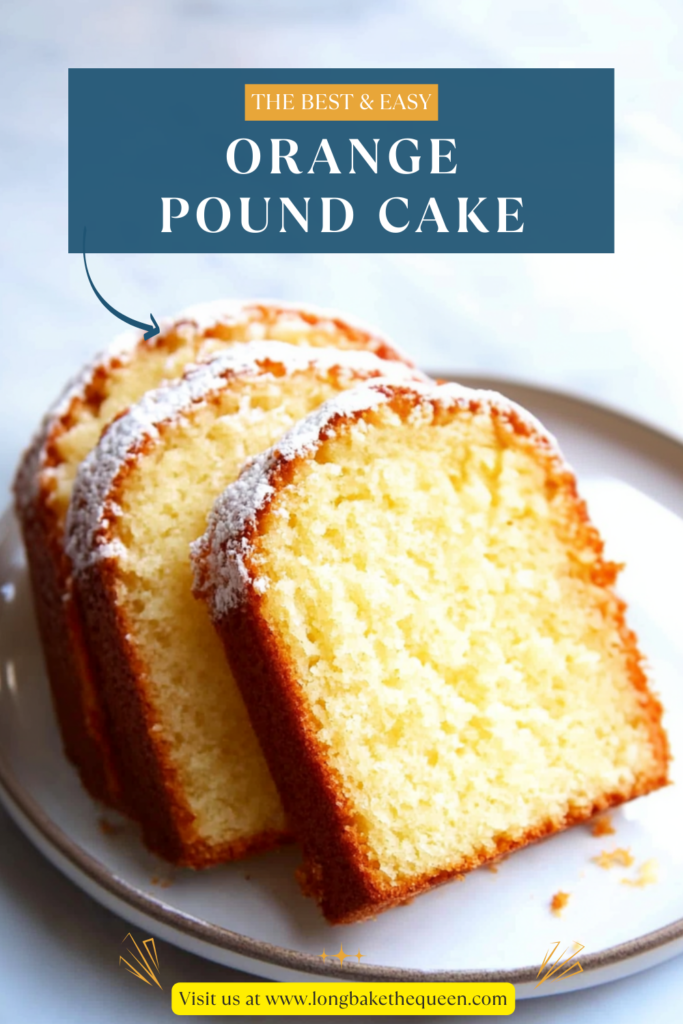
There are a lot of reasons to fall for this Orange Pound Cake, but the first one is simple: it actually tastes like orange. Not vaguely citrus-ish. Not sweet loaf cake with a polite hint of fruit. I mean real orange flavor running all the way through. The zest goes into the batter, the juice goes into the batter, the syrup soaks the loaves, and then the glaze finishes everything off on top. This orange cake recipe is not shy, and I respect that.
Another reason this orange pound cake recipe works so well is the texture. A good pound cake should feel rich and buttery, but not dry, not tight, not like it’s punishing you for slicing it before it cooled properly. This one stays tender because of the buttermilk, and then the orange syrup comes in and makes the crumb extra moist in that almost unfair way. It still feels like a classic pound cake, but with a little more softness and a lot more personality.
And then there’s the overall mood of it, which I think matters. This Orange Pound Cake feels cheerful. I know that sounds a bit ridiculous to say about cake, but some desserts feel heavier and some feel brighter, and this one definitely leans bright. It works for brunch, afternoon coffee, holidays, spring tables, baby showers, random Wednesdays when you’re tired of pretending fruit alone is dessert. Do you agree? Because I think the best loaf cakes are the ones that can fit almost anywhere and still feel a little special.
Ingredient Notes
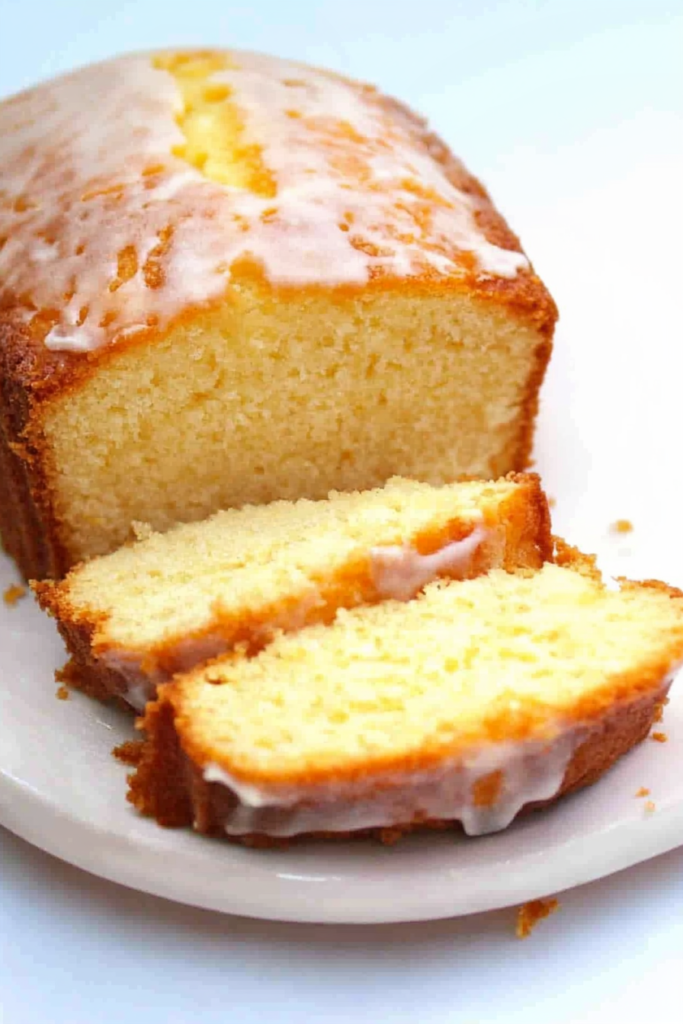
One thing I really like about this Orange Pound Cake is that the ingredients are familiar. No mystery powders. No specialty-store drama. It’s just classic baking ingredients plus a generous amount of orange, which is exactly how this recipe should be. A cake like this doesn’t need gimmicks. It just needs good basics and enough citrus confidence.
For the Pound Cake
- Unsalted butter: Butter gives this citrus pound cake its rich, classic flavor and that soft, dense crumb pound cake lovers want. Let it come to room temperature first. Cold butter is technically still butter, yes, but it becomes very unhelpful in this situation.
- Granulated sugar: Sugar sweetens the cake and helps it cream up properly with the butter so the texture stays light enough, even with all that richness.
- Extra-large eggs: These help with structure and richness. Room temperature eggs mix in more smoothly, which is slightly annoying advice because it means planning ahead, but it is still good advice.
- Orange zest: This is a huge part of the flavor. The zest gives the batter that deep orange aroma and taste that juice alone can’t fully pull off. Six oranges sounds like a lot until you smell the batter and realize it’s exactly right.
- All-purpose flour: Plain, dependable, no surprises. It gives the loaf its shape and keeps everything grounded.
- Baking powder and baking soda: These give the cake lift while still letting it keep that classic pound cake structure. Not airy. Not fluffy. Just tender and proper.
- Kosher salt: Salt sharpens the orange flavor and keeps the sweetness from flattening out.
- Fresh orange juice: Fresh juice really matters in this orange loaf cake. Since orange is the whole point, you want the best, brightest version of it.
- Buttermilk: Buttermilk keeps the crumb tender and adds a little tang that makes the orange feel even fresher.
- Vanilla extract: Vanilla rounds things out and makes the cake taste fuller and warmer.
For the Orange Syrup
- Fresh orange juice: This soaks into the warm cake and gives it another layer of flavor. I love this step because it feels just a little extra, but the kind of extra that actually earns its keep.
- Sugar: Sugar sweetens the syrup and helps it soak into the cake in that glossy, lovely way.
For the Orange Glaze
- Confectioners’ sugar: This gives the glaze its sweetness and smooth finish.
- Fresh orange juice: Enough to turn the powdered sugar into a thick, pourable glaze that drapes over the cake instead of just disappearing into it like it got stage fright.
How to Make Orange Pound Cake?
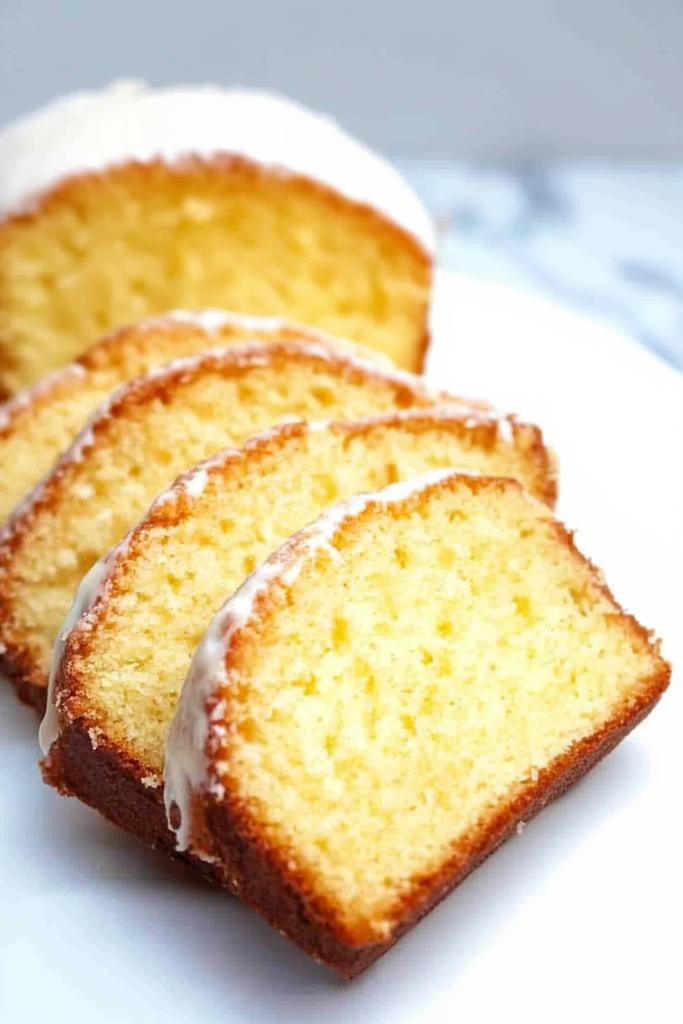
Making this Orange Pound Cake is not difficult, but it does have a few layers to it. Batter, syrup, glaze. That sounds like a lot maybe, but really it just means you’re building flavor in stages. And honestly, I think that’s why the finished cake tastes so complete. Every step has a job. No wasted motion. Very satisfying, in a slightly nerdy way.
Step 1: Prep the pans and preheat the oven
Start by preheating your oven to 350°F. Grease the bottoms and sides of two 9 x 5-inch loaf pans, dust them with flour, and tap out the excess. Then line the bottoms with parchment paper. I know. It sounds fussy. But pound cakes have a weird little talent for sticking exactly when your patience is already low, so I think this step is worth it.
Step 2: Cream the butter and sugar
In the bowl of a stand mixer fitted with the paddle attachment, cream the butter and sugar until light and fluffy, about 5 minutes. This step matters more than it looks like it should. You’re building texture here. The mixture should look pale and softer by the end, not dense and stubborn.
Step 3: Add the eggs and orange zest
Add the eggs one at a time while the mixer runs, beating well after each addition. Then add the orange zest. This is usually the point where the whole batter starts smelling like it knows exactly where it’s headed, and that’s always reassuring.
Step 4: Mix the dry ingredients
In a large bowl, sift together the flour, baking powder, baking soda, and salt. This keeps everything even and helps avoid little pockets of anything unpleasant.
Step 5: Mix the wet ingredients
In another bowl, stir together the orange juice, buttermilk, and vanilla. This is your liquid mixture, and it brings a lot of the brightness to the cake.
Step 6: Alternate dry and wet into the batter
Add the flour mixture and buttermilk mixture to the batter alternately, beginning and ending with the flour. Mix gently and only until combined. Overmixing is how a tender orange pound cake turns into something a little too firm and a little less lovable. So keep it gentle.
Step 7: Divide the batter and bake
Divide the batter evenly between the prepared loaf pans and smooth the tops. Bake for 40 to 50 minutes, or until a toothpick inserted in the center comes out clean. The cakes should be golden and your kitchen should smell like a very nice decision was made.
Step 8: Cool briefly in the pans
Let the loaves cool in the pans for 10 minutes. That gives them time to settle before you move them.
Step 9: Make the orange syrup
While the loaves cool, combine the orange juice and sugar in a small saucepan over medium heat. Stir until the sugar dissolves completely, then keep cooking for 3 more minutes. Remove it from the heat. This orange syrup is one of the best parts of the whole orange cake recipe, honestly. It’s what gives the loaves that extra moisture and that deep citrus finish.
Step 10: Soak the cakes
Turn the loaves out onto a wire rack set over a baking sheet. Use a toothpick to poke holes all over the tops and sides, then brush them generously with the syrup. Let it soak in, then brush again. This part feels delightfully over-the-top, and I mean that as praise. The loaves just drink it up.
Step 11: Cool completely
Let the cakes cool completely before glazing. Yes, waiting is a little rude here because the smell is already doing a lot. But glaze on a too-warm cake tends to lose all self-control.
Step 12: Make the glaze
Whisk together the confectioners’ sugar and 4 tablespoons of orange juice. Add a little more juice if needed until the glaze is thick but pourable. You want it to flow, not flood.
Step 13: Glaze the loaves
Pour the glaze over the tops of the loaves and let it drip down the sides. Then let it set for about 15 minutes before slicing. At this stage, the whole thing looks exactly like the sort of loaf people think took more effort than it actually did, which is always a nice bonus.
Storage Options
This Orange Pound Cake stores beautifully, which makes it one of my favorite make-ahead loaves. Once the glaze is set, you can wrap the cakes well or keep them in an airtight container at room temperature for up to 3 days. Thanks to the syrup, the cake stays moist really well, and I actually think the flavor gets even better after it sits for a bit. The orange seems to settle deeper into the crumb.
If you want to keep it longer, refrigerate it for about 5 to 6 days. I usually prefer this orange loaf cake at room temperature, though. The texture feels softer and the citrus flavor comes through more clearly. Straight-from-the-fridge cake is still good, just a little more reserved.
This orange pound cake recipe also freezes nicely. Wrap the cake, whole or sliced, and freeze for up to 2 months. I’m a big fan of freezing slices because it makes random coffee breaks feel surprisingly luxurious. Like, oh, you happen to have citrus cake waiting in the freezer? Very organized. Very impressive.
Variations & Substitutions
One of the nice things about this Orange Pound Cake is that it’s classic enough to hold its shape, but there’s still a little room to play. I wouldn’t change the structure too much, because it’s really good as written, but there are a few small twists that work beautifully if you feel like nudging it in another direction.
- Add poppy seeds: This turns it into more of an orange-poppy-seed loaf, which is always a very strong choice.
- Use lemon instead of orange: Then you’ve got a lemon pound cake situation, which is different but equally lovely.
- Add a tiny bit of almond extract: Orange and almond get along really well. Just a little goes a long way.
- Skip the glaze: You can. The syrup already does a lot of the moisture and flavor work, so the glaze is wonderful but not absolutely required.
- Bake it in a Bundt pan: This should work, though the baking time will need adjusting and maybe a tiny bit of extra courage when unmolding.
- Top with candied orange peel: Slightly fancy, very pretty, and honestly kind of delightful.
- Serve it plain with berries and whipped cream: A softer, less sweet finish that still feels special.
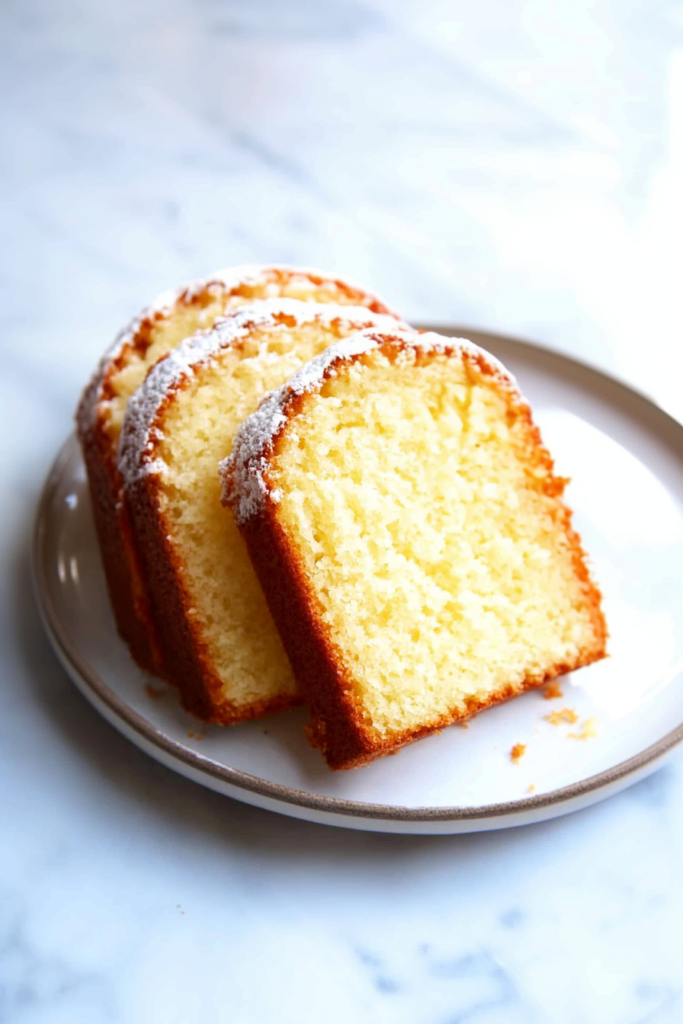
What to Serve With Orange Pound Cake?
This Orange Pound Cake is already lovely on its own, but a few little pairings can make it feel even more special. Or at least help you justify cutting another slice because now it’s “part of a whole plate.” I understand that logic very well.
- Coffee: Probably my favorite pairing. The slight bitterness of coffee works beautifully with the buttery citrus cake.
- Tea: Black tea, Earl Grey, or even chamomile all work really nicely with orange cake.
- Fresh berries: Strawberries, raspberries, or blueberries add a nice fresh contrast.
- Whipped cream: A little whipped cream makes the cake feel softer and more dessert-like.
- Vanilla ice cream: If you want to turn a slice of orange pound cake into an actual plated dessert, this is a very good move.
- Greek yogurt: For brunch, this makes the whole thing feel a little more balanced. Whether that’s true or not is between you and your plate.
- A citrusy brunch spread: Fruit salad, eggs, coffee, and slices of this orange loaf cake all together? Very easy to say yes to.
FAQ
Does Orange Pound Cake really taste strongly like orange?
Yes, and that’s one of the best things about it. The zest, juice, syrup, and glaze all work together so the orange flavor really comes through.
Can I use regular eggs instead of extra-large?
You can, though the texture may shift a little. Extra-large eggs are ideal if you want the recipe to behave exactly as written.
Do I need fresh orange juice?
Fresh really is best here. Since orange is the main flavor, it makes a noticeable difference.
Why do I need the orange syrup?
The syrup adds extra orange flavor and keeps the cake beautifully moist. It’s one of the things that makes this orange pound cake recipe feel a little more special.
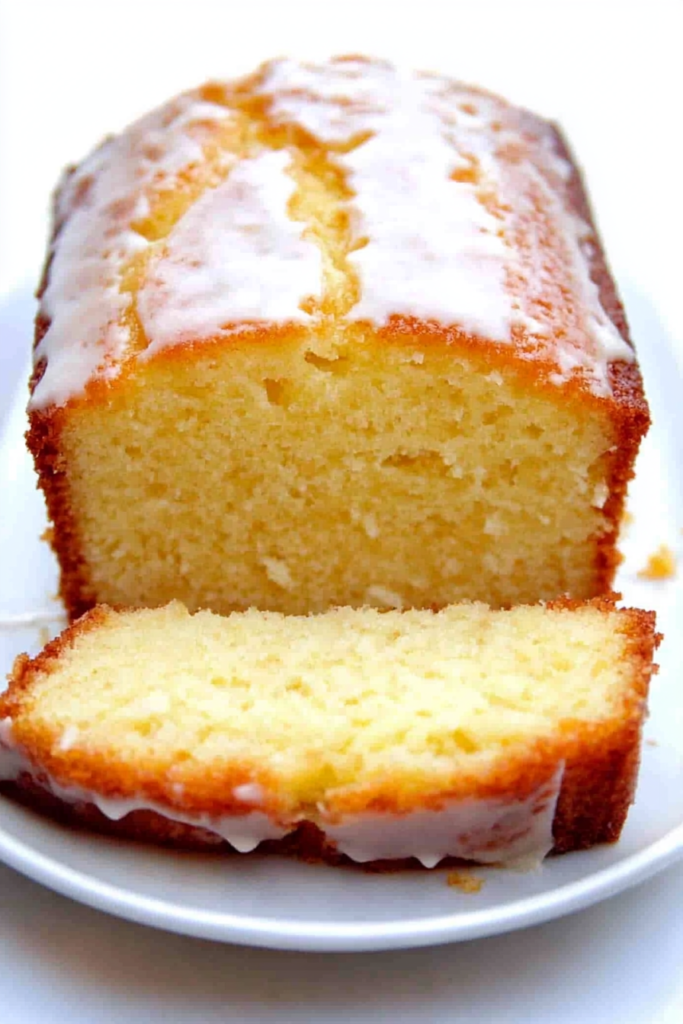
If you want a cake that feels buttery, bright, cheerful, and just a little more special than your average loaf, I really think this Orange Pound Cake is worth baking. It has all the comfort of a classic pound cake, but the orange gives it that sunny little twist that makes it feel fresh and more alive somehow.
I love cakes like this. The ones that smell amazing before they’re even out of the oven. The ones that look polished without acting difficult. The ones that quietly turn an ordinary afternoon into coffee-and-cake weather. So now I’m curious… if you made this Orange Pound Cake, would you serve it at brunch, eat it with coffee in the afternoon, or keep a loaf on the counter and pretend slicing “just one more little piece” several times a day is a completely normal plan?
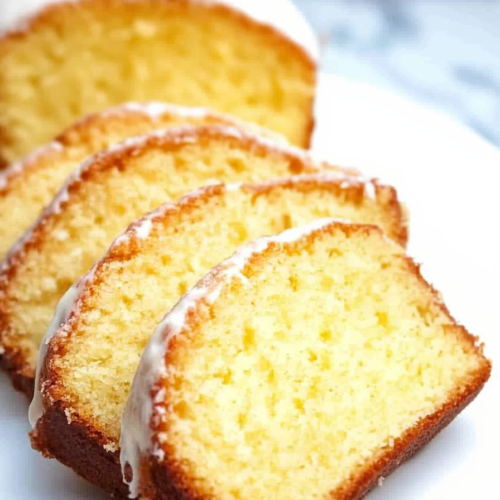
Orange Pound Cake
Ingredients
For the Pound Cake
- 1 c unsalted butter at room temperature
- 2 c granulated sugar
- 4 extra-large eggs at room temperature
- 1/3 c grated orange zest
- 3 c all-purpose flour
- 1/2 tsp baking powder
- 1/2 tsp baking soda
- 1 tsp kosher salt
- 1/4 c freshly squeezed orange juice
- 3/4 c buttermilk at room temperature
- 1 tsp pure vanilla extract
For the Orange Syrup
- 1/2 c fresh orange juice
- 1/2 c sugar
For the Orange Glaze
- 2 c confectioners’ sugar sifted
- 4 to 6 tbsp fresh orange juice
Instructions
Prepare the Pound Cake
- Preheat the oven to 350°F.
- Grease the bottoms and sides of two 9 x 5-inch loaf pans. Dust the pans with flour and tap out any excess. Line the bottoms with parchment paper.
- In the bowl of a stand mixer fitted with the paddle attachment, cream the butter and granulated sugar together until light and fluffy, about 5 minutes.
- With the mixer running on medium speed, add the eggs one at a time, mixing well after each addition.
- Add the orange zest and continue mixing until fully incorporated.
- In a large bowl, sift together the flour, baking powder, baking soda, and salt.
- In a separate small bowl, combine the orange juice, buttermilk, and vanilla extract.
- Add the flour mixture and the buttermilk mixture to the batter alternately, beginning and ending with the flour mixture. Mix just until combined after each addition. Do not overmix.
- Divide the batter evenly between the prepared loaf pans and smooth the tops.
- Bake for 40 to 50 minutes, or until a toothpick inserted into the center of a loaf comes out clean.
- Allow the loaves to cool in the pans for 10 minutes.
Prepare the Orange Syrup
- While the cakes are cooling, combine the orange juice and sugar in a small saucepan over medium heat.
- Stir until the sugar is completely dissolved, then continue cooking for 3 minutes. Remove from the heat.
Soak the Cakes
- Remove the loaves from the pans and place them on a wire rack set over a baking sheet.
- Use a toothpick to poke holes in the tops and sides of the loaves.
- Brush the loaves generously with the orange syrup. Allow the syrup to soak in, then brush again as needed.
- Let the cakes cool completely.
Prepare the Orange Glaze
- In a small bowl, whisk together the sifted confectioners’ sugar and 4 tablespoons of orange juice until smooth and thick but pourable.
- Add up to 2 more tablespoons of orange juice if needed to reach the desired consistency.
- Pour the glaze evenly over the tops of the cooled loaves and allow it to drip down the sides.
- Let the glaze set for about 15 minutes before slicing and serving.
Notes