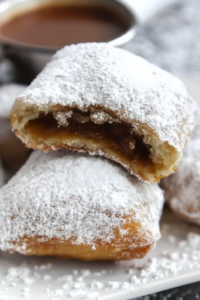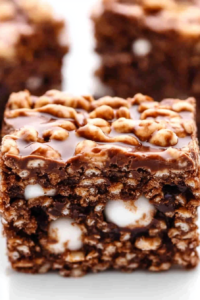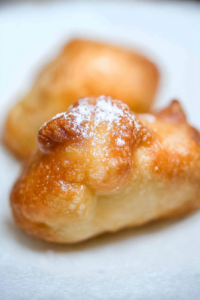
Lukewarm water, sugar, yeast, eggs, evaporated milk, bread flour, shortening, oil, and confectioners’ sugar make these French Quarter Beignets.
There are some recipes that feel like food, and then there are some that feel like a whole scene. French Quarter Beignets are definitely the second kind for me. The second I think about them, I can practically hear café noise in the background, feel powdered sugar landing on the table, and picture that first warm bite that makes you stop talking for a second. Sound familiar? Some foods are just louder in your memory. Beignets absolutely are.
The first time I made this French Quarter beignets recipe at home, I was a little too invested for a person just making fried dough in their kitchen. I wanted the puff. I wanted the softness. I wanted that light, airy middle that makes a beignet feel like a beignet instead of a sad little fried square with commitment issues. I also wanted the powdered sugar chaos. Not a light dusting. Not a tasteful sprinkle. I wanted the full snowy situation. And I got it. On the plate, on the counter, on my shirt. No regrets, really.
What I love most about these French Quarter Beignets is that they’re joyful in such a specific way. Messy. Warm. A little over-the-top. They remind me of travel cravings, weekend mornings that feel slower than usual, and those recipes that are worth a bit of flour on the floor and sugar in your hairline. There’s nothing sleek about them, and I think that’s part of why I love them. They’re not trying to be elegant. They’re trying to be irresistible. That feels honest.
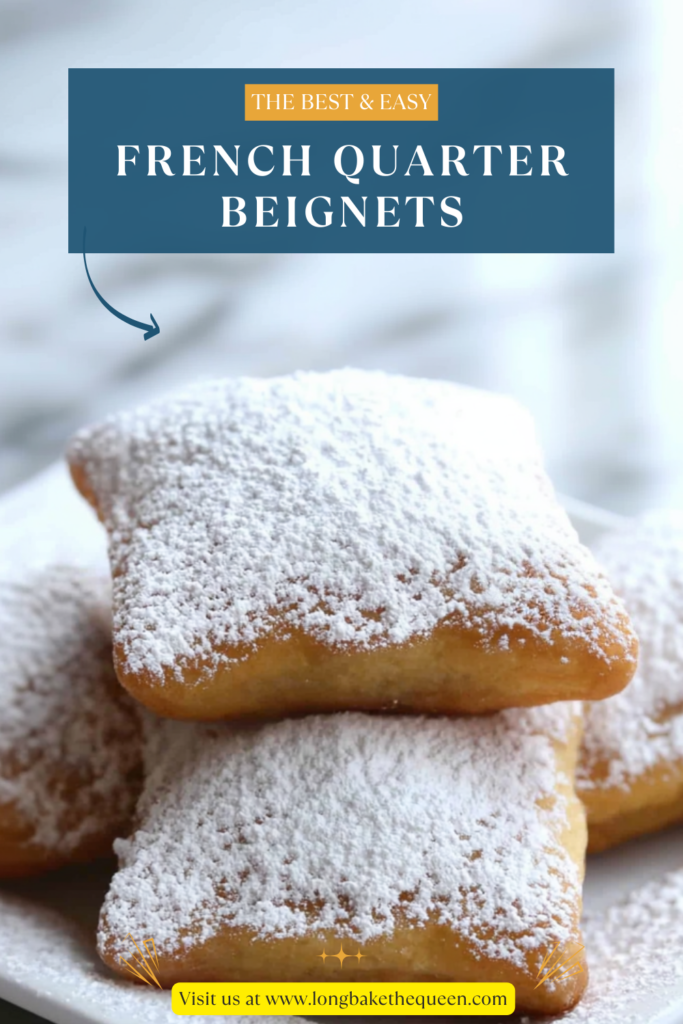
Why you’ll Love these French Quarter Beignets?
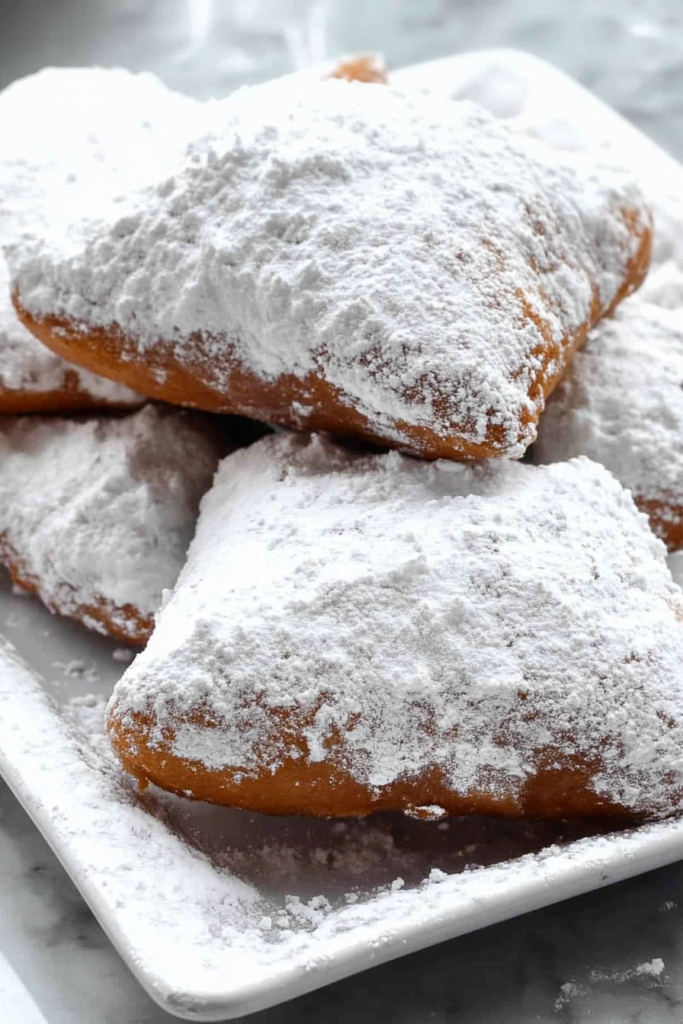
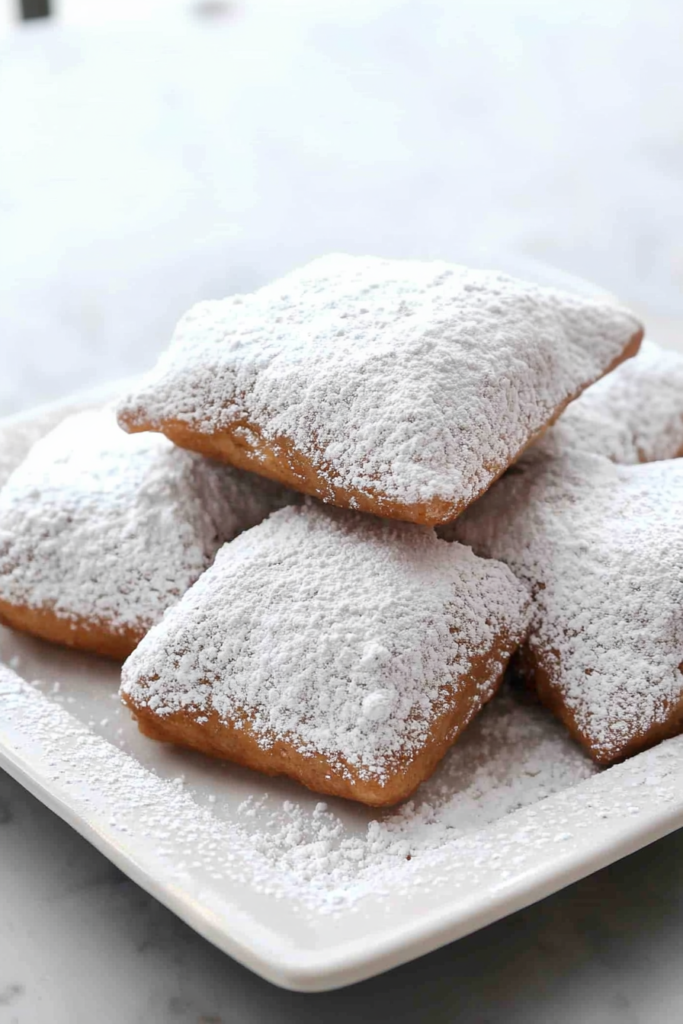
There are a lot of reasons to love these French Quarter Beignets, but the biggest one is the texture. When they’re right, they’re really right. The outside is lightly golden and delicate, and the inside is soft, airy, and almost hollow in the prettiest possible way. That balance matters. Too dense and they feel heavy. Too dark and they lose some of that tenderness. But when they land in the sweet spot? Oh, they’re magic.
Another reason this beignet recipe is worth making is the whole experience around it. This is not just “I made a pastry.” This is “I made a plate of warm fried dough and covered it in enough powdered sugar to alarm nearby adults.” It’s a mood. It’s a little event. I think some recipes are extra lovable because they bring atmosphere with them, and French Quarter Beignets absolutely do that. Do you agree? Because I think the best breakfast treats are the ones that make the kitchen feel different for an hour or two.
And honestly, I love that these classic beignets are a little messy. I mean that. Some foods are better when they leave evidence. A powdered sugar mustache. A trail of sugar on the counter. Someone laughing because they tried to take one polite bite and failed immediately. These warm beignets are not a neat little corner-of-the-plate dessert. They are a full, sugary commitment, and I kind of adore that.
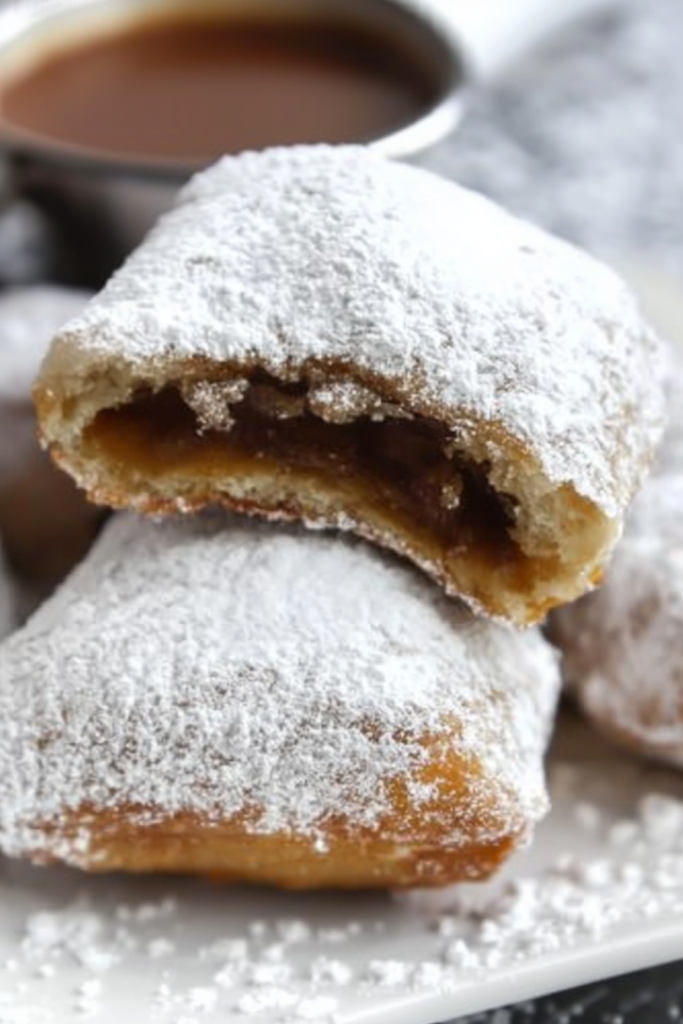
Ingredient Notes
One thing I appreciate about these French Quarter Beignets is that the ingredient list is simple. No hard-to-find extras. No ingredients that sound intimidating and then just sit in your pantry afterward judging you. It’s all familiar, but every single piece matters.
- Lukewarm water: This gets the yeast going. The temperature matters more than people think. Too cool and the yeast just sort of stares at you. Too hot and it gives up completely. Lukewarm is the sweet spot.
- Granulated sugar: Sugar adds sweetness, of course, but it also helps feed the yeast in the beginning. A little encouragement never hurts.
- Active dry yeast: This is what gives these French Quarter-style beignets their puff and airy interior. Without it, you don’t get that classic lift that makes them so good.
- Eggs: Eggs add richness and help give the dough a softer, more tender bite.
- Salt: Salt balances the sweetness and keeps the dough from tasting flat.
- Evaporated milk: I really like evaporated milk here. It adds a subtle richness and helps the dough feel more flavorful and a little more old-school in the best way.
- Bread flour: Bread flour gives the dough strength and structure. It helps the beignets puff while still keeping that soft chew inside.
- Shortening: Not glamorous, maybe, but useful. It helps tenderize the dough and contributes to that soft interior texture.
- Oil for deep-frying: A neutral oil is the best choice. You want the dough and sugar to be the stars, not the frying oil.
- Confectioners’ sugar: This is not a place for moderation. These homemade beignets need a generous coating. Anything less feels emotionally incorrect.
How to Make French Quarter Beignets?
Making French Quarter Beignets is not difficult, but it does ask for a little patience and a little attention. It’s one of those recipes that rewards you for being present. You can’t really rush yeast. You can’t really ignore hot oil. So it ends up being the kind of kitchen project that pulls you in a bit. I like that, even if I also complain about waiting while the dough rises.
Step 1: Wake up the yeast
In a large bowl, mix the lukewarm water, sugar, and yeast, then let it sit for about 10 minutes. This gives the yeast time to activate and start looking foamy and alive. That’s what you want. If it just sits there looking flat and uninterested, something went sideways. Usually temperature. Yeast can be touchy. Relatable, honestly.
Step 2: Mix the richer ingredients
In a small bowl, beat together the eggs, salt, and evaporated milk. Then stir that into the yeast mixture. This is where the dough starts moving beyond basic bread and into something richer and softer.
Step 3: Add the flour and shortening
Measure out the bread flour separately. Add 3 cups to the bowl first and stir to combine. Then add the shortening and continue stirring while adding the rest of the flour. At this point the dough starts feeling more serious. Less “sweet liquid in a bowl,” more “okay yes, this is becoming something.”
Step 4: Knead the dough
Turn the dough onto a lightly floured surface and knead it until smooth. You do not need to attack it. This is not stress management dough. Just steady kneading until it feels soft and elastic. I always find this part weirdly soothing, even though I also get flour everywhere.
Step 5: Let the dough rise
Spray a large bowl with nonstick spray, place the dough inside, and cover it with plastic wrap or a towel. Let it rise in a warm place for at least 2 hours. This is where the dough does all its impressive behind-the-scenes work. I always check it too early. Every time. It never rises faster because I’m staring at it, but apparently I still haven’t learned.
Step 6: Prepare the sugar and oil
Put the confectioners’ sugar into a paper or plastic bag and set it aside. Then heat 2 inches of oil in a heavy saucepan until it reaches 360°F. If the oil is too cool, the beignets absorb too much oil. Too hot, and the outside browns before the inside cooks through. Fried dough likes precision. Not too much. Just enough to keep you humble.
Step 7: Roll and cut the dough
Roll the dough out to about 1/4-inch thickness and cut it into 2 1/2-inch squares. This is where it starts to feel real. Suddenly you’re not just making dough anymore. You’re making beignets.
Step 8: Fry the beignets
Fry the dough squares, flipping them often, until they turn golden brown. They puff up quickly, which is honestly one of the most satisfying things in a kitchen. Little dough pillows, out here doing their best.
Step 9: Coat in powdered sugar
Drain them briefly on paper towels, then toss them into the bag of confectioners’ sugar. Hold the bag closed and shake until they’re thoroughly coated. Thoroughly. This is not the moment for restraint.
Step 10: Serve warm
Serve the beignets warm. That’s when they’re at their absolute best. Soft, airy, sweet, and just a little impossible to eat tidily.
Storage Options
I’ll be very honest here: French Quarter Beignets are best fresh. Very fresh. Warm from the fryer, still fluffy, still covered in enough powdered sugar to create mild concern. That’s their best life. That’s when the texture is right and the whole experience feels special.
If you do have leftovers, store them in an airtight container at room temperature for up to 1 day. They’ll still taste good, but they won’t have that same just-fried softness and delicacy. Fried dough always fades a little with time. It’s one of those “enjoy the moment” foods.
To reheat them, a low oven is better than the microwave. The microwave warms them up, yes, but it softens them in a less charming way. The oven helps a bit more. Not perfect, but better. I still think these are the kind of homemade beignets you make when you plan to enjoy them soon after frying, preferably with coffee and not much else on your schedule.
Variations & Substitutions
I’m a little sentimental about classic French Quarter Beignets, so I’m not usually in a hurry to reinvent them too much. But that said, once you’ve got the basic beignet dough and fry method down, there’s definitely room to have a little fun.
- Add cinnamon to the sugar: Not traditional, but warm and cozy and honestly very good.
- Serve with chocolate sauce: Slightly more dessert-y, less café-style, but still delicious.
- Use a vanilla glaze instead of powdered sugar: A different finish, but still lovely if you want something a little more polished.
- Add a little nutmeg to the dough: Just a touch gives the dough a warmer background note.
- Cut smaller squares: Mini beignets are great for brunch platters or sharing, assuming sharing is the plan.
- Fill them after frying: Pastry cream, chocolate, or jam would all be fun if you want to take them in a more bakery-window direction.
- Mix espresso powder into the sugar: Very extra, yes. Also kind of genius with coffee on the side.
What to Serve With French Quarter Beignets?
These French Quarter Beignets already feel like a whole moment, but pairing them with the right drink or a few extras makes the whole thing even better. This is where you really get that café-at-home feeling.
- Coffee: Strong coffee with warm beignets just makes sense. The bitterness balances all that powdered sugar beautifully.
- Café au lait: Probably my favorite pairing. It just feels right. Soft, warm, classic, and exactly the kind of thing you want next to a plate of powdered sugar-covered dough.
- Hot chocolate: Rich, cozy, slightly excessive. I support it.
- Fresh fruit: Berries or orange slices can brighten things up a little, especially if the sugar situation has gotten ambitious.
- Chocolate or caramel sauce: Great for dipping if you want the beignets to lean more dessert than breakfast.
- Whipped cream: Not necessary, but not unwelcome.
- A brunch spread: These fit beautifully next to eggs, fruit, and coffee if you’re making a full morning out of it.
FAQ
Why didn’t my beignets puff up?
Usually that comes down to yeast that didn’t activate properly, dough that needed more rise time, or oil that wasn’t hot enough.
What oil is best for frying beignets?
A neutral oil works best so the dough stays the focus.
Can I bake them instead of frying them?
You can try, but they won’t have the same classic beignet texture. Frying is really what gives them that signature feel.
How do I know when the oil is ready?
A thermometer is the easiest way. You want 360°F for the best result.
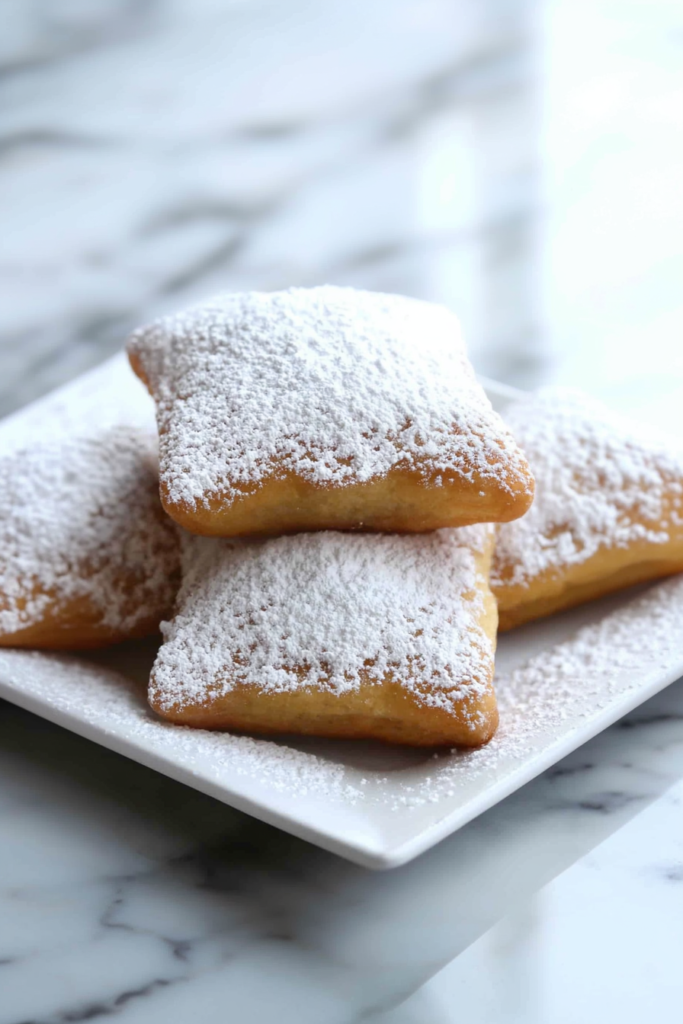
If you want a recipe that feels iconic, cozy, a little messy, and absolutely worth the powdered sugar all over your shirt, I really think these French Quarter Beignets are worth making. They’re warm, airy, golden, and just the kind of treat that makes an ordinary morning feel like more of an occasion.
I love recipes like this. The ones that make the kitchen feel alive. The ones that ask you to slow down just a little. The ones that aren’t tidy, but are completely worth it. So now I’m curious… are you serving these French Quarter Beignets with strong coffee, café au lait, or eating one warm at the counter while powdered sugar quietly takes over your entire life?
French Quarter Beignets
Ingredients
For the Dough
- 1 1/2 c lukewarm water 110°F
- 1/2 c granulated sugar
- 1 envelope active dry yeast
- 2 eggs slightly beaten
- 1 1/4 tsp salt
- 1 c evaporated milk
- 7 c bread flour
- 1/4 c shortening
- Nonstick spray
For Frying and Finishing
- Oil for deep-frying
- 3 c confectioners’ sugar
Instructions
Prepare the Dough
- In a large bowl, combine the lukewarm water, granulated sugar, and yeast.
- Let the mixture stand for 10 minutes.
- In a small bowl, whisk together the eggs, salt, and evaporated milk.
- Add the egg mixture to the yeast mixture and stir to combine.
- Measure the bread flour into a separate bowl.
- Add 3 cups of the flour to the yeast mixture and stir until combined.
- Add the shortening and continue stirring while gradually adding the remaining flour.
Knead and Rise
- Transfer the dough to a lightly floured surface.
- Knead until the dough becomes smooth and elastic.
- Lightly coat a large bowl with nonstick spray.
- Place the dough in the bowl and cover with plastic wrap or a clean towel.
- Let the dough rise in a warm place for at least 2 hours.
Prepare for Frying
- Place the confectioners’ sugar in a large paper bag or plastic bag and set aside.
- In a heavy saucepan that is at least 5 inches deep, heat about 2 inches of oil over medium heat until it reaches 360°F on a thermometer.
Shape and Fry the Beignets
- Roll the risen dough out on a lightly floured surface to about 1/4-inch thickness.
- Cut the dough into 2 1/2-inch squares.
- Fry the dough squares in batches, turning frequently, until they are golden brown on all sides.
- Remove the beignets from the oil and drain briefly on paper towels.
Coat and Serve
- Transfer the warm beignets to the prepared bag of confectioners’ sugar.
- Close the bag and shake gently until the beignets are thoroughly coated.
- Serve warm.
Notes