Old-fashioned Colonial Spoon Bread Recipe made with cornmeal, milk, eggs, butter, and baking powder. Soft, fluffy, and comforting just like early American kitchens.
A warm, fluffy corn dish that’s been charming dinner tables for generations.
I’ll tell you something funny. The first time someone mentioned spoon bread to me, I honestly thought they were joking. Bread… that you eat with a spoon? That sounded about as logical as soup you eat with a fork.
But curiosity wins a lot of battles in my kitchen, so I tried it anyway.
And wow. The first bite of this Colonial Spoon Bread Recipe was one of those little kitchen moments where you stop mid-chew and think, Wait… why haven’t I been making this forever?
It reminded me of the kind of food you’d find at an old farmhouse table. Nothing fancy. No trendy ingredients. Just simple things—cornmeal, milk, eggs—coming together in a way that feels almost magical.
One evening I made it on a rainy Sunday, the kind of day where the house feels quiet and the kitchen becomes the warmest place to be. The spoon bread puffed up in the oven while the windows fogged up from the steam of dinner cooking. When it came out, golden and soft, we scooped it straight from the pan with spoons.
No slicing. No fuss.
Just warm comfort.
And honestly, that’s kind of the beauty of this Colonial Spoon Bread Recipe. It feels old in the best possible way. Like something that existed long before Instagram recipes and complicated cooking techniques.
Sound familiar? Sometimes the simplest food carries the biggest memories.
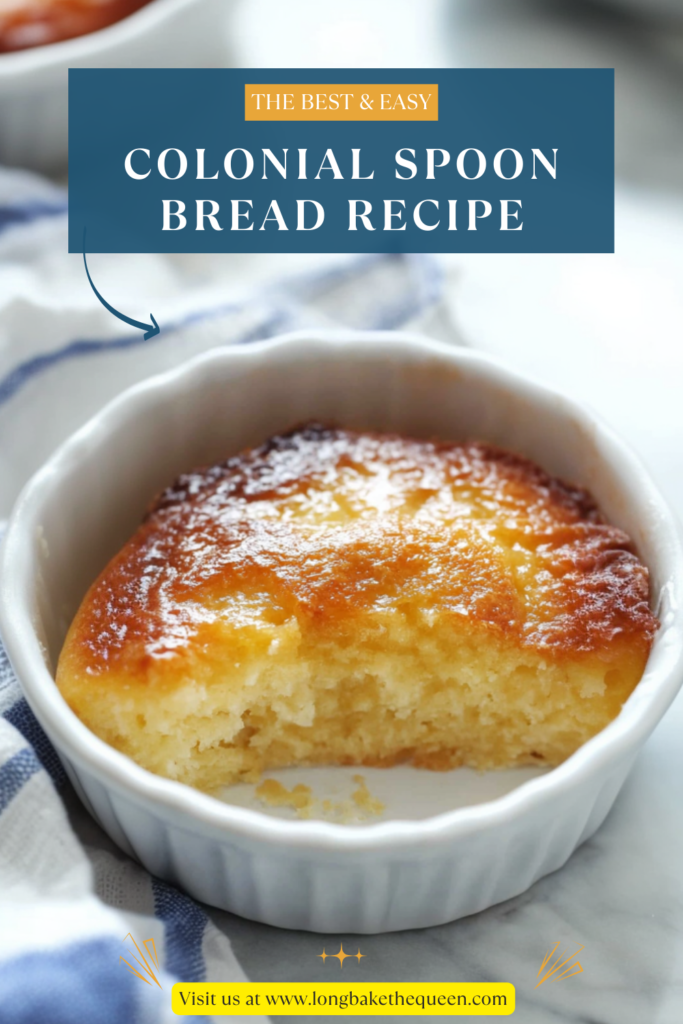
Why you’ll Love this Colonial Spoon Bread Recipe?
Here’s the thing about spoon bread—it doesn’t behave like normal bread. If you’re expecting something firm and sliceable like cornbread, this Colonial Spoon Bread Recipe will surprise you.
It’s soft. Fluffy. Almost cloud-like in the center.
Somewhere between cornbread and a savory pudding. I know that sounds a little strange, but once you taste it, the description actually makes sense.
Another reason I love this recipe is how uncomplicated it is. The ingredient list reads like something pulled straight from an early American pantry: cornmeal, milk, eggs, butter. That’s it.
No fancy mixers. No complicated steps. Just a saucepan, a whisk, and an oven.
And maybe it’s just me being sentimental, but there’s something oddly comforting about cooking a recipe that people were making hundreds of years ago. Early settlers adapted corn-based dishes from Native American cooking traditions, and somewhere along the way, colonial spoon bread became a staple in Southern kitchens.
So when you make this Colonial Spoon Bread Recipe, you’re not just making dinner. You’re continuing a tradition.
Pretty cool for something you serve with a spoon, right?
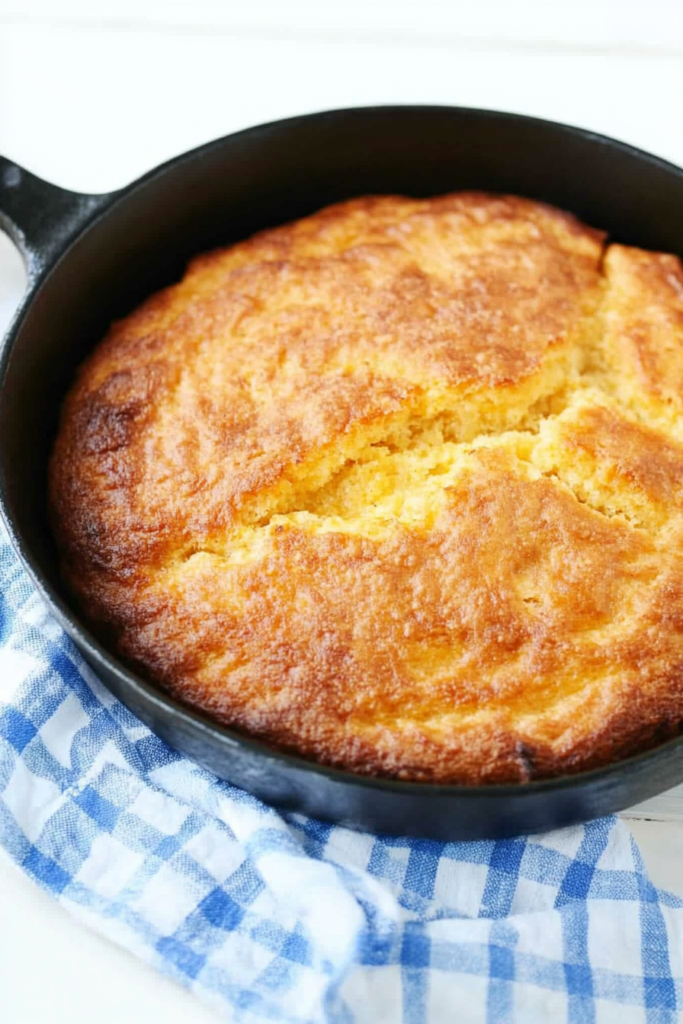
Ingredient Notes
The ingredients in this Colonial Spoon Bread Recipe are refreshingly simple, but each one plays an important role in creating that soft, airy texture.
- Cornmeal – Cornmeal is the backbone of spoon bread. It provides that warm, slightly nutty flavor and gives the dish its classic corn taste. A medium grind usually works best so the texture stays soft instead of gritty.
- Whole Milk – Whole milk keeps the spoon bread creamy and rich. Lower-fat milk can work in a pinch, but whole milk really helps achieve that smooth, fluffy interior.
- Water – Water helps hydrate the cornmeal as it cooks. It balances the richness of the milk so the mixture doesn’t become too heavy.
- Eggs – Eggs are responsible for the airy texture. When whisked with baking powder, they create tiny bubbles that help the spoon bread rise beautifully.
- Butter – Butter adds richness and flavor. And honestly, old recipes like this were never shy about using butter—and for good reason.
- Sugar – Just a small amount of sugar balances the natural earthiness of the cornmeal.
- Baking Powder – Baking powder provides lift and keeps the spoon bread from feeling dense.
- Salt – Salt enhances all the other flavors and gives the dish balance.
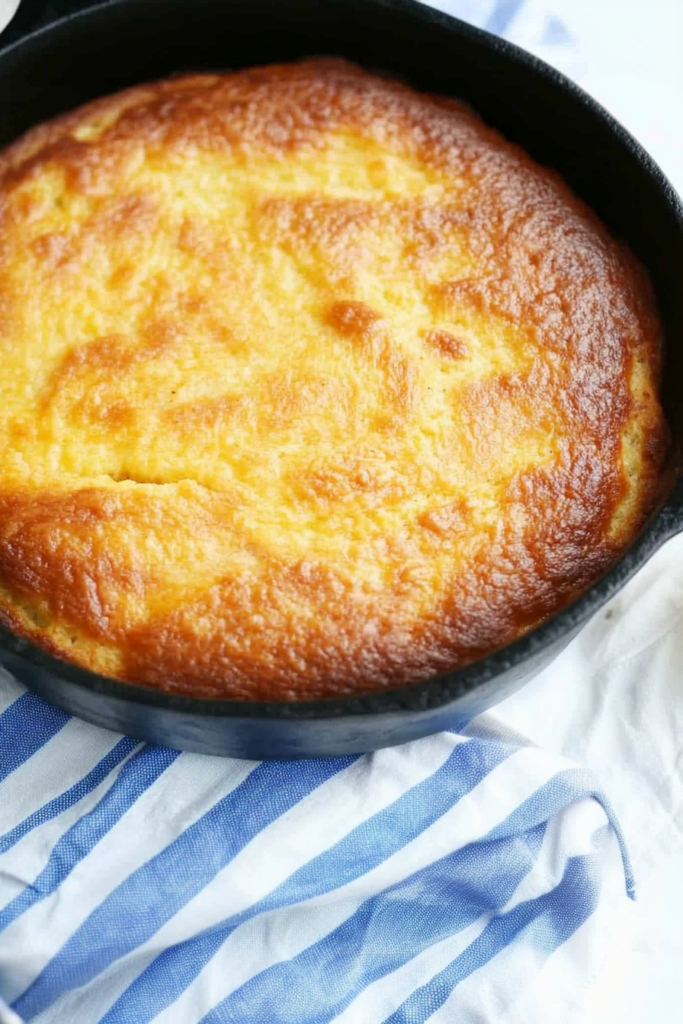
How to Make Colonial Spoon Bread Recipe?
Making this Colonial Spoon Bread Recipe is surprisingly relaxing. The process feels almost old-fashioned—in a comforting kind of way.
Step 1: Preheat the Oven
Start by preheating your oven to 350°F. Grease a 9×9 baking dish or cast-iron skillet generously with butter.
And yes, generous is the key word here. Spoon bread and butter are basically lifelong friends.
Step 2: Cook the Cornmeal Base
In a saucepan over medium-high heat, bring the water and milk to a gentle simmer.
Once it begins to steam, slowly whisk in the cornmeal, salt, sugar, and butter. Stir continuously as the mixture thickens.
Within a few minutes, it will resemble a creamy porridge. This is exactly what you want.
Step 3: Let It Cool Slightly
Remove the pan from heat and allow the mixture to cool for about five minutes.
This step might seem small, but it matters. If the mixture is too hot when you add the eggs, they could cook prematurely—and that’s definitely not part of the plan.
Step 4: Whip the Eggs
In a separate bowl, whisk the eggs and baking powder until the mixture becomes light and slightly frothy.
Those little air bubbles will help give the spoon bread its signature fluffiness.
Step 5: Combine the Mixtures
Gently fold the egg mixture into the cornmeal base until the batter is smooth and uniform.
At this stage the batter should look creamy and thick—almost like a soft custard.
Step 6: Bake the Spoon Bread
Pour the batter into the prepared baking dish and place it in the oven.
Bake for about 45 minutes, until the spoon bread is mostly set but still soft in the center. If the top starts browning too quickly, loosely cover it with foil.
And fair warning—your kitchen will smell incredible.
Step 7: Serve Warm
Remove the dish from the oven and dot the top with a little extra butter.
Then scoop generous spoonfuls onto plates.
That soft texture is exactly why this Colonial Spoon Bread Recipe has kept its place in American kitchens for centuries.
Some people enjoy it savory. Others add maple syrup, cinnamon sugar, or fruit. Honestly, both directions are delicious.
Storage Options
If you end up with leftovers of this Colonial Spoon Bread Recipe, it stores surprisingly well.
Allow the spoon bread to cool completely before transferring it to an airtight container. It will keep in the refrigerator for three to four days.
To reheat, warm it gently in the microwave or in a 300°F oven until heated through.
You can also freeze spoon bread for up to two months. The texture may soften slightly after thawing, but the flavor still holds up nicely.
Variations & Substitutions
The traditional Colonial Spoon Bread Recipe is wonderfully simple, but it also leaves room for creativity.
- Cheesy Spoon Bread – Add shredded cheddar or Monterey Jack cheese for a richer flavor.
- Herb Spoon Bread – Fresh herbs like chives or thyme add a fresh savory note.
- Sweet Spoon Bread – Increase the sugar slightly and drizzle honey or maple syrup on top.
- Spicy Spoon Bread – Add diced jalapeños for a subtle kick.
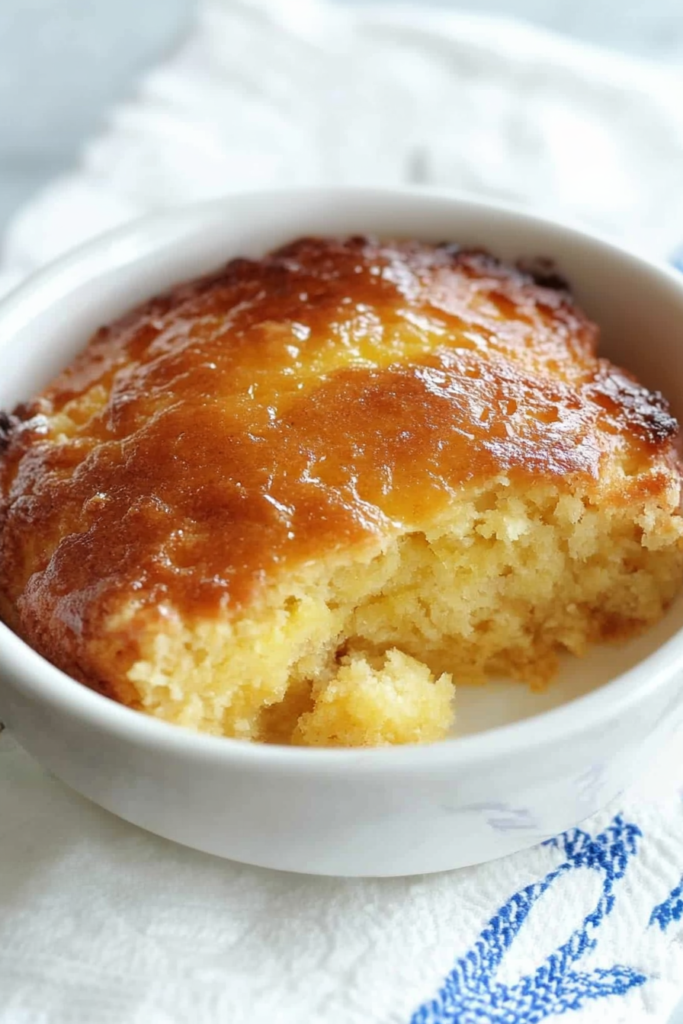
Recipes evolve over time—that’s probably why colonial spoon bread has lasted for centuries.
What to Serve With Colonial Spoon Bread?
This Colonial Spoon Bread Recipe pairs beautifully with a variety of comforting dishes.
- Roast Chicken – The soft corn flavor balances perfectly with roasted poultry.
- Barbecue Pork – Sweet corn and smoky barbecue are a classic combination.
- Southern Greens – Collard greens or mustard greens make a traditional pairing.
- Hearty Stews – Spoon bread is perfect for soaking up rich stews and gravies.
FAQ
Why is it called spoon bread?
Unlike traditional bread, colonial spoon bread is soft enough to be served with a spoon rather than sliced.
Is spoon bread the same as cornbread?
Not exactly. Cornbread is firmer and sliceable, while spoon bread is lighter, softer, and more custard-like.
Can I make spoon bread ahead of time?
Yes. This Colonial Spoon Bread Recipe can be baked earlier in the day and reheated gently before serving.
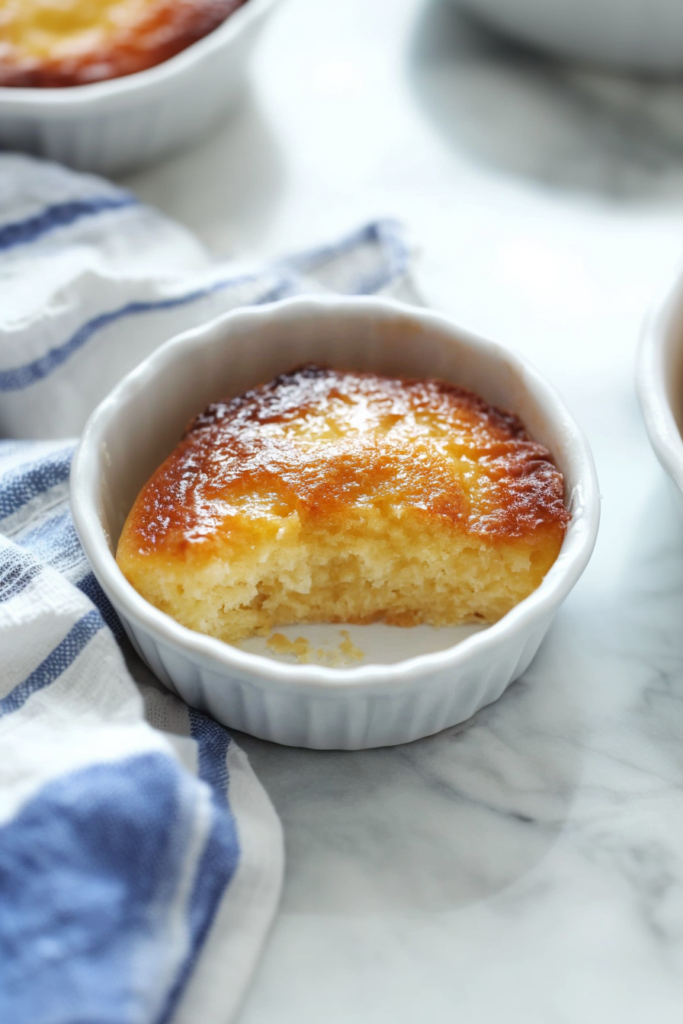
There’s something quietly comforting about recipes like this Colonial Spoon Bread Recipe. They aren’t flashy. They aren’t trendy. But they’ve lasted for centuries for a reason.
So if you decide to make this old-fashioned colonial spoon bread, I’d love to know—do you keep it savory, or drizzle a little maple syrup on top?
Either way, pull up a spoon and dig in. I have a feeling this one might become a regular in your kitchen too.
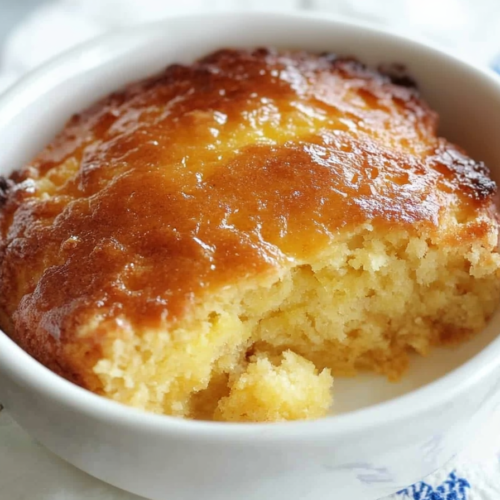
Colonial Spoon Bread Recipe
Ingredients
- 1 ½ cups water
- 2 cups whole milk
- 1 ½ cups cornmeal
- 1 ¼ teaspoons salt
- 1 ½ teaspoons sugar
- 2 tablespoons unsalted butter plus additional butter for serving
- 3 large eggs
- 1 tablespoon baking powder
Instructions
Preheat the oven
- Preheat the oven to 350°F (175°C). Generously grease a 9 × 9-inch baking dish or a 9-inch cast-iron skillet with butter to prevent sticking and ensure easy serving.
Heat the liquid base
- In a medium saucepan set over medium-high heat, combine the water and whole milk. Bring the mixture to a gentle simmer, stirring occasionally to prevent scorching.
Cook the cornmeal mixture
- Gradually whisk the cornmeal into the hot milk mixture. Add the salt, sugar, and butter, continuing to whisk constantly. Cook the mixture until it thickens to a porridge-like consistency, approximately 3 minutes.
Allow the mixture to cool slightly
- Remove the saucepan from the heat and allow the cornmeal mixture to cool for about 5 minutes. This step ensures the eggs incorporate smoothly without cooking prematurely.
Prepare the egg mixture
- In a separate mixing bowl, whisk together the eggs and baking powder until the mixture becomes light and slightly frothy.
Combine the mixtures
- Gently fold the egg mixture into the cooled cornmeal mixture. Stir until the batter is fully combined and uniform in color.
Transfer to baking dish
- Pour the prepared batter into the greased baking dish or skillet, spreading it evenly.
Bake the spoon bread
- Bake for approximately 45 minutes, or until the spoon bread is mostly set with a lightly golden top. If the surface begins browning too quickly, loosely cover with aluminum foil.
Serve
- Remove from the oven and allow the spoon bread to rest briefly. Dot the top with additional butter if desired. Serve warm by scooping portions with a spoon. Optional toppings include maple syrup, cinnamon sugar, or fresh fruit.
Notes
- Use certified gluten-free cornmeal, as some brands may be processed in facilities that handle wheat.
- Confirm that the baking powder is labeled gluten-free.
- Check ingredient labels on packaged products such as butter or milk if strict gluten avoidance is necessary.