Coconut, graham crackers, sugar, butter, coconut milk, whole milk, egg yolks, cornstarch, vanilla, heavy cream, and rum.
I have a weakness for desserts that feel a little old-fashioned in the best way, and Coconut Cream Pie is absolutely one of them. It’s the kind of pie that looks calm and classic sitting in the fridge, but then you cut into it and suddenly everyone in the kitchen gets very interested. Funny how that happens, right?
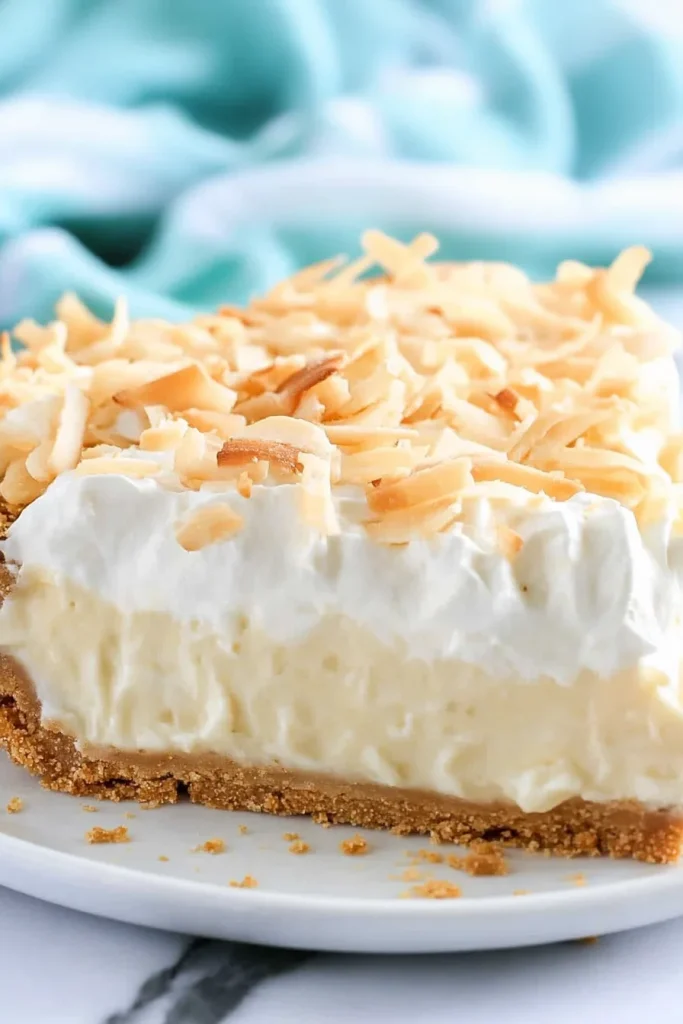
This Coconut Cream Pie is made from scratch with a buttery graham cracker crust, toasted coconut, a thick coconut cream filling, fluffy whipped cream, and one last sprinkle of golden coconut on top. It’s creamy, cold, rich, and full of coconut flavor without tasting fake or overly sweet. And yes, it takes a little effort. Not a crazy amount, but enough that you’ll feel proud when you slice it.
I’ll be honest, homemade cream pies used to make me a tiny bit nervous. Custard can feel dramatic. You’re whisking, watching, waiting, wondering, Is this thick enough? Did I just make pudding? Is pudding pie? But once the filling turns glossy and thick, it’s such a satisfying little kitchen moment. Like you just passed a quiet baking test while standing there with a whisk and probably a spoon in the sink already.
This homemade Coconut Cream Pie is perfect for holidays, Easter, birthdays, summer dinners, Sunday dessert, or those family meals where everyone says they’re too full until dessert appears. Then suddenly, magically, there’s room. Dessert stomach. I don’t know the medical details, but I believe in it.
This Coconut Cream Pie reminds me of the kind of dessert you’d see under a glass dome at a small diner or sitting proudly on a holiday dessert table beside banana pudding, chocolate cake, and somebody’s “famous” cookies. It’s not flashy. It doesn’t need gold sprinkles or three layers of frosting. It just sits there looking creamy and confident, like it knows it’s going to be the slice people come back for.
The first time I made a coconut cream pie from scratch, I remember feeling weirdly attached to the filling. I was standing over the saucepan, whisking like my reputation depended on it, and thinking, Please thicken. Please don’t scramble. Please be pie. And for a few minutes, it looks like nothing is happening. Then suddenly the mixture changes. It thickens, turns silky, and a few bubbles pop on the surface. It’s such a small thing, but I felt genuinely proud. Not “I won a baking competition” proud. More like, “Okay, maybe I do know what I’m doing in this kitchen sometimes” proud.
What I love about this homemade Coconut Cream Pie is that every layer brings coconut flavor in a different way. The crust has toasted coconut mixed into the graham cracker crumbs. The filling has coconut milk and shredded coconut. The top gets a sprinkle of toasted coconut too. It sounds like a lot, and maybe it is a little extra, but it doesn’t feel too much. It feels layered. Creamy, nutty, sweet, and soft. Like a coconut dessert that actually decided to commit.
The toasted coconut is probably my favorite little detail. Toasting coconut always feels slightly risky because it goes from pale to golden to “oops” faster than I’d like to admit. You can’t wander off and fold laundry or check your phone. It demands attention. But when it turns golden and smells warm and nutty, it makes the whole kitchen feel like a tiny beach bakery. Not that I’ve been to a beach bakery recently, but you get the idea. Coconut has that vacation energy, even when you’re just in your regular kitchen wearing slippers.
And then there’s the waiting. This Coconut Cream Pie needs at least 3 hours to chill, which is honestly a bit rude when you’ve already done the work. But the chill time is what gives the filling that clean, sliceable texture. If you cut it too early, you may get more of a coconut pudding landslide than a pie slice. Still delicious, yes, but not exactly the proud dessert-table moment we’re going for. Patience is annoying. Unfortunately, it helps.

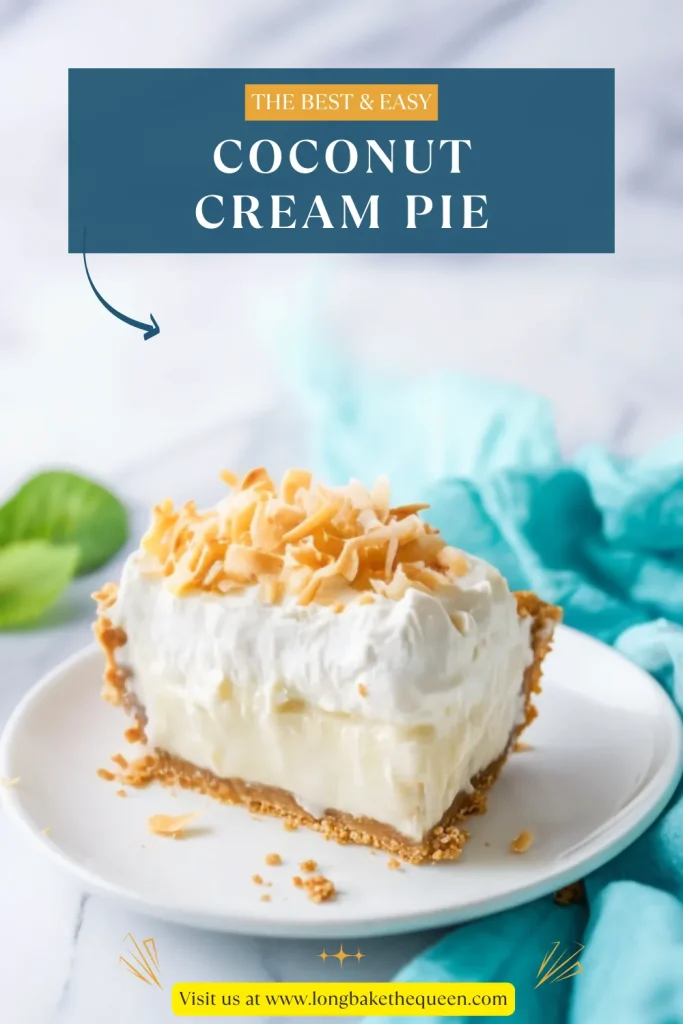
Why you’ll Love this Coconut Cream Pie?
- It’s made completely from scratch, and you can taste it. This Coconut Cream Pie doesn’t use boxed pudding or a shortcut filling, and I think that’s what makes it feel so special. The filling is made with coconut milk, whole milk, shredded coconut, sugar, egg yolks, cornstarch, vanilla, and butter, so it has a real homemade flavor and that creamy custard texture that boxed mixes just don’t quite give. I’m not against shortcuts when life is chaotic — absolutely not — but for this pie, the scratch-made filling really does make a difference. It tastes richer, fresher, and more like something you’d proudly bring to a family table.
- It has coconut flavor in every layer. This is not one of those coconut desserts where you take a bite and wonder where the coconut went. In this Coconut Cream Pie, coconut shows up in the crust, the filling, and the garnish. You get toasted coconut in the graham cracker crust, shredded coconut in the custard, coconut milk for richness, and more toasted coconut on top. It’s creamy, nutty, and a little chewy in the best way. If you love coconut, this pie gets it right. If you only kind of like coconut, well… this might be the one that nudges you over.
- The filling is thick, creamy, and sliceable. A good Coconut Cream Pie should be soft and creamy, but it should still hold together when you cut it. This filling uses egg yolks and cornstarch to set into a pudding-like texture that firms up beautifully after chilling. It’s not stiff or rubbery, thank goodness. It’s just thick enough to give you a pretty slice, but still creamy enough to melt when you eat it. There’s a fine line there, and this pie walks it nicely.
- The graham cracker coconut crust is easier than pastry. I love a traditional pie crust, but sometimes I do not want to roll dough. Maybe you feel the same? This coconut cream pie recipe uses graham crackers, toasted coconut, sugar, and melted butter to make a crust that’s crisp, buttery, and full of flavor. No rolling pin, no flour-covered counter, no worrying about shrinking dough. You just press it into the pie plate and bake it. It’s simple, but it doesn’t taste lazy. Big difference.
- The whipped cream topping is light and soft. The whipped cream topping keeps this Coconut Cream Pie from feeling too heavy. It’s made with chilled heavy cream, sugar, vanilla, and a little dark rum, though the rum is totally optional. The topping is whipped until it barely holds stiff peaks, so it stays fluffy and cloud-like instead of dense. I like that it adds sweetness without fighting the coconut filling. It’s just there being soft and lovely. A whipped cream cloud, basically.
- It’s a great make-ahead dessert. Since this pie needs time to chill, it works really well when you want to prepare dessert before guests arrive. You can make the crust and filling earlier, let the Coconut Cream Pie set in the fridge, and add the whipped cream before serving. I love a dessert that forces me to plan ahead but then rewards me later. Future-you gets to pull a beautiful pie from the fridge and act calm. We love that.
- It feels impressive without being impossible. This homemade coconut cream pie looks like something that took skill, and yes, there are a few steps, but nothing is too complicated. Toast coconut, make crust, cook filling, chill, whip cream, garnish. That’s the rhythm. It’s more involved than opening a package, sure, but it’s not scary. It’s the kind of recipe that makes you feel like a confident home baker without requiring pastry school or a tiny hat.
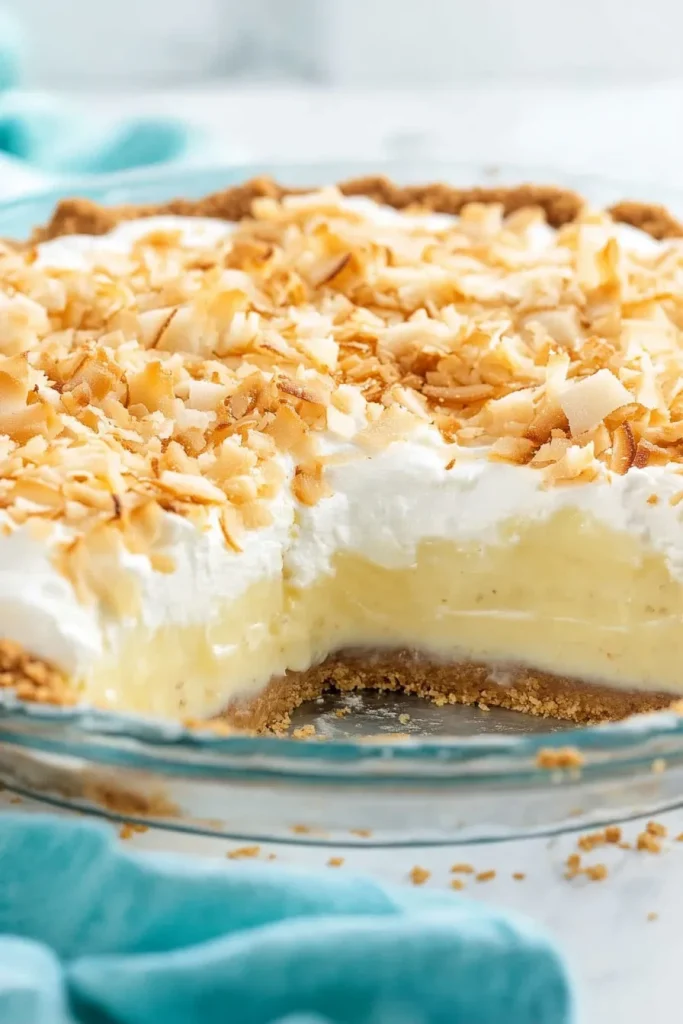
Ingredient Notes
The ingredients in this Coconut Cream Pie are simple, but they each have a job. The toasted coconut and graham crackers make the crust flavorful and crisp. The coconut milk, whole milk, egg yolks, and cornstarch create a thick filling. The whipped cream topping keeps everything light. It’s one of those recipes where the ingredients are ordinary enough, but together they make something that feels a little special.
- Unsweetened Shredded Coconut: Unsweetened shredded coconut is used in both the crust and filling, and it gives this Coconut Cream Pie real coconut flavor instead of just a vague tropical hint. Toasting some of the coconut for the crust brings out a nutty, golden flavor, while the shredded coconut in the filling adds texture and little coconutty bites. I prefer unsweetened coconut because it keeps the pie from becoming too sweet. There’s already sugar in the crust, filling, and whipped cream, so the coconut doesn’t need to arrive wearing extra sweetness.
- Graham Crackers: Graham crackers make the crust easy, buttery, and familiar. When they’re pulsed with toasted coconut and mixed with melted butter, they become a crisp base that works beautifully with the creamy filling. A graham cracker crust gives this Coconut Cream Pie a cozy, old-fashioned feel. It’s not as formal as pastry crust, and honestly, that’s part of the charm. It feels like the kind of pie you bring to a family dinner where people actually want dessert, not just admire it.
- Granulated White Sugar: Sugar is used in all three parts of this pie: the crust, the coconut filling, and the whipped cream topping. In the crust, it adds sweetness and helps the crumbs hold together. In the filling, it balances the coconut milk and egg yolks. In the whipped cream, it gives just enough sweetness so the topping doesn’t taste plain. This Coconut Cream Pie is definitely dessert, but it shouldn’t taste like pure sugar. The coconut still needs room to shine.
- Butter: Melted butter holds the graham cracker crust together, while unsalted butter is whisked into the filling at the end for richness. In the crust, butter helps the crumbs bake into a firm base. In the filling, it makes the custard glossy and smooth. Butter is one of those ingredients that doesn’t always announce itself, but you’d miss it if it weren’t there. Quietly important. Like someone who brings extra napkins to a potluck.
- Coconut Milk: Canned coconut milk gives this Coconut Cream Pie its rich coconut flavor and creamy body. Make sure to stir the can well before using it because the thick cream often separates from the liquid. You want it blended together so the filling cooks evenly. Also, this is the time for canned coconut milk, not the thinner coconut drink from a carton. The carton stuff is fine for smoothies, maybe, but this pie needs the richer kind.
- Whole Milk: Whole milk lightens the coconut milk just enough while still keeping the filling creamy. It helps the custard cook smoothly and keeps the texture from feeling too heavy. I wouldn’t use skim milk here if you can avoid it. Cream pie should be creamy, you know? Whole milk gives the filling that soft, rich texture without making it feel like coconut cement.
- Salt: A little salt helps balance the sweetness in this Coconut Cream Pie. It doesn’t make the pie taste salty; it just makes the coconut, vanilla, and butter flavors taste more complete. Creamy desserts can taste a little flat without salt, even when they’re sweet. It’s a small amount, but it matters. Salt is doing quiet background work, and I respect that.
- Egg Yolks: Egg yolks are what give the filling richness, color, and that classic custard feel. This recipe uses 5 large egg yolks, which makes the coconut filling thick and smooth once cooked. The main thing is to temper the yolks slowly with the hot milk mixture so they don’t scramble. I know “tempering” sounds like something from a baking textbook, but it just means warming the eggs gently so they don’t panic. Eggs are dramatic when rushed.
- Cornstarch: Cornstarch helps thicken the filling and gives this Coconut Cream Pie its sliceable texture. Whisk it well with the egg yolks and sugar so there are no hidden lumps. Once the filling cooks, the cornstarch helps it set into a pudding-like consistency. Without enough thickening, the pie can turn runny, and while coconut pudding is not a tragedy, it’s not exactly pie either. We want slices, not spoonfuls. Well, mostly slices.
- Vanilla Extract: Vanilla adds warmth to both the filling and the whipped cream topping. It rounds out the coconut flavor and makes the pie taste softer and more balanced. Coconut and vanilla together have such a gentle, cozy flavor. A little tropical, a little bakery-like, and not too loud. It’s a small ingredient, but in a creamy pie like this, it really shows up.
- Heavy Cream: Heavy cream is whipped into the soft topping for this Coconut Cream Pie. Use chilled cream, and if your kitchen is warm, chilling the bowl helps too. Cold cream whips better and holds its shape more easily. You want the topping fluffy and barely stiff, not overbeaten. Whipped cream can go from dreamy to grainy faster than you’d expect, which feels a bit unfair, but there we are.
- Dark Rum: Dark rum adds a little warmth and depth to the whipped cream topping. It pairs beautifully with coconut, almost like a tiny tropical note in the background. But if you don’t want to use alcohol, skip it. You can add a little extra vanilla instead. The rum is a nice touch, not a requirement. This Coconut Cream Pie will still be creamy and lovely without it.
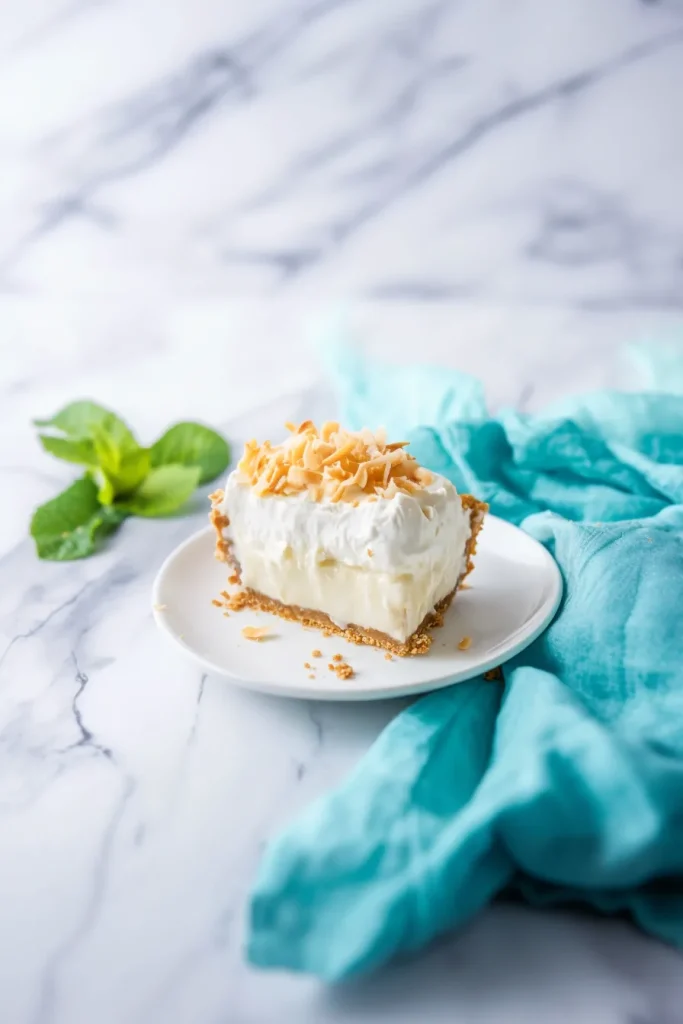
How to Make Coconut Cream Pie?
Making Coconut Cream Pie from scratch has three main parts: the crust, the filling, and the whipped cream topping. That might sound like a lot at first, but it’s really just one step after another. Toast the coconut, bake the crust, cook the filling, chill the pie, then top it with whipped cream. The only part that asks for patience is the chilling, and yes, I know that’s the hardest part emotionally.
- Toast the coconut. Preheat the oven to 325°F. Add 5 tablespoons of unsweetened shredded coconut to a large skillet and toast it until golden brown, stirring often. Don’t wander away here. Coconut is sneaky and can go from perfectly golden to burnt little confetti in a blink. Once toasted, remove it from the heat and reserve 1 tablespoon for garnishing the finished pie. Toasted coconut gives this Coconut Cream Pie a nutty flavor that makes the whole dessert taste more homemade and layered.
- Make the graham cracker crumbs. Add the graham cracker pieces and the remaining 4 tablespoons of toasted coconut to a food processor. Pulse until the mixture turns into fine crumbs. If you don’t have a food processor, crush the graham crackers in a sealed bag with a rolling pin and chop the coconut finely. It won’t be quite as even, maybe, but it’ll still work. Sometimes homemade means using the tools you’ve got and not pretending we all have a perfect kitchen setup.
- Mix the crust ingredients. Pour the graham cracker and coconut crumbs into a medium bowl, then stir in the sugar. Add the melted butter and mix with a fork until the crumbs are evenly moistened. The mixture should look like damp crumbs that hold together when pressed. If there are dry patches, keep mixing. A good crust needs the butter distributed well so it doesn’t crumble apart later. Crust has one job: hold the creamy coconut filling with dignity.
- Press and bake the crust. Transfer the crumb mixture to a 9-inch glass pie plate and press it firmly across the bottom and up the sides. Use the bottom of a glass to pack it down evenly. This step helps the crust hold its shape when sliced. Bake for about 20 minutes, or until the crust is golden brown. Then remove it from the oven and let it cool while you make the filling. The crust needs to cool before the filling goes in, otherwise things can get too soft too fast.
- Start the coconut filling. In a medium saucepan over medium-high heat, combine the well-stirred coconut milk, whole milk, shredded coconut, 1/3 cup of the sugar, and salt. Bring the mixture to a simmer, stirring occasionally so the sugar dissolves. It should get steamy and gently bubbly around the edges. This is where the filling starts smelling like coconut in the best way, and you may suddenly feel very confident about your dessert choices.
- Whisk the egg yolk mixture. In a medium bowl, whisk together the egg yolks, remaining 1/3 cup sugar, and cornstarch until the mixture is smooth and lump-free. It should look thick and pale. Take a little time with this step because cornstarch likes to hide in small clumps, and those clumps can show up later in the filling. Nobody invited them. A smooth start makes a smoother Coconut Cream Pie filling.
- Temper the eggs. Slowly whisk the hot milk mixture into the egg yolk mixture, adding it gradually while whisking constantly. This warms the egg yolks gently so they don’t scramble. Then return the mixture to the saucepan. Tempering might sound fancy, but really it’s just treating the eggs with a little patience. If you rush them, they get dramatic. If you ease them in, they behave.
- Cook the filling until thick. Place the saucepan back over medium heat and bring the mixture to a simmer, whisking constantly. Keep whisking until the filling thickens and a couple of bubbles burst on the surface. This takes about 30 seconds once it reaches a pudding-like consistency. The filling should be thick, creamy, and smooth. Don’t stop whisking during this part. Custard is like a toddler near a marker — look away too long, and things can go sideways.
- Finish the filling with vanilla and butter. Remove the saucepan from the heat and whisk in the vanilla extract and butter pieces. The butter will melt into the filling, making it glossy and rich. The vanilla softens the coconut flavor and makes the custard taste rounded and warm. At this point, the filling is going to look very spoon-worthy. Try to remember it has a pie crust waiting. Try.
- Fill and chill the pie. Pour the warm coconut filling into the cooled graham cracker crust and smooth the top. Cover the pie with plastic wrap, pressing it close to the surface of the filling to help prevent a skin from forming. Refrigerate the Coconut Cream Pie until firm, at least 3 hours. This is the waiting part. Not fun, but necessary. The filling needs time to set so you get clean, creamy slices instead of coconut custard chaos.
- Make the whipped cream topping. When you’re ready to serve, beat the chilled heavy cream and sugar in a chilled metal bowl on medium speed until soft peaks form. Add the dark rum and vanilla, then continue beating until barely stiff peaks form. The whipped cream should hold its shape but still look soft and fluffy. Don’t overbeat it. Whipped cream seems innocent, then suddenly it gets grainy. A little betrayal, honestly.
- Top and garnish the pie. Spread the whipped cream evenly over the chilled filling, then sprinkle the reserved 1 tablespoon toasted coconut over the top. Serve the pie cold for the best texture. Each slice should have the buttery graham cracker coconut crust, thick coconut filling, fluffy whipped cream, and a little toasted coconut crunch. It’s a very good forkful. Maybe two forkfuls. Maybe a whole slice.
Storage Options
This Coconut Cream Pie needs to stay refrigerated because it has a custard filling and whipped cream topping. Cream pies are not counter cakes. They like to be cold, covered, and treated gently. The crust is crispiest the day the pie is assembled, but leftovers are still creamy and delicious for a few days. Just keep everything wrapped so the pie doesn’t pick up random fridge flavors. Coconut onion pie is not the goal.
- Refrigerator: Store leftover Coconut Cream Pie covered in the refrigerator for up to 3 to 4 days. Keep it in the pie plate and cover it gently with plastic wrap, or place it in a covered pie container if you have one. The filling stays creamy and firm, though the crust may soften a little after the first day. That’s normal with cream pies. Not ideal if you’re a crisp crust person, but still very tasty.
- Before Serving: Keep the pie chilled until shortly before serving. Since the filling and whipped cream are dairy-based, the pie should not sit out too long at room temperature. About 1 to 2 hours is a reasonable serving window, especially if your kitchen is warm. This Coconut Cream Pie is refreshing when cold, but it gets less charming if it sits around too long. Same could be said for many of us, honestly.
- Make-Ahead Storage: You can make the crust and filling ahead of time, then chill the pie until firm. For the freshest whipped cream topping, add it shortly before serving. If you need to add the topping a few hours early, that works too; just keep the pie refrigerated. I like this option for holidays or family dinners because dessert feels handled before the rest of the kitchen gets chaotic. Small mercy.
- Freezing: I do not really recommend freezing this Coconut Cream Pie. Custard fillings can become watery or grainy after thawing, and whipped cream can lose its fluffy texture. If you absolutely must freeze it, freeze the pie without the whipped cream topping and expect some texture changes. But if you want the best creamy texture, the refrigerator is the better choice. Cream pie and freezer are not exactly best friends.
- Storing Slices: If you have individual slices left, place them in an airtight container and refrigerate. This helps keep the filling fresh and prevents the pie from absorbing fridge smells. Cream pies are weirdly good at picking up flavors from nearby leftovers, and nobody wants a slice of coconut pie that tastes faintly like last night’s garlic. Cover it well. Your future slice deserves respect.
- Keeping the Crust From Getting Too Soft: Cream pies naturally soften the crust over time, but cooling the crust completely before adding the filling helps. Also, make sure the filling is fully thickened before pouring it into the crust. A loose filling can make the crust soggy faster. This homemade Coconut Cream Pie is best once fully chilled and freshly topped, but leftovers are still worth saving. Very worth saving, actually.
Variations & Substitutions
This Coconut Cream Pie is full of coconut flavor as written, but you can adjust it a little depending on what you like. You can skip the rum, use a traditional pie crust, add chocolate, make the filling smoother, or add a little citrus zest. The only thing I’d be careful with is changing the filling ratios too much. Custard pies are forgiving in some ways, but they do need enough thickener and chill time to set. Creamy, yes. Runny, no thanks.
- Skip the dark rum. If you don’t want to use dark rum in the whipped cream, just leave it out. You can add a little extra vanilla extract instead, or keep the topping simple with only cream and sugar. The rum adds a warm, slightly tropical note, but it is not essential. This Coconut Cream Pie will still taste creamy, sweet, and full of coconut flavor without it. No need to buy a bottle for one tablespoon unless you want to.
- Use a traditional pie crust. If you prefer pastry crust, you can use a fully baked 9-inch pie shell instead of the graham cracker coconut crust. Let it cool completely before adding the filling. A pastry crust gives the pie a more classic diner-style feel, while the graham cracker crust is sweeter, easier, and has extra coconut flavor. I like both, honestly. It depends on whether I feel like rolling dough that day, which is not always.
- Add chocolate. Coconut and chocolate are a very happy pair. For a chocolate coconut cream pie twist, spread a thin layer of melted chocolate over the cooled crust before adding the filling. Let the chocolate set first so it creates a little barrier and adds flavor. Dark chocolate is especially nice because it balances the sweetness. This variation feels a little more decadent, like the pie dressed up for dinner.
- Use coconut extract for stronger flavor. If you want a bolder coconut flavor, add a small amount of coconut extract to the filling or whipped cream. Start with 1/4 teaspoon because coconut extract can become intense quickly. It has big opinions for such a tiny bottle. Since this Coconut Cream Pie already has coconut milk, shredded coconut, and toasted coconut, extract is optional and best for serious coconut lovers.
- Make the filling smoother. If you love coconut flavor but don’t enjoy shredded coconut texture in cream pies, reduce or omit the shredded coconut in the filling. The coconut milk will still give flavor, but the custard will be smoother and silkier. Some people love little coconut bits, and some people want a perfectly smooth filling. Both sides have a point. Dessert texture is personal.
- Use sweetened coconut carefully. If sweetened shredded coconut is all you have, you can use it, but the pie will be sweeter. You may want to reduce the sugar slightly in the filling or whipped cream. I prefer unsweetened coconut here because it gives more control, but real-life baking is not always pantry-perfect. Sometimes the sweetened coconut is what you have, and the pie still needs to happen.
- Make mini coconut cream pies. You can press the graham cracker coconut crust into small tart pans or jars, then fill them with coconut custard and top with whipped cream. Mini Coconut Cream Pie desserts are cute for parties and easier to serve. Just remember that smaller crusts bake faster, so keep an eye on them. Tiny desserts are adorable, but they are not immune to burning. Sadly.
- Add citrus zest. A little lime or lemon zest can brighten the filling and balance the richness. Lime is especially lovely with coconut because it gives the pie a fresh, tropical lift. Add a small amount after the filling comes off the heat, or sprinkle a tiny bit over the whipped cream before serving. It’s not the most traditional version of Coconut Cream Pie, maybe, but it’s delicious if you like a little zing.
What to Serve With Coconut Cream Pie?
This Coconut Cream Pie is rich, creamy, and chilled, so it doesn’t need much on the side. The crust, filling, whipped cream, and toasted coconut already give plenty of texture and flavor. But a simple drink, fresh fruit, or light topping can make each slice feel even better. Think fresh, simple, and not too heavy. The pie is already doing the big dessert work.
- Coffee: Coffee is one of my favorite pairings with Coconut Cream Pie because the slight bitterness balances the sweet, creamy filling. A cold slice with hot coffee feels like something you’d order at a little diner after dinner, even if you’re eating it at home while standing near the fridge. It’s simple, comforting, and very satisfying. Coffee makes the richness feel less heavy, which means another bite becomes very easy.
- Iced Coffee: Iced coffee pairs beautifully with this homemade Coconut Cream Pie, especially in warm weather. The chilled filling and cold coffee together feel refreshing and café-like. It’s a tiny vacation moment without actually going anywhere, which is sometimes exactly what we need. A slice of coconut cream pie and iced coffee on a sunny afternoon? That’s a good little life decision.
- Black Tea: Black tea works well with the sweet coconut filling because it has enough strength to balance the richness. You can serve it hot or iced, depending on the season. Tea makes the dessert feel a little lighter and calmer. Very afternoon-dessert energy. Even if you’re drinking it from your everyday mug, it still feels a bit charming.
- Fresh Berries: Fresh berries add brightness, color, and a little tartness to each plate. Strawberries, raspberries, blueberries, or blackberries all work well with Coconut Cream Pie. The berries cut through the richness and make the slice look prettier without much effort. I love a low-effort garnish that looks like you planned ahead. Berries are excellent at that.
- Mango or Pineapple: Tropical fruit like mango or pineapple is a natural match for coconut. Mango adds soft sweetness and color, while pineapple adds tangy brightness. Serve a few slices on the side if you want the dessert to feel sunnier and more tropical. This is especially nice for Easter, summer dinners, or anytime you want a little island mood without leaving the kitchen.
- Toasted Nuts: Toasted almonds, macadamia nuts, or pecans can add extra crunch beside a slice of Coconut Cream Pie. You don’t need much, especially because the pie already has toasted coconut on top, but a small sprinkle can be lovely. Macadamia nuts are especially good with coconut if you want that tropical bakery feeling. Very “vacation dessert,” but still easy.
- Chocolate Drizzle: A light drizzle of melted dark chocolate or chocolate sauce can make this pie feel extra special. Coconut and chocolate are a classic combination, and dark chocolate helps balance the sweetness. Just don’t drown the pie unless that’s truly your emotional need that day. A little drizzle keeps the coconut flavor in the spotlight while adding a rich finish.
- A Light Dinner Menu: Since Coconut Cream Pie is rich and creamy, it’s lovely after a lighter meal like grilled chicken, fish, shrimp, salads, roasted vegetables, or simple barbecue dishes. The chilled pie feels refreshing after savory foods, especially in warmer weather. It’s the kind of dessert people say they only want a small slice of, and then — well, you know how that story ends.
FAQ
Do I need to use canned coconut milk?
Yes, canned coconut milk is best for this Coconut Cream Pie because it is thicker and creamier than the coconut beverage sold in cartons. Stir the can well before using it because coconut milk often separates. The rich canned coconut milk helps give the filling its creamy texture and full coconut flavor.
Why is my coconut cream filling runny?
The filling may be runny if it was not cooked long enough or if it did not reach a proper simmer after being returned to the saucepan. The filling should thicken to a pudding-like texture, and a couple of bubbles should burst on the surface before you remove it from the heat. The pie also needs at least 3 hours to chill and set. Annoying wait, yes. Necessary, also yes.
Why did my filling turn lumpy?
Lumps can happen if the eggs heat too quickly or if the filling is not whisked constantly while cooking. Temper the egg yolks slowly by adding the hot milk mixture a little at a time while whisking. Then keep whisking as the filling thickens on the stove. If small lumps happen, you can press the filling through a fine-mesh sieve before pouring it into the crust. Not ideal, but fixable.
Can I skip the rum in the whipped cream?
Yes, you can skip the rum. Replace it with a little extra vanilla extract or leave it out completely. The whipped cream will still be fluffy, lightly sweet, and delicious. The rum adds a small warm note, but this Coconut Cream Pie does not depend on it.
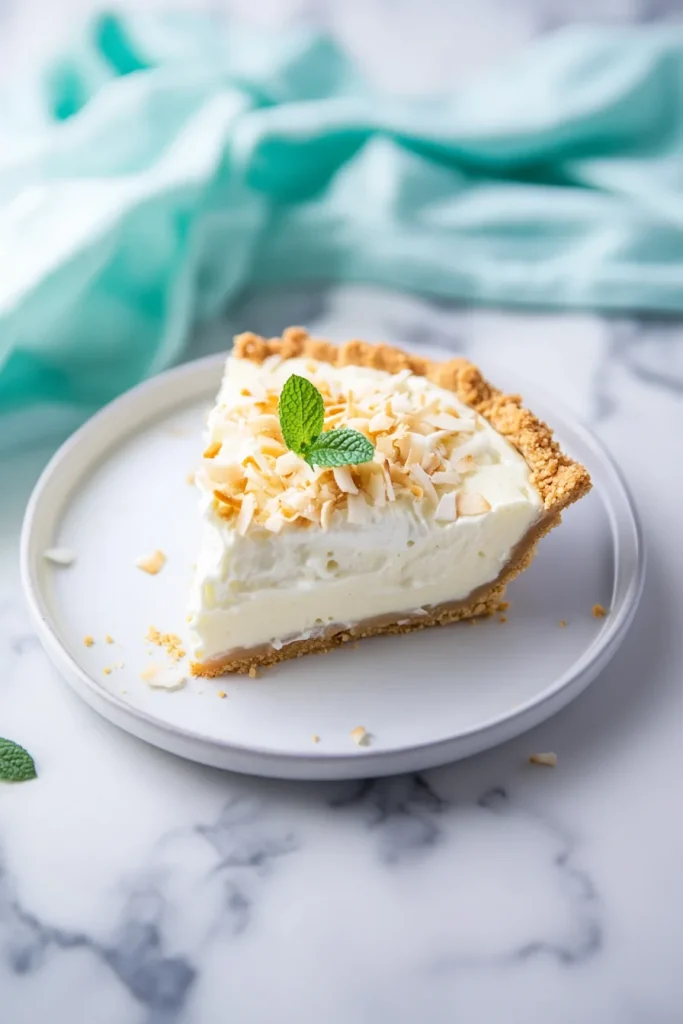
This Coconut Cream Pie is creamy, chilled, coconut-rich, and honestly worth the extra little bit of effort. The toasted coconut graham cracker crust gives it crunch, the thick coconut custard filling brings all that smooth flavor, and the whipped cream topping makes the whole pie feel soft and dreamy. It’s classic, but not boring. Homemade, but not impossible.
Make this Coconut Cream Pie for Easter, holidays, birthdays, summer dinners, family gatherings, Sunday dessert, or any time you want a chilled dessert that feels special without being too fancy. Serve it cold, slice it generously, and don’t be surprised if the “small slice” people come back for more. They usually do.
Would you keep your Coconut Cream Pie classic, add chocolate, or try it with a little lime zest? Can’t wait to hear what you think!
Coconut Cream Pie
Ingredients
For the Crust
- 5 tbsp unsweetened shredded coconut
- 9 graham crackers broken into large pieces
- 2 tbsp granulated white sugar
- 5 tbsp butter melted
For the Coconut Filling
- 1 can / 14 oz coconut milk well stirred
- 1 cup whole milk
- 1/2 cup unsweetened shredded coconut
- 2/3 cup granulated white sugar divided
- 1/4 tsp salt
- 5 large egg yolks
- 1/4 cup cornstarch
- 1 1/2 tsp vanilla extract
- 2 tbsp unsalted butter cut into pieces
For the Whipped Cream Topping
- 1 1/2 cups heavy cream chilled
- 1 1/2 tbsp granulated white sugar
- 1 1/2 tsp dark rum
- 1/2 tsp vanilla extract
Instructions
Prepare the Crust
- Preheat the oven to 325°F.
- Place 5 tbsp unsweetened shredded coconut in a large skillet.
- Toast the coconut over medium heat, stirring frequently, until golden brown.
- Remove the toasted coconut from the heat.
- Reserve 1 tbsp of the toasted coconut for garnishing the finished pie.
- Place the graham cracker pieces and the remaining 4 tbsp toasted coconut in a food processor.
- Pulse until the mixture forms fine crumbs.
- Transfer the crumb mixture to a medium mixing bowl.
- Add the granulated white sugar and stir to combine.
- Add the melted butter.
- Mix with a fork until the crumbs are evenly moistened.
- Transfer the crumb mixture to a 9-inch glass pie plate.
- Press the crumbs firmly and evenly along the bottom and sides of the pie plate.
- Use the bottom of a glass to compact the crust.
- Bake for approximately 20 minutes, or until golden brown.
- Remove the crust from the oven.
- Allow the crust to cool while preparing the filling.
Prepare the Coconut Filling
- In a medium saucepan over medium-high heat, combine the well-stirred coconut milk, whole milk, shredded coconut, 1/3 cup of the granulated white sugar, and salt.
- Bring the mixture to a simmer, stirring occasionally to dissolve the sugar.
- In a separate medium mixing bowl, whisk together the egg yolks, remaining 1/3 cup granulated white sugar, and cornstarch.
- Whisk until the mixture is smooth, fully combined, and free of lumps.
- Gradually whisk the hot milk mixture into the egg yolk mixture to temper the eggs.
- Continue whisking while adding the hot mixture slowly to prevent the eggs from curdling.
- Return the tempered mixture to the saucepan.
- Place the saucepan over medium heat.
- Bring the mixture back to a simmer, whisking constantly.
- Continue cooking until the filling thickens to a pudding-like consistency and a few bubbles burst on the surface, approximately 30 seconds after thickening.
- Remove the saucepan from the heat.
- Whisk in the vanilla extract and unsalted butter until smooth and fully incorporated.
- Pour the warm coconut filling into the cooled graham cracker crust.
- Smooth the top of the filling evenly.
- Cover the pie with plastic wrap.
- Press the plastic wrap directly against the surface of the filling to help prevent a skin from forming.
- Refrigerate the pie for at least 3 hours, or until the filling is firm.
Prepare the Whipped Cream Topping
- When ready to serve, place the chilled heavy cream and granulated white sugar in a chilled metal mixing bowl.
- Beat on medium speed until soft peaks form.
- Add the dark rum and vanilla extract.
- Continue beating until barely stiff peaks form.
- Spread the whipped cream evenly over the chilled coconut filling.
- Sprinkle the reserved 1 tbsp toasted coconut over the whipped cream.
- Slice and serve chilled.
- Cover any leftovers with plastic wrap and store in the refrigerator.
Notes