Chinese egg noodles, chicken, stir fry vegetables, scallion, sesame seeds, chicken stock, oyster sauce, soy sauce, ginger, and garlic.
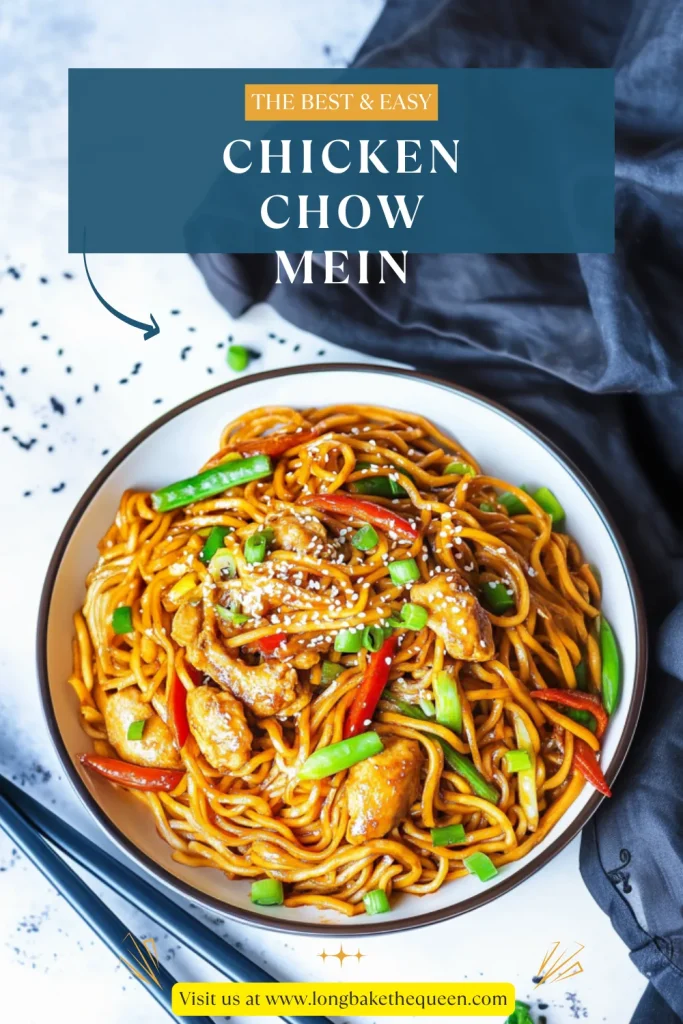
I have a very soft spot for noodle dinners. Maybe it’s because they feel cozy without being too serious, or maybe it’s because a bowl of saucy noodles can fix my mood faster than I’d like to admit. Either way, this Chicken Chow Mein is one of those quick meals that feels like a little kitchen win. It’s fast, flavorful, glossy, and packed with tender chicken, chewy noodles, crisp vegetables, scallions, sesame seeds, and a savory homemade sauce that clings to everything in the best way.
This Chicken Chow Mein is made with fresh Chinese egg noodles, chicken breast or thigh, stir fry vegetables, scallions, toasted sesame seeds, chicken stock, oyster sauce, dark soy sauce, low sodium soy sauce, cornstarch, toasted sesame oil, brown sugar, ginger, and garlic. You can also add chili garlic sauce, Lao Gan Ma chili crisp, or Thai chili flakes if you like your noodles with a little spicy attitude. Some days mild noodles are comforting. Other days, you need chili crisp to wake things up. Both moods are valid.
What I love most is that this easy chicken noodle stir fry comes together in about 15 minutes. That’s the kind of recipe I want on a busy weeknight when I’m hungry, slightly dramatic, and not in the mood to make a big production out of dinner. You mix the sauce, quickly marinate the chicken, cook or rinse the noodles, stir fry everything, and toss it all together until the sauce turns shiny and thick. That glossy noodle moment? Always satisfying.
And honestly, homemade Chicken Chow Mein gives you that takeout-style feeling without waiting for delivery or wondering why the noodles somehow arrived lukewarm. You can make it saucier, spicier, veggie-heavier, or more chicken-packed depending on what you like. It’s flexible, quick, and deeply comforting. Sound familiar?
This Chicken Chow Mein reminds me of those takeout nights where everyone gathers around the table with containers open, chopsticks or forks ready, and the noodles are always the first thing people reach for. There’s usually one person pretending to be polite and taking “just a little,” then quietly coming back two minutes later for more. I’m not judging. I’ve been that person. Many times, actually.
I love takeout, and I’m not here to act like homemade food has to replace it forever. Sometimes ordering in is exactly what the night needs. But there’s something really satisfying about making chicken chow mein at home and realizing it doesn’t have to be complicated. You still get tender chicken, chewy noodles, crisp vegetables, and that glossy savory sauce, but you can control the ingredients and adjust everything to your own mood. More garlic? Yes. Extra vegetables? Toss them in. Chili crisp? Absolutely, if the day has earned it.
The first time I made a version of Chicken Chow Mein at home, I remember feeling slightly suspicious. I thought it would take longer. I imagined a dramatic wok situation, a dozen sauces, and maybe some noodle trick I didn’t know. But once the sauce was mixed and the vegetables were sliced, the cooking part moved so quickly that I barely had time to overthink it. Which is rare for me in the kitchen, because I can overthink whether a spoon is the right spoon.
That’s the little secret with this recipe: prep everything first. Stir fry cooking is fast. Not “I’ll just answer one message” fast. More like “stay near the pan or things will get weird” fast. Have the noodles ready, the chicken cut, the vegetables sliced, and the sauce mixed before the heat goes on. It makes the whole process smoother, and honestly, it makes you feel more organized than you might actually be. I enjoy that illusion.
I also really like how this Chicken Chow Mein makes random vegetables feel intentional. You know those bits of cabbage, carrots, peppers, broccoli, mushrooms, or snap peas in the fridge that are just sitting there looking hopeful? This recipe gives them a purpose. Suddenly, it’s not “using up vegetables.” It’s a colorful noodle stir fry. A tiny rebrand, but an effective one.
And the sauce, oh the sauce. It’s savory from the oyster sauce and soy sauces, a little rich from the sesame oil, slightly sweet from the brown sugar, and warm from the ginger and garlic. The cornstarch helps everything turn glossy and cling to the noodles instead of sinking sadly to the bottom of the pan. I don’t know why glossy noodles feel so comforting, but they do. Maybe because they look like dinner decided to get its life together.

Why you’ll Love this Chicken Chow Mein?
- It’s ready in about 15 minutes. This Chicken Chow Mein is the kind of dinner that comes together faster than most takeout orders. With about 7 minutes of prep and 8 minutes of cooking, it’s perfect for busy weeknights, quick lunches, or those evenings when everyone is hungry right now. The only catch is that you really do need to prep before you start cooking, because once the wok or pan is hot, everything moves quickly. Sauce mixed, noodles ready, chicken sliced, vegetables nearby — that’s the dream setup. Future-you will be grateful.
- It has that glossy takeout-style sauce. The sauce is what makes this homemade Chicken Chow Mein feel special. Chicken stock gives it body, oyster sauce brings savory depth, dark soy sauce adds color, low sodium soy sauce seasons it, cornstarch thickens it, sesame oil gives it a nutty aroma, and brown sugar softens the salty edges just a bit. Then the ginger and garlic come in and make the whole kitchen smell like something delicious is about to happen. The sauce starts thin, but once it hits the hot pan, it turns shiny and coats the noodles beautifully. That part always feels a little magical, even if it’s just cornstarch doing its job.
- The chicken stays tender. This chicken chow mein recipe works well with either chicken breast or chicken thigh, and both have their charms. Chicken breast is lean and quick. Chicken thigh is juicier and more forgiving, especially if you’re the kind of cook who sometimes gets distracted by, let’s say, life. Cutting the chicken into bite-size pieces helps it cook quickly, and marinating it with a tablespoon of sauce while you prep the vegetables gives it a little flavor boost. It’s not a long marinade, but it helps. Small effort, nice reward.
- The vegetables stay crisp and colorful. A good Chicken Chow Mein should have vegetables that still have a little bite. Not raw, not mushy, just tender-crisp. Cooking the chicken first, removing it, and then stir frying the vegetables keeps everything from overcooking together in one crowded pan. Cabbage, carrots, bell peppers, broccoli, snap peas, mushrooms, onions, bean sprouts, zucchini — use what you like or what needs saving from the fridge. The vegetables add crunch, color, and that tiny feeling of balance we all appreciate in a noodle bowl.
- It feels like takeout, but you’re in control. I’m not going to pretend this means you’ll never order noodles again, because that would be unrealistic and frankly a little sad. But this Chicken Chow Mein is a great homemade option when you want takeout-style comfort with more control. You can make it less salty, more spicy, heavier on veggies, lighter on sauce, or packed with extra chicken. Homemade noodles give you room to adjust, and that’s one of the best parts.
- The noodles are flexible. Fresh Chinese egg noodles are my favorite for Chicken Chow Mein because they’re chewy and quick, but they’re not the only option. Dried lo mein noodles, spaghetti, linguine, or fettuccine can all work if that’s what you have. Is pasta exactly the same as Chinese egg noodles? No, not exactly. But if the sauce is good and the noodles are cooked al dente, dinner will still be delicious. Sometimes the best noodle is the one already in your pantry. Very practical. Very real life.
- You can make it mild or spicy. This Chicken Chow Mein can stay mild and family-friendly, or you can add chili garlic sauce, Lao Gan Ma spicy chili crisp, or Thai chili flakes for heat. I’d start small, especially with chili crisp or chili garlic sauce, because they can add salt as well as spice. Some people want a gentle noodle dinner. Some people want their noodles to tap them on the shoulder and say, “Wake up.” You can choose your own adventure here.
Ingredient Notes
The ingredients for Chicken Chow Mein are simple, but they all help build that classic saucy noodle stir fry feeling. The noodles give you chew, the chicken adds protein, the vegetables bring crunch and color, and the sauce ties everything together with soy sauce, oyster sauce, sesame oil, ginger, garlic, and a tiny bit of sweetness. It’s not a long list of fancy things. It’s more like a handful of good ingredients doing exactly what they’re supposed to do.
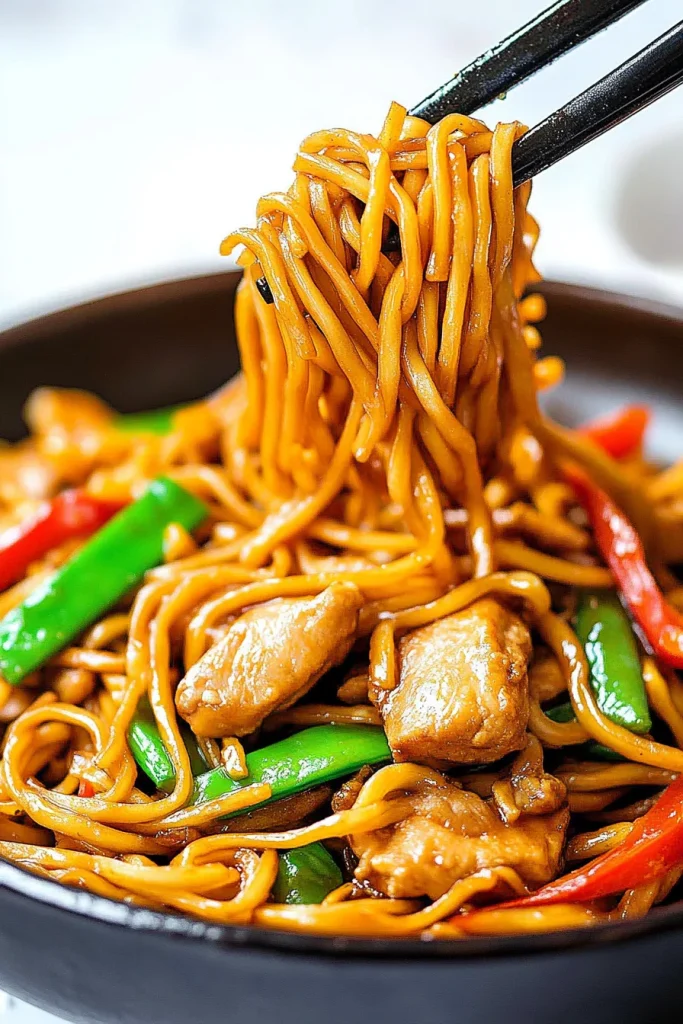
- Fresh Chinese Egg Noodles: Fresh Chinese egg noodles are ideal for Chicken Chow Mein because they have a tender, chewy texture and cook quickly. Some fresh yellow egg noodles come pre-cooked, so all you need to do is rinse them under hot water to loosen the strands. If your noodles need boiling, cook them until al dente, about 1 to 2 minutes less than the package directions, because they’ll cook a little more when tossed with the sauce. If you don’t have fresh egg noodles, dried lo mein noodles, spaghetti, linguine, or fettuccine can work too. The texture will be a little different, but the dish will still be tasty and satisfying.
- Chicken Breast or Thigh: You’ll need 1 lb chicken breast or thigh, cut into bite-size pieces. Chicken breast is lean and cooks quickly, which is great when you want a lighter noodle stir fry. Chicken thigh is richer, juicier, and more forgiving if you accidentally cook it a minute too long. I go back and forth depending on what I have in the fridge. The main thing is cutting the chicken into even pieces so it cooks quickly and evenly. Tossing it with one tablespoon of the prepared sauce while you prep the vegetables gives it a quick flavor boost, and I love a shortcut that actually helps.
- Vegetable Oil: Vegetable oil is used for stir frying because it has a neutral flavor and works well over medium-high heat. You only need 1 tablespoon, so the noodles won’t feel oily or heavy. A hot pan helps the chicken and vegetables cook quickly, which is important for that stir fry texture. You can use another neutral oil if you prefer, but avoid oils with strong flavors that might compete with the sauce. The sauce has enough personality already.
- Stir Fry Vegetables: This recipe uses 2 1/2 cups stir fry vegetables, sliced about 1/4 inch thick so they cook quickly while staying crisp. You can use cabbage, carrots, bell peppers, broccoli, snap peas, mushrooms, onions, bean sprouts, bok choy, zucchini, or a bag of pre-cut stir fry vegetables. I’m very pro-shortcut here. If pre-sliced vegetables help you get dinner on the table, use them proudly. In Chicken Chow Mein, vegetables add color, texture, and freshness, which keeps the noodles from feeling too heavy.
- Scallion: Chopped scallion adds a fresh onion flavor and a nice pop of color at the end. You can stir it into the noodles or sprinkle it over the top before serving. I like adding it after cooking so it keeps that bright, fresh bite. It’s a small detail, but it makes the finished Chicken Chow Mein look more alive. Not that noodles are alive, obviously, but you know what I mean.
- Toasted White Sesame Seeds: Toasted sesame seeds are technically a garnish, but they add a little nutty flavor and texture. You only need 2 teaspoons, and they make the dish look finished without much effort. I love garnishes like that. Three seconds of sprinkling, and suddenly dinner looks like you had a plan. Sesame seeds are optional, but they’re a nice touch if you have them.
- Chicken Stock: Chicken stock gives the sauce body and savory flavor. This Chicken Chow Mein uses 1/2 cup, which creates enough sauce to coat the noodles without making them soupy. You can substitute vegetable stock or water if needed. Stock gives the richest flavor, but water will still work because oyster sauce, soy sauce, ginger, garlic, and sesame oil bring plenty to the party. Use what you have. Dinner should not fall apart over half a cup of stock.
- Oyster Sauce: Oyster sauce gives the lo mein-style sauce its deep savory flavor and slight sweetness. It’s one of the ingredients that makes Chicken Chow Mein taste rich and takeout-inspired. This recipe uses 2 tablespoons, which helps the sauce feel rounded and flavorful. If you need a substitute, vegetarian oyster sauce is a good option, especially for a meatless version. Hoisin sauce can work in some cases, but it is sweeter, so the final flavor will change a bit.
- Dark Soy Sauce: Dark soy sauce adds deep color and a richer flavor to the noodles. It’s the reason the finished Chicken Chow Mein gets that glossy brown takeout-style look. Dark soy sauce is not exactly the same as regular soy sauce; it’s darker, slightly thicker, and often less sharp. If you skip it, the noodles may look lighter. They’ll still taste good, but they might not have that same deep color. Not the end of the world, just worth knowing.
- Low Sodium Soy Sauce: Low sodium soy sauce seasons the sauce without making it too salty. Since oyster sauce and dark soy sauce already bring saltiness, low sodium soy sauce helps keep the balance in check. This recipe uses 1 1/2 tablespoons. If you only have regular soy sauce, use a little less and taste before adding more. Salty noodles can sneak up on you, and once they’re too salty, they’re a little stubborn.
- Cornstarch: Cornstarch helps thicken the sauce so it becomes glossy and clings to the noodles. It’s just 1 teaspoon, but it does a lot. Without it, the sauce can stay thin and slide off everything. With it, the sauce turns shiny and coats the noodles, chicken, and vegetables. Cornstarch is not glamorous, but it is very dependable. Basically the quiet accountant of the sauce world.
- Toasted Sesame Oil: Toasted sesame oil adds a warm, nutty aroma to the sauce. This recipe uses 1 teaspoon, and that’s enough because toasted sesame oil is strong. It’s not meant to be the main cooking oil here; it’s more of a flavor finisher in the sauce. Too much can overpower the dish, so go gently. A little sesame oil makes Chicken Chow Mein smell amazing. Too much makes it taste like sesame oil invited itself to be the main character.
- Brown Sugar: Brown sugar balances the salty, savory ingredients with just a little sweetness. You only need 1 teaspoon, so the sauce won’t taste sweet. It just softens the sharp edges of the soy sauce and oyster sauce and makes everything feel more rounded. I used to skip tiny sugar amounts in savory sauces, and then I realized they’re usually there for a reason. Not to make things sugary, just balanced.
- Ginger: Grated ginger adds warmth and a fresh little kick to the sauce. It keeps the Chicken Chow Mein from tasting too heavy and works beautifully with garlic and soy sauce. Fresh ginger gives the brightest flavor, but ginger paste can work if that’s what you have. I wouldn’t skip it if possible, because it adds that “something” you might not notice right away but would miss if it wasn’t there.
- Garlic: Minced garlic gives the sauce bold, savory flavor. This recipe uses 3 cloves, which is a good amount for a noodle dish. Garlic and ginger together make the kitchen smell incredible almost immediately. It’s that smell that makes people wander in and ask what you’re making before dinner is even close to done. Mince the garlic finely so it blends into the sauce and cooks quickly when tossed in the hot pan.
- Spicy Add-Ins: To make spicy Chicken Chow Mein, add 1 teaspoon chili garlic sauce, 1 teaspoon Lao Gan Ma spicy chili crisp, or 1 teaspoon Thai chili pepper flakes to the sauce. Use chili garlic sauce and chili crisp sparingly because they can be salty as well as spicy. Start with less if you’re unsure. You can always add more heat later, but you can’t easily un-spice a whole pan of noodles. I wish we could. We cannot.
How to Make Chicken Chow Mein?
Making Chicken Chow Mein is quick, so the best thing you can do is get everything ready before you turn on the stove. Mix the sauce, cut the chicken, slice the vegetables, prepare the noodles, and have the scallions and sesame seeds nearby. Stir fry cooking is fast and a little bossy. Once it starts, it does not want to wait while you search for the sesame oil in the back of the cabinet.
- Make the lo mein sauce. Add the chicken stock, oyster sauce, dark soy sauce, low sodium soy sauce, cornstarch, toasted sesame oil, brown sugar, grated ginger, and minced garlic to a medium bowl. Stir everything together until the sugar dissolves and the cornstarch is fully mixed in. If you want spicy Chicken Chow Mein, add chili garlic sauce, Lao Gan Ma chili crisp, or Thai chili flakes now. The sauce will look thin at first, and that’s normal. Once it heats in the pan, the cornstarch helps it turn glossy and slightly thick. That glossy sauce is what makes the noodles so satisfying.
- Marinate the chicken briefly. Cut the chicken into bite-size pieces, then toss it with 1 tablespoon of the prepared sauce while you prep the vegetables. This is not a long marinade, and it doesn’t need to be. Even a few minutes gives the chicken a bit more flavor. It’s a small step that makes the finished chicken chow mein taste more put-together. I like these tiny useful steps, especially when they don’t add much time. We are not here for unnecessary drama.
- Boil or rinse the noodles. Cook the noodles until they are al dente, about 1 to 2 minutes less than the package instructions. Rinse them under cold water to stop the cooking, then drizzle with a tiny bit of oil so they don’t stick. If you’re using pre-cooked fresh yellow egg noodles, rinse them under hot water to separate the strands. The goal is loose, tender noodles that can handle being tossed in a hot pan without falling apart. Mushy noodles are a tiny tragedy. Avoid if possible.
- Stir fry the chicken. Heat a wok or large pan over medium-high heat and add the vegetable oil. Add the chicken and cook until fully cooked through. Since the pieces are small, this should only take a few minutes. Remove the chicken from the pan and set it aside. I know it feels like an extra step, but it keeps the chicken from overcooking while the vegetables cook. Tender chicken is worth one extra bowl. Mostly. Fine, yes, it is.
- Cook the vegetables. Add the sliced stir fry vegetables to the same pan and cook for 2 to 3 minutes, or until tender but still crisp. Stir often so they cook evenly. You want them bright and lively, not sad and floppy. If the pan feels dry, add a tiny splash of water or stock, but not too much. We want stir fried vegetables, not steamed vegetables pretending to be stir fry. There’s a difference, and your noodles will know.
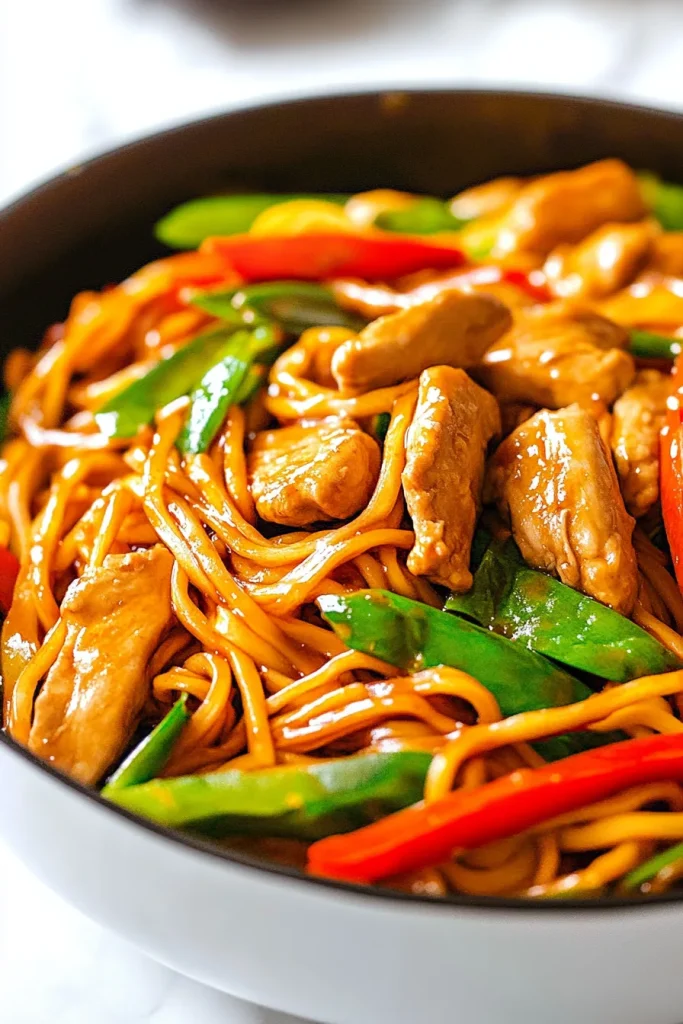
- Add the noodles and sauce. Add the cooked noodles and prepared sauce to the pan with the vegetables. Toss everything together for 1 to 2 minutes, making sure the noodles are evenly coated. As the sauce heats, it should thicken slightly and turn shiny. This is the moment when your Chicken Chow Mein starts looking like proper saucy takeout-style noodles. Use tongs, chopsticks, or two utensils to toss everything together. Noodles love to tangle like earbuds in a bag, so be patient.
- Return the chicken to the pan. Add the cooked chicken back into the pan and toss everything together until the chicken is warmed through and evenly mixed with the noodles and vegetables. If the noodles look a little dry, add a small splash of stock or water. If they look too wet, keep tossing for another minute so the sauce thickens. This part is a little about feel. You want glossy, coated noodles, not soup and not dry pasta. Somewhere in the happy middle.
- Garnish and serve. Sprinkle the finished Chicken Chow Mein with chopped scallions and toasted white sesame seeds. Serve right away while the noodles are hot, glossy, and fresh from the pan. This dish is best immediately, when the vegetables still have crunch and the sauce is clinging to every bite. Also, hot noodles wait for no one. Call everyone to the table before you garnish if your people are slow movers.
Storage Options
This Chicken Chow Mein is best fresh from the pan, when the noodles are glossy and the vegetables still have a nice crunch. But leftovers are still very useful, especially for quick lunches. The noodles may absorb some of the sauce as they sit, so when you reheat them, add a little splash of water, chicken stock, or vegetable stock to loosen everything up. Leftover noodles can absolutely be good. They just need a little help waking up.
- Refrigerator: Store leftover Chicken Chow Mein in an airtight container in the refrigerator for up to 3 to 4 days. Let it cool before sealing the container, but don’t leave it out too long. As it sits, the noodles may soak up the sauce and become firmer. That’s normal and not a disaster. When reheating, add a splash of stock or water and toss gently until the noodles loosen. It makes a big difference.
- Freezer: You can freeze Chicken Chow Mein, but I’ll be honest, it’s not my favorite storage option. Noodles and stir fry vegetables can become softer after freezing and thawing. If you still want to freeze it, let the leftovers cool completely, place them in a freezer-safe container, and freeze for up to 1 month. Thaw overnight in the refrigerator before reheating. The flavor will still be there, but the texture may not be as fresh and springy. Not bad, just different.
- Reheating on the Stovetop: The stovetop is one of the best ways to reheat chicken chow mein because it helps refresh the sauce and loosen the noodles. Add the leftovers to a pan over medium heat with a small splash of water or stock. Toss gently until everything is hot and glossy again. This method keeps the texture better than the microwave, especially if you don’t want the vegetables to get too soft. It takes a few extra minutes, but for noodles, I think it’s worth it.
- Reheating in the Microwave: The microwave works when you need lunch fast. Place the Chicken Chow Mein in a microwave-safe bowl, add a splash of water or stock, cover loosely, and heat in short intervals. Stir between each round so the noodles warm evenly. The vegetables may soften more than they would on the stovetop, but sometimes speed matters more than perfect texture. We’re all just trying to eat lunch, right?
- Meal Prep Tip: If you’re making Chicken Chow Mein specifically for meal prep, slightly undercook the noodles and vegetables so they don’t become too soft later. Store the noodles in individual containers for easy lunches or quick dinners. Keep extra scallions and sesame seeds separate and add them after reheating for a fresher finish. Little garnishes can make leftovers feel less leftover-ish, which is always nice.
- Food Safety Tip: Since this recipe contains chicken and cooked noodles, refrigerate leftovers within about 2 hours. I know it’s tempting to leave the pan out while everyone keeps sneaking “one more bite,” but chicken needs proper storage. Scoop the leftovers into a container, put them in the fridge, and future-you gets a noodle reward. That feels fair.
Variations & Substitutions
This Chicken Chow Mein is wonderfully flexible, which is exactly what I want from a weeknight recipe. You can switch the noodles, change the vegetables, use chicken breast or thigh, swap the protein, make it vegetarian, or add heat. The basic idea stays the same: noodles, protein, vegetables, and a glossy savory sauce. Once you know that, you can make it fit your kitchen instead of forcing your kitchen to fit the recipe. Much better.
- Use Different Noodles: Fresh Chinese egg noodles are great for classic Chicken Chow Mein, but dried lo mein noodles, spaghetti, linguine, or fettuccine can work too. Cook them al dente so they don’t get too soft when tossed in the pan. Pasta won’t taste exactly like egg noodles, and I’m not going to pretend it will, but it can still make a really satisfying noodle stir fry. Sometimes substitutions are not perfect, but they are delicious enough. That counts.
- Use Chicken Thigh Instead of Breast: Chicken breast is lean and quick, but chicken thigh is juicier and a little more forgiving. If you’ve ever overcooked chicken breast by what felt like 12 seconds and ended up with dry chicken, you know why thighs have fans. Chicken thigh adds a richer flavor to Chicken Chow Mein, while chicken breast keeps it lighter. Use whichever one you like best or whichever one is already thawed. That is often the real deciding factor.
- Make It Spicy: Add chili garlic sauce, Lao Gan Ma spicy chili crisp, or Thai chili pepper flakes to the sauce if you want spicy Chicken Chow Mein. Start with 1 teaspoon or less, especially with chili crisp and chili garlic sauce because they can be salty. You can always add more at the table. This version is great when you want the noodles to have a little kick, but not necessarily make everyone at dinner reach for water in panic.
- Add More Vegetables: You can easily make this chicken noodle stir fry more vegetable-heavy. Add cabbage, carrots, bell peppers, broccoli, mushrooms, snap peas, onions, zucchini, baby corn, bok choy, or bean sprouts. Slice everything thin enough to cook quickly. If you add a lot more vegetables, you may want to increase the sauce slightly so the noodles and veggies are still coated. More vegetables are lovely, but they need sauce too. Fair is fair.
- Swap the Protein: This sauce works with shrimp, beef, pork, tofu, or leftover rotisserie chicken. Shrimp cooks quickly, beef should be sliced thin, and tofu is best when pressed and pan-fried first so it holds up in the stir fry. Rotisserie chicken can be added near the end since it’s already cooked. This makes Chicken Chow Mein a great “use what you have” meal, which is honestly one of the highest compliments I can give a recipe.
- Make It Vegetarian: To make vegetarian chow mein, skip the chicken and use tofu or extra vegetables. Replace the chicken stock with vegetable stock or water, and use vegetarian oyster sauce instead of regular oyster sauce. Mushrooms are especially good in a vegetarian version because they add a savory, meaty texture. The dish can still be glossy, filling, and full of flavor without the chicken. Noodles are generous like that.
- Adjust the Sweetness: If you like a slightly sweeter sauce, add a little more brown sugar. If you prefer the sauce more savory, keep the sugar as written or reduce it slightly. The sauce in this Chicken Chow Mein is meant to be balanced, but taste is personal. Some people love a stronger sweet-salty flavor, while others want it mostly savory. Neither is wrong. Your noodles, your rules. Within reason, of course.
- Add More Sesame Flavor: If you love sesame, add a tiny drizzle of toasted sesame oil at the end or sprinkle extra sesame seeds over the finished noodles. Go lightly with the sesame oil because it is strong and can take over quickly. A little adds warmth and aroma. Too much and suddenly the whole dish tastes like sesame oil wrote a solo album. Not necessarily bad, but maybe not the goal.
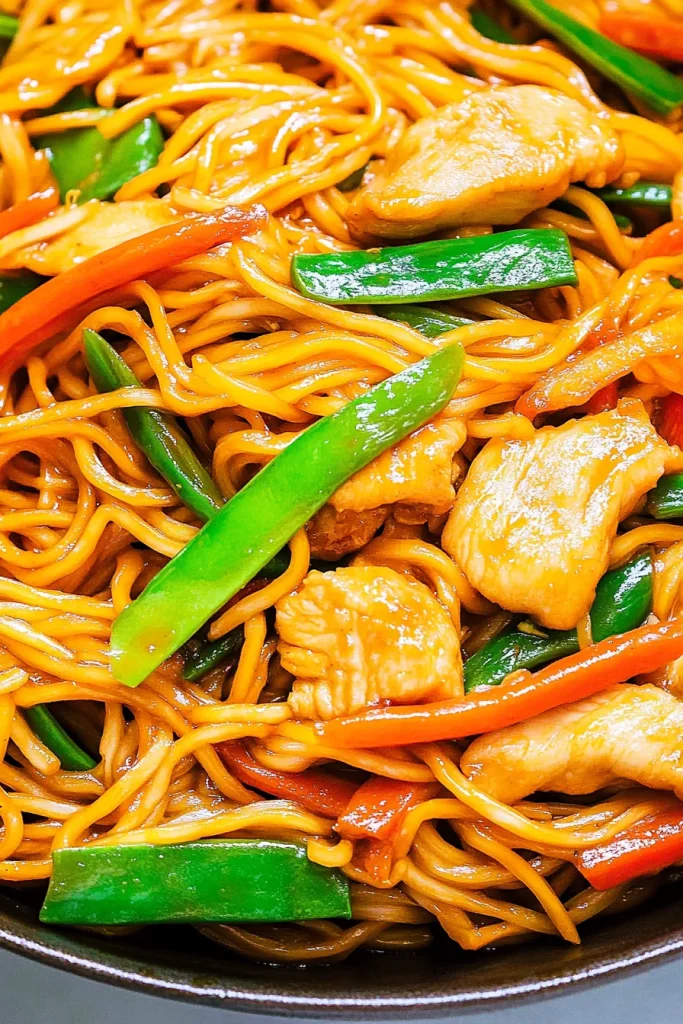
What to Serve With Chicken Chow Mein?
This Chicken Chow Mein can stand alone as a full meal because it has noodles, chicken, vegetables, and sauce all in one pan. But if you want to make it feel like a fun takeout-style dinner at home, you can add a few sides. I like doing this on weekends or when everyone is extra hungry. A noodle bowl is great. A noodle bowl with dumplings? Even better.
- Spring Rolls: Spring rolls are a great side for Chicken Chow Mein because they add crunch and freshness. Crispy fried spring rolls give you that takeout-style feeling, while fresh rice paper rolls keep things lighter. Serve them with sweet chili sauce, soy dipping sauce, or peanut sauce. Noodles and spring rolls together feel festive without being too much work. It’s the kind of meal that makes a regular night feel a little more fun.
- Dumplings or Potstickers: Dumplings and potstickers pair beautifully with chicken chow mein. Pork, chicken, shrimp, or vegetable dumplings all work. Pan-fried potstickers add crispy edges, while steamed dumplings keep things softer and lighter. Add a dipping sauce and suddenly dinner feels like a proper spread. I’m not saying you need dumplings with noodles, but I am saying nobody complains when they appear.
- Egg Drop Soup: Egg drop soup is a cozy, gentle side that works well with Chicken Chow Mein. It’s warm and comforting without competing with the noodles. The soft egg ribbons and mild broth balance the savory sauce nicely. This is a great option when you want a takeout-inspired dinner that still feels simple and not too heavy. Soup plus noodles is always a comforting little combo.
- Hot and Sour Soup: Hot and sour soup brings tang, spice, and bold flavor next to the noodles. It’s especially good if your Chicken Chow Mein is mild and you want something with a little punch on the side. The sharpness of the soup cuts through the richness of the sauce and keeps the meal interesting. It’s not for everyone, maybe, but if you love big flavors, it’s a great pairing.
- Cucumber Salad: A simple cucumber salad adds cool crunch beside the warm noodles. Toss sliced cucumbers with rice vinegar, a little sesame oil, a pinch of sugar, and sesame seeds. It’s quick, fresh, and bright, which helps balance the savory Chicken Chow Mein. I love this side because it takes almost no time and makes the meal feel fresher. Also, cucumbers are very good at pretending you planned a side dish.
- Steamed or Stir Fried Vegetables: Extra vegetables are always welcome if you want to stretch the meal or add more greens. Broccoli, bok choy, snow peas, green beans, cabbage, or mixed vegetables all work well. Keep the seasoning simple so the noodles stay the main event. This is a good way to make the meal feel more balanced without doing anything too complicated. We like easy wins.
- Crab Rangoon or Cream Cheese Wontons: If you’re going for a fun takeout-style dinner, serve Chicken Chow Mein with crab rangoon or cream cheese wontons. They’re crispy, creamy, and a little indulgent, which pairs nicely with the savory noodles. Is this the lightest pairing in the world? No. Is it delicious and fun? Very much yes. Some dinners are supposed to feel like a treat.
- Iced Tea or Lemonade: A cold drink like iced tea or lemonade pairs nicely with the salty, savory, garlicky noodles. If you make spicy Chicken Chow Mein, a refreshing drink is even better. Sparkling water with lime also works if you want something simple. Noodle night deserves a good drink, right? Nothing fussy, just something cold and refreshing.
FAQ
What noodles are best for Chicken Chow Mein?
Fresh Chinese egg noodles are best for Chicken Chow Mein because they have a chewy texture and cook quickly. You can also use dried lo mein noodles, spaghetti, linguine, or fettuccine if needed. The key is cooking the noodles al dente so they don’t become too soft when tossed with the sauce in the pan.
How do I keep the noodles from sticking together?
Rinse the noodles after boiling and drizzle them with a tiny amount of oil. Toss gently to coat. Also, avoid overcooking the noodles because soft noodles tend to clump and break more easily. If you are using pre-cooked fresh egg noodles, rinsing them under hot water should help separate the strands before they go into the pan.
What vegetables work best in Chicken Chow Mein?
Cabbage, carrots, bell peppers, broccoli, snap peas, mushrooms, onions, bean sprouts, zucchini, and bok choy all work well in Chicken Chow Mein. Slice the vegetables thinly so they cook quickly and stay crisp. A bag of stir fry vegetables is also a great shortcut if you want to keep prep simple.
Why is my sauce not thickening?
The sauce may not thicken if the cornstarch was not fully mixed in or if the sauce did not cook long enough in the hot pan. Make sure the cornstarch is stirred into the sauce before adding it, then toss the noodles over heat for 1 to 2 minutes until the sauce turns glossy and coats everything. If it still looks thin, give it another minute while tossing.
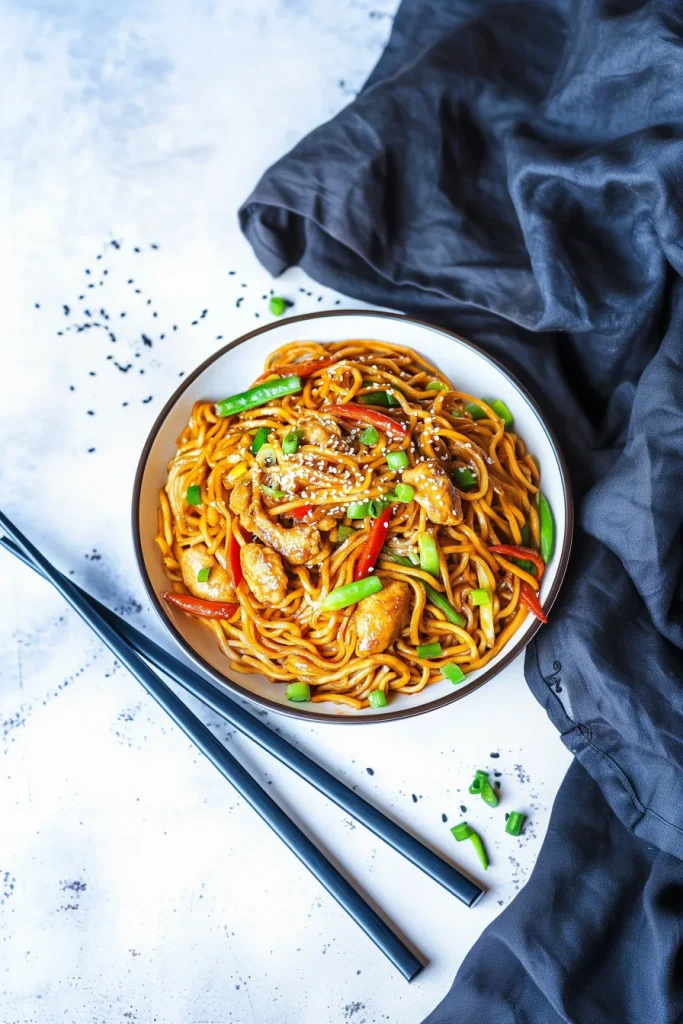
This Chicken Chow Mein is fast, saucy, savory, and full of the kind of comfort that only noodles can deliver. It’s made with fresh Chinese egg noodles, tender chicken, crisp stir fry vegetables, scallions, sesame seeds, chicken stock, oyster sauce, soy sauce, sesame oil, brown sugar, ginger, and garlic, and it comes together in about 15 minutes. That is very good news for hungry weeknights.
Make this homemade Chicken Chow Mein when you want takeout-style noodles without waiting for takeout, or when you need a quick dinner that still feels warm and satisfying. Keep it mild, add chili crisp, use extra vegetables, swap the noodles, or make it with chicken thigh for extra juiciness. There’s room to play a little, and I think that’s what makes this recipe so useful.
Would you keep your Chicken Chow Mein classic and savory, or would you add chili crisp for a spicy little kick? Can’t wait to hear what you think!
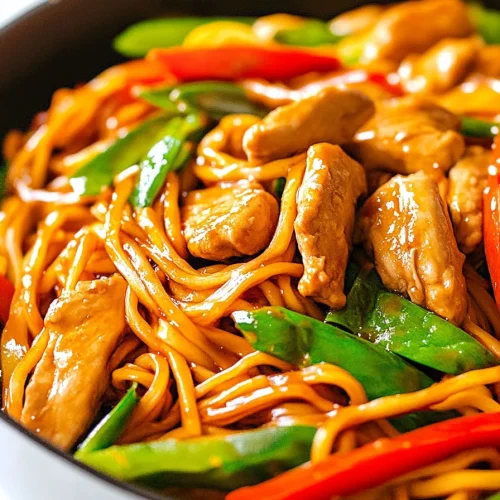
Chicken Chow Mein
Ingredients
For the Chow Mein
- 16 oz fresh Chinese egg noodles
- 1 lb chicken breast or chicken thigh cut into bite-size pieces
- 1 tbsp vegetable oil
- 2 1/2 cups stir fry vegetables sliced 1/4 inch thick
- 1 stalk scallion chopped
- 2 tsp toasted white sesame seeds for garnish
Optional Noodle Substitutions
- Dried lo mein noodles
- Spaghetti
- Linguine
- Fettuccine
For the Lo Mein Sauce
- 1/2 cup chicken stock
- 2 tbsp oyster sauce
- 1 1/2 tbsp dark soy sauce
- 1 1/2 tbsp low sodium soy sauce
- 1 tsp cornstarch
- 1 tsp toasted sesame oil
- 1 tsp brown sugar
- 1 tsp grated ginger
- 3 cloves garlic minced
- Optional Spicy Add-Ins
Optional Spicy Add-Ins (Choose one, if desired:)
- 1 tsp chili garlic sauce
- 1 tsp Lao Gan Ma spicy chili crisp
- 1 tsp Thai chili pepper flakes
Instructions
- Place the chicken stock, oyster sauce, dark soy sauce, low sodium soy sauce, cornstarch, toasted sesame oil, brown sugar, grated ginger, and minced garlic in a medium mixing bowl.
- Stir the sauce mixture until the brown sugar dissolves and the cornstarch is fully incorporated.
- If preparing a spicy version, add chili garlic sauce, Lao Gan Ma spicy chili crisp, or Thai chili pepper flakes to the sauce mixture.
- Place the chicken pieces in a separate bowl.
- Add 1 tbsp of the prepared sauce to the chicken.
- Toss until the chicken is lightly coated.
- Allow the chicken to marinate briefly while preparing the vegetables and noodles.
- Bring a pot of water to a boil.
- Cook the noodles until al dente, approximately 1 to 2 minutes less than the package instructions.
- Drain the noodles.
- Rinse the noodles under cold water to stop the cooking process.
- Drizzle the noodles with a very small amount of oil and toss gently to prevent sticking.
- If using pre-cooked fresh yellow egg noodles, rinse them under hot water until the strands separate, then drain well.
- Heat a wok or large skillet over medium-high heat.
- Add the vegetable oil.
- Add the marinated chicken pieces to the hot pan.
- Cook the chicken until fully cooked through, stirring as needed.
- Remove the cooked chicken from the pan and set it aside.
- Add the sliced stir fry vegetables to the same pan.
- Stir fry the vegetables for 2 to 3 minutes, or until tender but still crisp.
- Add the prepared noodles to the pan with the vegetables.
- Pour the remaining sauce over the noodles and vegetables.
- Toss continuously for 1 to 2 minutes, or until the sauce becomes glossy, slightly thickened, and evenly coats the noodles.
- Return the cooked chicken to the pan.
- Toss until the chicken, noodles, vegetables, and sauce are fully combined and heated through.
- Remove the pan from the heat.
- Garnish with chopped scallion and toasted white sesame seeds.
- Serve immediately while warm.
Notes