All-purpose flour, sugar, butter, buttermilk, eggs, vanilla, heavy cream, and homemade caramel frosting.
I have a real soft spot for Caramel Cake, and not just because caramel frosting could probably convince me to do almost anything. This cake feels like one of those desserts that belongs on a real family table, not tucked behind glass at a bakery where everything looks too perfect to touch. It’s buttery, sweet, a little dramatic, and honestly? It has that old-fashioned charm that makes people stop mid-conversation when you set it down. You know the kind of cake I mean, right? The one that makes someone say, “Ohhh, who made that?” before the knife even hits the first slice.
The first time I made this Caramel Cake, I was a little nervous. Not about the cake layers so much — those are soft, simple, and friendly enough. It was the caramel frosting that had me side-eyeing the saucepan like it owed me money. Caramel can be a moody little thing. One minute it’s golden and glossy, the next it’s too thick, too thin, or threatening to turn into candy right there in the pot. But once I slowed down, paid attention, and stopped trying to multitask like a hero, it came together. The frosting turned rich and creamy, with that deep cooked-sugar flavor that reminds me of Sunday dinners, church potlucks, birthday candles, and someone sneaking a corner piece when they think nobody’s looking. Maybe that someone was me. Maybe not.

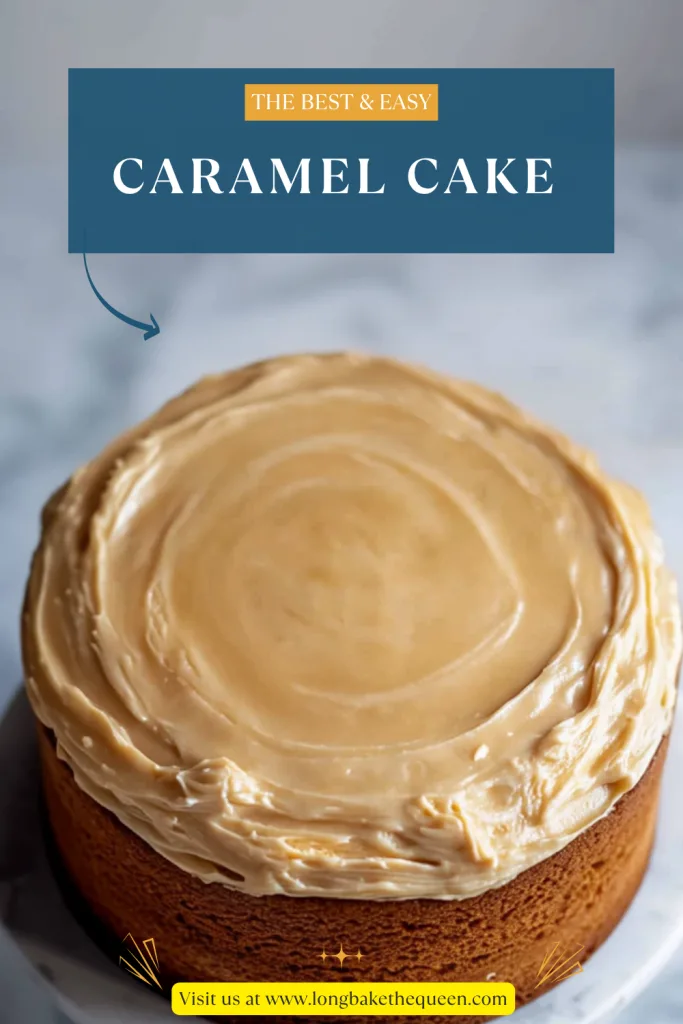
Why you’ll Love this Caramel Cake?
This Caramel Cake is special because it tastes homemade in the truest sense. The cake layers are soft and tender, with buttermilk giving them that gentle tang that keeps the sweetness from becoming too much. Then the homemade caramel frosting comes in with butter, cream, sugar, vanilla, and just a tiny pinch of salt. It’s sweet, yes, but not in a flat way. It has depth. It tastes warm, toasty, and rich, almost like caramel candies melted into a frosting and decided to dress up for company. And honestly, that’s exactly the kind of dessert energy I love.
What I really like about this homemade caramel cake is that it doesn’t need to look perfect. In fact, I think caramel frosting looks better with a few swirls, swoops, and imperfect edges. This isn’t a stiff, polished cake that makes you afraid to cut into it. It’s cozy. A little rustic. The frosting may set quickly, the sides may not be perfectly smooth, and that’s okay. Maybe even better. It feels like something passed down on a handwritten recipe card with a butter stain in the corner. Do you agree? Some cakes just have a little soul, and this one definitely does.
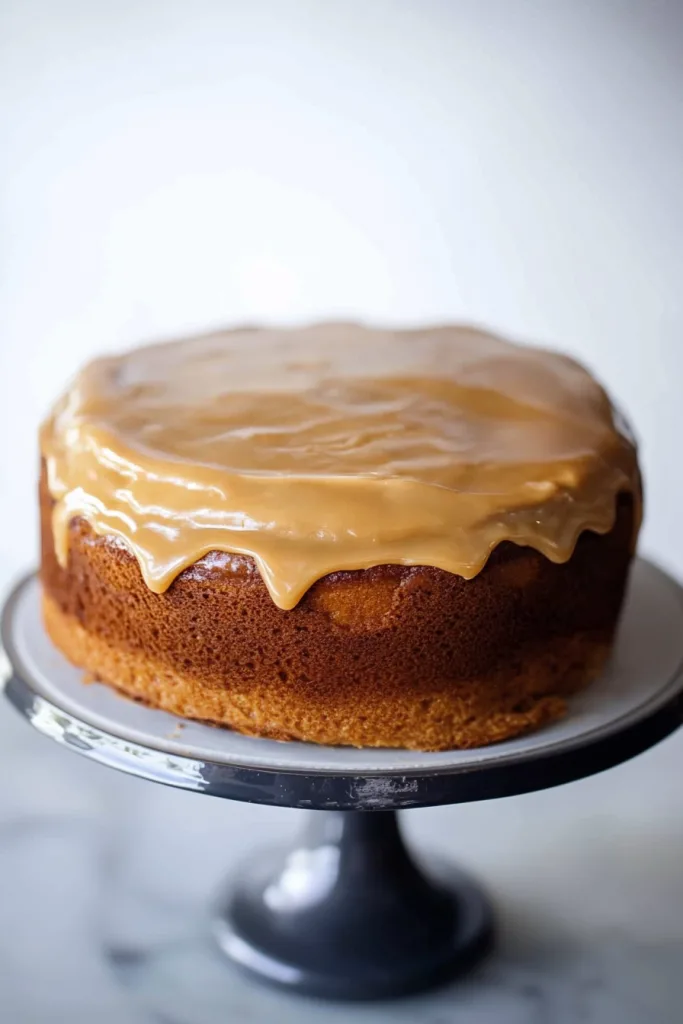
Ingredient Notes
Before you make this Caramel Cake, let’s talk ingredients. Nothing here is wildly fancy, but each one matters. The cake itself uses simple pantry staples: flour, sugar, butter, buttermilk, eggs, baking soda, and vanilla. The frosting is where the caramel magic happens, and that part needs sugar, heavy cream, butter, vanilla, and a pinch of salt. It’s not hard exactly, but it does ask you to stay nearby and pay attention. This is not the moment to wander off and answer a text, because caramel has a flair for drama.
- All-purpose flour: All-purpose flour gives the cake its structure. This recipe uses 2 cups plus 2 tablespoons, which helps the cake layers hold up under that rich caramel frosting without becoming heavy. Sifting the flour with the salt helps smooth things out and prevents little lumps from sneaking into the batter. It’s one of those tiny steps that feels skippable, but I usually do it here because this cake deserves a nice, even crumb.
- White granulated sugar: Sugar sweetens the cake layers and helps give them that soft texture. It also plays the starring role in the caramel frosting, where it gets cooked down into something deeper, richer, and much more interesting than plain sugar. I always think caramel is funny that way. It starts as something so basic, then with heat and patience, it turns into pure dessert gold.
- Salt: Salt may seem small, but please don’t leave it out. This Caramel Cake is sweet, and the salt helps balance everything. It makes the butter taste richer, the vanilla taste warmer, and the caramel frosting taste deeper instead of just sugary. Even that tiny pinch in the frosting matters. It’s like the quiet friend who makes the whole group better.
- Water: Water gets heated with the butter before being poured into the flour mixture. If you’re used to the usual cream-the-butter-and-sugar method, this might feel a little unusual, but it works beautifully. The hot butter-water mixture helps create a smooth batter and gives the cake a soft, tender texture. It’s simple, but there’s a bit of old-fashioned baking wisdom in there.
- Unsalted butter: Butter brings richness to both the cake and the caramel frosting. In the cake, it gives flavor and moisture. In the frosting, it adds body and that buttery finish that makes the caramel taste so dreamy. Since it’s unsalted, you can control the salt level yourself, which is helpful because caramel frosting already has a lot going on.
- Buttermilk: Buttermilk is one of my favorite old-school cake ingredients. It makes the cake tender and adds a soft tang that balances the sweetness. It also works with the baking soda to help the cake rise. If you’ve ever wondered why so many classic cakes use buttermilk, this is why. It gives the crumb that gentle softness you can’t quite fake.
- Eggs: Eggs help hold everything together and give the cake structure. They also add richness. Mix them well with the buttermilk, baking soda, and vanilla before adding that mixture to the batter. This keeps everything smooth and helps the cake bake evenly. Nothing dramatic here, just eggs doing their quiet little cake job.
- Baking soda: Baking soda helps the cake rise, especially because it reacts with the buttermilk. Make sure yours is fresh. I know, I know, nobody wants to check the baking soda, but old baking soda can lead to a sad, flat cake, and after making caramel frosting? We are not accepting sad cake.
- Vanilla: Vanilla adds warmth to both the cake and frosting. It softens the sweetness and makes the caramel taste rounder and richer. In the frosting, it goes in after the mixture comes off the heat, which helps preserve that lovely vanilla flavor. It’s a simple ingredient, but it makes the whole cake feel more complete.
- Heavy cream: Heavy cream gives the caramel frosting its rich, silky texture. This is not the place I’d swap in regular milk if I could avoid it. Heavy cream helps the frosting become smooth, creamy, and spreadable. It also gives the caramel that almost candy-like richness without making it hard.
- Caramel frosting sugar: The frosting uses sugar in two stages, and this is where the flavor gets interesting. Most of the sugar cooks with the butter and cream, while a smaller amount melts separately into a syrup before being added in. That melted sugar gives the frosting its deeper caramel flavor. It’s the part that requires a little nerve, but once you see it come together, it feels pretty satisfying. Like winning a tiny kitchen battle.
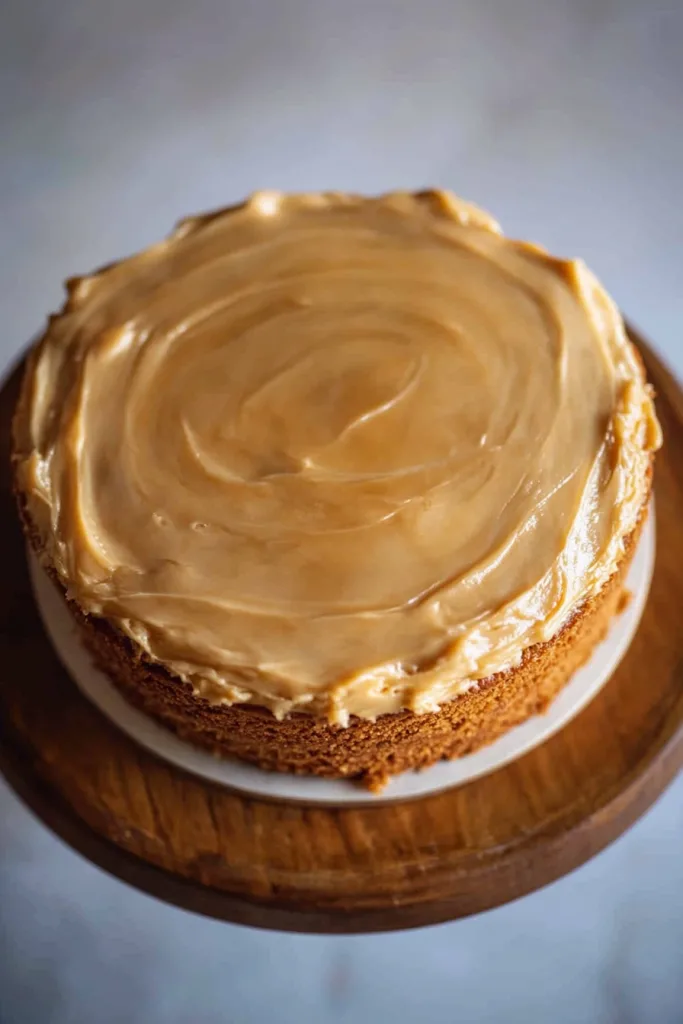
How to Make Caramel Cake?
Making Caramel Cake has two main parts: the cake layers and the caramel frosting. The cake is fairly simple and comes together with a hot butter mixture and a buttermilk mixture. The frosting is a little more hands-on, but don’t let it scare you. Just measure everything before you start, stay near the stove, and use a candy thermometer if you have one. Caramel is much less intimidating when you’re prepared. It still has attitude, but less of it.
Step 1: Prepare the cake pans
Preheat your oven to 350°F. Butter and flour two 9-inch round cake pans, making sure to coat the bottoms and sides well. If you want to be extra safe, line the bottoms with parchment paper too. I highly recommend it because nothing ruins your baking mood faster than a cake layer that refuses to leave the pan. Especially when caramel frosting is waiting.
Step 2: Mix the dry ingredients
Sift the flour and salt into a large bowl. Add the sugar and whisk everything together until blended. This gives you a smooth dry mixture and helps spread the salt evenly through the batter. It’s not a flashy step, but it matters. A good cake starts quietly sometimes.
Step 3: Heat the butter and water
In a saucepan, combine the water and unsalted butter. Heat the mixture until it comes to a boil. Once it’s boiling, you’ll pour it over the flour and sugar mixture. This hot liquid helps create a smooth batter and gives the cake a tender, almost old-fashioned texture. It might feel a little different if you’re used to traditional cake mixing, but trust the process. It works.
Step 4: Mix the buttermilk mixture
In a separate bowl, combine the buttermilk, eggs, baking soda, and vanilla. Stir until everything is well blended. This mixture adds moisture, flavor, and lift to the cake. Make sure the eggs are fully mixed in so you don’t end up with streaks in the batter. Not the end of the world, but smooth is better here.
Step 5: Bring the cake batter together
Pour the boiling butter and water mixture over the flour mixture and stir until smooth. Then add the buttermilk mixture and stir again until everything is fully combined. The batter should look smooth and pourable. Don’t overmix it, but do scrape the bottom of the bowl because flour loves to hide down there like it has somewhere better to be.
Step 6: Bake the cake layers
Divide the batter evenly between the two prepared cake pans. Bake for 20 to 25 minutes, checking with a toothpick after about 15 minutes just to be safe. The cakes are done when the toothpick comes out clean or with a few moist crumbs. Let the layers cool in the pans for 15 minutes, then turn them out onto parchment-lined racks to cool completely. And yes, completely. Warm cake and caramel frosting can turn into a slippery situation real quick.
How to Make the Caramel Frosting
The caramel frosting is the heart of this Caramel Cake. It’s rich, buttery, sweet, and a little bit temperamental. You’ll need two saucepans, a little focus, and ideally a candy thermometer. It sounds more dramatic than it is, but cooked sugar does deserve respect. Hot caramel is not the time for chaos. Or bare feet in the kitchen, now that I think about it.
Step 1: Start the creamy base
In a large saucepan, add 2 cups of sugar, the butter, heavy cream, and a pinch of salt. Cook over medium heat until the mixture is almost at a boil. Stir gently and keep an eye on it. This becomes the creamy base for the frosting, so you want it warm, smooth, and ready for the melted sugar syrup.
Step 2: Melt the sugar syrup
In a second saucepan, add 1/2 cup of sugar. Do not stir it. Let the sugar melt over heat, gently shaking the pan once in a while to move it around. The sugar will melt into a syrup and start to deepen in color. Watch it closely. Caramel can go from golden and beautiful to burnt and bitter faster than you can say, “Wait, what happened?” So stay close.
Step 3: Combine the caramel mixtures
Carefully pour the melted sugar syrup into the larger saucepan with the cream, butter, and sugar mixture. Be careful because hot sugar is serious business. Continue cooking over medium to medium-high heat until the mixture reaches the soft-ball stage, about 232°F on a candy thermometer. If you don’t have a thermometer, this part is trickier, so I really do recommend using one. It saves you from guessing, and caramel guessing is not my favorite sport.
Step 4: Add the vanilla and cool
Remove the saucepan from the heat and stir in the vanilla. Let the caramel mixture cool for about 15 minutes. This helps it thicken before beating. If it’s too hot, it may stay too loose. If it cools too much, it may get too firm. I know, caramel is a little needy. But the flavor is worth the babysitting.
Step 5: Beat the frosting
Using a hand mixer, beat the cooled caramel mixture until it becomes a spreadable frosting. It should thicken and turn creamy. If it gets too thick, add a little heavy cream at a time until it loosens to the texture you want. Once it reaches frosting consistency, work fairly quickly because caramel frosting firms as it sits. This is not the moment to pause and check social media. The frosting will not wait politely.
Step 6: Frost the cake
Place one cooled cake layer on a serving plate. Spread caramel frosting over the top, then place the second cake layer on top. Frost the top and sides with the remaining caramel frosting. Don’t stress if it isn’t perfectly smooth. A few swirls and soft edges make this homemade caramel cake look cozy and real. Honestly, I think that’s part of its charm.
Storage Options
This Caramel Cake can be stored at room temperature for 1 to 2 days if your kitchen is cool. Keep it covered with a cake dome or in an airtight container so it doesn’t dry out. The caramel frosting will firm up as it sits, and that’s normal. It’s still delicious. Maybe even a little better after the flavors settle. Cake has a way of doing that.
For longer storage, refrigerate the cake for up to 5 days. Before serving, let the slices sit at room temperature for 20 to 30 minutes so the frosting softens and the cake tastes its best. You can also freeze the unfrosted cake layers for up to 2 months. Wrap each cooled layer tightly in plastic wrap and foil, then thaw before frosting. I don’t usually recommend freezing the fully frosted cake because caramel frosting can change texture after thawing, but if you need to freeze slices, wrap them well and thaw gently in the fridge.
Variations & Substitutions
This Caramel Cake is lovely as written, but you can play with it a little. Add pecans, make it salted caramel, bake it as a sheet cake, or turn it into cupcakes. The base is classic, which means it can handle a few twists. Just be gentle with the caramel frosting process. You can improvise flavors, but caramel temperature is not really a “close enough” situation. Learned that one the sticky way.
- Make it salted caramel: Add a slightly bigger pinch of salt to the frosting or sprinkle flaky sea salt over the finished cake. This gives the cake a sweet-salty balance and makes the caramel flavor taste deeper. Start small, though. You want salted caramel, not “someone dropped the salt shaker.”
- Add pecans: Toasted chopped pecans are wonderful with Caramel Cake. Sprinkle them between the layers, press them onto the sides, or scatter them over the top. Pecans add crunch and a nutty flavor that pairs beautifully with caramel. Very Southern dessert table vibes, in the best way.
- Use brown sugar in the cake: You can replace part of the white sugar in the cake with light brown sugar for a slightly deeper flavor. It adds a soft molasses note that works nicely with the caramel frosting. The texture may change just a little, but it can be a delicious variation.
- Make cupcakes: This batter can be baked as cupcakes for easier serving. They’ll bake faster than cake layers, so keep an eye on them. Once cooled, spread or swirl the caramel frosting on top. Little caramel cakes are dangerous, though. Too easy to grab. Ask me how I know.
- Add vanilla bean: Vanilla bean paste in the batter or frosting gives a deeper vanilla flavor and those pretty little specks. It’s not necessary, but it adds a little extra something if you have it on hand.
- Drizzle with caramel sauce: If you want more caramel flavor, drizzle a little caramel sauce over the frosted cake before serving. Keep it light because the frosting is already rich. But a little glossy drizzle? Very pretty. Very tempting.
- Bake it as a sheet cake: If you want an easier option, bake the cake in a 9 x 13-inch pan and spread the caramel frosting over the top. No stacking, no layer worries, just one big beautiful caramel cake. Perfect for potlucks, family dinners, or any gathering where ease matters.
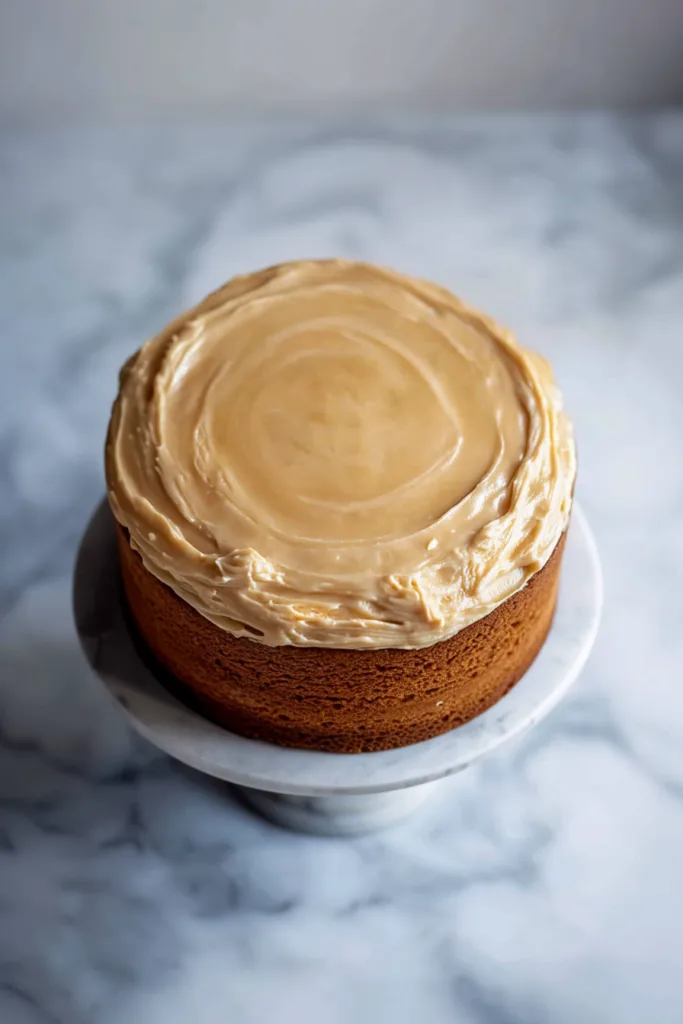
What to Serve With Caramel Cake?
Caramel Cake is rich, sweet, and buttery, so you don’t need a lot beside it. Still, a good pairing can balance the sweetness and make each slice even better. I like serving it with something simple, like coffee, tea, milk, or berries. The cake is the main character here. The sides are just showing up to support her.
- Coffee: Coffee is probably my favorite thing to serve with Caramel Cake. The slight bitterness balances the sweet caramel frosting beautifully. A hot cup of coffee and a slice of this cake feels like a proper afternoon treat, especially if you get five quiet minutes to enjoy it. Rare, but beautiful.
- Black tea: Black tea also pairs really nicely with caramel. Earl Grey, English breakfast, or a plain strong black tea cuts through the richness without overpowering the cake. It’s simple and cozy.
- Cold milk: A glass of cold milk with caramel cake feels very classic. Maybe even a little childhood-ish. The cake is sweet and rich, and the milk cools everything down. Sometimes simple really is best.
- Vanilla ice cream: If you want to go all in, serve a slice with vanilla ice cream. Yes, it’s sweet. Yes, it’s rich. Yes, it’s probably over the top. But sometimes dessert should be over the top, don’t you think?
- Fresh berries: Strawberries, raspberries, or blackberries add a fresh, tart contrast to the caramel frosting. They also make the plate look prettier without much effort. I always appreciate a low-effort garnish that makes me look like I planned ahead.
- Toasted pecans: A handful of toasted pecans on the side or sprinkled over the top adds crunch and nutty flavor. Pecans and caramel are such a natural match that it almost feels rude not to consider them.
FAQ
Why is my caramel frosting too thick?
Caramel frosting can get too thick if it cools too much or if it’s beaten too long. Add a little heavy cream, one small splash at a time, and beat until it becomes spreadable again. Work quickly once it reaches the texture you like because caramel frosting keeps firming as it sits. It’s delicious, but it does not wait around for anyone.
Why is my caramel frosting too runny?
If the frosting is too runny, it may not have cooked long enough or reached the right temperature. You’re aiming for about 232°F, which is the soft-ball stage. Let it cool and beat it again. If it still doesn’t thicken, it may need more cooking next time. A candy thermometer makes this much easier and saves a lot of guessing.
Can I make Caramel Cake ahead of time?
Yes, you can make Caramel Cake ahead. You can bake the cake layers a day in advance and store them tightly wrapped at room temperature. I prefer making the frosting and assembling the cake the day it will be served, because caramel frosting has the nicest texture when fresh. But you can refrigerate the finished cake and let it sit at room temperature before serving.
How do I keep Caramel Cake moist?
Don’t overbake the cake layers, and keep the cake covered once it’s frosted. The buttermilk and oil help the cake stay tender, but storage matters too. A cake dome or airtight container will help prevent the layers from drying out. Covered cake is happy cake, and happy cake is what we want.
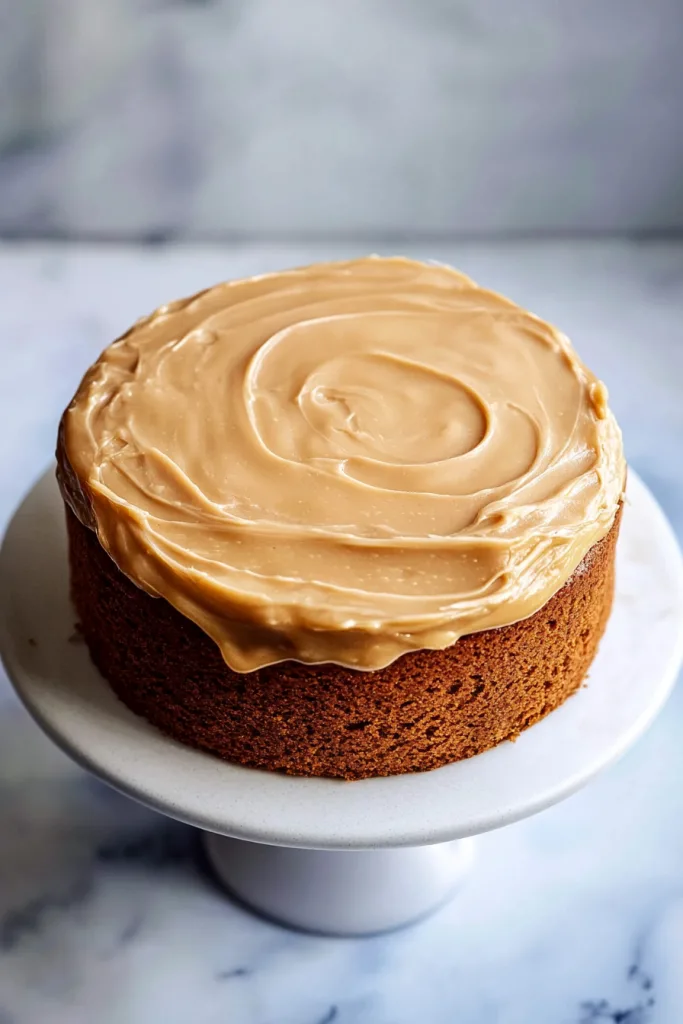
This Caramel Cake is rich, buttery, sweet, and full of that old-fashioned charm that makes a dessert feel special. The cake layers are soft and tender, and the homemade caramel frosting brings that deep, cozy sweetness you just can’t fake. It takes a little patience, especially with the frosting, but the reward is a cake that feels like a celebration.
So grab the butter, sugar, cream, and maybe your candy thermometer, and make this homemade caramel cake when you want something warm, nostalgic, and seriously delicious. And when you try it, I’d love to know — are you making it for a holiday, a birthday, Sunday dinner, or just because caramel cake sounded too good to ignore?
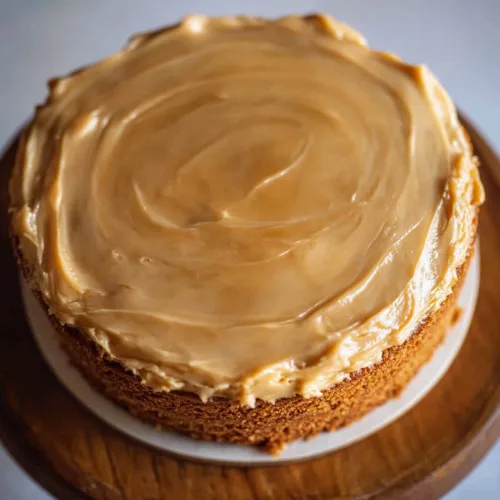
Caramel Cake
Ingredients
For the Cake
- 2 c plus 2 tbsp all-purpose flour
- 2 c white granulated sugar
- 1/4 tsp salt
- 1 c water
- 2 sticks unsalted butter
- 1/2 c buttermilk
- 2 large eggs
- 1 tsp baking soda
- 1 tsp vanilla extract
For the Caramel Frosting
- 3 c granulated sugar divided
- 1 c heavy cream
- 1 stick butter
- 2 tsp vanilla extract
- Pinch of salt
Instructions
- Preheat the oven to 350°F.
- Butter and flour two 9-inch round cake pans. Set aside.
- Sift the all-purpose flour and salt into a large mixing bowl.
- Add the granulated sugar and whisk until evenly combined.
- In a saucepan, combine the water and unsalted butter.
- Bring the butter and water mixture to a boil.
- In a separate bowl, combine the buttermilk, eggs, baking soda, and vanilla extract.
- Mix until fully blended.
- Once the butter and water mixture reaches a boil, pour it over the flour mixture.
- Stir until the batter is smooth.
- Add the buttermilk mixture to the batter.
- Stir until fully combined and smooth.
- Divide the batter evenly between the prepared cake pans.
- Bake for 20 to 25 minutes, or until a toothpick inserted into the center comes out clean.
- Begin checking the cakes after 15 minutes to avoid overbaking.
- Allow the cakes to cool in the pans for 15 minutes.
- Turn the cakes out onto parchment-lined cooling racks.
- Allow the cake layers to cool completely before frosting.
Caramel Frosting Instructions
- Prepare two saucepans for the frosting.
- In a large saucepan, combine 2 c granulated sugar, heavy cream, butter, and a pinch of salt.
- Cook over medium heat until the mixture is close to boiling.
- In a second saucepan, add 1/2 c granulated sugar.
- Heat the sugar without stirring.
- Gently shake the pan occasionally to move the sugar as it melts.
- Continue heating until the sugar melts into a caramel syrup.
- Carefully pour the caramel syrup into the large saucepan with the cream mixture.
- Continue cooking over medium to medium-high heat until the frosting reaches the soft-ball stage, approximately 232°F on a candy thermometer.
- Remove the saucepan from the heat.
- Stir in the vanilla extract.
- Allow the caramel mixture to cool for 15 minutes.
- Using a hand mixer, beat the cooled caramel mixture until it reaches a spreadable frosting consistency.
- If the frosting becomes too thick, add a small amount of heavy cream, one spoonful at a time, until the desired consistency is reached.
- Place one cooled cake layer on a serving plate.
- Spread a layer of caramel frosting over the top.
- Place the second cake layer over the frosted layer.
- Spread the remaining caramel frosting over the top and sides of the cake.
- Allow the frosting to set before slicing and serving.
Notes