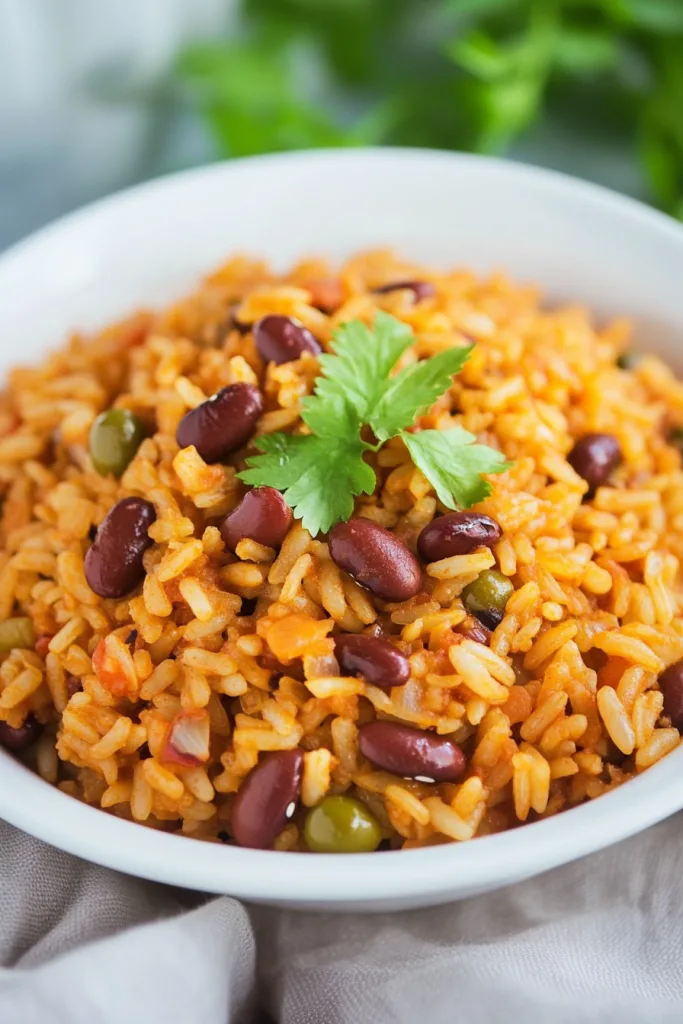
Arroz Moros Recipe made with vegetable oil, red onion, bell pepper, garlic, cilantro, tomato sauce, chicken bouillon, sazón, oregano, adobo, black pepper, red kidney beans, water, and long-grain white rice.
There are some dishes that don’t need to shout to get your attention. They just sit on the plate, warm and savory, doing their job beautifully. That’s how I feel about this Arroz Moros Recipe. It’s rice and beans, yes, but not the plain kind you make because you “need a side.” This is the kind of rice that has color, smell, seasoning, personality — the whole thing. Honestly, it makes a plate look complete before you even add the meat.
I’ve always had a soft spot for one-pot rice dishes. Maybe because they feel practical and comforting at the same time. You start with a little oil, onion, bell pepper, garlic, and cilantro, and suddenly the kitchen smells like someone knows exactly what they’re doing. Even if you’re still looking at the recipe every two minutes. No judgment, I do that too. This Arroz Moros Recipe, also known as Moro de Habichuelas Rojas, has that cozy Dominican-style flavor that feels like it belongs at a family table, especially beside pollo guisado, pernil, fried plantains, or a big slice of avocado.
There’s something kind of emotional about rice and beans when it’s done well. It’s humble food, but it doesn’t feel small. It stretches. It feeds people. It sits next to almost anything and somehow makes the meal feel more generous. I think that’s why Dominican rice and beans has such a permanent place in home cooking. It’s not trying to be fancy, but it has this quiet confidence. Like, “Yes, I’m the side dish, but everybody’s coming back for me.”
The first time I made moro, I’ll admit, I kept wanting to lift the lid. I wanted to check if the rice was behaving. Rice is funny like that — it makes you nervous because it looks simple, but it can absolutely humble you. One minute it’s perfect, the next it’s mushy, crunchy, or stuck to the bottom like it signed a lease. The trick with this Moro de Habichuelas Rojas recipe is letting the rice steam once the lid goes on. You cook it uncovered first until the liquid is mostly absorbed, then cover it and leave it alone. I know. Very hard. But worth it.
I always think of that moment like the rice needing privacy. You did your part, now let the steam do its work. If you grew up around anyone who cooked rice often, you probably heard some version of, “Don’t touch that pot.” And honestly? They were right. A little bossy maybe, but right.
What I love about this Arroz Moros Recipe is how the beans and rice cook together instead of being mixed at the end. The red kidney beans go in with their liquid, which gives the rice color and extra flavor. The tomato sauce, sazón with achiote, oregano, adobo, bouillon, garlic, onion, and bell pepper all create a savory broth before the rice even joins the party. Then the rice soaks it all up. Every grain gets seasoned. That’s the difference between rice that just exists and rice that makes you say, “Wait, let me get a little more.”
This is also one of those dishes that feels right for so many occasions. A Sunday dinner. A holiday plate. A casual weeknight when you want something hearty without making a huge mess. It serves 6, which is lovely if you’re feeding people, but also lovely if you believe in leftovers. I do. Leftover Dominican moro rice with a fried egg the next day? Not glamorous, maybe, but deeply satisfying.

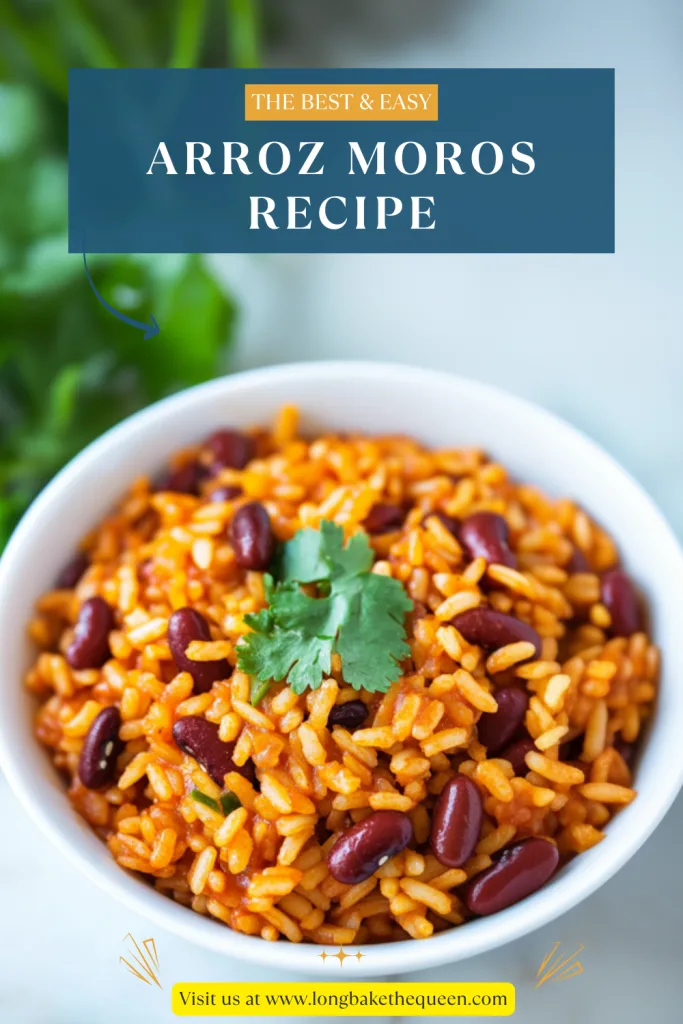
Why you’ll Love this Arroz Moros Recipe?
You’ll love this Arroz Moros Recipe because it turns simple pantry ingredients into a dish that tastes rich, warm, and comforting. Rice, beans, onion, bell pepper, garlic, cilantro, tomato sauce, and seasonings may not sound dramatic on their own, but together they make something really satisfying. It’s the kind of recipe that reminds you that good food doesn’t always need to be complicated.
One of the best things about this Dominican Arroz Moros is the one-pot method. Everything cooks together in the same pot, so the rice absorbs the bean liquid, tomato sauce, bouillon, sazón, oregano, adobo, and aromatics. You don’t get bland rice with beans scattered around. You get rice that tastes seasoned all the way through. There’s a big difference, and you can taste it.
This Moro de Habichuelas Rojas is also practical. Canned red kidney beans make the recipe easy, and using the bean liquid means you get more flavor without adding another step. I know dried beans are wonderful, and yes, they have their moment. But some days, canned beans are the difference between making dinner and ordering something because everyone is hungry now. We’re being honest here.
The texture is another reason this recipe works. Long-grain white rice cooks up fluffy when it’s rinsed and handled properly. The beans stay soft and hearty. The seasonings cling to everything. When it’s done right, the rice is tender but not mushy, and the beans are mixed throughout without getting smashed into paste. That’s the goal, at least. And if a few beans break? That’s normal. Real food does that.
I also like how flexible this Arroz Moros Recipe is on the plate. It can be a side dish, but it doesn’t disappear beside the main meal. It holds its own with stewed chicken, roasted pork, grilled fish, beef, plantains, avocado, or even eggs. It’s friendly food. It gets along with everybody.
And let’s not ignore the budget-friendly part. Rice and beans are filling, affordable, and comforting. This recipe makes a generous pot without asking for anything too expensive or hard to find. It feels like the kind of cooking people return to again and again because it just makes sense.
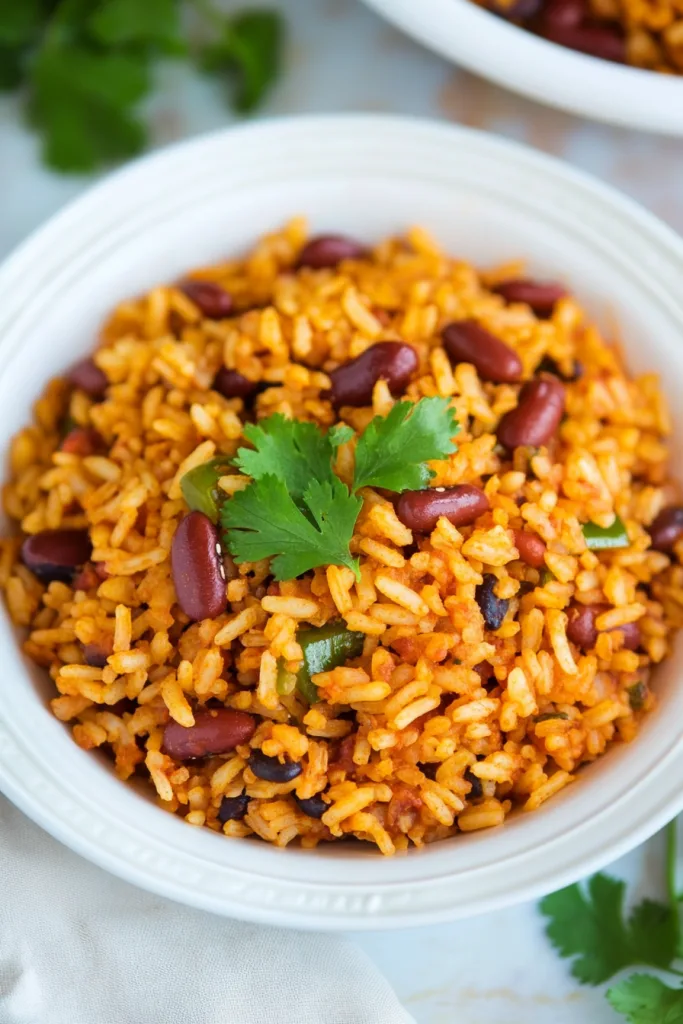
Ingredient Notes
The ingredients in this Arroz Moros Recipe are simple, but each one matters. This isn’t a recipe where one big ingredient does all the work. It’s more like a little team effort. The aromatics create the base, the seasonings bring warmth, the beans add body, and the rice carries everything. Nothing too fancy, but very flavorful.
- Vegetable oil: Vegetable oil helps sauté the onion, bell pepper, and garlic. A neutral oil works well because it lets the seasonings and beans stand out. You just need enough to soften the aromatics and start building flavor.
- Red onion: Red onion adds sweetness and depth. Once it cooks down a bit, it blends into the base of the moro and gives the rice a more rounded flavor. You can use yellow onion if needed, but red onion adds a nice touch.
- Bell pepper: Bell pepper brings color and mild sweetness. Green bell pepper gives a more savory flavor, while red bell pepper tastes a little sweeter. Either works in this Dominican rice and beans recipe, so use what you have.
- Garlic: Garlic makes the pot smell good almost immediately. It adds that savory base flavor that works so well with rice, beans, and tomato sauce. Just don’t burn it, because burned garlic is dramatic in a bad way.
- Fresh cilantro: Cilantro adds freshness and a little herbal brightness. It’s only a tablespoon, but it helps keep the flavor from feeling too heavy.
- Tomato sauce: Tomato sauce adds color, body, and a bit of acidity. It helps pull the seasonings together before the beans and rice go in.
- Chicken bouillon cubes: Bouillon cubes add savory chicken flavor and saltiness. They make the rice taste fuller and more seasoned. Since bouillon is already salty, you usually don’t need extra salt.
- Sazón with achiote: Sazón with achiote gives the rice its warm color and Latin-style flavor. It helps make this Arroz Moros Recipe look and taste more complete.
- Dried oregano: Oregano adds earthy warmth. Dominican oregano is lovely if you have it, but regular dried oregano works fine too. No need to panic over it.
- Adobo seasoning: Adobo adds savory flavor and helps round out the seasoning. It usually has salt, garlic, and spices, so a little goes a long way.
- Black pepper: Black pepper gives mild heat and balance. It’s not meant to make the dish spicy, just more flavorful.
- Red kidney beans: Canned red kidney beans make this recipe quick and easy. Use them undrained because that bean liquid adds color, flavor, and richness to the rice.
- Water: Water combines with the bean liquid, tomato sauce, bouillon, and spices to cook the rice. It becomes a seasoned broth rather than plain cooking liquid.
- Long-grain white rice: Long-grain white rice is best because it cooks fluffy and separate. Rinse and drain it first to remove extra starch, which helps prevent sticky or mushy rice.
How to Make Arroz Moros Recipe?
Making this Arroz Moros Recipe is mostly about building flavor early and then leaving the rice alone when it needs to steam. The first few steps create a seasoned broth, and after that, the rice does its quiet little transformation. The hardest part, honestly, might be not peeking under the lid.
Step 1: Heat the oil.
Heat the vegetable oil in a large caldero or heavy-bottomed pot over medium heat. A caldero is perfect if you have one because it holds heat well, but any sturdy pot with a tight lid can work. Don’t overthink it too much. The pot just needs to cook evenly.
Step 2: Cook the onion, bell pepper, and garlic.
Add the finely diced red onion, diced bell pepper, and minced garlic. Cook for about 2 minutes, stirring occasionally, until the vegetables soften and smell fragrant. This is where the flavor starts, so give it a minute to wake up.
Step 3: Add the tomato sauce and seasonings.
Add the chopped cilantro, tomato sauce, bouillon cubes, sazón, oregano, adobo, and black pepper. Stir well and cook for about 1 minute. This helps the tomato sauce and seasonings blend into the aromatics. It should smell savory and warm at this point.
Step 4: Add the beans and water.
Pour in the red kidney beans with their liquid, then add the water. Stir everything together. The liquid from the beans is important because it gives the rice its color and flavor. This is not the time to drain and rinse them.
Step 5: Bring the liquid to a boil.
Increase the heat to medium-high and bring the mixture to a boil. This helps dissolve the bouillon cubes and gives the broth a chance to come together before the rice is added.
Step 6: Add the rice.
Add the rinsed and drained long-grain white rice. Stir well so the rice is evenly spread through the beans and broth. Try to make sure the rice is distributed across the pot, not piled in one corner.
Step 7: Cook uncovered until the liquid absorbs.
Cook uncovered over medium heat, stirring occasionally, until most of the liquid has been absorbed and the surface of the rice looks dry. This takes about 10 minutes. The rice will still need steaming time, so don’t worry if it isn’t fully tender yet.
Step 8: Cover and steam.
Reduce the heat to low, cover the pot tightly, and cook undisturbed for 25 minutes. This is the “leave it alone” part. I know it’s tempting to check. Resist. The steam is finishing the rice.
Step 9: Fluff gently.
Uncover the pot and gently fluff the rice with a fork or spoon. Be careful not to mash the beans too much. You want to loosen the rice, not turn everything into a bean-and-rice mash.
Step 10: Cover again and finish.
Cover the pot again and cook for 5 more minutes on low heat. This final steam helps the rice settle and finish cooking evenly.
Step 11: Serve warm.
Serve this Arroz Moros Recipe warm as a side dish or as part of a bigger meal. It goes beautifully with chicken, pork, beef, fish, plantains, avocado, or a fresh salad.
Storage Options
This Arroz Moros Recipe stores really nicely, which is one of those small joys if you like leftovers. And I do. Rice and beans can taste even better the next day because the flavors have more time to settle in. It’s not always the same texture as fresh from the pot, but it’s still good. Sometimes very good.
Let the rice cool before storing it. Transfer it to an airtight container and refrigerate for up to 4 days. Try not to leave cooked rice sitting out for too long. Once it cools down, get it into the fridge.
To reheat in the microwave, place a serving in a microwave-safe bowl and sprinkle a little water over the top. Cover loosely and heat in short intervals, stirring between each one. The water helps bring moisture back so the rice doesn’t dry out.
You can also reheat Dominican moro rice on the stovetop. Add it to a skillet or pot with a splash of water, cover, and warm over low heat. Stir gently so the beans stay mostly whole.
For freezing, place cooled rice in freezer-safe containers or bags. Freeze for up to 2 months. Thaw overnight in the refrigerator before reheating. The rice may be slightly softer after freezing, but the flavor should still be comforting and savory.
If you like meal prep, portion the rice into smaller containers before freezing. It makes future lunches easier. And future-you deserves easy lunches.
Variations & Substitutions
This Arroz Moros Recipe is classic with red kidney beans, but like many home-cooked dishes, there’s room for variation. Different families make moro in slightly different ways, and that’s part of the charm. The basic idea stays the same: rice, beans, aromatics, and seasonings cooked together in one pot.
- Use black beans: Black beans can be used for a version closer to Cuban-style Moros y Cristianos. The color will be darker and the flavor a little different, but still delicious.
- Use pinto beans: Pinto beans have a softer, earthier flavor. They work well with the same seasonings and make a comforting variation.
- Use cooked dried beans: Cooked dried beans can replace canned beans. Use about 1 1/2 cups cooked beans and some of their cooking liquid. Just make sure the beans are tender before adding them.
- Use chicken broth instead of water: Chicken broth adds extra savory flavor. If you use broth, you may want to reduce the bouillon or seasoning slightly so the dish doesn’t become too salty.
- Make it vegetarian: Use vegetable bouillon instead of chicken bouillon. This keeps the dish flavorful while making it meat-free.
- Add olives: Sliced green olives add a briny, salty bite. Some people love that flavor in rice dishes, while others prefer the simpler version. I could go either way depending on the meal.
- Add smoked meat: Cooked bacon, ham, or smoked sausage can add richness. Add it with the aromatics or seasonings so the flavor spreads through the rice.
- Use brown rice: Brown rice can work, but it needs more liquid and a longer cooking time. The texture will be heartier and a little nuttier.
- Add more herbs: Extra cilantro or culantro adds deeper herbal flavor. Culantro, if you can find it, gives a more traditional Caribbean-style punch.
What to Serve With Arroz Moros Recipe?
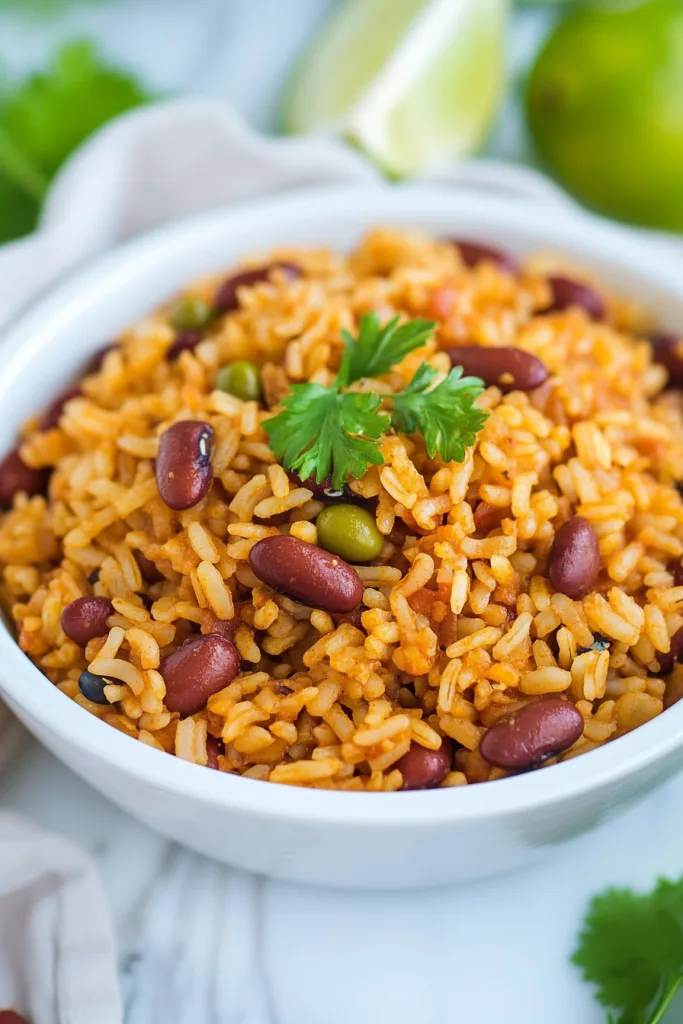
This Arroz Moros Recipe is hearty and savory, so it pairs well with lots of main dishes. It’s technically a side, but it has enough flavor to feel important. You can serve it with saucy meats, crispy plantains, fresh avocado, or even something simple like eggs. It’s flexible like that.
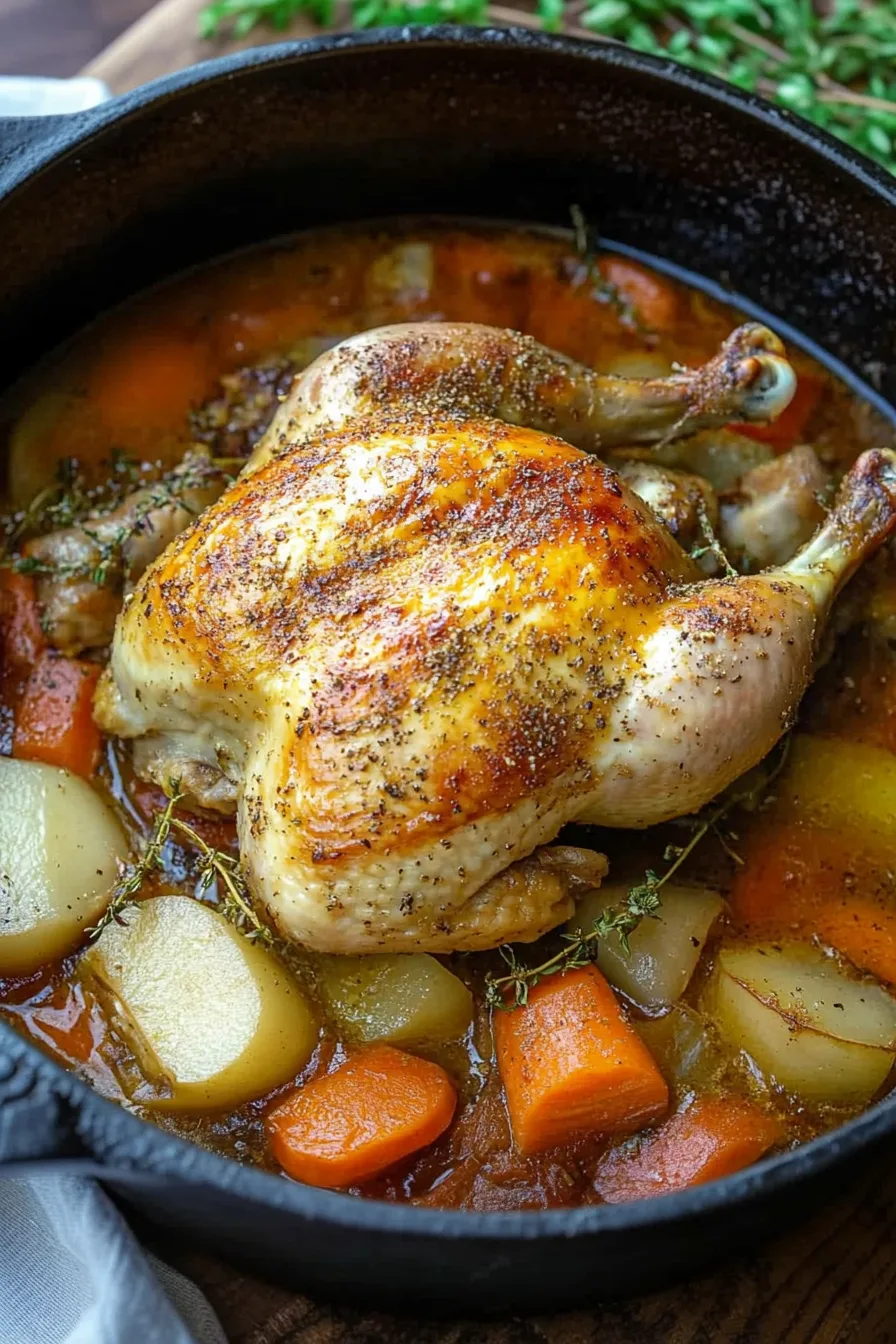
- Roasted chicken: Roasted chicken and arroz moros make a cozy, satisfying plate. The savory rice works beautifully with juicy chicken.
- Pollo guisado: Dominican stewed chicken is one of the best pairings. The sauce from the chicken spooned over the rice is just… yes. That’s the plate.
- Pernil: Slow-roasted pork shoulder pairs beautifully with red bean moro. The rich pork and seasoned rice make a hearty meal.
- Carne guisada: Beef stew or braised beef adds deep, saucy flavor. It’s filling, comforting, and perfect with rice and beans.
- Fried plantains: Sweet fried plantains add caramelized sweetness that balances the savory rice. This pairing always feels right.
- Tostones: Crispy green plantains add crunch and a salty bite. They make the plate more fun, honestly.
- Avocado slices: Avocado adds creamy freshness. It’s simple, but it works so well with seasoned rice.
- Green salad: A fresh salad with a bright dressing helps lighten the meal and balance the richness.
- Grilled fish: Grilled or pan-seared fish makes a lighter pairing while still giving you a full meal.
- Fried eggs: Leftover Arroz Moros Recipe with a fried egg on top is not fancy, but it is deeply satisfying. I’d eat that for breakfast, lunch, or a very lazy dinner.
FAQ
Is Arroz Moros the same as Moros y Cristianos?
They are similar, but not always the same. Moros y Cristianos is often made with black beans and is commonly linked to Cuban cooking, while Dominican moro can be made with red beans, black beans, pigeon peas, or other legumes.
Do I have to rinse the rice?
Yes, rinsing the rice is helpful. It removes extra starch, which helps the rice cook fluffier and keeps it from becoming too sticky.
Why is my arroz moros mushy?
It may have too much liquid, the rice may not have been rinsed, or the pot may have been stirred too much after covering. Once the pot is covered, let it steam without disturbing it.
Why is my rice undercooked?
It may need a little more liquid or a few more minutes of steaming. Add a small splash of water, cover the pot, and cook on low until the rice softens.
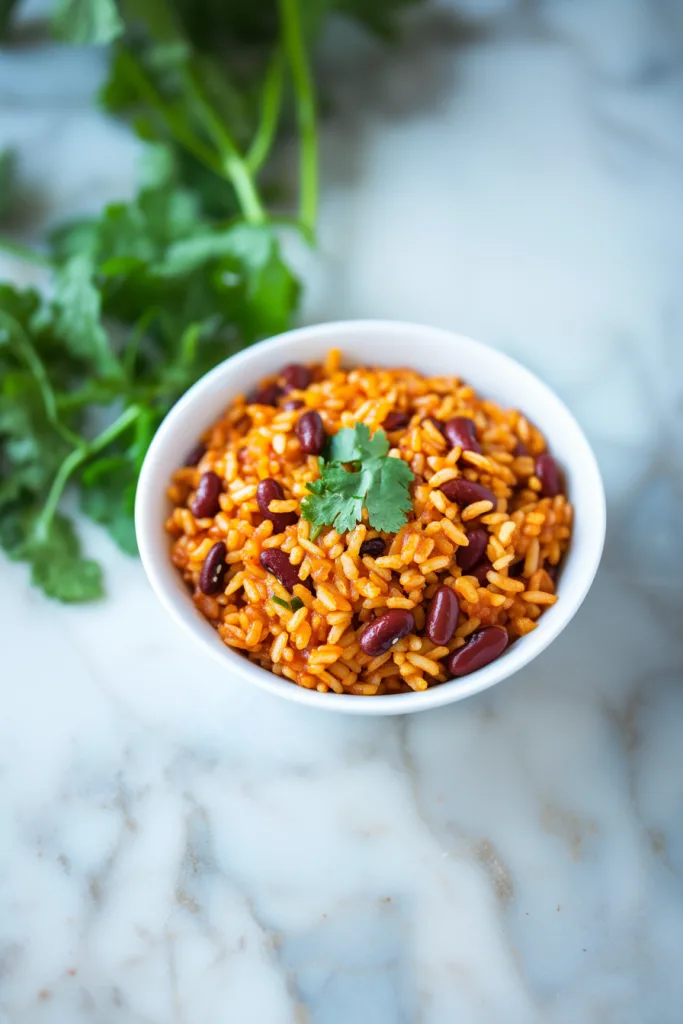
This Arroz Moros Recipe is hearty, savory, and full of Dominican-style comfort. It takes simple ingredients like red kidney beans, rice, onion, bell pepper, garlic, tomato sauce, sazón, oregano, and adobo, then turns them into a one-pot side dish that tastes like it belongs on every good plate.
Make this Arroz Moros Recipe when you want rice that actually brings flavor to the table, not just fills space. Can’t wait to hear what you think — are you serving it with pollo guisado, pernil, fried plantains, or a big slice of avocado?
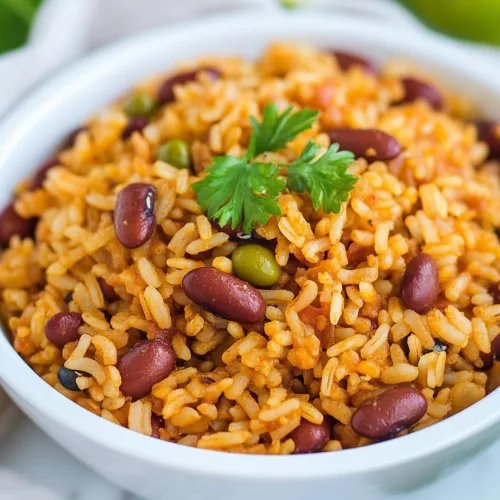
Arroz Moros Recipe
Ingredients
- 3 tbsp vegetable oil
- 1 small red onion finely diced, about 3/4 c
- 1/2 medium bell pepper green or red, finely diced, about 1/2 c
- 2 garlic cloves minced
- 1 tbsp fresh cilantro chopped
- 2 tbsp tomato sauce
- 2 chicken bouillon cubes about 10 g total
- 1 tsp sazón with achiote
- 1 tsp dried oregano
- 1/2 tsp adobo seasoning
- 1/2 tsp ground black pepper
- 1 can red kidney beans 15 oz, undrained
- 3 c water
- 3 c long-grain white rice rinsed and drained
Instructions
Heat the oil.
- Heat the vegetable oil in a large caldero or heavy-bottomed pot over medium heat.
Cook the aromatics.
- Add the finely diced red onion, finely diced bell pepper, and minced garlic. Cook for approximately 2 minutes, stirring occasionally, until the vegetables are softened and fragrant.
Add the herbs and seasonings.
- Add the chopped cilantro, tomato sauce, chicken bouillon cubes, sazón with achiote, dried oregano, adobo seasoning, and ground black pepper. Stir until fully combined.
Cook the seasoning base.
- Cook the mixture for approximately 1 minute, stirring frequently, until the seasonings become fragrant and the tomato sauce is incorporated.
Add the beans and water.
- Pour in the red kidney beans with their liquid and add the water. Stir well to combine.
Bring to a boil.
- Increase the heat to medium-high and bring the mixture to a boil.
Add the rice.
- Add the rinsed and drained long-grain white rice to the pot. Stir well to distribute the rice evenly through the beans and seasoned liquid.
Cook uncovered.
- Cook uncovered over medium heat, stirring occasionally, until most of the liquid has been absorbed and the surface of the rice appears dry, about 10 minutes.
Steam the rice.
- Reduce the heat to low. Cover the pot tightly and cook undisturbed for 25 minutes.
Fluff the rice.
- Uncover the pot and gently fluff the rice with a fork or spoon, taking care not to mash the beans.
Finish cooking.
- Cover the pot again and cook over low heat for an additional 5 minutes.
Serve.
- Serve the arroz moros warm as a side dish or as part of a complete meal.
Notes