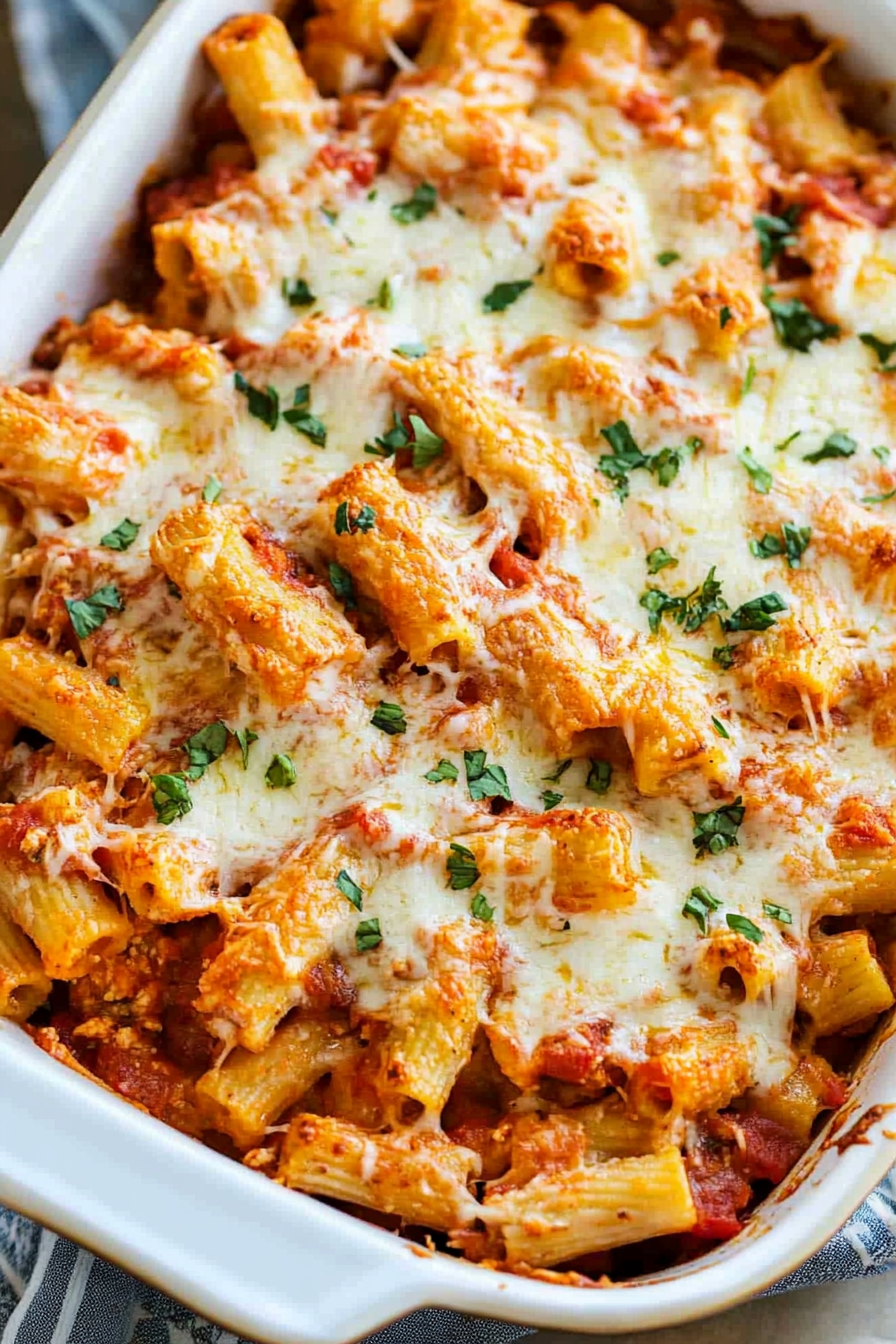
Escalloped Cabbage made with cabbage, butter, milk, flour, mozzarella, cheddar cheese, and simple seasoning, baked until creamy and golden.
I never planned on loving Escalloped Cabbage. Honestly, if I’m being real, cabbage and comfort food didn’t even live in the same mental category for me for a long time. Cabbage was… practical. Sensible. The thing you buy with good intentions and then forget about until it’s slightly questionable. Sound familiar?
The first time I made Escalloped Cabbage, it was a cold evening, the kind where the house feels a little too quiet and you’re not quite hungry but not not hungry either. I wanted something warm and baked and reassuring, but I didn’t want to deal with pasta water or another “big” recipe. I stared into the fridge, saw a head of cabbage, and thought, well… maybe?
I didn’t expect much. And maybe that’s why it hit me the way it did. When it came out of the oven, bubbling and lightly browned, smelling like butter and cheese and something familiar-but-hard-to-name, I knew this wasn’t just another side dish. I took a bite standing up (always a sign it’s good) and felt that quiet little click in my brain that says, Oh. This one’s staying.
Escalloped Cabbage feels like something your grandmother might’ve made, even if she never did. Borrowed nostalgia. Comfort without trying too hard.
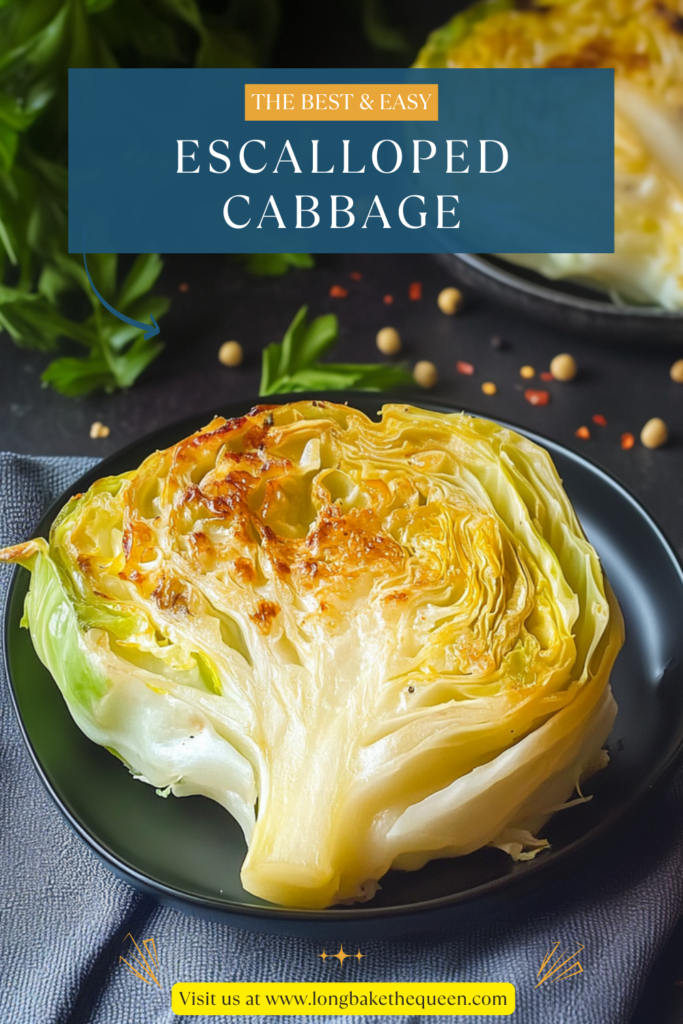
Why you’ll Love this Escalloped Cabbage?
Escalloped Cabbage isn’t flashy. It doesn’t come with dramatic cheese pulls or bold spices or Instagram-worthy layers. And honestly? That’s why it works.
The cabbage softens just enough to lose that raw bite but still holds its shape. The sauce is creamy without being heavy, cheesy without being greasy, and somehow manages to taste rich without making you want to lie down afterward. It’s cozy food. The kind that settles you.
I’ll admit, I wasn’t sure everyone would love it the first time I served it. Cabbage can be… divisive. But every single time, someone goes back for seconds. And usually thirds. And usually with a comment like, “Wait, this is cabbage?”
That’s the magic of Escalloped Cabbage. It surprises people quietly. No announcement needed.
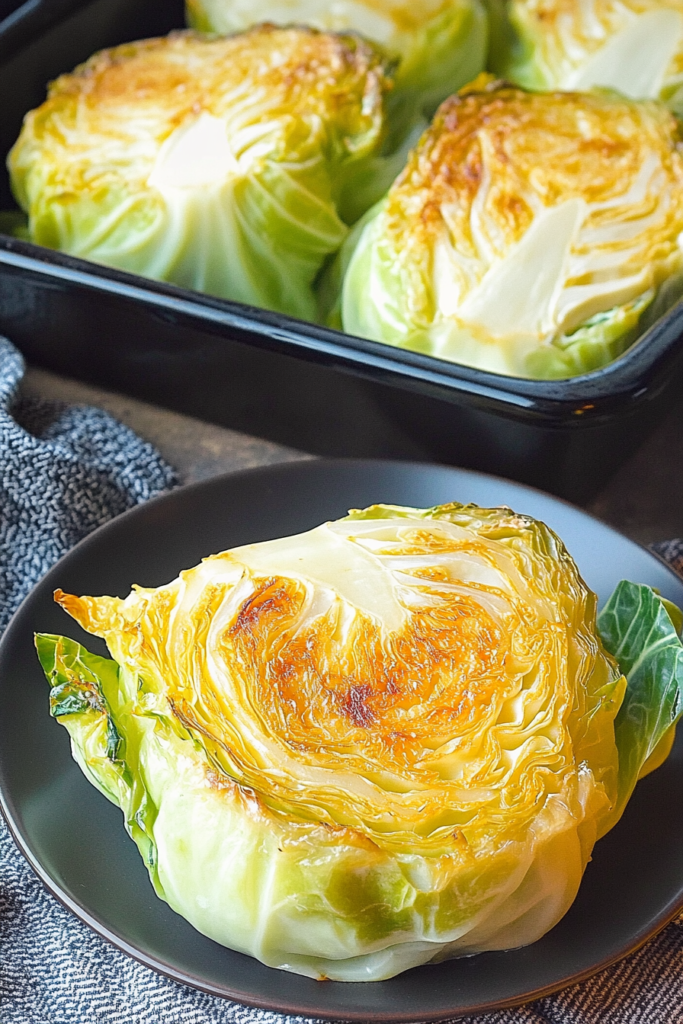
Ingredient Notes
Escalloped Cabbage doesn’t rely on a long ingredient list, which means each thing you use actually matters. No pressure. Just something to keep in mind.
- Cabbage – Green cabbage is your best bet here. Keeping the core intact while parboiling helps the wedges hold together, which makes assembling the casserole way less frustrating.
- Butter & Flour – This is the backbone of the sauce. Take your time with the roux. Rushing it always shows.
- Whole Milk – Whole milk gives you that creamy, comforting texture. You can use lower-fat milk, but it won’t feel quite the same.
- Mozzarella & Sharp Cheddar – Mozzarella melts beautifully; cheddar brings the flavor. Together, they balance each other out.
- Paprika – Mostly for color, but it adds just enough warmth to make the dish feel finished.
- Salt & Pepper – Cabbage loves seasoning. Don’t underdo it.
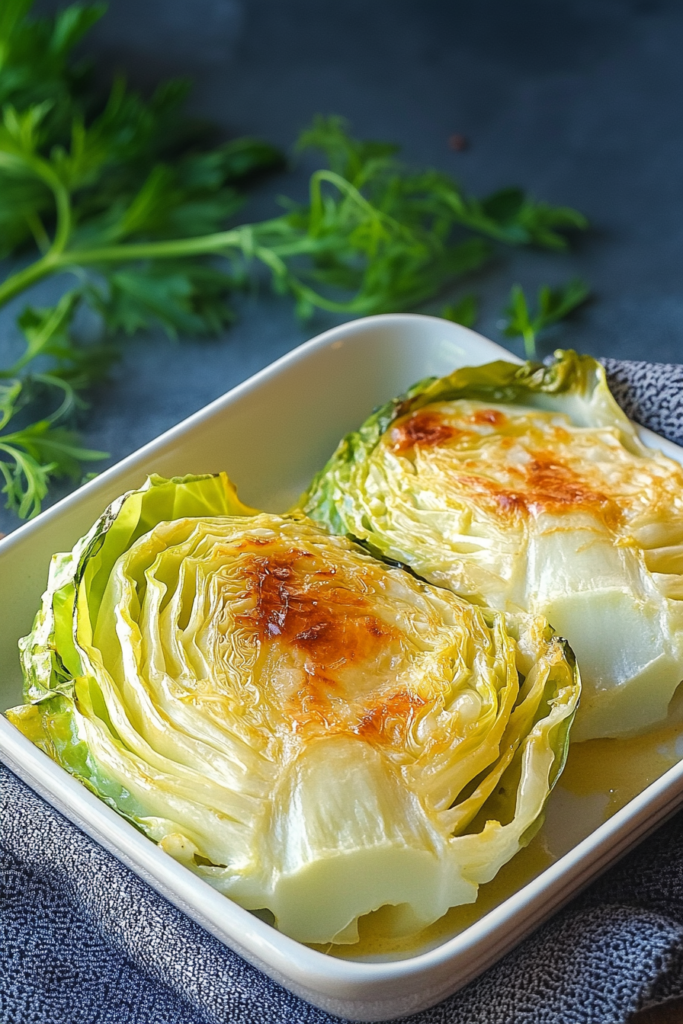
How to Make Escalloped Cabbage?
- Start by parboiling the cabbage wedges in salted water for a minute or two. You’re not trying to cook them through — just soften them enough so they finish beautifully in the oven. Drain them, trim away the cores, and set them aside.
- While the cabbage rests, preheat your oven to 350°F and grease a baking dish. Arrange the cabbage wedges snugly in the dish. If it looks a little messy, that’s fine. This is not a precision sport.
- For the sauce, melt the butter in a skillet, whisk in the flour, and let it cook briefly. Then slowly add the milk, whisking as you go, until the sauce thickens. Once it’s smooth, turn off the heat and stir in the cheese. It should look glossy and smell like something you want to eat with a spoon. (I won’t tell.)
- Pour the sauce over the cabbage, sprinkle with paprika, and bake until the top is golden and bubbling. Let it cool for a minute before digging in — mostly so you don’t burn your mouth. Again. Ask me how I know.
Storage Options
If you have leftovers, Escalloped Cabbage keeps well in the fridge for about three days. Store it covered and reheat gently. The sauce thickens a bit as it sits, which honestly makes it feel even heartier the next day.
Freezing works if you need it, but the sauce can separate slightly when thawed. It’s still good — just not quite as creamy.
Variations & Substitutions
Escalloped Cabbage is forgiving, which makes it fun to adjust depending on mood.
- Swap in Gruyère or Swiss for a nuttier flavor.
- Add sautéed onions or garlic to the sauce if you want more depth.
- Stir in crispy bacon when you’re feeling indulgent.
- Use half-and-half instead of milk for an extra-rich version (not an everyday move, but sometimes it’s right).
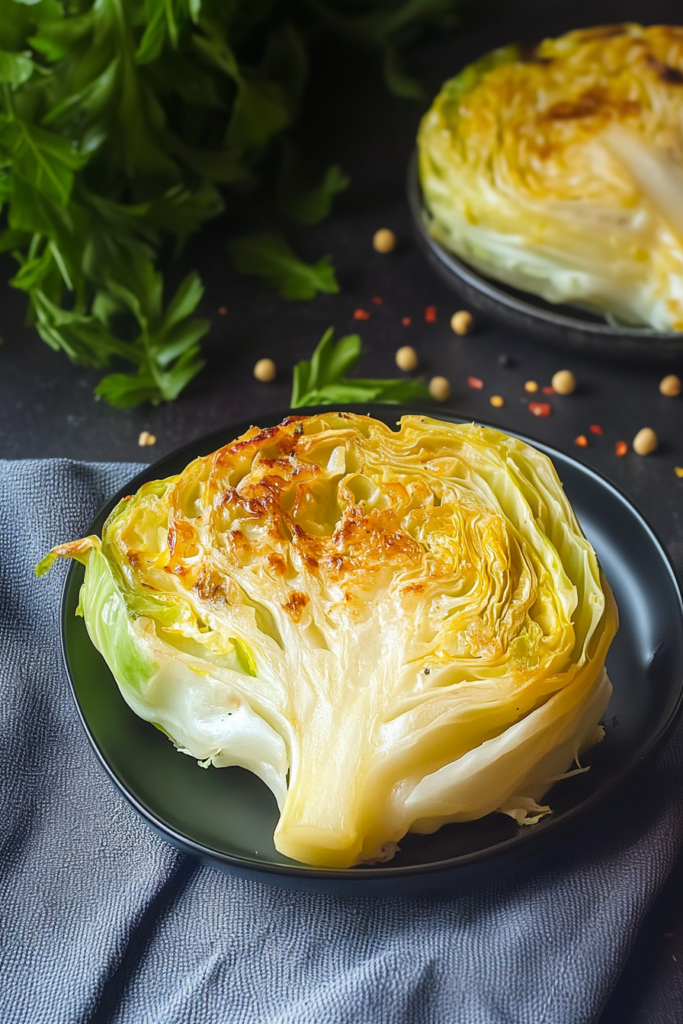
No one’s grading you here.
What to Serve with Escalloped Cabbage?
This dish is happy next to roast chicken, pork chops, or ham. It fits beautifully into a holiday spread and somehow feels right even on a random Tuesday.
And yes — I’ve eaten Escalloped Cabbage as a main dish with just some bread on the side. Zero regrets.
FAQ:
Does cabbage really get tender?
Yes. Parboiling plus baking does the trick without turning it to mush.
Can I make it ahead?
Absolutely. Assemble it earlier in the day and bake when you’re ready.
Is it kid-friendly?
Surprisingly often, yes. Cheese helps a lot.
Can I use red cabbage?
You can, but it changes the flavor and color quite a bit. Green cabbage works best.
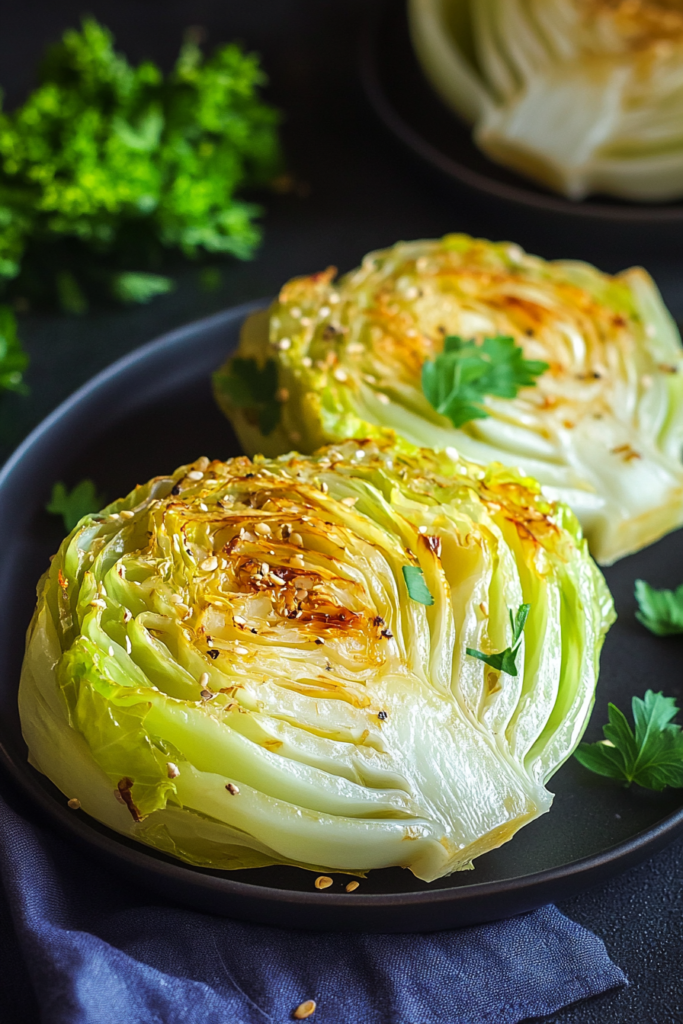
If you’ve been ignoring a head of cabbage in your fridge, maybe this is your sign. Escalloped Cabbage has a way of sneaking into your comfort-food lineup when you least expect it.
If you try it, tell me — did it surprise you too?
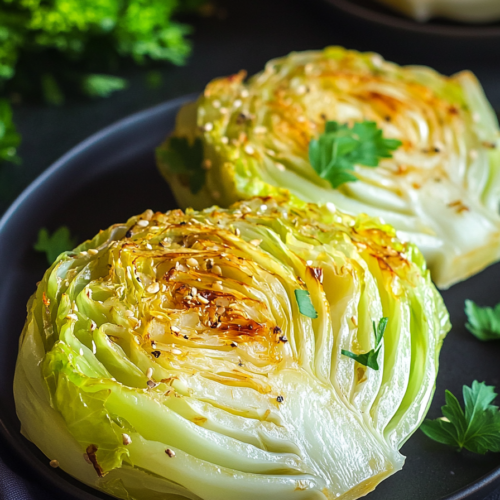
Escalloped Cabbage
Ingredients
- 1 small to medium green cabbage cut into 6–8 wedges with cores intact
- 2 tablespoons unsalted butter
- 2 tablespoons all-purpose flour
- 2 1/2 cups whole milk
- 1 cup shredded mozzarella cheese
- 1 cup shredded sharp cheddar cheese
- Kosher salt to taste
- Freshly cracked black pepper to taste
- Paprika for garnish
- Baking spray for greasing the dish
Instructions
- Bring a large pot of salted water to a boil. Add the cabbage wedges and parboil for 1 to 3 minutes. Drain thoroughly, then carefully remove and discard the cores.
- Preheat the oven to 350°F (175°C). Lightly grease a 9×9-inch baking dish with baking spray. Arrange the parboiled cabbage wedges evenly in the prepared dish and set aside.
- In a nonstick skillet over medium heat, melt the butter. Whisk in the flour and cook, stirring continuously, for 1 to 2 minutes to form a roux.
- Gradually whisk in the milk in batches, stirring constantly until the sauce thickens and becomes smooth. Remove from the heat and stir in the mozzarella and cheddar cheeses until melted and fully incorporated. Season with kosher salt and freshly cracked black pepper to taste.
- Pour the cheese sauce evenly over the cabbage wedges. Sprinkle the top lightly with paprika.
- Bake uncovered for 20 to 25 minutes, or until the casserole is bubbling and the top is lightly golden. Remove from the oven and allow to cool slightly before serving.
Notes