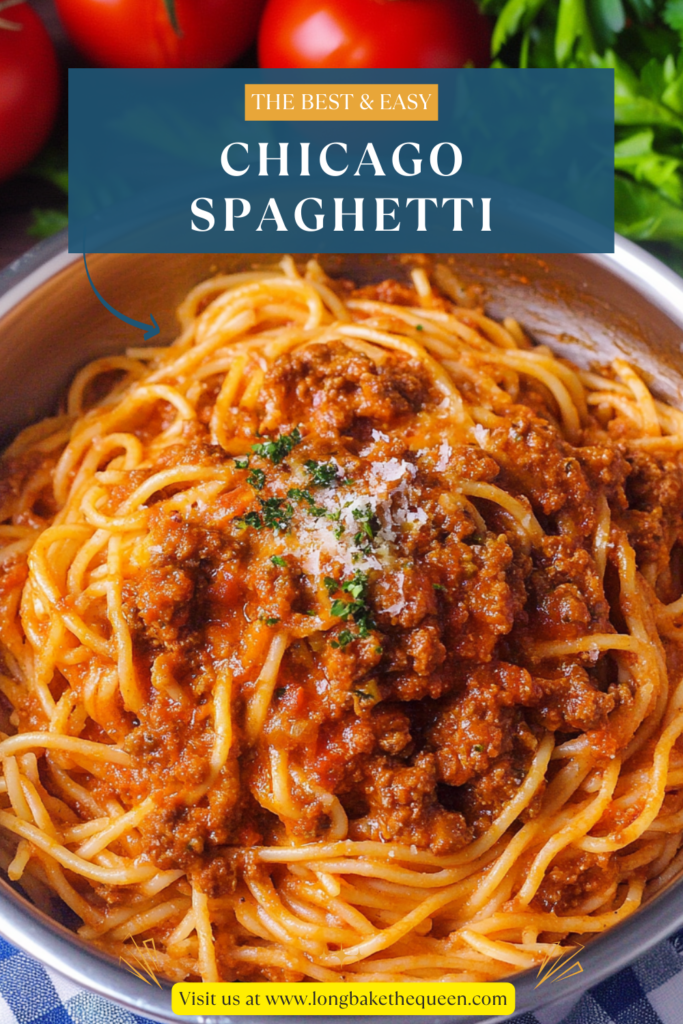
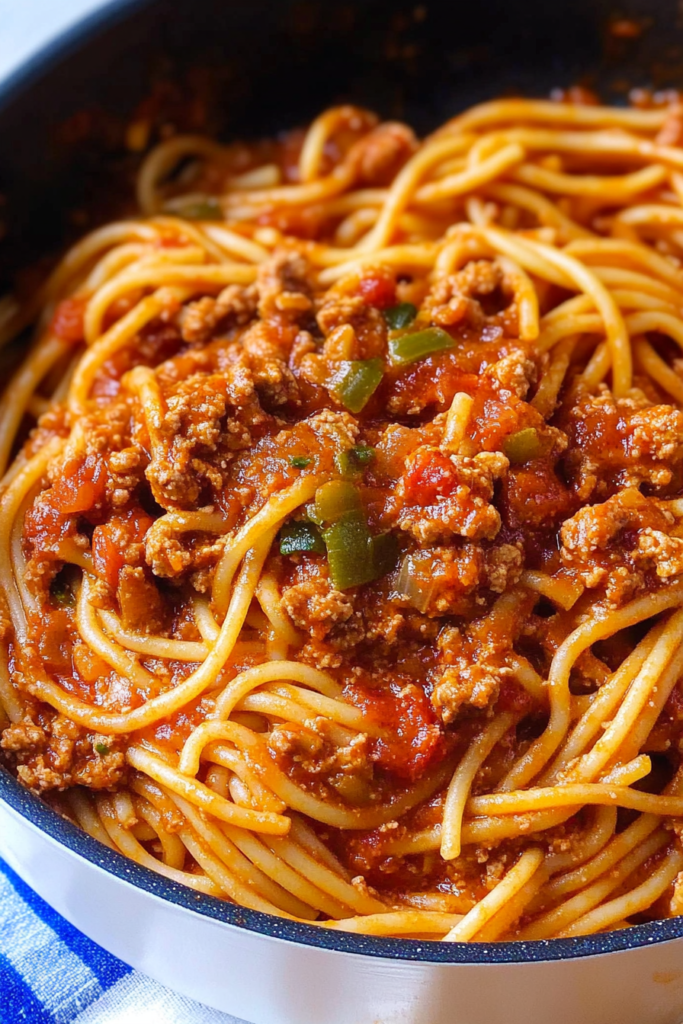
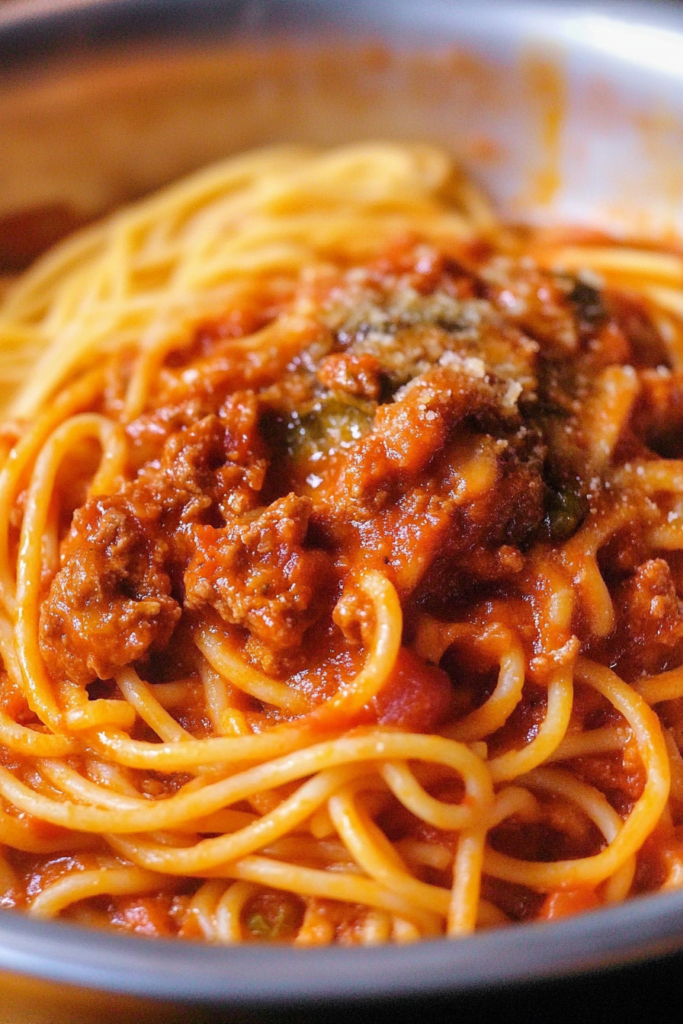
This Chicago Spaghetti is made with Italian sausage, ground beef, onion, garlic, green bell pepper, crushed tomato, tomato paste, Parmesan, and thick spaghetti.
I didn’t come to Chicago Spaghetti as some deeply informed pasta scholar. I came to it hungry. Very hungry, actually. The kind of hungry where regular spaghetti suddenly sounds a little too polite, a little too restrained, a little too “we’ve had this before and nobody’s going to clap.” Sound familiar? I wanted something with more attitude. Something that tasted like somebody in the kitchen had a point to prove.
The first time I made this Chicago Spaghetti recipe, it was one of those weird in-between evenings. Not a special occasion, not exactly a lazy night either. Just one of those days where everyone looked a little tired and dinner needed to do more than simply exist. I had sausage, ground beef, a bell pepper that was nearing the end of its emotional stability, and a box of thick spaghetti. The plan was vague at first, I’ll admit. But once the meat hit the pot and the onion and garlic started cooking down, the whole kitchen changed. You know that moment? When dinner goes from ingredients to a promise? It felt like that.
What I love most about Chicago Spaghetti is that it doesn’t taste shy. The sausage gives the sauce real backbone. The beef makes it hearty. The peppers and onions make it feel a little old-school and a little homey, like the kind of red sauce somebody’s uncle swears he’s been making “the right way” for twenty years. Then the Parmesan goes in at the end and suddenly everything tastes more settled, more complete, more like a pasta dinner that knows exactly what it’s doing. I’m not saying it’s dramatic, but I’m also not not saying that.
And maybe that’s why this pasta sticks with me. It feels generous. A little loud. A little messy in the bowl. The kind of meal that makes you tear off extra garlic bread before you even sit down because you already know the sauce is going to matter. I trust pasta like that. It feels human. No dainty twirls. No tiny portions. Just a big pot of something rich and deeply comforting and maybe a little chaotic in the best possible way.
Why you’ll Love this Chicago Spaghetti?
The first reason to love this Chicago Spaghetti is the sauce, because wow, this sauce is doing a lot of heavy lifting in a very attractive way. It’s thick, rich, meaty, and actually seasoned like someone intends to eat it with joy. The Italian sausage brings depth and spice, the ground beef adds body, and the tomato paste gives everything that slightly deeper, more concentrated flavor that makes the whole pot taste like it simmered for longer than it did. I always appreciate a shortcut that doesn’t feel like a shortcut.
Another reason this Chicago Spaghetti recipe works so well is that it lands right in that sweet spot between familiar and more interesting than expected. It’s still spaghetti, yes. Comforting, red-sauce, big-bowl pasta. But it has more personality than your average weeknight version. The green bell pepper gives it that classic, slightly retro pasta-house feel. The sugar rounds the acidity without making the sauce sweet. The cayenne gives you a little warmth in the background. Not enough to make anybody panic. Just enough to keep things from getting sleepy.
I also really like that the spaghetti gets tossed directly into the sauce. That matters. I will always believe that pasta tastes better when it actually gets to know the sauce instead of having it ladled over the top like an afterthought. With Chicago Spaghetti, the noodles absorb some of that rich meat sauce, the Parmesan clings to everything, and the whole bowl tastes more united. More like a real dish and less like separate components forced into a late introduction.
And then there’s the emotional part of it, which maybe sounds dramatic, but food gets to be emotional. This is the kind of pasta dinner that feels like it can pull a rough evening back into line. It’s warm, saucy, deeply savory, and it fills the kitchen with the smell of garlic, tomato, and something good happening. Some meals are practical. This one is practical and comforting, which honestly feels like a small miracle.
Ingredient Notes
One thing I really appreciate about this Chicago Spaghetti recipe is that the ingredient list feels grounded. No strange detours. No “optional but life-changing” ingredient you have to order online. Just a collection of sturdy, useful ingredients that know how to build a really satisfying bowl of pasta.
- Olive oil gets things started and helps the meat and vegetables cook properly. It’s not flashy, but that first layer of flavor matters.
- Italian sausage is a huge part of what gives this Chicago Spaghetti its character. It adds seasoning, richness, and a little bit of spice all by itself, which is always a nice thing for an ingredient to contribute without a fuss.
- Ground beef gives the sauce more body and balances out the sausage. Together they make the meat sauce feel fuller and more substantial. Very dinner-worthy. Very “seconds are inevitable.”
- Onion adds sweetness and depth. It’s one of those ingredients that doesn’t ask for much attention but absolutely deserves credit.
- Garlic gives the sauce that warm, savory smell that makes people start wandering into the kitchen asking suspiciously casual questions like, “What are you making?”
- Green bell pepper brings sweetness and a slightly old-school red-sauce personality. I know some people have feelings about peppers in sauce. I respect that. But here, I think they belong.
- Crushed tomato makes up the main body of the sauce, while tomato paste adds richness and thickens everything up. Together they create a sauce that feels hearty instead of watery or thin.
- Water helps loosen the sauce enough so it can simmer properly and coat the pasta well. It’s not glamorous, but it’s useful.
- Granulated sugar smooths out the acidity of the tomatoes. Not enough to taste sweet. Just enough to keep the sauce from feeling sharp around the edges.
- Garlic powder, dried oregano, dried basil, and onion powder build that classic red-sauce flavor. Sometimes dried seasonings really are the right move, and this is one of those times.
- Cayenne pepper adds a subtle warmth that makes the sauce more interesting without turning it into a spicy challenge. Just a little extra pulse underneath everything.
- Parmesan cheese stirred in at the end gives the sauce a salty richness and helps everything feel more complete. I really love what it does here. It’s not just garnish. It changes the pot.
- Thick spaghetti is ideal because it stands up to the sauce. This is not a delicate little angel hair situation. This sauce wants a noodle with some confidence.
- Kosher salt and black pepper bring the final seasoning into focus, and yes, tasting at the end really matters.
What I like most is that these ingredients in Chicago Spaghetti all feel purposeful. Nothing is trying too hard. It’s just a smart list for a very comforting pasta dinner.
How to Make Chicago Spaghetti?
Making Chicago Spaghetti feels like the kind of cooking that rewards you at every stage. First the meat browns. Then the vegetables soften. Then the tomato and spices go in and suddenly the whole kitchen smells like dinner got serious. It’s not difficult cooking, but it is satisfying cooking. The best kind, maybe.
Step 1. Cook the spaghetti
Start by bringing a large pot of salted water to a boil. Cook the thick spaghetti until it’s al dente, then drain it and set it aside. Try not to overcook it. I know that sounds obvious, but once the pasta goes into the sauce later, it keeps softening a little. And mushy spaghetti is just disappointing in a way that feels avoidable.
Step 2. Brown the meat
In a large pot over medium-high heat, add the olive oil, then the Italian sausage and ground beef. Use a wooden spoon to break the meat up as it cooks. You want real browning here, not just meat turning from pink to gray and calling it a day. Let it develop some color. That’s where a lot of the flavor starts, and this Chicago Spaghetti recipe really benefits from it.
Step 3. Add the vegetables
Once the meat is browned, add the onion, garlic, and green bell pepper. Cook for about 3 to 4 minutes, just until the vegetables soften a bit and everything starts smelling like a pasta night worth committing to. The onions should start losing that raw edge, the garlic should smell warm and savory, and the peppers should begin settling in.
Step 4. Add the tomato paste and seasonings
Stir in the tomato paste, sugar, garlic powder, onion powder, oregano, basil, and cayenne. Mix everything together well. This step is one of those little in-between moments that doesn’t look like much but makes a big difference. Cooking the tomato paste briefly deepens the flavor, and the dried herbs wake up in the heat. It’s a good thing. A very good thing.
Step 5. Add the tomato and water
Pour in the crushed tomato and water, then stir it all together and bring the sauce to a simmer. Let it simmer for about 30 minutes. This is where Chicago Spaghetti really becomes itself. The flavors mellow and deepen, the sauce thickens, and the whole pot starts tasting less like ingredients and more like one actual dinner with a personality.
Step 6. Taste and adjust
After the sauce has simmered, taste it and adjust with kosher salt and freshly cracked black pepper. Maybe you want a touch more salt. Maybe a little more Parmesan later. Maybe you decide it’s perfect and you feel very smug for a second. All valid outcomes.
Step 7. Add the spaghetti and Parmesan
Stir the cooked spaghetti and Parmesan cheese directly into the sauce. Toss everything well so the noodles are fully coated. This is one of my favorite parts of the Chicago Spaghetti recipe, because suddenly it all comes together. It stops being sauce and noodles and turns into a real pasta dish. One big, rich, saucy, extremely convincing pasta dish.
Step 8. Serve hot
Serve it hot, maybe with a little extra Parmesan on top if that feels right. And honestly, it usually does.
This pasta doesn’t ask for any fancy technique. It just asks that you let each step do its job. The payoff is worth it.
Storage Options
This Chicago Spaghetti stores really well, which is excellent news because it makes a pretty generous pot. Once it cools, transfer it to an airtight container and keep it in the fridge for up to 4 days. And I’ll say this quietly but sincerely: I think it might be even better the next day. Sometimes. The sauce settles in, the spaghetti absorbs a little more flavor, and everything tastes a bit more cohesive. A little more confident. I like that.
To reheat it, I’d go with the stovetop if you can, adding a small splash of water to loosen the sauce. The microwave works too, obviously, especially if your day has already made enough decisions for you. Just stir it halfway so it heats evenly and doesn’t end up weirdly cold in the center and volcanic around the edges.
You can freeze Chicago Spaghetti, but I do think the sauce freezes a little better than the fully mixed pasta. So if you know ahead of time that freezing is part of the plan, setting some of the meat sauce aside before you toss in the spaghetti is probably the smarter move. Still, the finished dish will freeze okay for about 2 months if needed.
And honestly, finding leftover Chicago Spaghetti in the fridge feels like one of those small domestic victories that deserves more applause than it gets.
Variations & Substitutions
One thing I appreciate about this Chicago Spaghetti recipe is that it has a clear identity, but it’s not fragile about it. You can make a few adjustments and it still comes out tasting like itself, which is a very appealing trait in a dinner recipe.
- Use all ground beef if sausage isn’t what you have, though I do think the sausage adds a lot of the sauce’s personality.
- Swap green bell pepper for red bell pepper if you want something slightly sweeter and less sharp.
- Use another sturdy pasta shape like penne or rigatoni if thick spaghetti isn’t in the pantry. It’ll still work beautifully with the sauce.
- Add red pepper flakes if you want a different kind of heat or a little more of it.
- Add mushrooms if you like that earthy depth in a meat sauce. Not required, but definitely not unwelcome.
- Use ground turkey or chicken sausage if you want a lighter version, though the final flavor will be a little less rich and hearty.
- Stir in extra Parmesan if you want the sauce a touch saltier and more savory. I’m generally not against that.
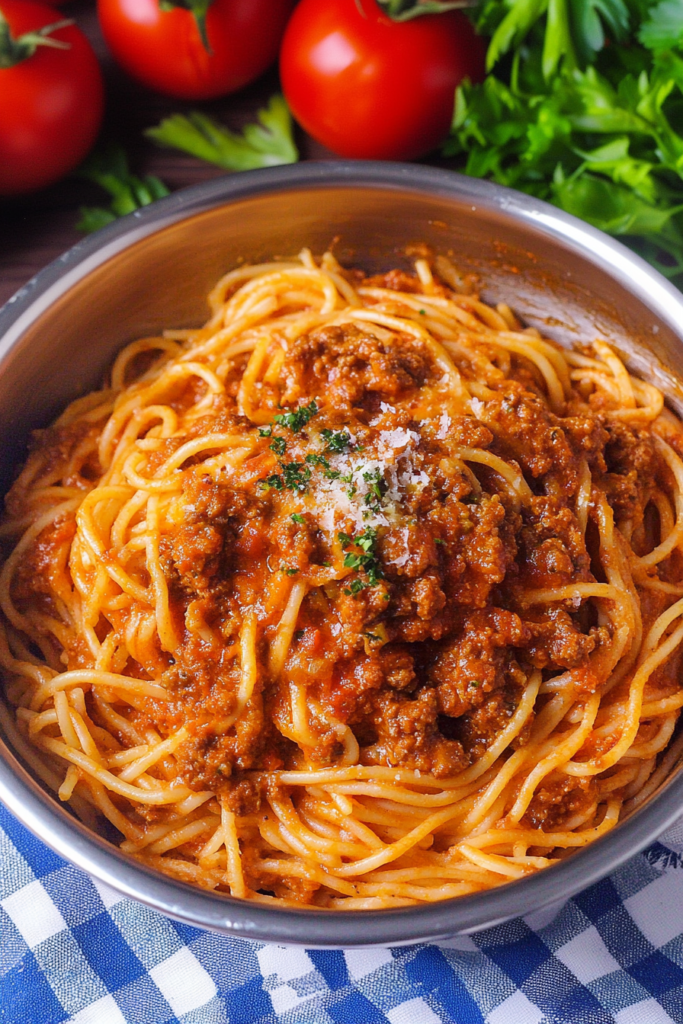
What I like is that even with those changes, Chicago Spaghetti still keeps its core appeal: rich meat sauce, bold seasoning, satisfying pasta. That’s the part that really matters.
What to Serve With Chicago Spaghetti?
This Chicago Spaghetti is already a whole meal in a bowl, but there are definitely a few sides that make it feel even more complete.
- Garlic bread is the obvious answer, and I’m not going to pretend otherwise. This sauce deserves bread. End of discussion.
- A simple green salad is really nice if you want something fresh and crisp next to all that hearty pasta.
- Caesar salad works especially well if you want a pasta-night dinner that feels just a little restaurant-ish.
- Roasted vegetables can be a good move too if you want more color on the table.
- Extra Parmesan and cracked black pepper at the table feel very correct to me, maybe even essential.
Personally, I think Chicago Spaghetti is happiest with garlic bread and salad, but if you only manage garlic bread and everyone’s still thrilled, I think that counts as a successful evening.
FAQ
Can I make Chicago Spaghetti ahead of time?
Yes, absolutely. It reheats very well, and the flavor often gets even better after resting a bit.
Can I use a different pasta?
Yes. Thick spaghetti is great, but penne, rigatoni, or another sturdy pasta shape works too.
Is Chicago Spaghetti spicy?
Not especially. The cayenne gives it a little warmth, but it’s easy to adjust if you want more or less.
Can I leave out the bell pepper?
You can, though I do think it adds a nice sweetness and part of the dish’s character.
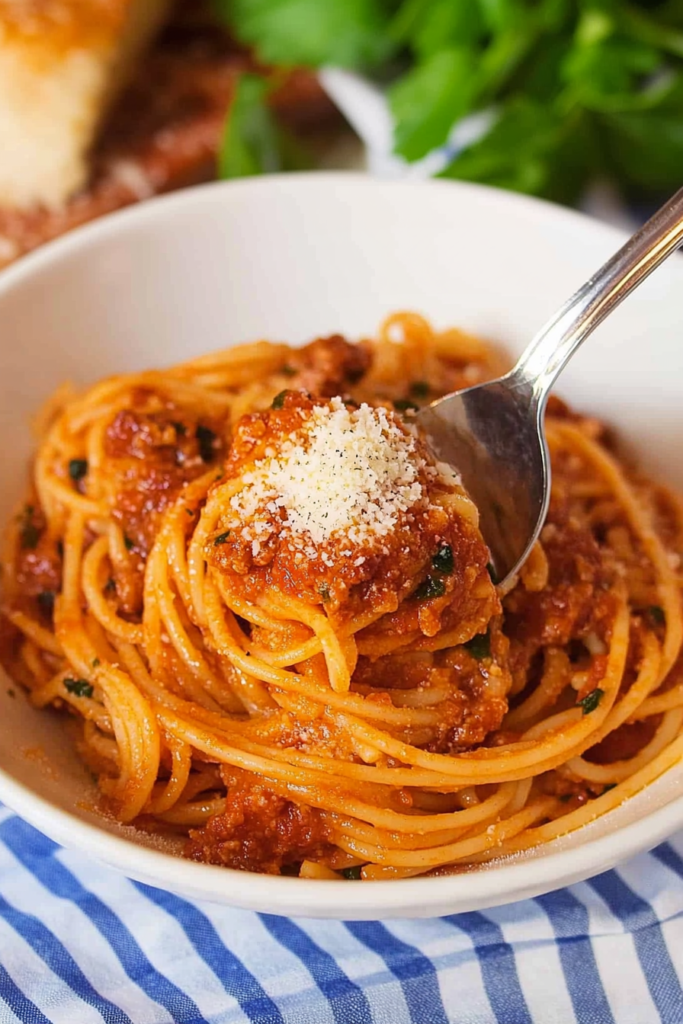
There’s something really satisfying about Chicago Spaghetti. It’s hearty, saucy, boldly seasoned, and a little more exciting than a standard spaghetti night. It doesn’t try to be elegant. It doesn’t need to. It just shows up with a big pot of rich pasta and makes a very convincing case for second helpings.
What I love most about this Chicago Spaghetti recipe is that it feels like comfort food with a little extra swagger. The sausage, the bell pepper, the Parmesan stirred right into the sauce — it all adds up to something familiar, but not at all boring. That’s a nice place for dinner to land.
So if you’ve been craving a spaghetti recipe that’s meaty, rich, and full of real flavor, I really think this one is worth making. And now I want to know — are you serving your Chicago Spaghetti with garlic bread, salad, or going full pasta-night chaos and doing both?
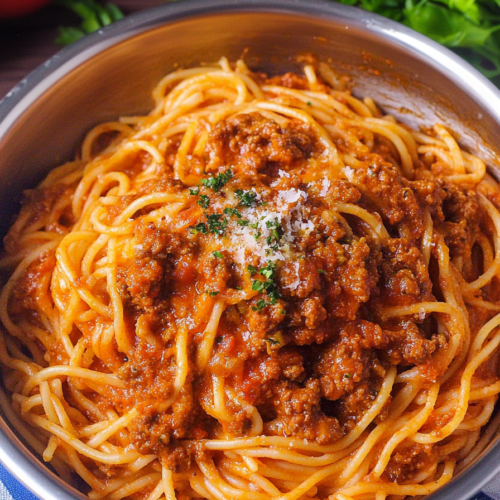
Chicago Spaghetti
Ingredients
- 2 tbsp olive oil
- 1 lb Italian sausage
- 1/2 lb ground beef
- 1 c onion diced
- 4 garlic cloves minced
- 1 c green bell pepper small diced
- 28 oz crushed tomato
- 6 oz tomato paste
- 2 c water
- 3 tbsp granulated sugar
- 2 tsp garlic powder
- 2 tsp dried oregano
- 2 tsp dried basil
- 1 tsp onion powder
- 1/2 tsp cayenne pepper
- 1/3 c Parmesan cheese
- 1 lb thick spaghetti
- Kosher salt to taste
- Freshly cracked black pepper to taste
Instructions
Cook the Spaghetti
- Bring a large pot of salted water to a boil. Cook the spaghetti until al dente, according to the package directions. Drain and set aside.
Brown the Meat
- In a large pot over medium-high heat, add the olive oil. Add the Italian sausage and ground beef. Cook, using a wooden spoon to break the meat into smaller pieces, until browned and fully cooked.
Add the Vegetables
- Add the diced onion, minced garlic, and diced green bell pepper to the pot. Cook for 3 to 4 minutes, stirring occasionally, until the vegetables begin to soften.
Add the Tomato Paste and Seasonings
- Stir in the tomato paste, granulated sugar, garlic powder, dried oregano, dried basil, onion powder, and cayenne pepper. Mix until evenly combined.
Add the Tomatoes and Water
- Pour in the crushed tomato and water. Stir thoroughly, then bring the sauce to a simmer.
Simmer the Sauce
- Reduce the heat as needed to maintain a gentle simmer. Cook for 30 minutes, stirring occasionally, until the sauce has thickened and the flavors have developed.
Adjust the Seasoning
- Taste the sauce and season with kosher salt and freshly cracked black pepper as needed.
Combine the Pasta and Sauce
- Add the cooked spaghetti and Parmesan cheese to the sauce. Toss until the pasta is evenly coated and the cheese is incorporated.
Serve
- Serve hot, with additional Parmesan if desired.
Notes